
Insights & News
Corsano Health Blog & Industry Insights
Stay updated with expert articles, scientific publications, clinical study findings, and digital biomarker innovations in continuous patient monitoring.
Blog

Top Automated Early Warning Score Wearable Manufacturers
An Automated Early Warning Score (EWS) Wearable can turn continuous vital-sign monitoring into earlier clinical signals. Yet the device is only one part of the story. A wrist sensor or chest patch may track pulse, oxygen saturation, temperature, or movement, but useful alerts depend on reliable measurements and thoughtful clinical workflows. Small details matter: a loose strap, a low battery, or a patient who removes the device can change what staff see.
This overview of top Automated Early Warning Score Wearable manufacturers focuses on practical differences, not marketing language alone. Important questions include which vital signs are measured, how scores are calculated, and whether alerts fit existing hospital systems. Buyers should also examine published validation, patient comfort, battery life, data security, technical support, and the device’s intended care setting. Availability and regulatory status can vary by product and region, so these details should be checked directly with manufacturers and relevant health authorities.
No single wearable suits every ward. Some systems may support continuous observation, while others prioritize mobility or simpler deployment. A polished dashboard is not proof of better outcomes. Evidence and usability deserve equal attention. Even a well-designed device can create alarm fatigue if thresholds are poorly configured. Manufacturer comparisons are therefore a starting point, not a substitute for local clinical review, workflow testing, and clear escalation procedures. The technology is promising, but its limits still deserve honest scrutiny.
Read more »
 By:Nathaniel Hayes
- October 29, 2026
Top Post Discharge Ambulatory Care Monitor Buying Guide
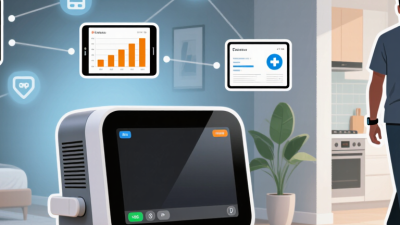
Choosing a Post-Discharge Ambulatory Care Monitor is not simply a technology purchase. It is a patient-safety decision made after clinical attention becomes less visible. At home, a patient may experience rising blood pressure, irregular heart rhythm, falling oxygen saturation, or unusual fatigue. A reliable monitor can help care teams notice meaningful changes before they become emergencies. Still, no device replaces clinical judgment.
Eric Topol, a physician and digital medicine authority, has described the smartphone as “the stethoscope of the future.” His observation reflects a wider shift toward connected, patient-centered care. However, a monitor must do more than collect numbers. It should provide clinically useful data, clear alerts, secure transmission, and practical workflows for nurses and physicians. Accuracy matters most during ordinary home routines, such as walking to the kitchen or sleeping after surgery.
This buying guide examines sensor quality, measurement consistency, battery life, comfort, connectivity, dashboard design, and integration with existing care systems. It also considers onboarding, technical support, and patient readability. These details often determine whether a device is used correctly. Small barriers become large failures after discharge.
The best choice depends on the patient population, clinical pathway, and response capacity. A highly advanced device may create unnecessary complexity. A simpler product may miss important signals. That tension deserves honest review. Some evidence may remain limited, especially across diverse home environments. Buyers should therefore compare published validation data with real-world experience, not marketing claims. A thoughtful Post-Discharge Ambulatory Care Monitor supports earlier intervention while respecting patient independence, privacy, and the practical limits of outpatient care.
Read more »
 By:Julian Brooks
- October 24, 2026
What Is a Pharmaceutical Digital Biomarker Platform?
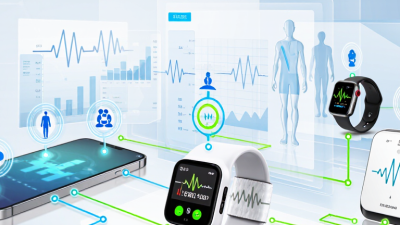
A Pharmaceutical Digital Biomarker Platform converts real-world digital signals into clinically meaningful evidence. Smartphones, connected watches, patches, and home sensors may capture movement, sleep, heart rate, speech, or medication-related behavior. The platform then standardizes, secures, and analyzes these measurements for research or patient care.
The need is growing. IQVIA Institute’s Global Trends in R&D 2024 reported more than 6,000 active clinical trials involving novel medicines worldwide. This scale increases pressure to collect frequent, objective data beyond scheduled clinic visits. The FDA’s 2023 guidance, Digital Health Technologies for Remote Data Acquisition in Clinical Investigations, emphasizes validation, usability, data integrity, and participant privacy. These requirements define more than a technology purchase. They shape the platform’s credibility.
A reliable Pharmaceutical Digital Biomarker Platform should connect sensor data with clinical outcomes, trial workflows, and transparent analytics. It should show how a signal was collected, processed, and interpreted. Deloitte’s 2024 Global Life Sciences Outlook also highlights the industry’s continuing investment in digital transformation and data-driven development. Yet enthusiasm can move faster than evidence. A higher step count does not automatically indicate improved disease control. Battery loss, poor connectivity, age, disability, and cultural differences can distort results. The platform must therefore support human review, not replace clinical judgment. That distinction remains easy to overlook. Good design includes uncertainty, audit trails, informed consent, and ongoing performance testing. The field is advancing, but not perfectly.
Read more »
By:Nathaniel Hayes
- October 19, 2026
China Best Clinical Trial Remote Data Collection Wearables
China Best Clinical Trial Remote Data Collection Wearables: Building Trust Beyond the Clinic
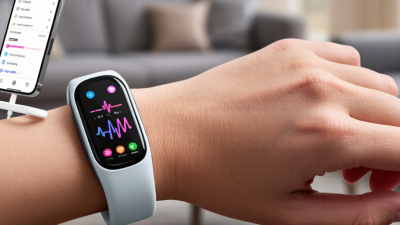
Clinical trials in China are moving closer to participants’ daily lives. A Clinical Trial Remote Data Collection Wearable can record heart rate, sleep patterns, movement, temperature, and other patient-reported signals. These measurements may reduce clinic visits and reveal changes that traditional appointments miss.
The device sits on a participant’s wrist. Data travels through a mobile application to a controlled research platform. Investigators can then review trends, identify missing entries, and contact participants when needed. Small details matter. A loose strap, a drained battery, or poor network coverage can create misleading gaps.
Jennifer Goldsack, CEO of the Digital Medicine Society, has stated, “Digital health technologies are not digital endpoints.” Her point remains important. A wearable is only a tool. Its clinical value depends on validated measurements, clear study protocols, trained teams, and reliable data interpretation.
China-based manufacturers increasingly emphasize sensor accuracy, comfortable designs, multilingual applications, and secure data management. Strong suppliers should also explain calibration methods, software updates, device replacement procedures, and technical support. Evidence matters more than attractive specifications.
The process is not flawless.
Skin contact can vary. Participants may forget charging. Algorithms can perform differently across age groups, climates, and activity levels. These weaknesses require testing, documentation, and honest reporting. A trustworthy Clinical Trial Remote Data Collection Wearable should support both scientific efficiency and participant confidence.
The best solutions do not simply collect more data. They collect usable data, protect participant dignity, and help researchers make defensible decisions. That standard should guide every comparison of China’s leading clinical trial wearable providers.
Read more »
By:Julian Brooks
- October 14, 2026
10 Best Continuous Arrhythmia Detection Devices?
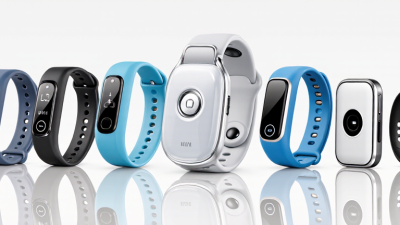
Detecting an irregular heartbeat is no longer limited to a brief clinic visit. Today, wearable monitors, patches, smartwatches, and implantable systems can observe cardiac rhythm during daily activities. A reliable Arrhythmia Continuous Detection Device may capture changes while someone is walking, sleeping, exercising, or feeling completely well. That context matters. A short recording can miss episodes that appear only once every few days.
This guide examines ten leading continuous arrhythmia detection devices through practical and clinical considerations. We compare monitoring duration, sensor design, ECG quality, alert systems, comfort, battery life, data sharing, and professional review. Some devices record a medical-grade ECG, while others mainly track pulse patterns. They are not interchangeable. A flashing alert can feel alarming, especially at night, but it does not always confirm an arrhythmia. Conversely, no alert does not guarantee a normal rhythm.
Clinical evidence, regulatory status, independent testing, and user experience all deserve attention. Device performance may vary with skin contact, motion, tattoos, device fit, and signal noise. Personal experience also has limits. A comfortable patch may still be unsuitable for long-term use, and an advanced monitor may overwhelm users with unnecessary notifications. This overview is informative, not diagnostic. Anyone experiencing chest pain, fainting, severe breathlessness, or persistent palpitations should seek urgent medical care. Even this comparison has gaps. Technology changes quickly, and the best choice depends on symptoms, monitoring goals, medical history, and advice from a qualified clinician.
Read more »
By:Nathaniel Hayes
- October 9, 2026
Top Cardiac Arrest Early Warning Wearables to Buy?
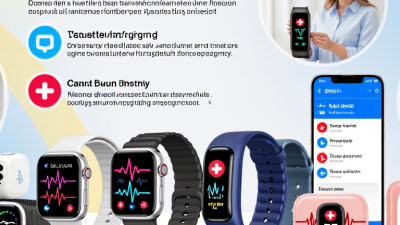
Choosing a Cardiac Arrest Early Warning Wearable requires more than comparing screens, prices, and app ratings. The real question is whether a device can identify meaningful cardiac changes quickly, communicate them clearly, and support urgent human action. Cardiac electrophysiologist Dr. Sumeet Chugh has stated, “Sudden cardiac arrest is not the same as a heart attack, although a heart attack can cause cardiac arrest.” That distinction matters when evaluating wearable claims.
A serious buying guide should examine heart-rate accuracy, rhythm analysis, oxygen monitoring, fall detection, emergency calling, battery life, cellular access, and clinical validation. It should also explain what each device cannot detect. Some products monitor pulse patterns but do not diagnose dangerous rhythms. Others can send alerts, yet they still depend on phone connections, user response, or emergency services. Small details matter. A loose wristband can weaken readings. A dead battery can erase confidence.
No wearable is perfect.
The strongest options should offer transparent evidence, understandable alerts, secure data handling, and practical support for older adults or people with cardiac risk. Expert review is essential, but lived experience matters too. A device may perform well in testing and feel frustrating during sleep, exercise, or daily work. Our comparisons may still miss personal differences, including skin contact, medication effects, and device compatibility. Readers should treat these wearables as early-warning tools, not replacements for medical evaluation, prescribed monitoring, or emergency care. This guide focuses on dependable features, realistic limitations, and the buying decisions that deserve closer attention.
Read more »
 By:Ethan Carter
- October 4, 2026
China Top 10 Medical Grade PPG ECG Multi Sensor Devices?
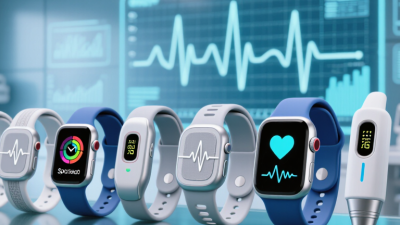
China’s medical technology market now offers a wide range of wearable monitoring platforms. This article examines China’s top 10 Medical-Grade PPG ECG Multi-Sensor Device options. These systems combine optical pulse sensing with electrical heart-signal measurement. Some also track temperature, oxygen saturation, movement, or respiratory patterns.
The selection considers published specifications, clinical evidence, sensor configuration, software capability, manufacturing experience, and after-sales support. It also examines signal quality during walking, exercise, and ordinary daily use. A device may look impressive on paper but perform differently on sweaty skin or loose clothing. That detail matters. Independent validation remains essential. Product claims should be checked against certifications, intended use, and regional regulatory requirements.
Dr. Eric Topol, a cardiologist and digital medicine expert, said, “The future of medicine is the digitization of human beings.” His observation reflects the growing value of continuous, data-rich monitoring. However, more data does not automatically mean better care. Clinicians still need reliable signals, understandable reports, and patient context. This overview is informative, not a substitute for professional diagnosis. The ranking may also remain imperfect because manufacturers disclose different levels of technical information. That limitation deserves attention. Readers should compare sampling rates, electrode design, optical wavelengths, algorithm transparency, cybersecurity practices, and service records before purchasing. A dependable Medical-Grade PPG ECG Multi-Sensor Device should support careful clinical decisions, not create false confidence.
Read more »
By:Julian Brooks
- September 29, 2026
How to Choose Remote Patient Monitoring Wearables in 2026?
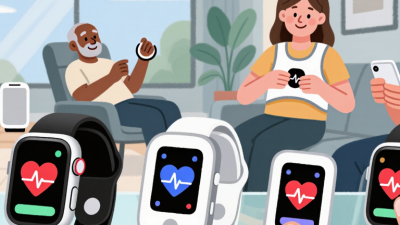
Choosing a Remote Patient Monitoring (RPM) Wearable in 2026 will require more than comparing sensors and subscription prices. A small wrist device may track heart rate, oxygen saturation, sleep, or glucose trends. Yet technical sophistication does not guarantee clinical value. The device must produce reliable readings during ordinary life, including walking, bathing, sweating, and interrupted connectivity.
The American Medical Association’s 2022 digital health research found that 93% of physicians saw advantages in digital health tools. Nearly 90% had invested in, or planned to invest in, such technologies. That momentum matters. However, adoption alone proves little. A wearable that creates frequent false alerts can exhaust nurses and worry patients. That is not success.
Dr. Joseph Kvedar, a widely recognized digital-health physician and former American Telemedicine Association president, has said, “The future of health care is in the home.” His point gives RPM a practical direction. The best wearable should fit the patient’s home, habits, and care plan. It should also support secure data transfer, clear escalation rules, long battery life, and accessible design.
Reports from the AMA, the World Health Organization, and the FDA all point toward more connected care. Their evidence also exposes a difficult truth: performance varies across populations and settings. Skin tone, motion, age, and chronic conditions can affect readings. No device is universally best.
This guide examines clinical accuracy, usability, interoperability, privacy, reimbursement readiness, and total ownership cost. Some recommendations may age quickly. That is worth admitting. In 2026, careful selection will depend on evidence, not impressive packaging.
Read more »
By:Nathaniel Hayes
- September 24, 2026
China Top Continuous Vital Signs Wearable Monitor Supplier
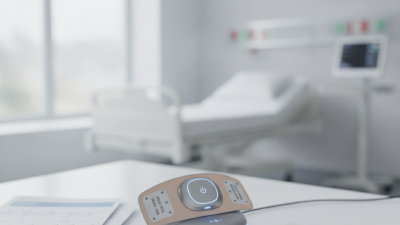
China has become a significant source of wearable healthcare technology for hospitals, clinics, and home-care providers. This article introduces how to evaluate a China Top Continuous Vital Signs Wearable Monitor Supplier through practical, evidence-based criteria.
A reliable Continuous Vital Signs Wearable Monitor should track key measurements, such as heart rate, respiratory rate, skin temperature, and blood oxygen levels. Accuracy matters most during movement, sleep, and daily clinical routines. A strong supplier should explain sensor performance clearly. It should also provide test records, quality-control procedures, product specifications, and responsive technical support.
Real manufacturing experience is valuable. Experienced teams understand sensor placement, battery limitations, waterproof design, and wireless data stability. These details affect whether a monitor remains comfortable after eight hours of use. They also influence how nurses review alerts at a busy bedside. However, no supplier is perfect. A promising product may still need field testing, software improvements, or better user training.
Trust should come from documented performance, transparent communication, and responsible product development. Buyers should review relevant certifications and verify whether testing applies to the exact model. Marketing language alone is not enough. Independent evaluation can reveal weaknesses that brochures often miss.
This guide focuses on practical selection.
It considers product design, manufacturing capability, customization, after-sales service, and supply consistency. It also encourages buyers to ask difficult questions before placing an order. A dependable partnership requires more than competitive pricing. It requires measurable quality, clear documentation, and a willingness to correct problems when real-world results differ from expectations.
Read more »
By:Julian Brooks
- September 17, 2026
2026 Best General Ward Patient Deterioration System?
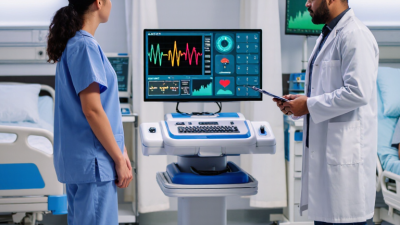
Choosing the 2026 Best General Ward Patient Deterioration System requires more than comparing dashboards or alarm counts. The strongest option should support timely recognition, clinical judgment, and safe escalation across busy hospital wards. It must combine reliable vital-sign capture with clear risk scoring, visible trend data, and practical alerts. Nurses should quickly review respiratory rate, oxygen saturation, heart rate, blood pressure, temperature, and mental-status changes at the bedside. Small details matter. A rising respiratory rate may appear before an obvious crisis.
A credible General Ward Patient Deterioration System should fit established observation routines and local escalation policies. It should offer audit trails, role-based access, staff training, and evidence from real clinical settings. Independent validation is important, although published results may not reflect every hospital’s staffing model or patient population. No platform is perfect. False alarms can interrupt care, while delayed documentation can weaken an otherwise advanced system. This is where thoughtful implementation matters. Clinicians need understandable alerts, not unexplained scores. They also need time to question the output.
The following overview examines leading approaches for 2026, including predictive analytics, interoperability, usability, cybersecurity, and measurable patient-safety outcomes. It considers practical ward experience, not marketing language alone. A system may look impressive during a demonstration yet fail during a crowded night shift. Careful trials, feedback from nurses and physicians, and regular performance reviews remain essential. The best choice is therefore not simply the most sophisticated product. It is the system that helps a real care team notice change, communicate concern, and act earlier without losing human oversight.
Read more »
By:Julian Brooks
- September 17, 2026
How to Buy CardioWatch 287 Medical Smart Bracelet
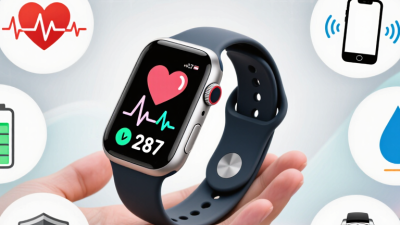
Buying a health device requires more than comparing prices. The CardioWatch 287 Medical Smart Bracelet may appeal to people tracking heart rate, sleep, activity, or daily wellness patterns. However, shoppers should examine its specifications before placing an order. Look for clear information about sensors, battery life, app compatibility, water resistance, warranty coverage, and supported phone systems. A bright screen and comfortable strap matter too. You may wear it for many hours.
Choose an established seller with verifiable contact details and a transparent return policy. Check whether the product is new, properly packaged, and intended for your country or region. Medical-device claims can vary between markets, so confirm approval or registration through the relevant health authority when applicable. Do not rely on a bracelet to diagnose illness, replace prescribed treatment, or interpret urgent symptoms. That distinction is essential.
Read independent reviews carefully. Some reviews describe smooth setup, while others reveal connection problems or inaccurate readings during exercise. Pay attention to repeated complaints, not one dramatic comment. Compare the total cost, including shipping, taxes, subscriptions, and replacement accessories. Ask whether personal health data is encrypted and how the companion app uses information. This detail is easy to overlook.
A sensible purchase also includes realistic expectations. Wear the CardioWatch 287 Medical Smart Bracelet consistently, follow the manufacturer’s instructions, and compare unusual readings with professional medical advice. I would not buy based on marketing language alone. Product pages can be incomplete. Confirm the model number, seller identity, support options, and return deadline before payment. Reliable research may feel slower, but it reduces expensive surprises and supports a safer, more informed decision.
Read more »
By:Nathaniel Hayes
- September 17, 2026