Strategic Intent & Market Dynamics Beyond Episodic Cuff Inflation: The Paradigm Shift to Continuous Wearable Blood Pressure Telemetry
Hypertension remains the primary modifiable risk factor for cardiovascular disease, cerebrovascular accidents, and end-stage renal failure worldwide. However, standard clinical management relies heavily on episodic blood pressure measurements taken via inflatable arm cuffs during clinic visits or scheduled ambulatory blood pressure monitoring (ABPM).
These legacy methodologies suffer from documented diagnostic blind spots: white-coat hypertension, masked nocturnal hypertension, and acute blood pressure variability (BPV) triggered by circadian shifts or acute exertion. For healthcare procurement directors, clinical research organizations (CROs), and pharmaceutical sponsors, traditional cuff-based monitoring poses severe operational constraints, high patient non-compliance rates, and fragmented datasets that miss early cardiovascular decompensation signals.
Information Gain: Why Continuous Optical Telemetry Outperforms Spot-Checks
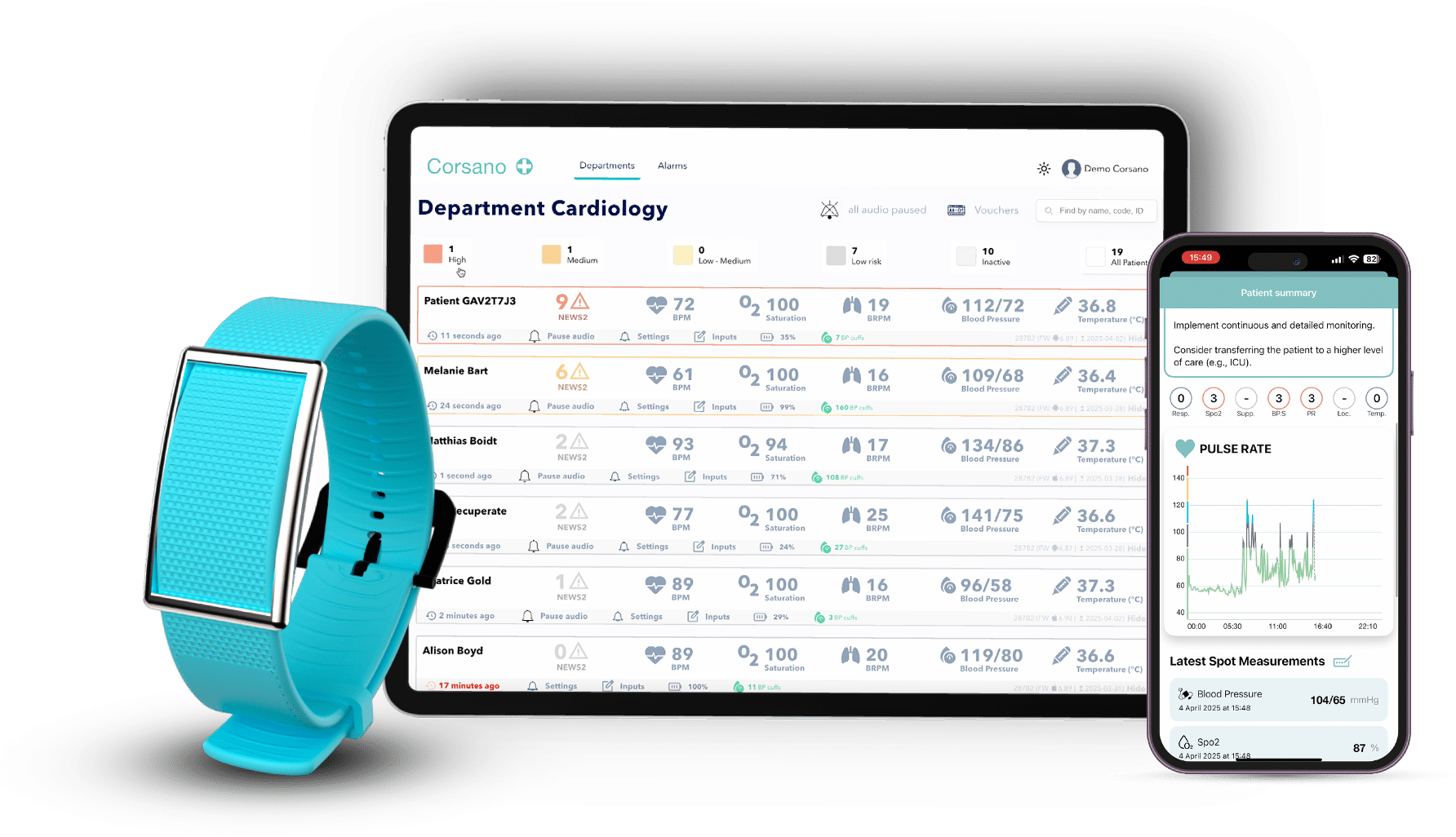
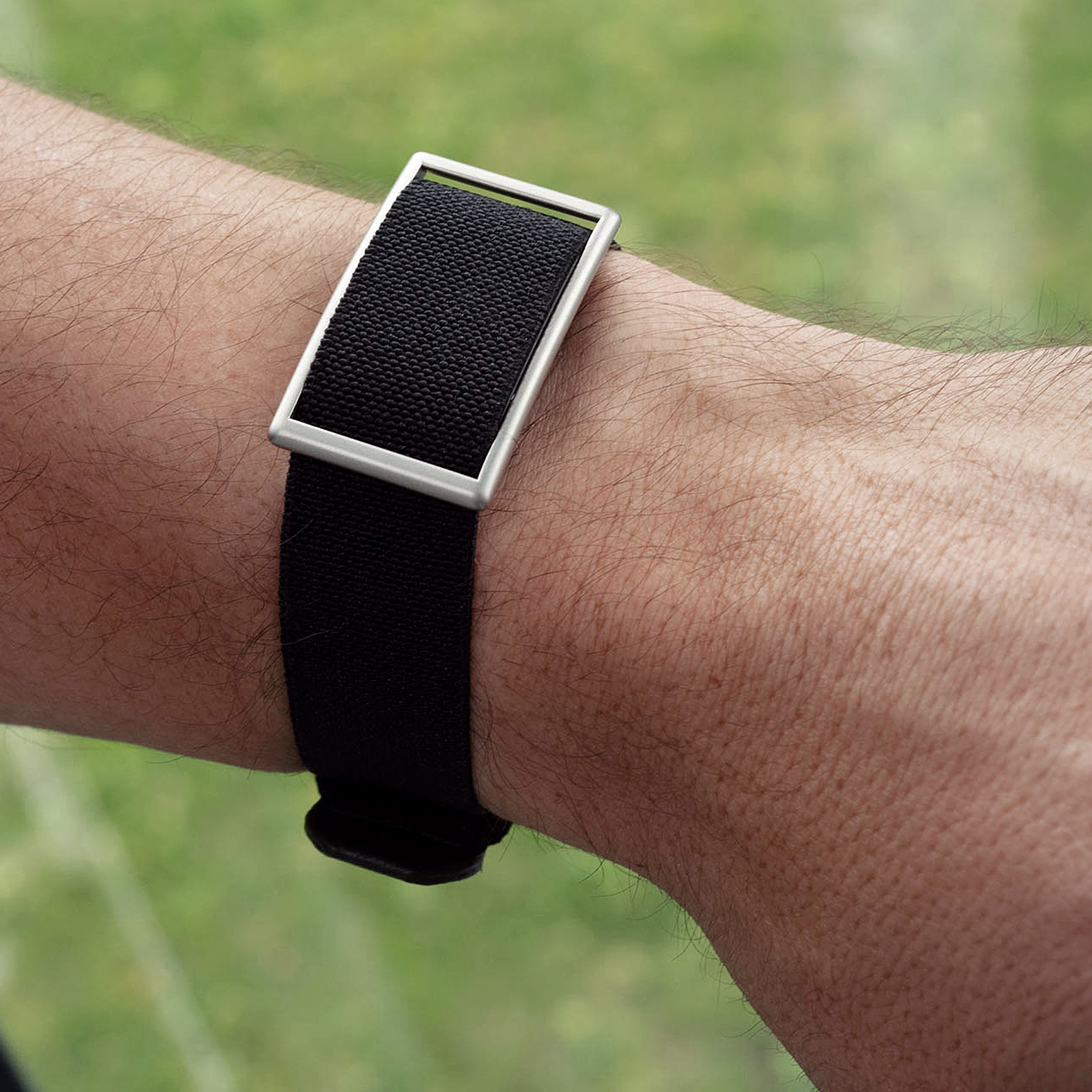
Modern continuous Hypertension Wearable Monitoring Devices leverage high-frequency photoplethysmography (PPG) fused with single-lead electrocardiogram (ECG) waveforms to calculate Pulse Transit Time (PTT) and Pulse Arrival Time (PAT). By capturing micro-vascular dynamics at sample rates up to 128 Hz without interrupting patient sleep or causing cuff discomfort, clinical teams obtain an uninterrupted longitudinal trend curve of arterial stiffness and surrogate blood pressure variations across 24-hour cycles.
This B2B procurement guide analyzes the essential technical parameters, regulatory mandates, software interoperability protocols, and real-world clinical benchmarks required when procuring a enterprise-ready Hypertension Wearable Monitoring Device.