1. Executive Overview: Why Raw PPG & ECG Data Access Is the Bottleneck in AI Digital Health R&D
In the rapidly evolving digital health ecosystem, machine learning engineers, pharmaceutical trial sponsors, and clinical researchers face a fundamental technical barrier: black-box algorithmic lock-in. Most consumer smartwatches and commercial-grade fitness monitors perform aggressive on-device noise filtering, averaging, and proprietary feature abstraction. While this approach suffices for basic consumer wellness, it permanently destroys micro-waveform features essential for clinical diagnostics, algorithmic validation, and novel digital biomarker creation.
A true Raw PPG ECG Data Access Health Monitor bridges this critical gap. By providing unrestricted, uncompressed, high-frequency raw photoplethysmography (PPG across green, red, and infrared wavelengths) and single-lead electrocardiogram (ECG) data streams at up to 128 Hz, medical device platforms like the Corsano CardioWatch 287-2B enable research teams to audit the underlying signal integrity, train custom deep neural networks, and retain 100% intellectual property (IP) ownership over their derived clinical models.
Strategic Insight for Healthcare Procurement & R&D Directors
When selecting a continuous health monitoring platform for clinical trials, general ward early warning systems, or remote patient monitoring (RPM), raw data access is not merely a feature—it is the foundation of regulatory defensibility. Without access to raw optical waveform voltages and raw electrical potential values, validating novel AI algorithms against FDA/CE-MDR standards is virtually impossible.
2. Recommended Product Architecture: Corsano CardioWatch 287-2B
Engineered under ISO 13485 quality management standards in the Netherlands and Switzerland, the Corsano CardioWatch 287-2B is a certified medical smart bracelet designed specifically to solve the dual challenges of continuous 24/7 patient compliance and enterprise-grade data transparency.
Hardware & Sensor Specification Deep-Dive
The CardioWatch 287 platform incorporates a sophisticated multi-sensor array into a lightweight, ergonomic form factor tolerated by pediatric, adult, and fragile geriatric patient cohorts for weeks at a time:
- Multi-Wavelength PPG Sensor: Tri-color optical channels featuring Green (530 nm), Red (660 nm), and Infrared (940 nm) LEDs. Samples up to 128 Hz to capture fine arterial pulse wave velocity (PWV), augmentation index, and subtle peripheral perfusion shifts.
- Single-Lead ECG Electrodes: Integrated dry electrodes providing high-resolution electrical cardiac rhythm strips for real-time arrhythmia detection, continuous QTc tracking, and PR/QRS segment analysis.
- 3-Axis Accelerometry: High-g tri-axial accelerometer recording physical activity, posture, tremor frequencies, and micro-movement artifacts essential for motion-canceling PPG signal processing.
- Skin Temperature Sensor: Continuous high-precision surface thermal tracking for sepsis early warning and circadian rhythm mapping.
- Galvanic Skin Response (GSR) / EDA: Electrodermal activity channels to quantify autonomic nervous system arousal, stress responses, and neurological distress.
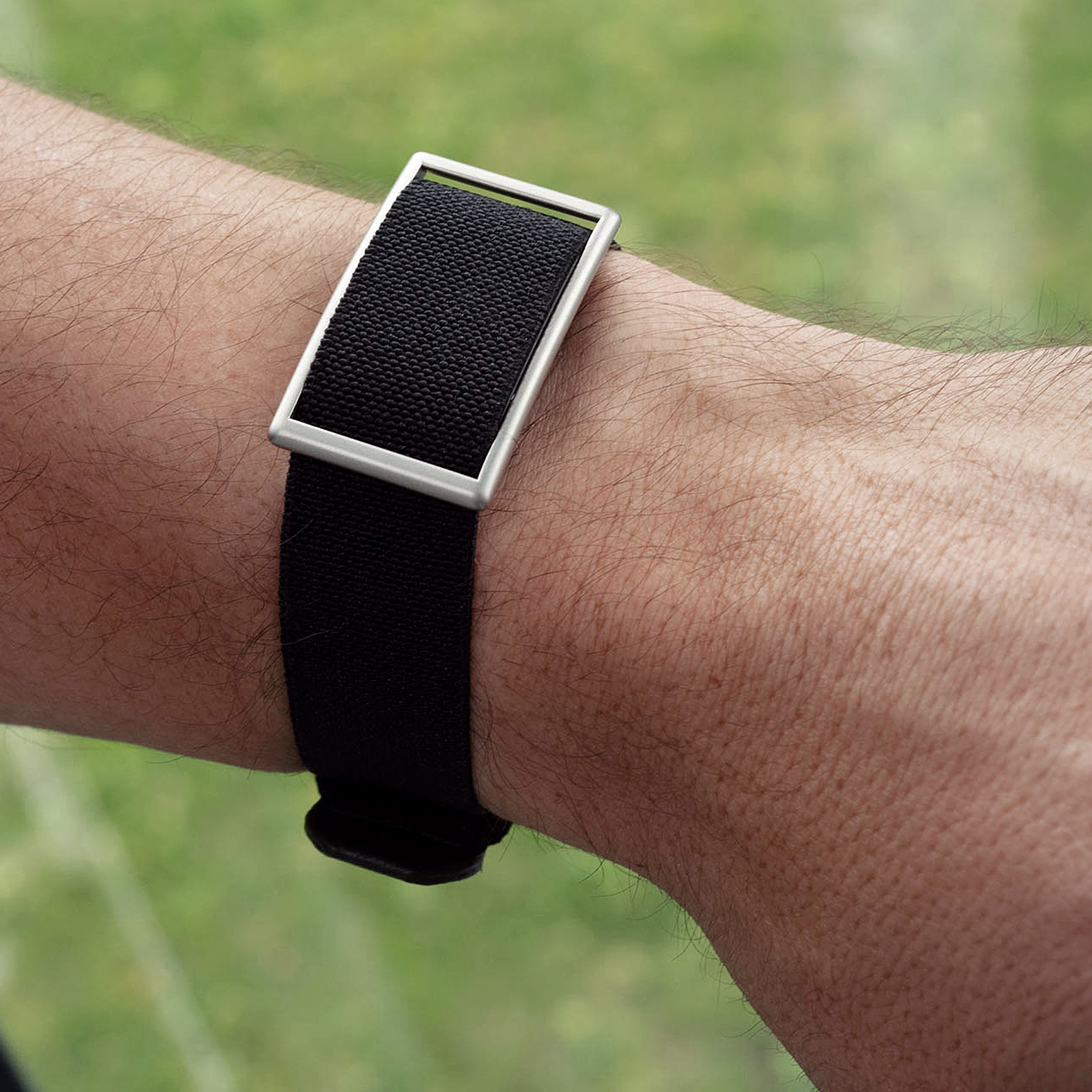
Figure 1: The Corsano CardioWatch 287-2B Medical Smart Bracelet—a compact multi-sensor platform with raw data export capabilities.
Technical Specifications & Data Access Matrix
| Sensor Parameter | Raw Signal Output | Sampling Frequency | Clinical & AI Research Application |
| Photoplethysmography (PPG) | Green, Red & Infrared Raw ADC Voltages | Up to 128 Hz | Continuous SpO2, Pulse Wave Analysis, Respiration Rate, Micro-vascular Tone, Cuffless BP modeling. |
| Electrocardiogram (ECG) | Single-Lead Raw Voltage Signal (mV) | Up to 128 Hz | AFib, PVCs, QTc prolongation, HRV (SDNN, RMSSD), Cardiac Arrest early warning models. |
| 3-Axis Motion (ACC) | Tri-axial Raw Accelerometer Data (g) | Up to 128 Hz | Motion artifact removal, Actigraphy, Fall detection, Frailty assessment, Tremor scoring. |
| Skin Temperature | Calibrated Surface Temperature (°C) | 1 Hz Continuous | Early infection/sepsis detection, Circadian rhythm alteration, Post-surgical fever monitoring. |
| Electrodermal Activity (GSR) | Skin Conductance Response (µS) | Continuous / Event-driven | Autonomic nervous system (ANS) tone, Pain tracking, Neurological & psychological stress research. |
3. Information Gain: Why Unfiltered Raw Signals Outperform Proprietary Black-Box Algorithms
A major risk in enterprise health technology procurement is relying on devices that only output pre-calculated summaries (e.g., "Heart Rate every 60 seconds" or "Sleep Score"). In clinical research and AI model training, these derived metrics introduce severe systemic risks:
- Loss of Micro-Temporal Information: Pre-processed algorithms smooth out subtle physiological variations—such as transient ventricular ectopic beats or sub-clinical respiratory pauses—rendering them invisible to downstream AI classifiers.
- Lack of Algorithmic Reproducibility: Consumer device manufacturers frequently update their firmware and proprietary algorithms without notice. A change in a vendor's internal smoothing filter can invalidate multi-year clinical trial datasets.
- Algorithmic Bias & Skin Tone Variations: Standard PPG algorithms often struggle across diverse skin phototypes. Access to raw multi-spectral (Green, Red, IR) optical data allows research teams to apply adaptive filtering and custom calibration algorithms optimized for equitable, multi-ethnic patient care.
- IP Ownership Lockout: When a health tech vendor owns the underlying feature extraction logic, pharmaceutical and MedTech companies cannot claim proprietary ownership over the digital biomarkers discovered during their clinical trials.

Figure 2: High-resolution, IP-free raw waveform streams accessible via Corsano Data Access APIs and Cloud SDKs.
Complete Data Sovereignty & Open Architecture
Corsano Health guarantees absolute data sovereignty. Through our open REST APIs, WebSockets, and Mobile SDKs (iOS & Android), enterprise users can stream full 128 Hz raw data directly into their own secure cloud infrastructure (AWS, Azure, GCP, or on-premises servers).
Whether you are developing deep learning models for early sepsis onset, validating cuffless continuous blood pressure estimations, or training arrhythmia classifiers, Corsano provides IP-free raw data access—ensuring your team retains 100% of the intellectual property generated during research.
4. Strategic Procurement Trends in Global Healthcare (2025–2030)
Global healthcare procurement is undergoing a paradigm shift driven by rising hospital operational costs, nursing shortages, and the growth of decentralized clinical research. Procurement officers and hospital executives must align their hardware acquisition strategies with four key macro-trends:
Trend A: Transition from Episodic Spot-Checks to Continuous Ward-Wide Monitoring
Traditional general ward protocols rely on nurse spot-checks every 4 to 8 hours. Clinical deterioration occurring between these rounds often goes unnoticed until a acute crisis develops. Modern hospital systems are procuring lightweight, continuous wrist-worn monitors that stream vital parameters straight into Electronic Medical Records (EMR), reducing manual charting burden and enabling automated Early Warning Scores (EWS).
Trend B: Proliferation of Decentralized Clinical Trials (DCTs) & Decentralized Pharma Research
Pharmaceutical sponsors are shifting away from site-centric clinical trials toward hybrid and decentralized models. Acquiring medical wearables with raw PPG/ECG export capabilities allows CROs to gather continuous continuous physiological endpoints while trial participants remain at home, dramatically improving patient retention and dataset richness.
Trend C: Zero-Trust Security & Data Privacy Mandates (GDPR / HIPAA)
As cyber threats against healthcare infrastructure rise, procurement teams are rejecting non-compliant consumer wearables. Modern enterprise procurement requires strict adherence to ISO 13485 quality standards, CE-MDR medical device certification, and end-to-end encrypted transport protocols that meet both European GDPR and US HIPAA mandates.
Trend D: Unified Hardware Across Hospital-to-Home Care Pathways
Hospitals are actively seeking continuous monitoring hardware that seamlessly transitions from inpatient general wards to post-discharge home monitoring. By using the same certified wrist bracelet throughout the patient journey, health systems eliminate patient re-onboarding friction and ensure continuous risk stratification during recovery.
5. Future Technological Trends: The Convergence of Raw Wearable Data & Generative AI
Looking ahead, the integration of high-frequency raw physiological telemetry with generative AI and foundational physiological models will unlock unprecedented clinical capabilities:
- Multi-Modal AI Fusion: Future predictive algorithms will combine continuous raw PPG optical absorption curves, single-lead ECG electrical vectors, and precise tri-axial movement profiles to predict acute cardiac arrest, stroke, and septic shock hours before clinical symptoms manifest.
- Continuous Non-Invasive Cuffless Blood Pressure: By analyzing the exact timing delay between the ECG R-peak and the PPG optical pulse arrival time (Pulse Transit Time / PTT), researchers are training neural networks to monitor beat-to-beat blood pressure continuously without an inflatable arm cuff.
- Digital Twin Modeling in Pharma: Continuous raw vital sign streams enable the creation of "digital patient twins," allowing pharmaceutical R&D teams to simulate drug efficacy, cardiotoxicity, and adverse hemodynamic reactions prior to large-scale human trials.
Integration Ecosystem: APIs, SDKs, and EMR Interoperability
Deploying raw health monitors into hospital IT architecture requires robust, developer-friendly connectivity. Corsano's system architecture supports seamless interoperability:
- Mobile SDKs: Native iOS and Android SDKs permit direct Bluetooth Low Energy (BLE) pairing, on-device raw data buffering, and custom application integration.
- Enterprise REST APIs & WebSockets: Low-latency streaming endpoints for cloud-to-cloud data transfer directly into HL7/FHIR-compliant EMR platforms.
- Research Data Export: One-click bulk export formats including raw CSV, JSON, European Data Format (EDF+), and parquet files optimized for Python, MATLAB, and R data science pipelines.

Figure 3: System architecture illustrating raw data streaming from CardioWatch 287 to mobile applications, enterprise APIs, and hospital dashboards.
6. Enterprise Credentials & Medical-Grade Authority (E-E-A-T)
When procuring health technology, regulatory status and clinical validation define the boundary between a reliable medical system and an unverified consumer gadget. Corsano Health operates under uncompromising quality and compliance standards:
Certifications & Quality Management Systems
- CE-MDR Certification: Fully certified under the European Union Medical Device Regulation (EU MDR 2017/745) by Notified Body Kiwa (CE 0560), proving rigorous safety and efficacy compliance.
- FDA 510(k) Clearance: Cleared by the US Food and Drug Administration for clinical-grade continuous vital signs monitoring in medical environments.
- ISO 13485:2016 Certification: Audited design, development, manufacturing, and post-market surveillance systems tailored specifically for medical devices.
- GDPR & HIPAA Compliance: Built with enterprise-grade AES-256 encryption at rest and TLS 1.3 in transit, backed by rigorous data processing agreements.
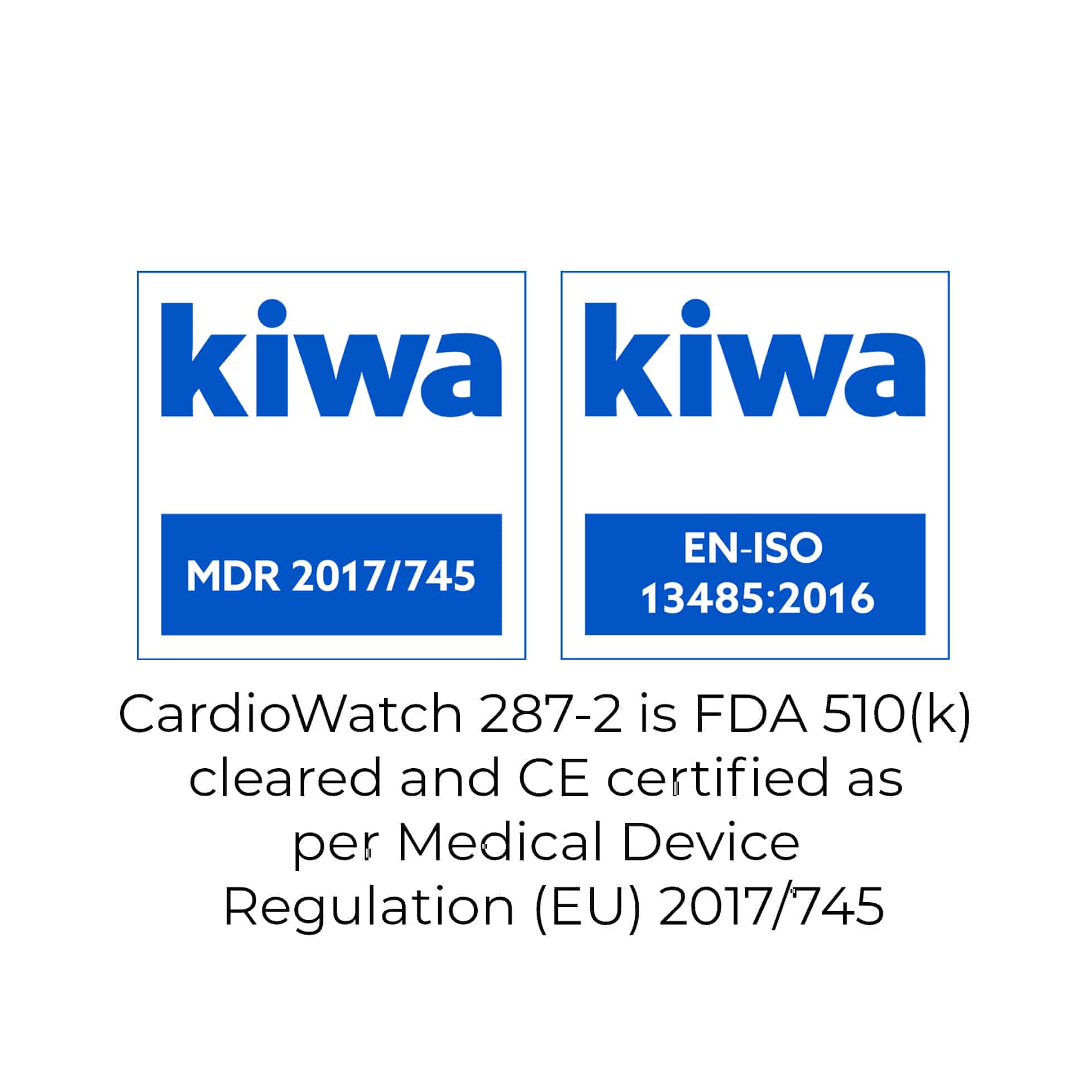
Figure 4: Verified Kiwa Notified Body CE-MDR Medical Device Certification.
Proven Track Record at Global Scale
Corsano Health's monitoring platform has been deployed across prestigious healthcare networks, clinical research organizations, and pharmaceutical consortia globally:
- 10,000+ Medical devices produced under strict ISO 13485 quality standards.
- 35+ Hospital networks utilizing CardioWatch for ward monitoring and post-discharge pathways.
- 200+ Clinical trials supported in cardiology, oncology, neurology, and immunology.
- 400+ Billion Continuous physiological data points collected and processed worldwide.
Strategic Industry & Clinical Partners
Our commitment to open collaboration has established Corsano as a trusted wearable partner for global MedTech leaders, university hospitals, and research initiatives:
Key Clinical Consortia & European Research Initiatives
DETECT Consortium (Cardiac Arrest Early Warning)
In partnership with Radboud UMC, Erasmus MC, and Amsterdam UMC, CardioWatch 287 raw signal access is utilized to train early-warning AI models for predicting and rapidly detecting out-of-hospital cardiac arrest events.
Watch-It Project (Horizon 2020)
Clinical validation of 24/7 continuous cardio-respiratory monitoring in patients at high risk of cardiovascular failure, conducted alongside Oslo University Hospital and the University of Gothenburg.