1. Transition from Siloed Telemetry to Universal EMR Native Workflows
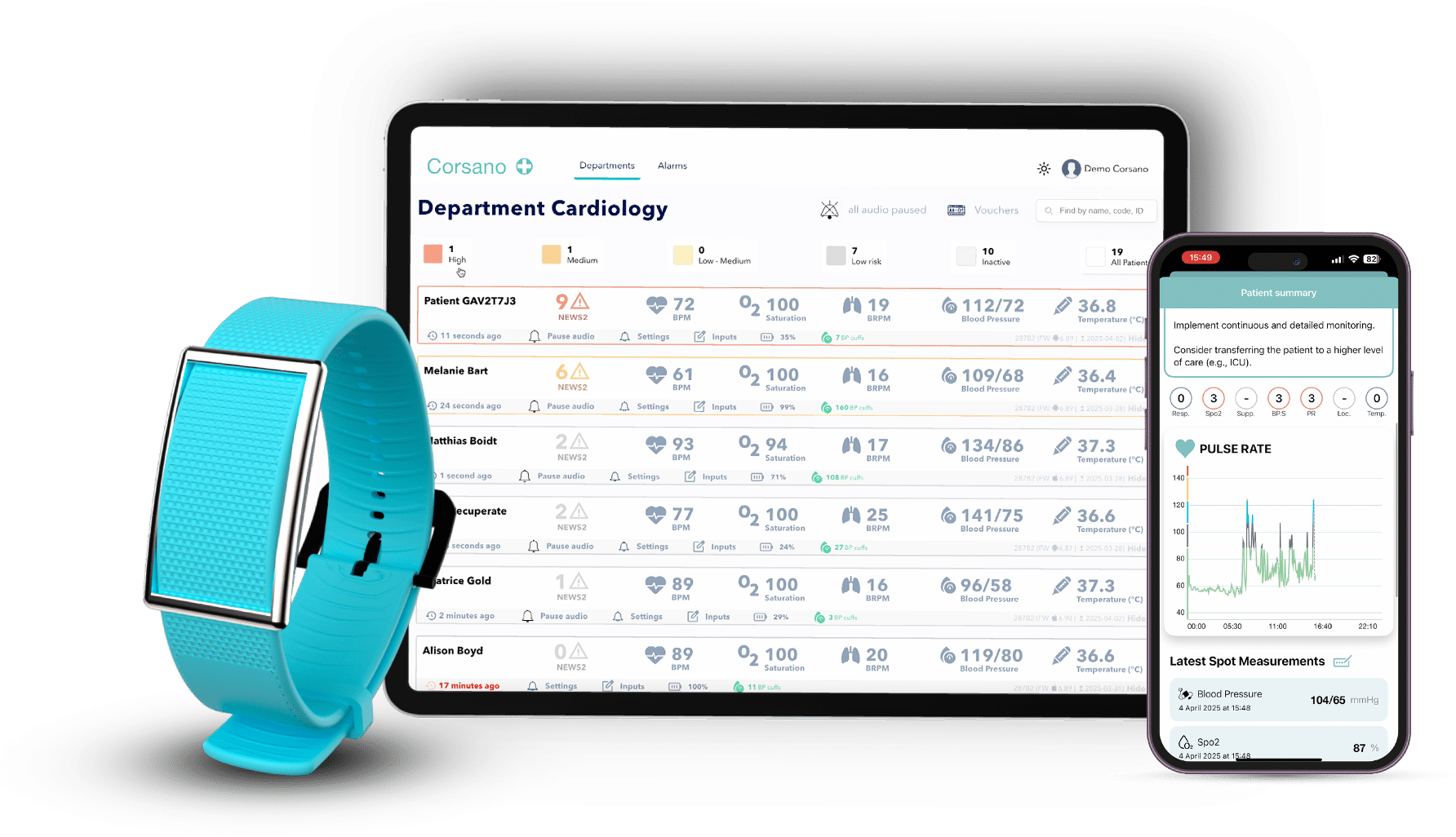
Historically, hospital procurement teams purchased standalone patient monitoring systems for intensive care units (ICUs) and telemetry wards. However, these proprietary systems isolated data within dedicated vendor software screens. The future of healthcare procurement requires continuous monitoring technologies to act as "headless" sensing hardware that streams physiological metrics straight into the primary EMR dashboard. Global health systems are standardizing on vendors that offer turnkey HL7 FHIR integration out of the box, reducing software sprawl and eliminating licensing fees for redundant monitoring interfaces.
2. Interoperability Mandates and Open API Architectures
Governments and healthcare regulatory bodies across North America and Europe (e.g., US ONC Cures Act mandates and EU EHDS guidelines) strictly penalize data blocking. Procurement evaluation rubrics now place heavy weighting on open API access. Forward-thinking procurement officers reject closed-ecosystem wearables that lock data inside proprietary clouds. Instead, they require unrestricted access to high-frequency raw data (such as raw PPG optical waveforms and ECG signals sampled up to 128 Hz) so that internal hospital data science teams can build custom machine learning algorithms for risk stratification.
3. Unified Admission-to-Home Monitoring Pathways
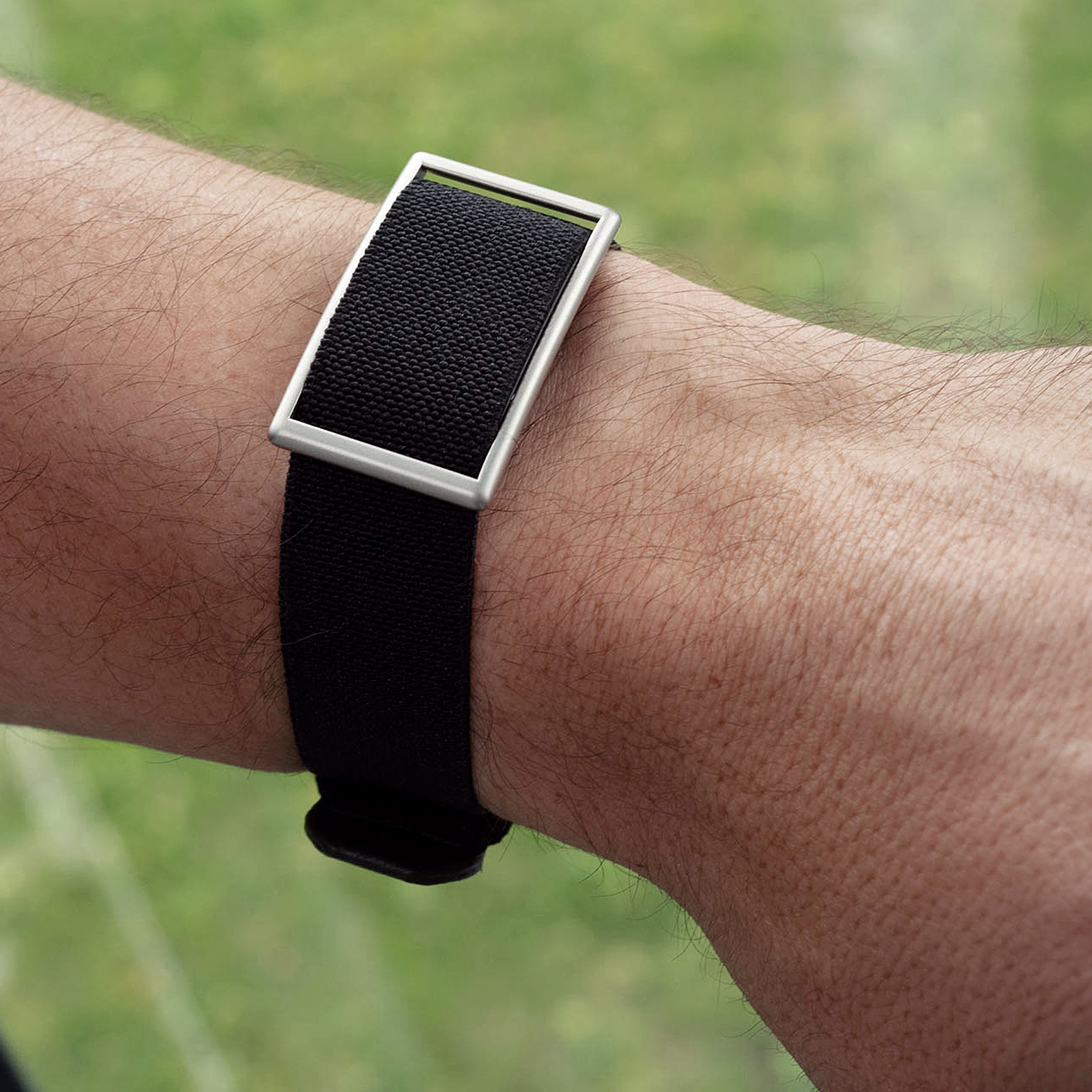
Hospital-at-Home (HaH) initiatives and post-discharge recovery programs demand device continuity. Hospitals no longer want to issue cabled bedside monitors during inpatient stays and then switch patients to a separate consumer-grade patch after discharge. The emerging procurement paradigm favors single, lightweight, medical-grade wrist-worn bracelets that transition seamlessly from hospital Wi-Fi/Bluetooth gateways to cellular-connected home gateways without re-onboarding the patient or disrupting the central EMR patient record.
4. AI-Driven Alarm Reduction and Contextual Deterioration Risk Scoring
Alarm fatigue remains one of the greatest operational hazards in modern hospitals, leading to desensitized nursing staff and delayed interventions. Next-generation procurement specs demand continuous monitoring platforms equipped with multi-parameter signal fusion. By combining heart rate, respiration rate, SpO2, skin temperature, and motion artifacts into a unified Early Warning Score (EWS), platforms drastically reduce false positives compared to single-parameter thresholds.