Market Outlook 2025–2030 Future Procurement Trends in Pharmaceutical Digital Biomarkers
As global pharmaceutical companies transition from exploratory wearable pilots to fully integrated Phase II/III pivotal trials, procurement criteria are undergoing a fundamental transformation. Procurement leaders, clinical operation heads, and Chief Digital Officers are moving away from ad-hoc consumer wearables toward standardized, enterprise-grade biomarker infrastructure. Below are the five dominant procurement trends shaping the industry:
1. Shift from Closed-Box Metrics to Raw Waveform Data Rights
Historically, pharma sponsors utilized consumer smartwatches that provided aggregate daily metrics (e.g., average heart rate or estimated sleep hours). However, regulators such as the FDA and EMA require full traceabilty and verification of digital measurement methodologies. Procurement teams now mandate vendor contracts that guarantee raw signal access (unfiltered PPG, ECG, and accelerometry). Access to raw signals at 128 Hz ensures that algorithms can be re-analyzed historically if analytical pipelines evolve over a multi-year trial lifetime.
2. Mandated Medical Device Regulations (MDR & FDA Clearance)
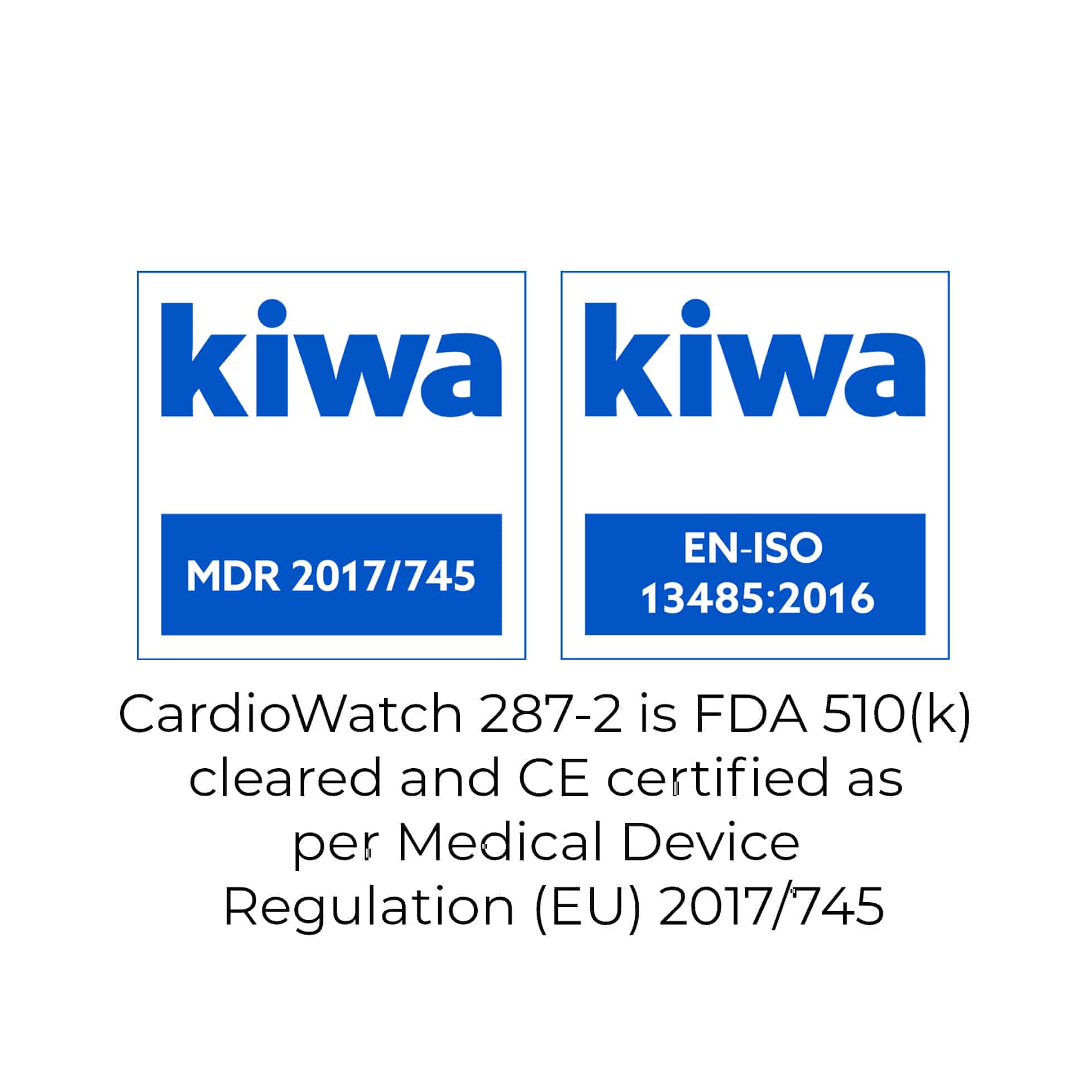
Regulatory authorities are scrutinizing data origin in clinical trials. Data originating from non-regulated consumer wearables faces significant challenges during NDA (New Drug Application) or BLA (Biologics License Application) reviews. Procurement mandates now demand verified Class IIa CE-MDR certification under EU Regulation 2017/745 and FDA 510(k) clearances. Medically certified hardware guarantees validated sensor accuracy, bio-compatibility, and rigorous post-market surveillance protocols.
3. Seamless Interoperability with EDC, eCOA, and AI Pipelines
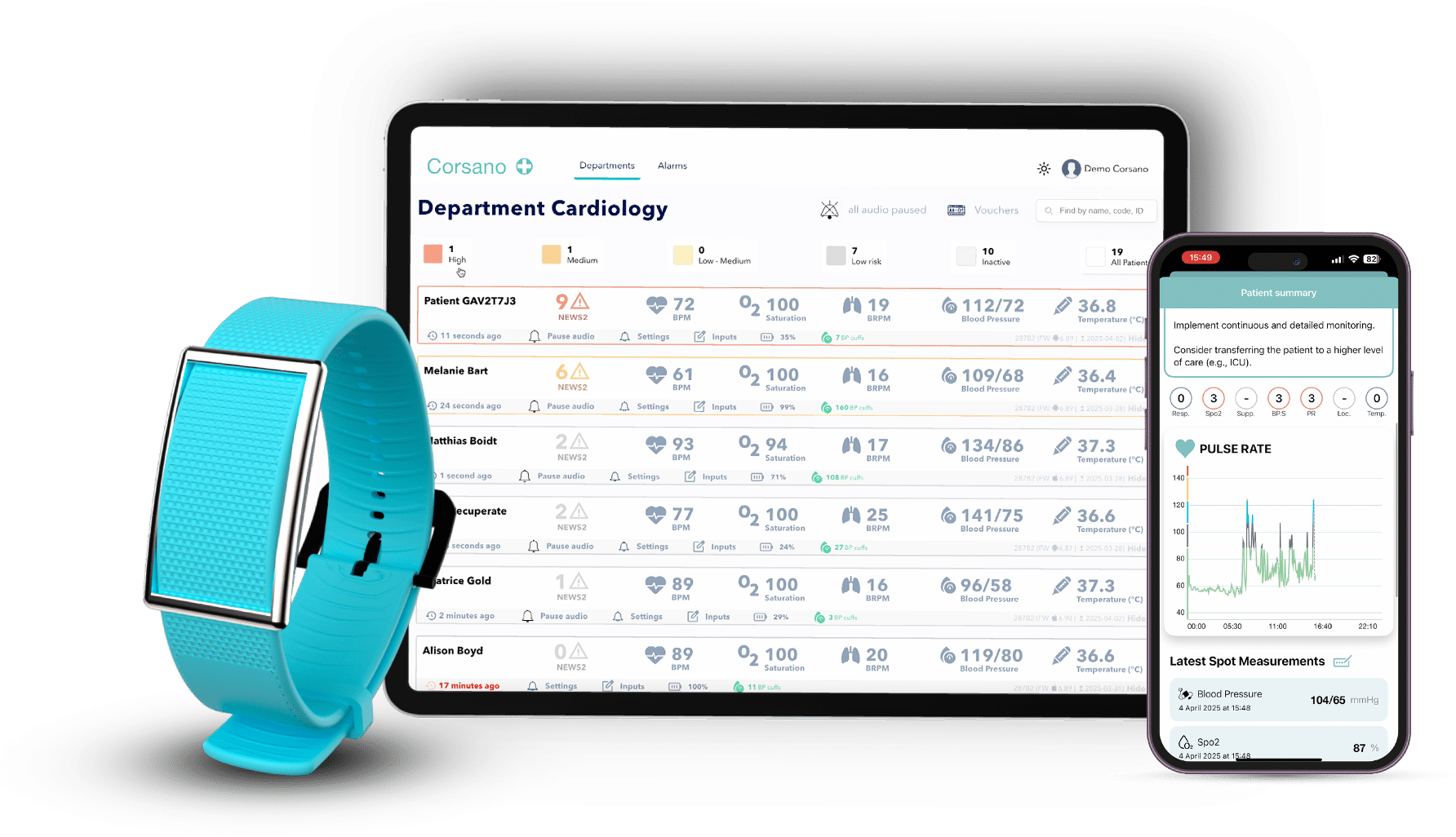
Isolated data silos are no longer acceptable. Modern procurement processes prioritize digital biomarker platforms that offer turn-key integrations into Electronic Data Capture (EDC) systems such as Medidata Rave, Veeva Vault, and Oracle Health Sciences. Furthermore, APIs must support streaming data directly into cloud analytics platforms (AWS HealthOmics, Azure Health Data Services) to power real-time AI and synthetic control arm (SCA) modeling.
4. Zero-Friction Patient Centricity and Retention Optimization
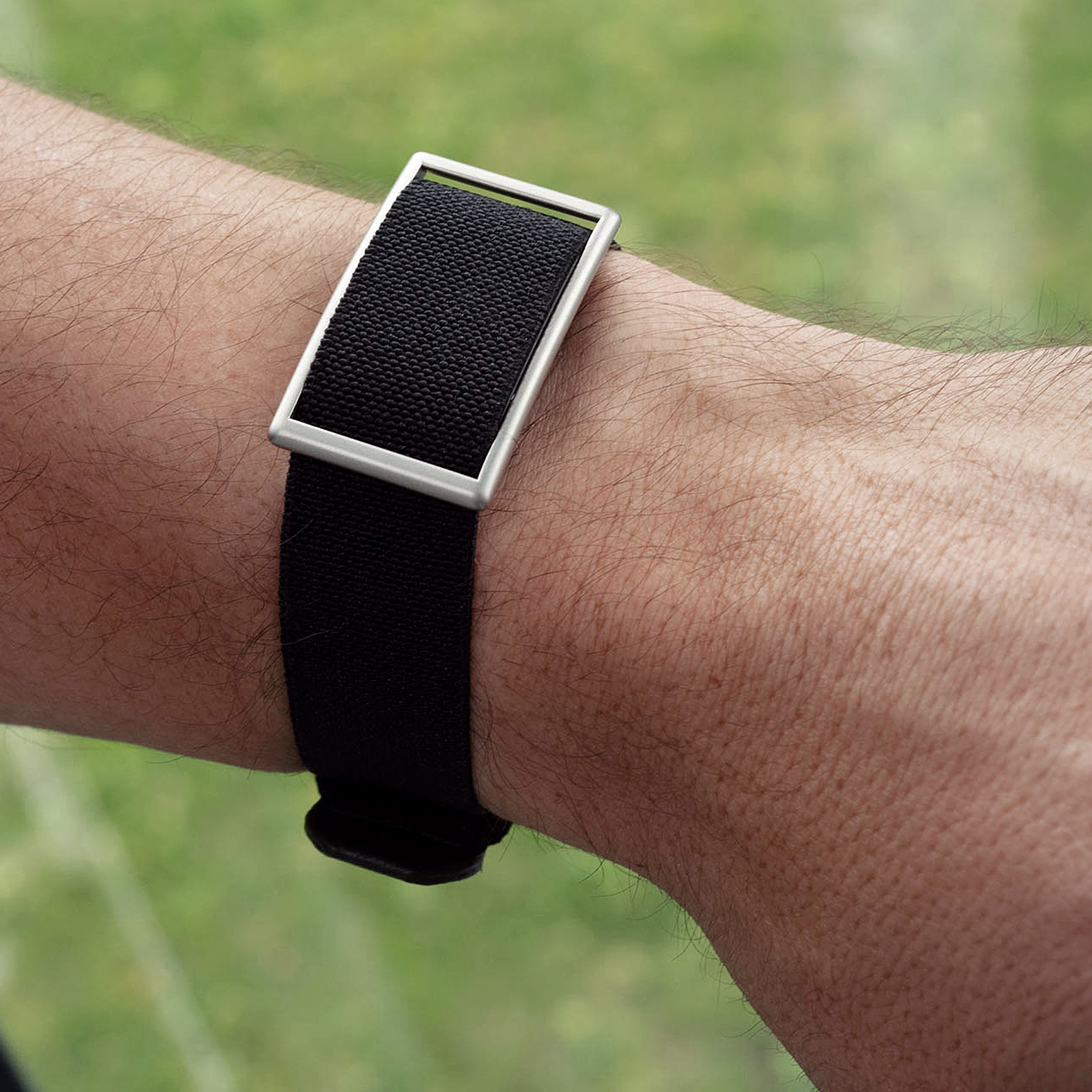
Patient drop-out remains one of the largest costs in clinical trials. Procurement evaluation teams rigorously evaluate device ergonomics, battery performance, and operational simplicity. Wearables requiring frequent charging, manual Bluetooth pairing, or complex patient inputs experience steep drop-offs in patient compliance. Wrist-worn form factors with passive continuous data collection and multi-day battery life ensure subject compliance rates exceeding 90% over extended trial durations.
5. End-to-End Data Sovereignty and Security Compliance
With clinical trials spanning North America, Europe, and Asia-Pacific, procurement teams require strict compliance with regional data sovereignty frameworks, including EU GDPR, US HIPAA, and China Human Genetic Resources (HGR) regulations. Enterprise biomarker platforms must implement robust pseudonymization, encrypted end-to-end data transit (TLS 1.3), and zero-trust cloud architectures.