1. Transition from Standalone Gadgets to Certified Medical Ecosystems
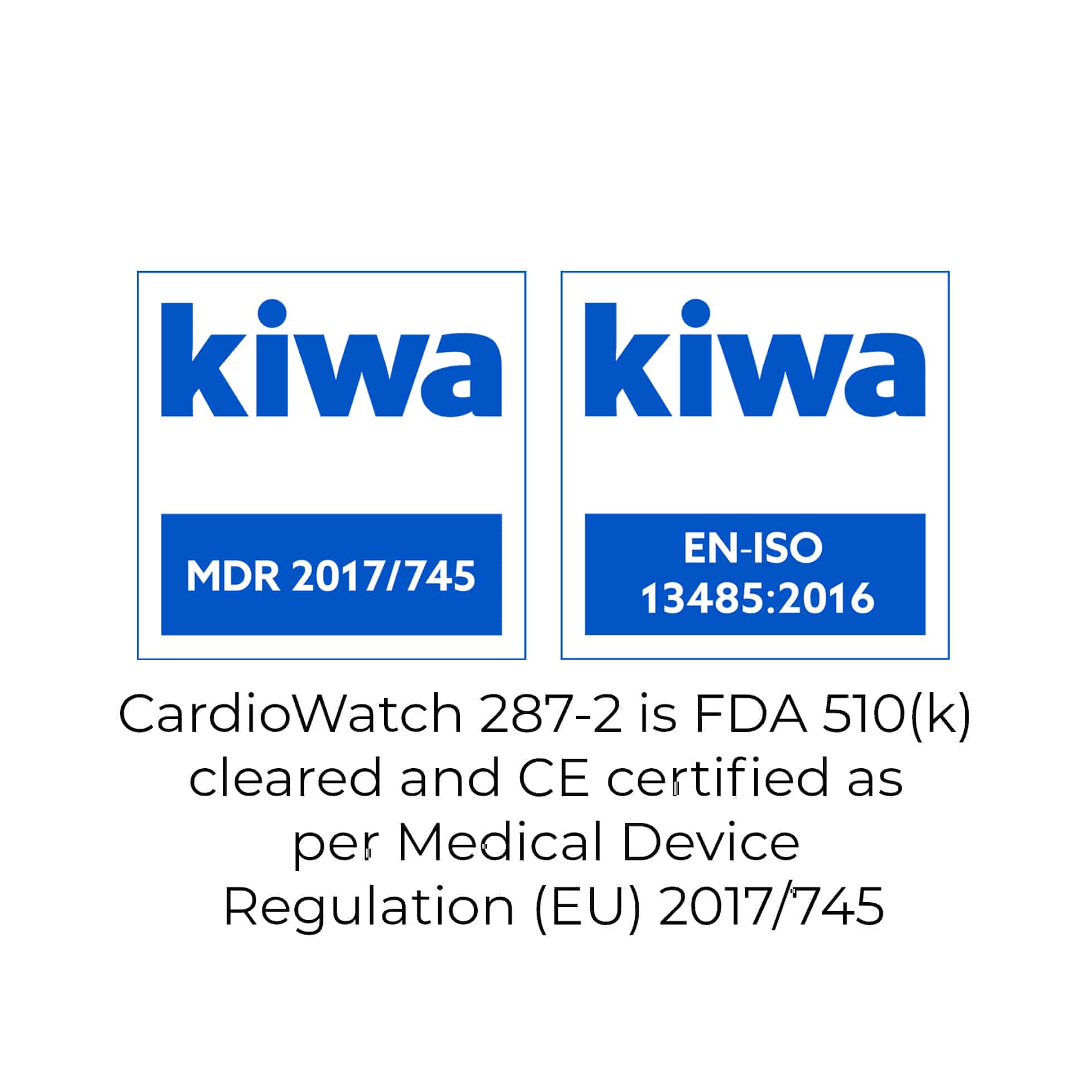
Procurement departments are strictly sunsetting "consumer-grade wellness trackers adapted for health use." Regulatory scrutiny under the EU Medical Device Regulation (CE-MDR Class IIa/IIb) and US FDA 510(k) clearances has made certified medical status a mandatory gating requirement. Hospitals now require audited ISO 13485 manufacturing lineage, verifiable software lifecycle management, and clear clinical validation against gold-standard ICU reference monitors.
2. Shift from Single-Parameter Threshold Alarms to Multi-Variate Sensor Fusion
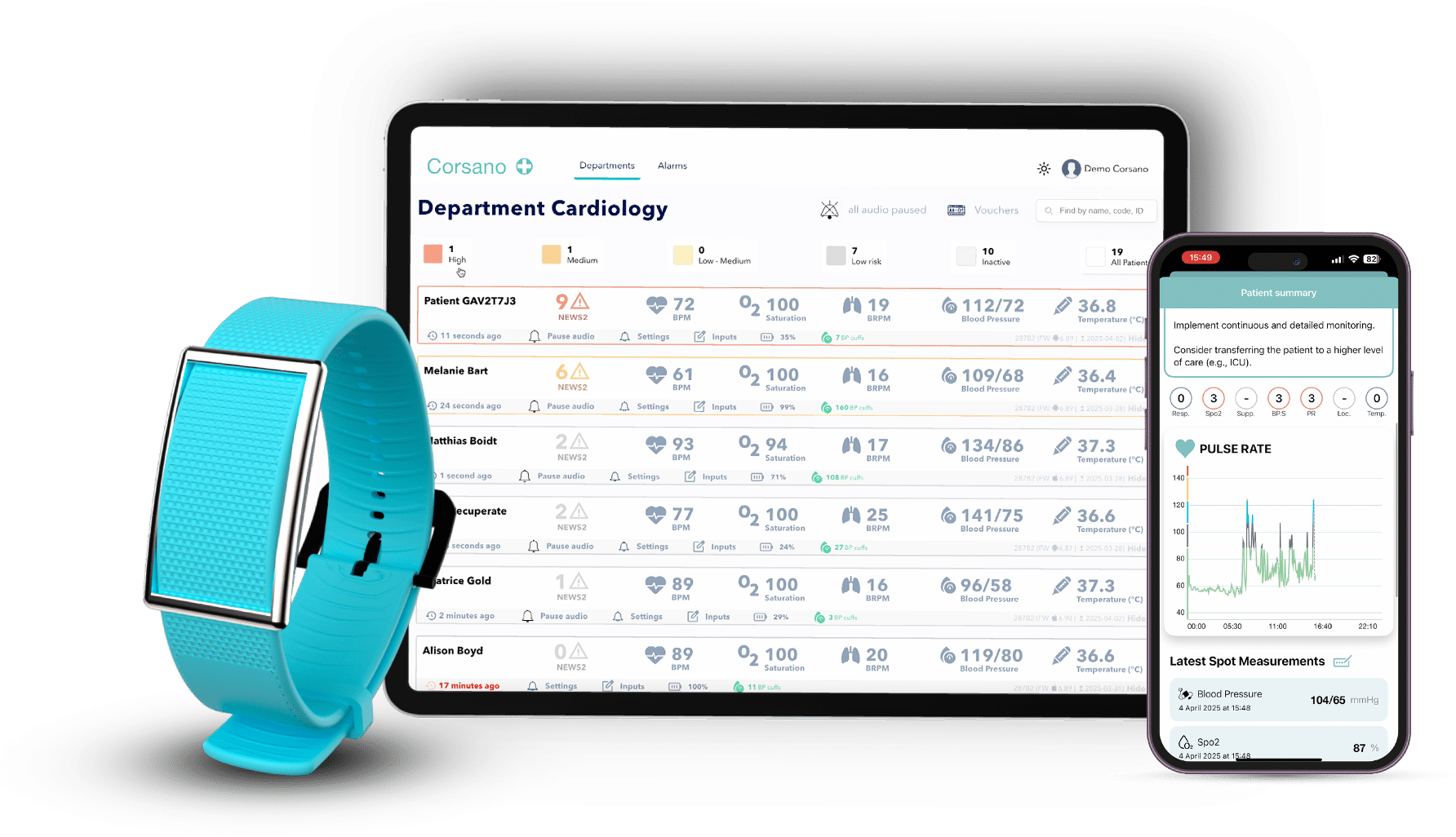
Legacy bedside monitors rely on static threshold alerts (e.g., sound alarm if HR > 100 bpm). This creates severe alarm fatigue, with up to 90% of ward alarms being clinically non-actionable. Future procurement specifies sensor fusion algorithms that cross-analyze trend trajectories—such as elevated respiration rate combined with a drop in peripheral perfusion and a loss of HRV—to calculate dynamic risk indices (e.g., continuous NEWS2) before triggering escalation.
3. The Mandate for Open API and IP-Free Raw Signal Ownership
Hospitals and academic medical centers refuse to be locked into proprietary data silos. Global tenders increasingly mandate open REST APIs, mobile SDKs, and raw signal export capabilities (PPG/ECG waveforms at 128 Hz). Healthcare systems seek ownership of their patient data to feed internal predictive AI engines and participating clinical trial databases without paying recurring data extraction fees.
4. Expansion of the Care Envelope: Hospital-to-Home Sepsis Telemetry
With early post-operative discharge pathways accelerating globally, 30-day readmissions due to surgical site infection and late-onset sepsis represent major financial penalties for health systems. Procurement is shifting toward single-wearable form factors that transition seamlessly from ward admission to post-discharge home monitoring, utilizing the same device, patient interface, and gateway infrastructure.