
Insights & News

Corsano Health Blog & Industry Insights

Stay updated with expert articles, scientific publications, clinical study findings, and digital biomarker innovations in continuous patient monitoring.

0%

Choosing a Post-Discharge Ambulatory Care Monitor is not simply a technology purchase. It is a patient-safety decision made after clinical attention becomes less visible. At home, a patient may experience rising blood pressure, irregular heart rhythm, falling oxygen saturation, or unusual fatigue. A reliable monitor can help care teams notice meaningful changes before they become emergencies. Still, no device replaces clinical judgment.

Eric Topol, a physician and digital medicine authority, has described the smartphone as “the stethoscope of the future.” His observation reflects a wider shift toward connected, patient-centered care. However, a monitor must do more than collect numbers. It should provide clinically useful data, clear alerts, secure transmission, and practical workflows for nurses and physicians. Accuracy matters most during ordinary home routines, such as walking to the kitchen or sleeping after surgery.

This buying guide examines sensor quality, measurement consistency, battery life, comfort, connectivity, dashboard design, and integration with existing care systems. It also considers onboarding, technical support, and patient readability. These details often determine whether a device is used correctly. Small barriers become large failures after discharge.

The best choice depends on the patient population, clinical pathway, and response capacity. A highly advanced device may create unnecessary complexity. A simpler product may miss important signals. That tension deserves honest review. Some evidence may remain limited, especially across diverse home environments. Buyers should therefore compare published validation data with real-world experience, not marketing claims. A thoughtful Post-Discharge Ambulatory Care Monitor supports earlier intervention while respecting patient independence, privacy, and the practical limits of outpatient care.
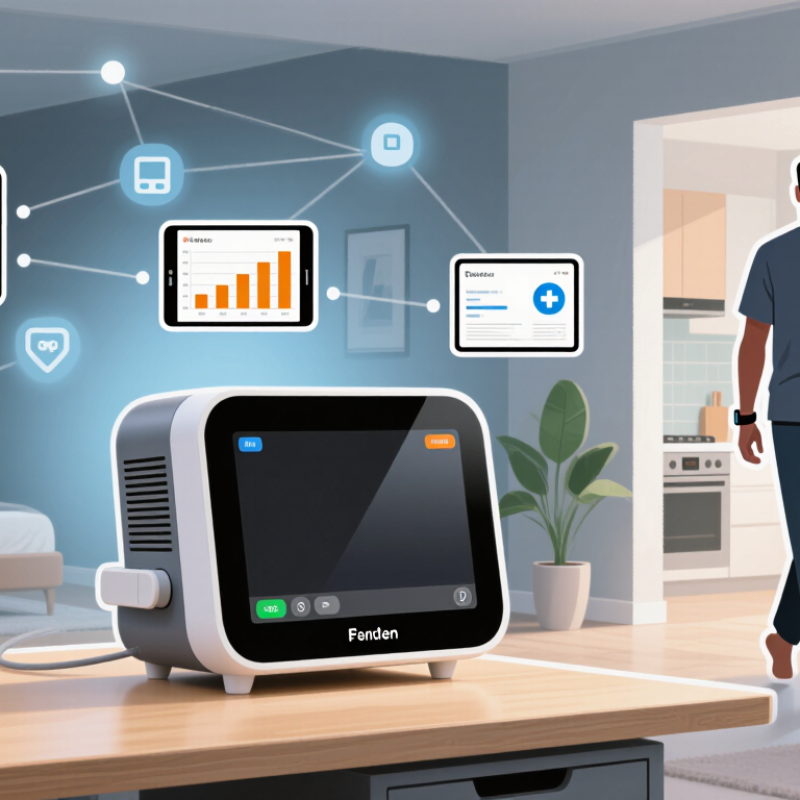
Top Post Discharge Ambulatory Care Monitor Buying Guide

Understanding Post-Discharge Ambulatory Care Monitoring Needs

Post-discharge monitoring begins with clinical risk, not hardware. A quiet apartment can hide worsening breathlessness, dizziness, infection, or medication confusion. AHRQ’s HCUP Statistical Brief reported that readmissions represented 17.8% of inpatient stays in 2014. They also generated approximately US$41.3 billion in hospital costs. Those figures show why the first weeks after discharge deserve structured attention.

Start with risk. A patient with heart failure may need daily weight and symptom checks. Another patient may need blood pressure, glucose, temperature, or wound images. Monitoring should capture changes that clinicians can act on, not simply collect attractive numbers. The World Health Organization estimates medication-related harm costs about US$42 billion globally each year. Clear medication reconciliation and reminder workflows therefore matter as much as sensors. Connectivity also matters. Delayed uploads can turn an early warning into yesterday’s news.

A practical buying guide should examine accuracy, battery life, accessibility, alert thresholds, and staff workload. The patient should manage the device with tired hands and limited technical confidence. Care teams need trend views, escalation rules, and documented response times. Privacy controls require equal attention. No monitor removes uncertainty. A threshold can be wrong. Our own workflow may miss a patient who stops measuring, and that uncomfortable possibility deserves testing. Small pilot programs, including failed alerts and missed readings, reveal more than a polished demonstration.

Key Features to Compare in Ambulatory Care Monitors

Post-discharge ambulatory care monitors must fit real recovery, not just impress during procurement.

The American Heart Association’s 2024 Statistical Update reports over 356,000 emergency medical service-assessed out-of-hospital cardiac arrests annually in the United States. That risk supports continuous observation for selected patients. However, monitoring should match clinical need.

Compare ECG accuracy, lead configuration, pulse oximetry, non-invasive blood pressure, temperature, and respiratory-rate detection.

Check performance during walking, sweating, loose contact, and low perfusion. A monitor with many sensors can still create poor data. Battery life matters too. Aim for at least a full day under typical transmission settings. Clear alarms matter more than loud alarms. Adjustable thresholds can reduce unnecessary calls and patient anxiety.

Connectivity deserves careful testing.

Confirm cellular, Wi-Fi, offline storage, automatic data transfer, and electronic-record compatibility. The World Health Organization’s World Health Statistics 2024 reports that noncommunicable diseases caused 74% of global deaths in 2021, increasing pressure for dependable long-term follow-up.

Cybersecurity, role-based access, audit trails, and encrypted transmission should appear in the specification. Ask how quickly clinicians receive abnormal readings. Ask who responds overnight. These details are easy to miss.

Comfort is clinical performance.

A heavy patch may reduce adherence. In practice, perfect signal quality is rare. Procurement teams should review validation reports, cleaning instructions, skin-contact materials, and technical support response times.

I would also test the device with older adults before approval. A technically advanced monitor can fail if patients cannot charge it, wear it, or understand its alerts.

Choosing the Right Monitor for Patients and Care Teams

Choosing a post-discharge monitor is a care-team decision, not a gadget decision. The best option fits the patient’s condition, home routine, and clinical pathway. A blood-pressure cuff may support hypertension follow-up. A pulse oximeter may help selected respiratory patients. Some patients need both.

Keep the workflow visible. A nurse should see trends, not scattered numbers. Alerts must identify urgency, timing, and the person responsible for follow-up. The 2024 MedPAC Report found that 15.7% of Medicare hospital discharges led to readmission within 30 days in 2022. This makes timely monitoring clinically relevant, although monitoring alone cannot prevent every return to hospital. The American Medical Association’s 2022 Digital Health Study reported that 93% of physicians saw advantages in digital health tools. Yet interest does not equal successful implementation.

Look for validated measurements, simple setup, accessible instructions, and secure data transfer. Test whether an older adult can apply the sensor correctly in a quiet bedroom. Check battery life, cellular access, language support, and replacement procedures. A short video may work better than a dense manual. Very practical.

Care teams should also define escalation thresholds before enrollment. Otherwise, frequent alerts can exhaust staff and confuse patients. No monitor is perfect. Motion, poor circulation, anxiety, and incorrect placement can distort readings. Our first device choice may still be wrong. Review alert volume, missed readings, and patient feedback after several weeks. Then adjust the pathway, not just the equipment.

Top Post Discharge Ambulatory Care Monitor Buying Guide - Choosing the Right Monitor for Patients and Care Teams

Comparison of commonly used post-discharge ambulatory monitoring options
Monitor Type Primary Measurements Typical Measurement Range or Standard Recommended Measurement Pattern Best Suited For Care-Team Value Patient Usability Considerations Priority When Buying
Automated Upper-Arm Blood Pressure Monitor Systolic blood pressure, diastolic blood pressure, pulse rate Common adult cuff ranges cover approximately 22–42 cm arm circumference; accuracy should be clinically validated for the intended population One to two readings in the morning and evening, or according to the discharge plan; take two readings about one minute apart when instructed Patients recovering from cardiovascular conditions, hypertension-related admissions, surgery, or medication changes Supports trend review, medication follow-up, and identification of persistently elevated or low readings Upper-arm devices are generally preferred over wrist devices; correct cuff size and seated rest are essential for meaningful readings High
Pulse Oximeter Peripheral oxygen saturation, pulse rate Commonly displays oxygen saturation from 70–100% and pulse rate from approximately 30–250 beats per minute; readings can be affected by motion, cold fingers, and poor circulation As directed for respiratory conditions; measure after resting and repeat unexpected results after checking finger placement and signal quality Patients discharged after respiratory illness, oxygen therapy, pulmonary procedures, or exacerbations of chronic lung disease Helps identify changes in oxygenation when interpreted with symptoms and the patient’s prescribed target range Small, portable, and simple to use; patients need clear instructions that a reading should not be interpreted without symptoms and clinical context High for respiratory-risk patients
Digital Thermometer Body temperature Typical clinical thermometers cover approximately 32–43°C or 90–109°F; measurement accuracy depends on the site and device design Measure when fever, chills, infection symptoms, or clinical concern occurs; use the same measurement site consistently Patients recovering from infection, cancer treatment, invasive procedures, or surgery Provides an objective temperature trend for triage and escalation decisions Fast readings and low cost; oral, temporal, ear, and axillary methods are not interchangeable and should be explained clearly High when infection monitoring is required
Digital Weight Scale Body weight Many home scales measure approximately 5–180 kg or 11–400 lb; resolution commonly ranges from 0.1–0.2 kg or 0.2–0.5 lb Daily or several times per week, ideally at the same time, on the same scale, and under similar clothing conditions Patients at risk of fluid retention, including some heart failure, kidney disease, or liver disease populations Weight trends may support early review of fluid-status changes when combined with symptoms and the care plan Requires a stable, level surface and safe standing ability; accessibility and fall risk should be assessed before prescribing routine use High for fluid-management pathways
Single-Lead Portable ECG Device Single-lead electrocardiogram recording and heart rate Often records a short rhythm strip, commonly around 30 seconds; it is not a replacement for a diagnostic 12-lead ECG Use when symptoms such as palpitations occur or at scheduled intervals defined by the care team Patients with intermittent palpitations, suspected rhythm concerns, or follow-up needs after an arrhythmia-related encounter Can provide time-stamped rhythm information for clinician review and may reduce reliance on symptom memory Requires correct contact placement, a steady posture, and sufficient signal quality; interpretation should remain with qualified professionals Medium; pathway-dependent
Continuous ECG Patch Monitor Continuous heart rhythm data and heart rate; some systems also estimate activity or other signals Common wear periods range from approximately 2–14 days, depending on the prescribed monitoring objective and device design Continuous recording during the prescribed wear period, with symptom events marked when possible Patients with suspected intermittent arrhythmias, unexplained syncope, or episodic symptoms Captures events that may be missed by occasional spot checks and enables structured rhythm analysis Adhesive tolerance, skin care, bathing restrictions, charging or replacement procedures, and timely return logistics must be planned Medium; specialist-directed
Multi-Parameter Remote Monitoring Kit Usually combines two or more of blood pressure, pulse oximetry, temperature, weight, symptoms, or activity Measurement limits and accuracy depend on each included device; every component should be validated for its intended use Daily or condition-specific schedule, with automated reminders and exception-based review where available Patients with multiple chronic conditions or care pathways requiring coordinated home measurements Creates a consolidated view of trends and can reduce fragmented data collection across separate devices More equipment can increase setup burden; onboarding, technical support, replacement supplies, and caregiver involvement are important High for coordinated programs
Connected Cellular Monitor Depends on the attached measurement device; transfers readings through a cellular connection Usually designed to work without patient Wi-Fi; network availability must be confirmed in the patient’s location Scheduled readings with automatic transmission after measurement Patients with limited internet access, low digital confidence, or a need for simplified data transmission Reduces dependence on smartphones and may improve continuity of data delivery after discharge Requires charging or battery replacement and clear instructions for indicator lights, connectivity, and troubleshooting High when Wi-Fi access is unreliable
Bluetooth-Connected Monitor Depends on the connected device; transfers readings to a smartphone or tablet Effective range is commonly around 5–10 meters in open indoor conditions, but walls and interference can reduce performance Scheduled readings synchronized through a compatible mobile application Patients who own a compatible smartphone or tablet and can complete app-based setup Supports automatic data capture, timestamps, patient-generated notes, and trend visualization Requires device compatibility, Bluetooth permissions, app literacy, and a reliable charging routine Medium; digital-readiness dependent
Manual Logbook or Paper Backup Patient-recorded values, symptoms, medication use, and contextual notes No device accuracy; quality depends on the measurement device, patient technique, completeness, and timing of entries Use alongside electronic monitoring or when connectivity and device transmission fail Patients who prefer paper records, lack connectivity, or need a backup workflow Preserves a record for follow-up when electronic data are unavailable Simple and inexpensive, but transcription errors, missed entries, and unclear timestamps are common risks Low as a primary method; useful as backup
Data Platform and Alert Workflow Aggregated measurements, symptom responses, timestamps, adherence, and alert status Should support configurable thresholds, escalation rules, audit trails, role-based access, and exportable reports Continuous dashboard review or scheduled review according to staffing, risk level, and clinical protocol Care teams managing multiple discharged patients across a structured remote-monitoring program Turns individual readings into actionable work queues and documents response to abnormal trends Patients need understandable feedback; care teams need defined ownership, response times, and escalation pathways High for scaled programs
Selection note: Choose devices that match the patient’s clinical pathway, physical abilities, living environment, connectivity, and care-team response capacity. Abnormal readings should be interpreted according to the discharge plan and clinical symptoms rather than by device data alone.

Evaluating Accuracy, Usability, Connectivity, and Data Security

Choosing a post-discharge ambulatory monitor requires more than a sleek screen. In clinical use, accuracy begins with validated methods, correct sensor placement, and clear error alerts. Compare performance with recognized protocols, such as ISO 81060-2 for automated blood-pressure devices. Ask for independent validation, not only supplier claims. The World Health Organization’s Adherence to Long-Term Therapies report estimates that adherence for chronic conditions averages about 50% in developed countries. Reliable home readings can reveal deterioration earlier, but only when patients can use the device correctly.

Usability appears at 7 a.m., when a tired patient pairs the sensor beside a kitchen table. Large controls, audible confirmation, simple charging, and offline storage matter. Test pairing after a router restart. Test it again with weak cellular service. Data should reach clinical workflows through documented APIs, timestamps, and patient identity checks. The 2024 Interoperability Standards Advisory highlights standardized exchange, yet real-world care transitions still expose gaps. That deserves attention.

Security needs equal weight. Encryption in transit and at rest, role-based access, audit logs, strong authentication, and deletion rules should be documented before purchase. The 2024 Cost of a Data Breach Report places the average healthcare breach at 9.77 million dollars, the highest among measured industries. Ask where data are stored, who can export them, and how incidents are disclosed. No device is perfect. I would record false alarms, missed readings, and caregiver confusion during a short pilot. Those flaws may reveal more than a polished demonstration.

Planning Setup, Training, Maintenance, and Ongoing Support

Top Post Discharge Ambulatory Care Monitor Buying Guide

Planning should begin with the patient’s home routine, not the device’s feature list. Identify who will apply the monitor, review readings, and respond to alerts. Confirm its measurement range, comfort, battery life, and data transfer method. Ask for documented validation and clear instructions. A monitor that is difficult to use may produce unreliable readings. That risk is easy to underestimate.

Setup needs a written workflow. Test the device before discharge, record its serial details, and confirm the patient’s contact information. Training should include hands-on practice with simulated readings. Show patients how to position the cuff, replace sensors, charge the unit, and report problems. Staff also need escalation training. Real homes are less controlled than clinics. Our plans may still miss that reality. A short follow-up call can reveal confusing steps quickly.

Tips: Keep one-page instructions near the charging area. Use plain language and large labels. Schedule maintenance checks for batteries, cables, sensors, and software. Record every check. Ask support teams about response times, replacement procedures, training materials, and secure data handling. Avoid vague promises. Written service terms are more dependable. Review alert settings regularly, because excessive alarms can cause fatigue. A monthly audit can compare device readings with clinical measurements. If differences appear, pause routine use and investigate the cause. Feedback from patients and nurses should guide revisions, even when the original setup seemed complete.

FAQS

Which measurements should an ambulatory care monitor provide?

Compare ECG, oxygen saturation, non-invasive blood pressure, temperature, and respiratory-rate detection. Match them to clinical needs.

How should accuracy be tested outside the clinic?

Test readings during walking, sweating, loose contact, and low circulation. Real homes are messy.

How long should the battery last?

Aim for a full day under normal transmission settings. Charging failures can interrupt important data.

What makes an alert system useful?

Clear, adjustable thresholds matter more than loud alarms. Too many alerts may increase anxiety and alarm fatigue.

Which connectivity features need checking?

Confirm cellular and Wi-Fi options, offline storage, automatic transfer, and electronic-record compatibility.

How should patient data remain protected?

Require encrypted transmission, role-based access, audit trails, and secure handling procedures. Ask who can view each reading.

What training should patients receive before discharge?

Patients should practice positioning the cuff, replacing sensors, charging the monitor, and reporting problems.

How can comfort affect clinical performance?

Heavy patches or confusing alerts may reduce adherence. A device can be technically excellent but practically unsuitable.

What should staff do before the patient leaves?

Test the device, record its serial details, and confirm contact information. Use a short simulated reading.

How should maintenance and support be managed?

Check batteries, cables, sensors, and software regularly. Record every check, and request written replacement terms.

How can teams find problems after setup?

Schedule a brief follow-up call. Compare device readings with clinical measurements during monthly audits.

What if readings differ from clinical measurements?

Pause routine use and investigate the cause. Our original setup may have missed something.

Conclusion

Choosing the right Post-Discharge Ambulatory Care Monitor begins with understanding each patient’s condition, recovery goals, and level of clinical supervision required after leaving a healthcare facility. This guide explains how to compare essential features such as vital sign coverage, measurement frequency, portability, battery life, alert settings, and ease of use. It also highlights the importance of selecting a solution that supports both patients and care teams without creating unnecessary complexity.

A reliable evaluation should consider accuracy, comfort, data connectivity, privacy protection, and secure information sharing. Care teams should also plan for device setup, patient and caregiver training, routine maintenance, software updates, and responsive technical support. By reviewing these factors together, organizations can choose a monitoring approach that promotes timely follow-up, improves continuity of care, and supports safer, more informed post-discharge recovery.

Julian Brooks

Julian Brooks

Julian Brooks is a seasoned marketing professional with a strong understanding of product strategy, customer needs, and digital communication. As a key contributor to our company, he combines market insight with practical industry knowledge to create clear, useful, and engaging content for our......