A Pharmaceutical Digital Biomarker Platform converts real-world digital signals into clinically meaningful evidence. Smartphones, connected watches, patches, and home sensors may capture movement, sleep, heart rate, speech, or medication-related behavior. The platform then standardizes, secures, and analyzes these measurements for research or patient care.
The need is growing. IQVIA Institute’s Global Trends in R&D 2024 reported more than 6,000 active clinical trials involving novel medicines worldwide. This scale increases pressure to collect frequent, objective data beyond scheduled clinic visits. The FDA’s 2023 guidance, Digital Health Technologies for Remote Data Acquisition in Clinical Investigations, emphasizes validation, usability, data integrity, and participant privacy. These requirements define more than a technology purchase. They shape the platform’s credibility.
A reliable Pharmaceutical Digital Biomarker Platform should connect sensor data with clinical outcomes, trial workflows, and transparent analytics. It should show how a signal was collected, processed, and interpreted. Deloitte’s 2024 Global Life Sciences Outlook also highlights the industry’s continuing investment in digital transformation and data-driven development. Yet enthusiasm can move faster than evidence. A higher step count does not automatically indicate improved disease control. Battery loss, poor connectivity, age, disability, and cultural differences can distort results. The platform must therefore support human review, not replace clinical judgment. That distinction remains easy to overlook. Good design includes uncertainty, audit trails, informed consent, and ongoing performance testing. The field is advancing, but not perfectly.
Definition and Scope of a Pharmaceutical Digital Biomarker Platform
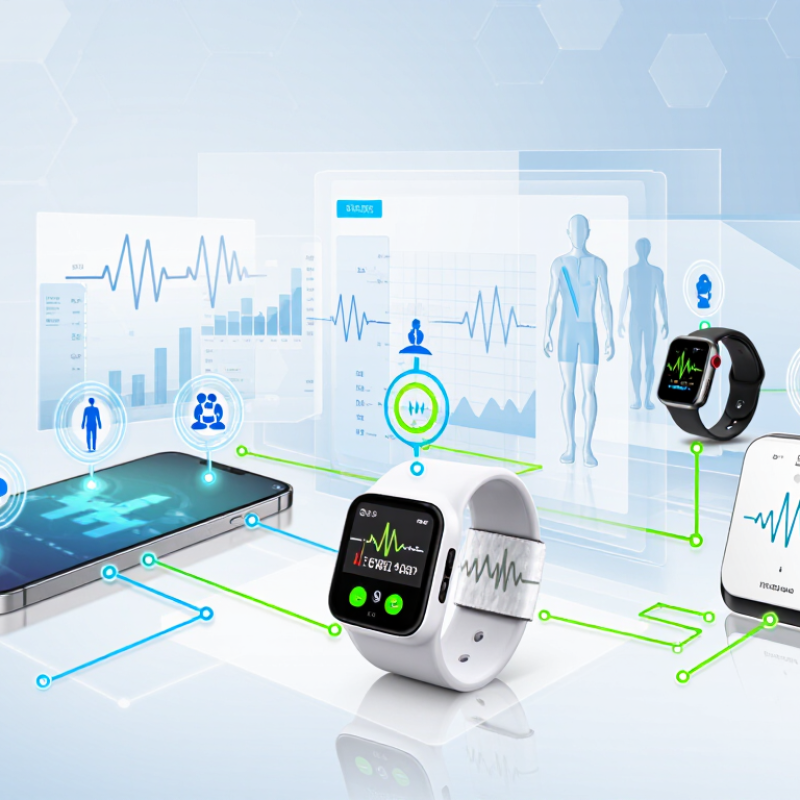
A pharmaceutical digital biomarker platform is a technical and clinical system for collecting, processing, and interpreting health-related digital signals. These signals may come from smartphones, wearable sensors, connected devices, or home assessments. The platform turns raw measurements into evidence about disease status, treatment response, or patient function. Its scope extends beyond software. It includes sensor selection, data quality checks, algorithm development, clinical validation, and controlled reporting.
In a research setting, the platform may track sleep patterns, tremor frequency, walking speed, heart rhythm, or medication-related changes. Each measurement needs a clear clinical question. A data dashboard alone does not create a useful biomarker. Specialists must examine accuracy, repeatability, missing data, and meaningful changes for patients. Strong platforms also document data provenance, access controls, consent procedures, and analytical decisions. These records support transparent review by researchers, clinicians, and regulators.
The platform can support decentralized trials, remote monitoring, and long-term disease observation. Yet its limits deserve attention. A step count may reflect weather, work demands, or battery failure rather than health improvement. Algorithms can also perform unevenly across age groups, devices, or physical abilities. Practical evaluation should include diverse participants and real-world testing. No signal is perfectly objective. Some models will require revision after deployment. That is not a weakness to hide, but a reason to maintain careful oversight, repeat validation, and honest communication about uncertainty.
How Platforms Support Pharmaceutical Research and Development
What Is a Pharmaceutical Digital Biomarker Platform?
How Platforms Support Pharmaceutical Research and Development
A pharmaceutical digital biomarker platform collects health signals from wearable sensors, smartphones, and connected medical devices. These signals may include movement, heart rate, sleep patterns, voice changes, or medication responses. The platform then organizes, cleans, and analyzes the data for research teams. The goal is not simply to gather more information. It is to identify measurable changes that can support decisions during drug development.
In practice, these platforms can help researchers monitor participants between clinic visits. A movement pattern recorded at home may reveal changes that a short appointment misses. Remote data can support patient selection, treatment response analysis, and safety monitoring. Researchers can also examine trends across different study sites. This may improve consistency when traditional assessments depend heavily on personal judgment.
The signal matters.
Reliable development requires more than advanced software. Teams must define how each digital measure relates to a clinical outcome. They also need validated sensors, documented algorithms, secure data handling, and clear quality controls. Missing readings, device differences, and poor internet access can affect results.
Data can mislead.
A technically precise measurement may still lack clinical meaning.
Experienced research teams review performance across age groups, health conditions, and real-world settings. They compare digital measures with established clinical assessments before using them in major decisions. Patient feedback also matters, especially when devices feel uncomfortable or disrupt daily routines.
No platform is perfect.
Some useful signals may remain difficult to interpret, and that uncertainty deserves careful discussion.
Clinical Validation, Regulatory Review, and Data Governance
A pharmaceutical digital biomarker platform converts passive signals into clinical evidence. It may capture gait changes, sleep disruption, heart rate, or medication-related behavior. Clinical validation must connect each signal with a meaningful endpoint. A technically accurate sensor is not automatically a useful biomarker. The evidence needs reproducibility, sensitivity, specificity, and performance across age, sex, disease stage, and device types.
Regulatory review examines more than algorithms. The U.S. Food and Drug Administration’s 2023 guidance on digital health technologies emphasizes data quality, usability, verification, and participant protection. The World Health Organization’s Global Strategy on Digital Health 2020–2025 reported that 79% of surveyed member states had national digital health strategies. That figure shows momentum, not maturity. Sponsors still need a clear audit trail, version control, and predefined analysis plans. Small design gaps can become large review problems.
Data governance determines whether evidence remains trustworthy after collection. The OECD’s Health at a Glance 2023 reported that all OECD countries had adopted electronic health records, yet access and interoperability remained uneven. A platform should record consent status, data lineage, missing values, and model changes. It should also explain who can inspect raw signals and who can approve secondary use. Privacy alone is insufficient. Bias can enter through charging habits, language settings, poor connectivity, or missing nighttime data. No validation plan is perfect. Teams should document uncertainty openly, rather than hide it behind polished dashboards.
Applications, Benefits, and Limitations in Drug Development
A pharmaceutical digital biomarker platform collects and interprets health signals from phones, watches, sensors, and connected devices. It can transform movement, sleep, heart rate, or voice patterns into measurable trial endpoints. In practice, the platform must manage consent, device calibration, missing data, and secure transfers. A colorful dashboard is not enough.
Applications are expanding across neurological, respiratory, cardiovascular, and metabolic studies. Researchers can monitor symptoms between clinic visits, detect early treatment responses, and identify changes patients may not report. This may reduce recall bias and improve trial continuity. The Tufts Center for the Study of Drug Development estimated that only 11.8% of candidates entering clinical testing eventually gain approval. Better measurements could support smarter decisions, although they cannot rescue weak biology or poor trial design.
The benefits are meaningful, but limitations remain. Algorithms may perform differently across age groups, skin tones, languages, or device models. Low battery levels and irregular wearing habits create quiet gaps in evidence. The U.S. Food and Drug Administration’s guidance on digital health technologies stresses validation, usability, data integrity, and participant protection. Deloitte’s 2023 pharmaceutical innovation report estimated average R&D returns at 4.1%, increasing pressure to prove operational value. I would not assume every sensor signal deserves biomarker status. Some signals look precise but lack clinical meaning. Careful endpoint validation still matters more than technical novelty.
Conclusion
A Pharmaceutical Digital Biomarker Platform is an integrated system that collects, processes, and interprets objective health data to measure biological, behavioral, or clinical changes relevant to drug development. It may combine information from wearable sensors, mobile applications, connected medical devices, electronic health records, imaging systems, laboratory tests, and patient-reported outcomes. Advanced analytics, artificial intelligence, cloud infrastructure, and secure data pipelines help transform these diverse sources into meaningful digital biomarkers.
These platforms support pharmaceutical research by improving patient monitoring, identifying treatment responses, evaluating safety, enabling decentralized or hybrid trials, and helping researchers understand disease progression. However, digital biomarkers must undergo careful clinical validation to demonstrate reliability, sensitivity, and relevance to patient outcomes. Regulatory review, informed consent, privacy protection, cybersecurity, data quality controls, and transparent governance are also essential. While the approach can make studies more efficient and personalized, limitations may include inconsistent device performance, incomplete data, unequal access to technology, technical complexity, and difficulties interpreting measurements across populations.