• Founded 2019 · Netherlands & Switzerland
  • 10,000+ medical devices produced
  • 35+ global academic medical centers
  • 200+ active clinical trials
  • 400+ Billion continuous physiological data points collected
Executive Summary & Clinical Rationale

Why Next-Generation Oncology Trials Require Continuous Wearable Biometric Sensors

Traditional clinical trials in oncology rely on episodic, in-clinic measurements that capture less than 0.1% of a patient's physiological trajectory. Continuous medical-grade wearable sensors bridge this blind spot, capturing real-time toxicity, cardiotoxicity, neutropenic infection onset, and functional performance loss between hospital visits.

The Paradigm Shift in Decentralized & Hybrid Oncology Clinical Trials

Modern oncology drug development—spanning novel Immunotherapies, Antibody-Drug Conjugates (ADCs), Targeted Kinase Inhibitors, and CAR-T Cell Therapies—demands unprecedented vigilance regarding adverse event (AE) detection and patient safety monitoring. Episodic vital-sign collection during bi-weekly or monthly clinic visits routinely fails to capture transient yet life-threatening toxicities such as drug-induced QTc prolongation, cytokine release syndrome (CRS) prodromes, silent arrhythmia, nocturnal fever spikes signaling febrile neutropenia, and severe autonomic dysfunction.

Furthermore, evaluating patient functional status has historically depended on subjective ECOG (Eastern Cooperative Oncology Group) or Karnofsky performance scores, assessed during brief, stress-inducing clinical encounters. The integration of an Oncology Clinical Trial Wearable Sensor platform provides objective, continuous, high-frequency physical activity, circadian rhythm stability, and vital sign monitoring in the patient’s natural living environment.

Information Gain: Episodic Assessments vs. Continuous Multi-Sensor Telemetry

While consumer-grade wearables lack regulatory clearance and hide algorithm calculations inside proprietary "black boxes," medical-grade clinical trial wearables yield verified physiological metrics along with raw waveform access (PPG, ECG, Accelerometer, GSR, Skin Temperature). This enables data science teams to create proprietary digital biomarkers for oncology endpoints while ensuring total compliance with global regulatory mandates (FDA 21 CFR Part 11, EU MDR 2017/745, HIPAA, and GDPR).

Flagship Product Recommendation

Corsano CardioWatch 287: The Benchmark Wearable Sensor for Cancer Research

Engineered specifically for complex clinical research environments, the CardioWatch 287 combines high-density continuous signal acquisition with an ultra-lightweight, patient-centric design validated across frail oncology populations.

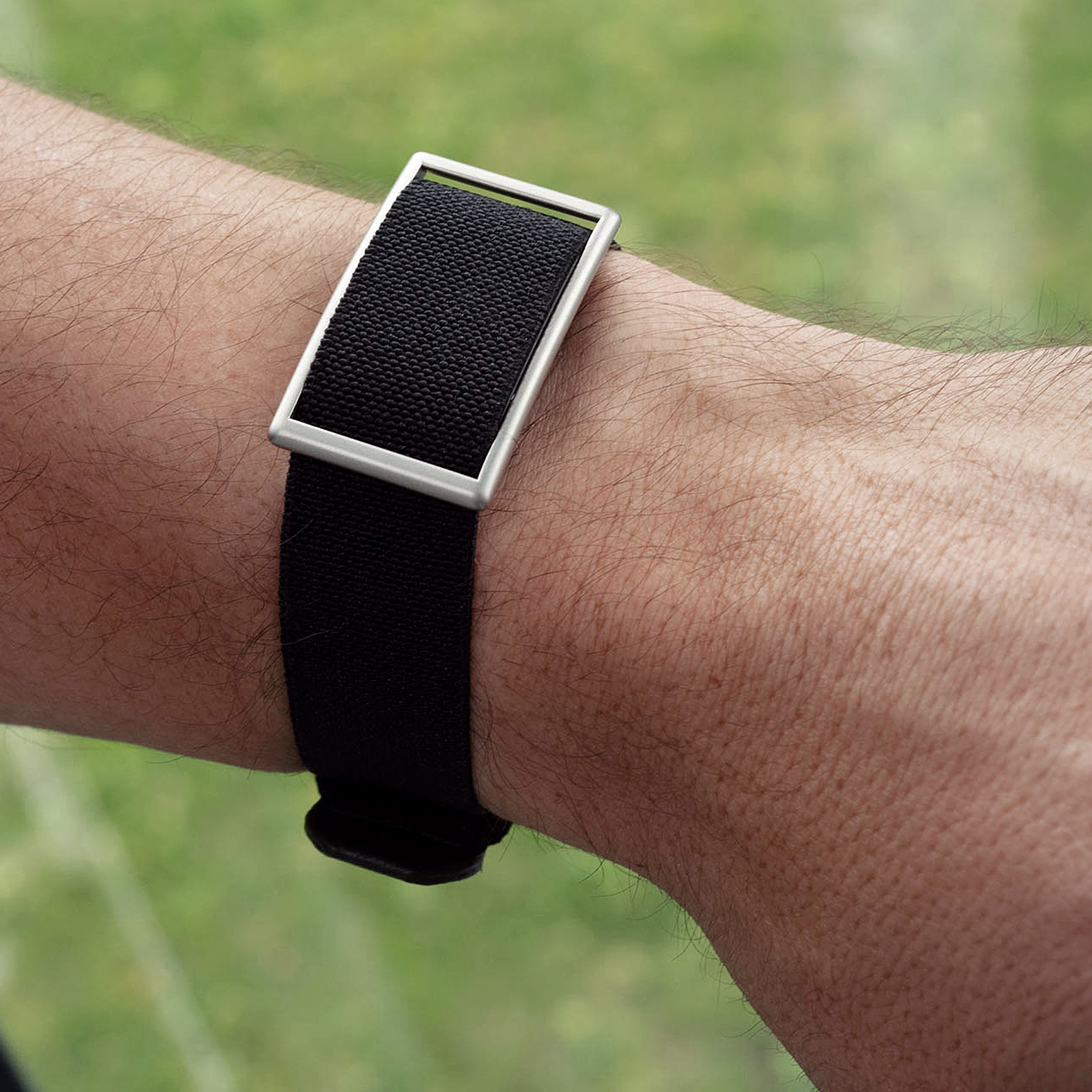
Corsano CardioWatch 287 Medical Smart Bracelet for Oncology Clinical Trials
Corsano CardioWatch 287-2B: CE-MDR certified & FDA 510(k) cleared wrist-worn multi-sensor bracelet.

Core Multi-Sensor Architecture & Physiological Parameters

The CardioWatch 287 integrates advanced optoelectronic, electrophysiological, thermal, and kinematic sensors into a single, IP67 water-resistant enclosure. Designed for high patient compliance, it captures up to 19 vital parameters continuously:

  • Photoplethysmography (PPG) ArrayTriple-wavelength optical optical sensor (Green 525nm, Red 660nm, Infrared 940nm) continuous monitoring of Pulse Rate, Heart Rate Variability (HRV), Respiration Rate, and SpO2 trends.
  • Single-Lead Electrocardiography (ECG)Medical-grade single-lead ECG rhythm strip capture at up to 128 Hz for precise arrhythmia detection, QTc trend evaluation, and cardiac toxicity surveillance.
  • Continuous Skin Temperature ModuleSub-degree thermal tracking for early detection of hyperthermic events, nocturnal fever spikes indicative of neutropenia, and inflammatory responses.
  • Galvanic Skin Response (GSR / EDA)Electrodermal activity measurement reflecting sympathetic nervous system activation, pain responses, and treatment-induced stress markers.
  • 3-Axis High-Precision AccelerometerContinuous 128 Hz kinematic tracking measuring activity intensity, gait stability, posture, sleep architecture, and objective digital ECOG score algorithms.

Technical Specifications: Comparing Medical Wearable Sensors in Oncology Trials

When selecting an Oncology Clinical Trial Wearable Sensor, biopharmaceutical sponsors and Contract Research Organizations (CROs) must carefully evaluate regulatory clearance, signal sampling capabilities, raw data accessibility, and battery endurance. Below is an objective technical comparison outlining why the Corsano platform serves as the gold standard for oncology trial infrastructure.

Evaluation Criteria Corsano CardioWatch 287 Consumer Smartwatches Single-Parameter Medical Patches
Regulatory Clearance CE-MDR Certified, FDA 510(k) Cleared General Wellness / Unregulated Varies (Often FDA 510k only)
Measured Parameters Up to 19 Parameters (ECG, PPG, Temp, GSR, SpO2, ACC) Basic HR, Activity, Estimated Sleep Single (e.g., ECG only or Temp only)
Raw Data Access Unrestricted Raw Signals (128 Hz PPG, ECG, ACC, GSR) No Raw Signal Access (Closed Ecosystem) Limited or Proprietary Format
IP & Biomarker Rights 100% Sponsor IP Ownership Vendor Retains Data Rights Vendor Algorithm Lock-in
Battery Endurance Multi-day Continuous Telemetry 18 - 24 Hours (Daily Charging) 3 - 7 Days (Disposable / Non-rechargeable)
Patient Wearability & Adherence Wrist-worn, Non-invasive, Highly Tolerated High, but complex consumer UI distracts patients Skin irritation from prolonged adhesive patch wear
System Integration REST APIs, Mobile SDKs, EDC/EMR & eCOA compatible Proprietary Cloud Sync Only Custom Integration Required

Unrestricted Raw Signal Access: Fueling AI & Digital Biomarker Development

In cancer trials, relying solely on black-box proprietary algorithms introduces severe risks to endpoint validity. Corsano provides sponsors with direct access to raw PPG (green, red, infrared), raw single-lead ECG, raw accelerometry, skin temperature, and electrodermal activity sampled at 128 Hz. This unrestricted access allows sponsor data science teams to:

  • Develop drug-specific digital biomarkers for early onset cardiotoxicity, fatigue progression, and autonomic toxicity.
  • Validate novel AI and Machine Learning models without risking future changes to vendor-derived algorithms.
  • Conduct rigorous post-hoc exploratory analyses across longitudinal patient cohorts.
Raw PPG and ECG waveform visualization for research data access
Figure 1: High-fidelity raw signal stream export (128 Hz sampling rate) for deep data science and digital biomarker discovery.
Enterprise Advantages & Institutional E-E-A-T

Why Global Clinical Trial Leaders Partner with Corsano Health

Founded in 2019 with headquarters in the Netherlands and Switzerland, Corsano Health has emerged as a premier medical wearable provider, backed by audited quality management systems, extensive peer-reviewed publications, and deployment across major hospital networks.

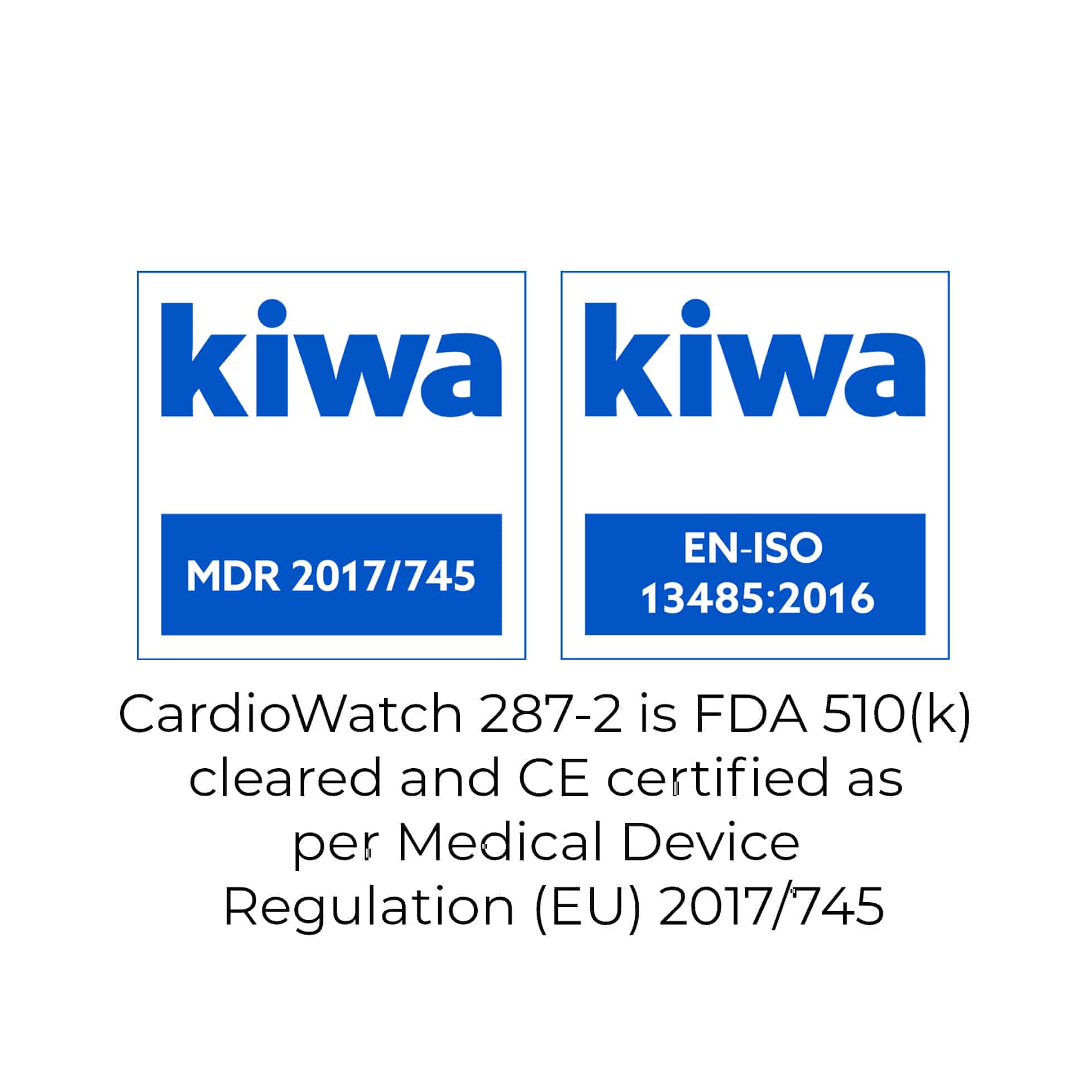
Kiwa CE-MDR Medical Device Certificate
Compliance & Quality

CE-MDR & FDA Regulatory Authorization

Corsano operates under an ISO 13485 certified quality management framework. Our devices carry formal CE-MDR certification (issued by notified body Kiwa) and FDA 510(k) clearances, ensuring data admissibility in primary trial endpoints.

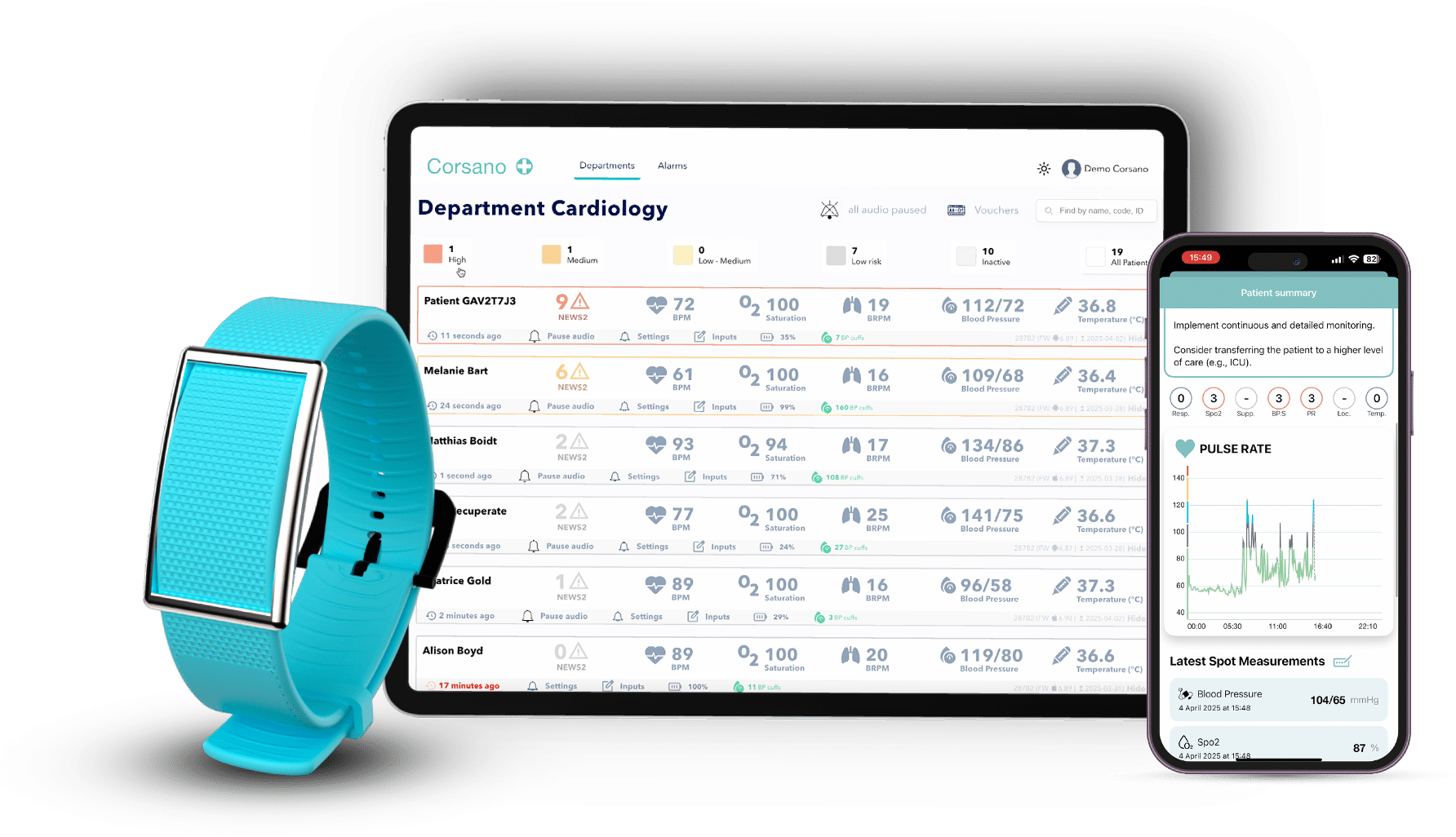
Corsano Complete End-to-End System Platform
System Integration

Seamless eCOA & EDC Platform Interoperability

Our RESTful APIs and iOS/Android SDKs enable smooth integration into existing Electronic Data Capture (EDC) systems, Electronic Clinical Outcome Assessment (eCOA) portals, and hospital Electronic Medical Records (EMRs).

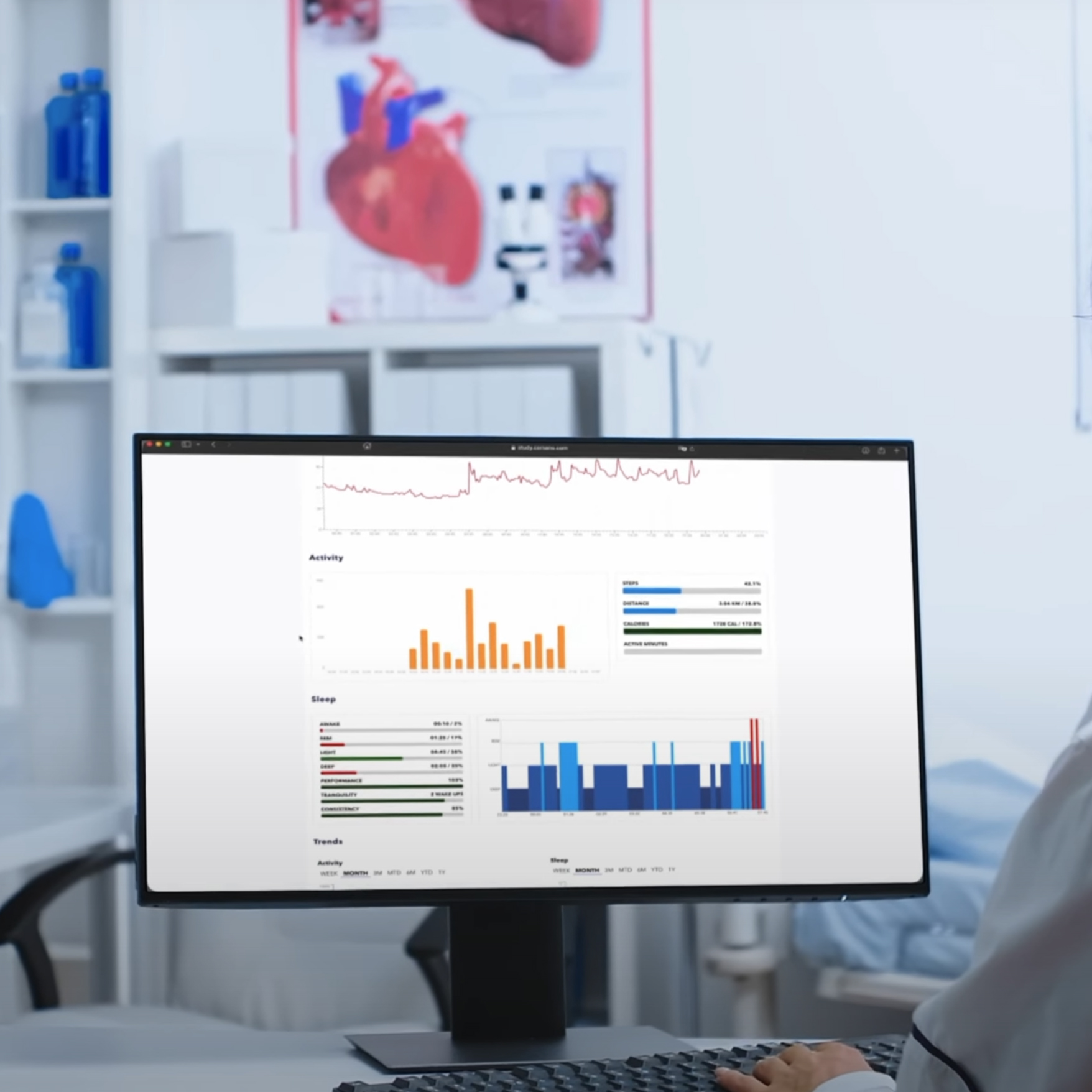
Corsano Research Portal Dashboard for Clinical Trials
Study Management

Turnkey Research Portal & Compliance Dashboards

Sponsors and CRO site monitors gain real-time visibility into subject compliance, device wear-time, battery status, and sensor operational health across multi-center global sites.

10,000+Devices ManufacturedISO 13485 Standards
35+Major HospitalsActive Clinical Deployments
200+Clinical StudiesGlobal Trial Consortia
400B+Biometric PointsProcessed Securely
19Continuous VitalsSingle Wrist Sensor
128 HzRaw Signal RateUnrestricted Export
Buyer Intent & FAQ

Frequently Asked Questions: Oncology Clinical Trial Wearable Sensors

Addressing key technical, regulatory, and operational questions asked by global clinical trial procurement teams, CRO directors, and principal investigators.

While adhesive chest patches provide short-term continuous ECG, oncology trial participants frequently report severe skin irritation, contact dermatitis, and discomfort during prolonged protocols (especially those undergoing radiation therapy or experiencing chemo-induced skin fragility). The Corsano CardioWatch 287 wrist-worn smart bracelet offers exceptional long-term patient wearability, continuous multi-parameter telemetry (PPG, ECG, SpO2, Temperature, GSR, Accelerometer), and multi-week adherence without skin breakdown.

Chemotherapeutic agents (such as anthracyclines, fluorouracil, and HER2 inhibitors) can cause subclinical cardiac injury, QT interval prolongation, and microvascular stress long before symptomatic heart failure develops. Continuous photoplethysmography (PPG) tracks heart rate variability (HRV) decay and pulse wave velocity changes, while single-lead ECG rhythm strips capture arrhythmias and electrical conduction changes during ambient daily activities and sleep.

Yes. Unlike consumer wearables that restrict access to aggregated daily summaries, Corsano provides 100% sponsor data ownership with unrestricted export of raw PPG (3 wavelengths), single-lead ECG, 3-axis accelerometer, skin temperature, and GSR data sampled at up to 128 Hz via RESTful APIs, cloud pipelines, or raw CSV/JSON formats.

The Corsano platform architecture enforces strict separation of Patient Health Information (PHI) and pseudonymized physiological trial data. Fully compliant with EU GDPR and US HIPAA mandates, the system utilizes AES-256 encryption at rest and TLS 1.3 in transit. Data hosting locations can be configured within EU or US cloud regions according to sponsor protocol requirements.

To eliminate tech burden for frail or elderly patients, Corsano offers pre-configured cellular hub gateways. Patients simply plug the gateway into a wall outlet at home; the CardioWatch 287 bracelet automatically pairs via BLE and streams encrypted continuous vital signs to the cloud portal without requiring patient smartphone operation, manual pairing, or app navigation.

Corsano supplies complete regulatory dossiers for IRB/IEC submission, including CE-MDR certificates, FDA 510(k) clearance letters, ISO 13485 quality management documentation, clinical validation reports, Investigator's Brochure (IB) materials, cybersecurity assessment reports, and patient informed consent protocol documentation templates.

The CardioWatch 287 is optimized for continuous multi-sensor operation, offering multi-day battery endurance under full telemetry streaming modes. Fast magnetic charging allows patients to fully recharge the bracelet in under 90 minutes during routine hygiene breaks, minimizing missing data windows.

Institutional Endorsements

Trusted by Leading Cardiologists, Oncologists & Clinical Researchers

I’ve tried out more wearable sensors than most people, and the CW287-2B is by far my favorite and most valuable. Congratulations to your entire team for your vision and for delivering on that. I believe your technology will have a significant impact on improving health across the globe.
Prof. Steven Steinhubl, MD Purdue University & Digital Health Pioneer
As part of our research consortia, our collaboration with Corsano has been instrumental in advancing continuous monitoring solutions aimed at early physiological deterioration detection. This technology is paving the way for breakthroughs in complex patient care.
Prof. Niels van Royen, MD, PhD Professor of Cardiology, Head of Department, Radboud University Medical Center
CardioWatch offers automated vital signs monitoring and integrates data directly into clinical records, easing nursing staff burden while delivering reliable continuous patient tracking. We are extremely pleased with our Corsano partnership.
Dr. Eelko Ronner, MD, PhD Cardiologist, Reinier de Graaf Hospital, Netherlands
Global Research Network

Accelerating Innovation with Global BioPharma & Academic Centers

Corsano Health collaborates with pharmaceutical leaders, contract research organizations, and academic centers worldwide to advance wearable telemetry in decentralized trials.

Netcare
Medtronic
Roche Diagnostics
Janssen
Philips
Charité Berlin
Radboud University Medical Center
Amsterdam UMC
Erasmus MC
Leiden University Medical Center

Deploy Oncology Clinical Trial Wearable Sensors in Your Next Protocol

Connect with our clinical study directors and biomedical engineering experts to discuss protocol design, regulatory submission packages, API/SDK documentation, and pilot device evaluation kits.

Send an Inquiry

Feature availability and regulatory indications may vary by country or region and are subject to applicable regulatory approvals, clearances, and local medical device requirements.