
Medical-Grade Ambulatory Wearable Array
Seamless post-discharge continuous monitoring hardware with multi-sensor PPG, single-lead ECG, SpO2, and automated telemetry for Osaka hospital networks and remote care providers.

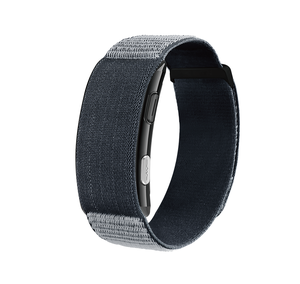
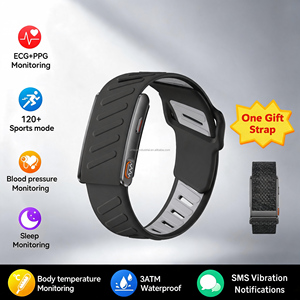
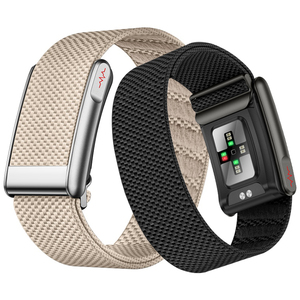
Transforming Post-Discharge Ambulatory Care in Osaka: A White-Paper Technical Brief
As the healthcare landscape in the Kansai region undergoes a historic demographic shift, hospital networks across Osaka Prefecture face mounting pressure to optimize bed turnover while preventing avoidable 30-day readmissions. The traditional transition from acute inpatient care to home recovery ("Zaitaku Iryo") has historically suffered from a dangerous telemetry vacuum. Between episodic visiting nurse consultations, silent physiological deterioration—such as transient atrial fibrillation, nocturnal desaturation, early cardiac decompensation, or emerging sepsis—frequently goes unnoticed until emergency hospitalization becomes unavoidable.
As a leading international manufacturer, supplier, and exporter of Post-Discharge Ambulatory Care Monitors, our platform bridges the critical divide between hospital wards and outpatient domestic environments. Engineered under stringent quality management standards (ISO 13485) and backed by CE-MDR and FDA 510(k) clearances, our continuous biosignal monitoring wearables deliver clinical-grade accuracy without disturbing the daily life of post-discharge patients in Osaka.
1. Technical Architecture & Enterprise Advantage
Consumer-grade fitness bands and uncalibrated smartwatches lack the signal fidelity, optical sensor calibration, and regulatory oversight needed for clinical decision-making. Our medical-grade ambulatory monitoring solution is purpose-built to meet the stringent demands of hospital bioengineering teams, clinical researchers, and RPM platform providers.
Multi-Sensor Optical Engine
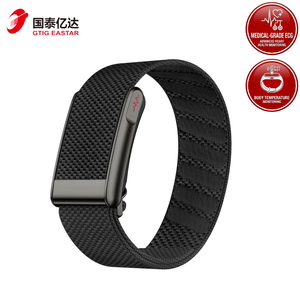
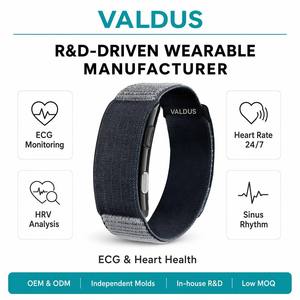
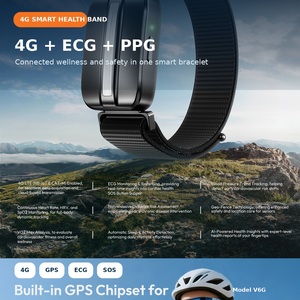
Combines multi-wavelength Photoplethysmography (PPG: Green, Red, Infrared) with medical-grade single-lead ECG to extract up to 19 continuous physiological parameters with minimal motion artifact distortion.
IP-Free Raw Data Access
Unlocks raw telemetry data at up to 128 Hz sampling rates. Biomedical engineering labs and AI research teams in Osaka can export uncompressed PPG, ECG, Accelerometer, and GSR data via open APIs and SDKs.
CE-MDR & FDA Compliance
Manufactured under ISO 13485 quality systems. Verified by international notified bodies (Kiwa), ensuring regulatory confidence for hospital deployments across Japan and international clinical trial sites.
Screenless High-Compliance Form Factor
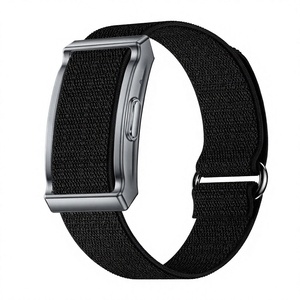
Eliminates patient distraction and accidental setting changes. Lightweight, distraction-free screenless wristbands ensure elderly patients in Osaka wear the device continuously for days without maintenance.
Automated Early Warning Scores (EWS)
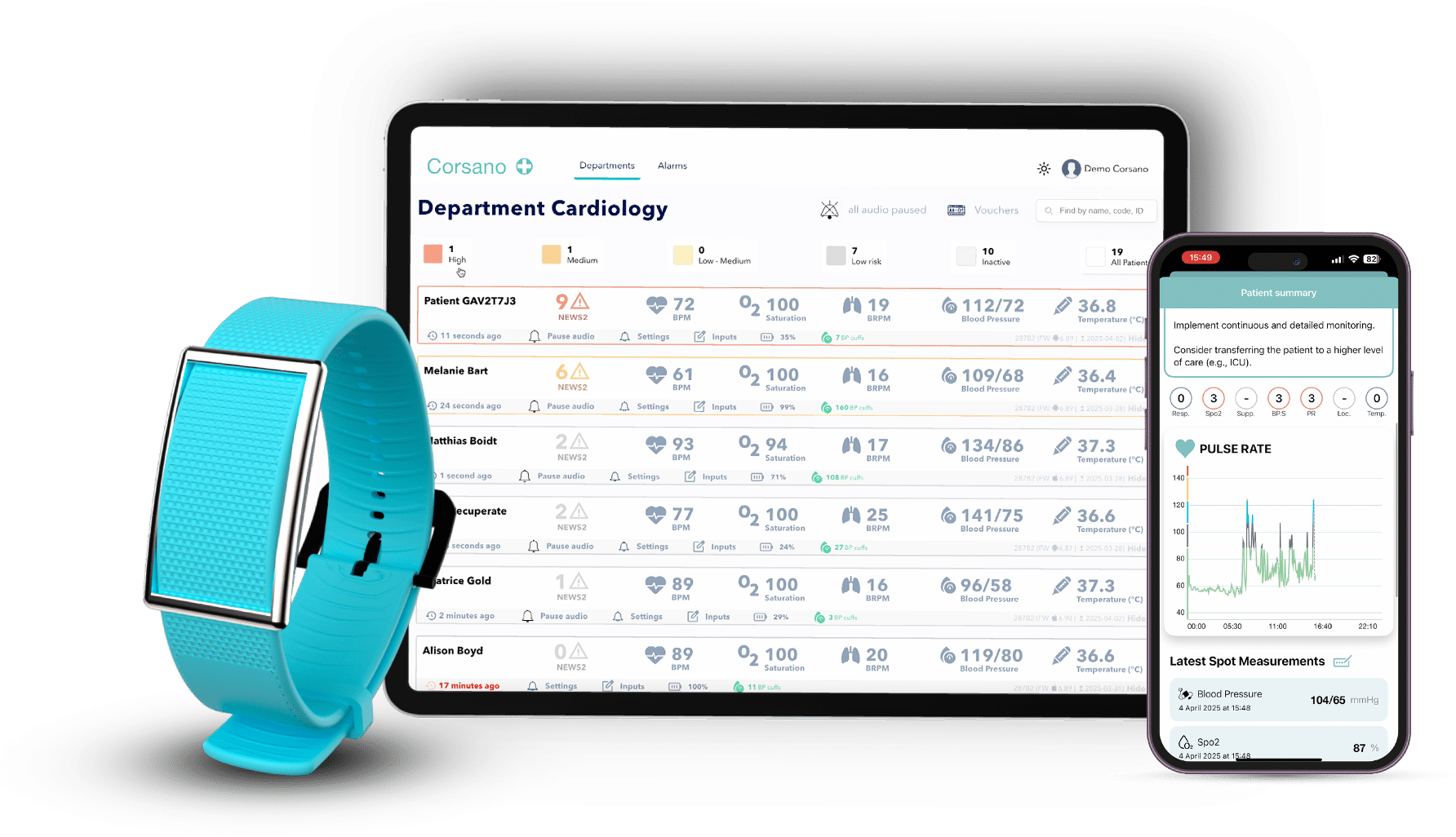
Algorithms process heart rate variability (HRV), respiration rate, skin temperature, and SpO2 to derive automated early warning scores, alerting clinical response teams before acute decompensation.
EMR & Cloud API Interoperability
Supports RESTful APIs, Mobile SDKs, and HL7 FHIR protocols for fast integration into existing Japanese Electronic Medical Record (EMR) systems and central nurse telemetry station dashboards.
2. Localized Application Scenarios Across Osaka’s Medical Sector
Osaka serves as the economic and medical anchor of the Kansai region, hosting world-class institutions such as Osaka University Hospital, Kindai University Hospital, and Osaka Metropolitan University Hospital. Implementing continuous post-discharge monitoring directly addresses several operational and clinical imperatives specific to the Japanese healthcare model:
A. Bridging "Zaitaku Iryo" (Home Medical Care)
Japan’s policy strongly promotes home-based medical care for elderly individuals. Post-discharge ambulatory care monitors allow visiting doctors ("Zaitaku-in") and home-nursing stations ("Houmon Kango") in Osaka to access 24/7 continuous telemetry data remotely, maintaining high oversight while managing staff scheduling efficiently.
B. Managing Post-Acute Cardiovascular & Heart Failure Patients
Heart failure represents one of the highest readmission burdens in Osaka’s acute care facilities. Continuous tracking of resting heart rate trends, nocturnal respiratory fluctuations, and core temperature changes provides early signals of fluid overload or autonomic impairment days before overt clinical dyspnea occurs.
C. Overcoming the 2024 Japanese Healthcare Work-Style Reform
With the implementation of strict overtime caps for Japanese physicians under the 2024 Work-Style Reform ("Iryo Hatarakikata Kaikaku"), medical staff in Osaka must shift from manual, time-intensive observation protocols to automated clinical monitoring systems. Continuous ambulatory telemetry automated reports free clinicians from repetitive documentation while safeguarding patient care quality.
3. Localized Ambulatory Monitoring Trends in Osaka & Japan
Deploying medical technologies in Japan requires aligning with specific regional shifts and technological preferences:
- Hyper-Aging Demographics in Kansai: Over 28% of Osaka’s population is aged 65 or older. Wearables for this demographic must feature ultra-simple onboarding, long battery lifespans (7 to 15 days on a single charge), high water resistance (IP68/3ATM), and screenless interfaces to eliminate user operational errors.
- Growth of Decentralized Clinical Trials (DCTs): Leading pharmaceutical entities and CROs in Osaka are accelerating decentralized trial methodologies. Providing researchers with raw biosignal access (128 Hz) allows the development and validation of novel digital biomarkers tailored to Japanese patient cohorts.
- Data Protection & Local Cloud Compliance: Compliance with Japan’s Act on the Protection of Personal Information (APPI), alongside international standards like GDPR and HIPAA, ensures patient physiological telemetry remains secure during transmission from home gateways to hospital monitoring servers.
4. Frequently Asked Questions for Osaka Medical Procurement Teams
Clear, direct answers to common questions regarding regulatory compliance, system integration, local distribution, and technical specifications for hospital buyers in Osaka.
Accelerate Ambulatory Telemetry in Osaka
Partner with a proven international supplier and exporter of medical continuous monitoring systems. Request technical datasheets, raw API documentation, or an OEM evaluation quote for your hospital network or research program today.
Get a Quote