
Patient Monitor Supplier & Suppliers in Ethiopia
Leading Medical-Grade Patient Monitoring Systems, Wearable Telemetry Ecosystems, and Multi-Parameter Clinical Solutions for Ethiopian Healthcare Facilities & Distributors
Next-Generation Continuous Patient Monitors
Explore our EFDA-aligned, CE-MDR certified, continuous multi-sensor patient monitoring solutions designed for clinical wards, intensive care, remote patient telemetry, and mobile field medicine across Ethiopia.
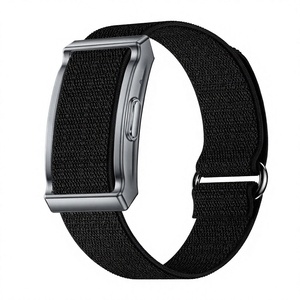
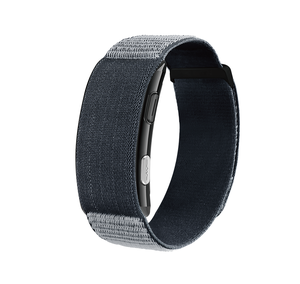
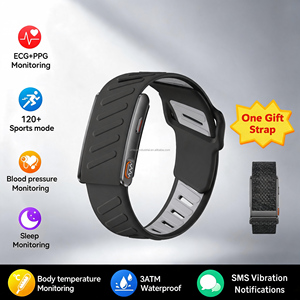
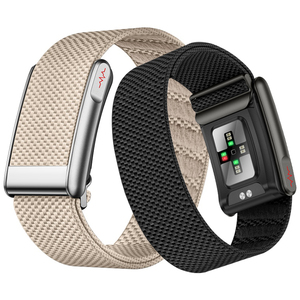
Modernizing Healthcare Delivery in Ethiopia: The Transition to Continuous Telemetry & Advanced Patient Monitoring
The healthcare infrastructure across Ethiopia—anchored by major clinical institutes in Addis Ababa such as Tikur Anbessa (Black Lion) Specialized Hospital, St. Paul's Hospital Millennium Medical College, and regional referral centers in Hawassa, Bahir Dar, Mekelle, and Dire Dawa—is undergoing a rapid technological transformation. Driven by the Ethiopian Ministry of Health’s (MoH) Digital Health Strategy, healthcare providers are prioritizing the adoption of continuous patient monitoring systems to replace intermittent, manual vital-sign spot checks.
Historically, general wards and emergency triage units in East Africa have relied heavily on manual nursing rounds conducted every 4 to 6 hours. However, clinical evidence published across global cardiology and critical care journals reveals that silent deterioration—such as unexpected cardiac arrest, sepsis onset, respiratory depression, and acute arrhythmia—frequently occurs in the unmonitored windows between rounds. For high-volume Ethiopian public hospitals where nurse-to-patient ratios can be demanding, continuous multi-parameter telemetry serves as a vital clinical safety net, alerting staff to adverse physiological trends hours before acute events materialize.
Clinical Information Gain: Continuous monitoring bridges the critical gap between episodic nursing observations. By sampling raw photoplethysmography (PPG), single-lead electrocardiogram (ECG), continuous SpO2, and skin temperature at frequencies up to 128 Hz, healthcare providers in Ethiopia can implement automated Early Warning Scores (EWS) that dramatically decrease ward mortality and ICU readmission rates.
Addressing Ethiopia's Specific Procurement & Operational Challenges
Sourcing reliable patient monitoring technology in Ethiopia requires navigating specific economic, environmental, and infrastructure variables. Procurement officers and hospital administrators face key criteria when choosing a patient monitor supplier:
- Power Resilience & Battery Longevity: Electrical power fluctuations and load shedding in regional health facilities require patient monitors equipped with internal high-density lithium batteries supporting extended continuous operational hours (15 days+ on screenless telemetry wearables) or seamless power backup.
- Bandwidth-Efficient Cellular & Wireless Transmission: With Ethio Telecom expanding 4G LTE and 5G networks and Safaricom Telecom expanding regional connectivity, patient monitors must support lightweight, secure data transmission protocols (such as NB-IoT, BLE 5.0, and cellular backhaul) to push vital signs to central nursing stations without bogging down hospital Wi-Fi.
- EFDA Regulatory Compliance: Medical devices imported into Ethiopia must meet regulatory clearance under the Ethiopian Food and Drug Authority (EFDA). Partnering with manufacturers holding ISO 13485 certification, CE-MDR approvals, and FDA 510(k) clearances simplifies EFDA dossier registration and custom clearance.
- Open API & Local EMR Integration: Modern patient monitoring systems must bypass vendor lock-in. Open REST APIs and mobile SDKs enable seamless synchronization with hospital Electronic Medical Records (EMR) and open-source platforms like DHIS2 used extensively across East Africa.
Localized Application Scenarios across Ethiopian Health Systems
From high-density urban general wards to remote rural health posts, our patient monitoring solutions adapt to diverse operational requirements across the Horn of Africa.
General Ward Deterioration Systems
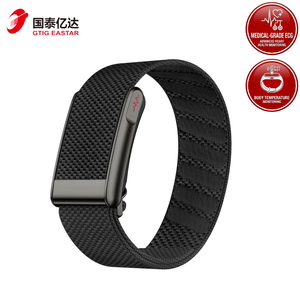
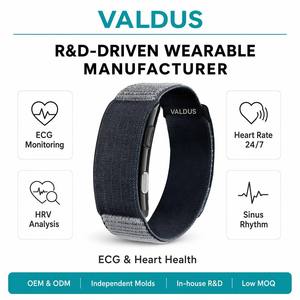
Equipping general ward beds in regional hospitals with comfortable, wrist-worn continuous monitors. Reduces bedside nursing documentation strain while establishing automated national Early Warning Scores (EWS) to capture pre-cardiac arrest signals and septic shock onset.
Remote Patient Monitoring (RPM) & Post-Discharge Care
Patients discharged after major cardiovascular procedures or surgical interventions continue wearing screenless, multi-parameter bracelets at home. Data transmits via mobile gateway applications, preventing avoidable hospital readmissions in Addis Ababa and beyond.
Maternal & High-Risk Cardiac Care
Continuous physiological tracking for high-risk obstetric cases and patients diagnosed with chronic cardiovascular conditions, cardiac arrhythmias, or rheumatic heart disease—providing real-time alerts for pre-eclampsia or hemodynamic collapse.
Decentralized Clinical Trials & Academic Research
Enabling academic research consortia and pharmaceutical sponsors across East Africa to capture uncompressed, IP-free raw multi-sensor signals (PPG, single-lead ECG, temperature, GSR, 3-axis accelerometer up to 128Hz) for novel digital biomarker discovery.
Field Ambulance & Mobile Triage Telemetry
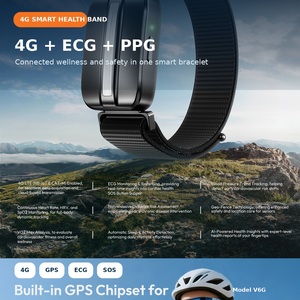
Ruggedized 3ATM/IP68 waterproof smart bracelets enable continuous vital sign acquisition during pre-hospital transport, sending real-time ECG rhythm strips and arterial oxygen saturation metrics to receiving emergency room teams.
Integrated EMR Data Pipeline
Direct REST API integration transforms raw telemetry into automated chart notes within local hospital information systems, minimizing human transcription errors and providing audit-ready legal medical documentation.
Why Leading Ethiopian Healthcare Procurement Teams Choose Our Monitoring Ecosystem
In medical device procurement, evaluating a supplier's engineering credentials, quality management system (QMS), and regulatory backing is as critical as reviewing hardware specifications. As a global leader in medical-grade continuous wearable monitors, our technology platform is certified under the world's most stringent healthcare device frameworks.
Uncompromising Medical Certification
Unlike consumer fitness trackers that rely on unvalidated optical estimates, our CardioWatch and medical telemetry systems are fully certified under European Medical Device Regulation (CE-MDR audited by Kiwa) and hold FDA 510(k) clearance. Designed and manufactured under ISO 13485 quality standards, every algorithm—from respiration rate derived from PPG to single-lead ECG rhythm classification—has been rigorously validated against gold-standard clinical reference monitors.
For Ethiopian importers, health ministries, and private hospital networks, this certified foundation eliminates regulatory roadblocks, ensuring seamless approval by the EFDA and providing peace of mind to attending cardiologists and critical care specialists.
Official Notified Body Kiwa CE-MDR & ISO 13485 Certification
Open Raw Signal Access for Research & AI Biomarker Development
A distinctive advantage of our platform is raw data transparency. While conventional bedside monitors lock physiological measurements inside proprietary software silos, our devices provide unrestricted, IP-free access to raw 128 Hz accelerometer, multi-wavelength PPG (green, red, infrared), ECG, skin temperature, and galvanic skin response (GSR) signals. University medical faculties, clinical trial sponsors, and MedTech developers across Africa leverage this raw telemetry to build bespoke artificial intelligence (AI) and machine learning (ML) models for tropical disease monitoring, hypertension screening, and sepsis early warning.
Global Clinical Partners & Enterprise Collaborators





Frequently Asked Questions for Sourcing Patient Monitors in Ethiopia
Addressing common queries from Ethiopian medical distributors, hospital procurement boards, regional health bureaus, and clinical researchers.
1. What regulatory clearances do your patient monitors hold for import into Ethiopia?
Our patient monitoring systems are manufactured under ISO 13485 quality management standards and carry official CE-MDR (EU Medical Device Regulation) certification and FDA 510(k) clearance. We supply full technical dossiers, certificate of free sale (CFS), test reports, and factory declarations required by the Ethiopian Food and Drug Authority (EFDA) for fast-track import registration and customs clearance.
2. How do screenless wearable patient monitors compare to traditional bedside monitors?
Traditional bedside monitors are immobile, cable-heavy, power-dependent, and costly to scale across every ward bed. Screenless smart telemetry bracelets (such as our E500 and CardioWatch platforms) are lightweight, power-efficient, and continuously measure up to 19 physiological parameters (ECG, PPG, SpO2, respiration rate, body temperature) without restricting patient mobility. Data is transmitted wirelessly to a central nursing dashboard, offering ward-wide coverage at a fraction of the capital expense.
3. Can these monitors function reliably during local power outages or network disruptions?
Yes. Our devices feature robust onboard memory capable of caching vital sign measurements and raw waveform data locally during connectivity loss. Once the device re-establishes BLE or cellular connectivity with the gateway or local server, cached physiological data automatically syncs without data loss. Furthermore, ultra-low power consumption provides up to 15 days of continuous battery life per charge.
4. What payment structures and delivery options are available for Ethiopian importers?
We work closely with certified Ethiopian medical importers and procurement agencies, supporting standard international trade mechanisms including confirmed Letters of Credit (LC), Telegraphic Transfer (TT), and foreign currency banking arrangements. We arrange insured air freight to Addis Ababa Bole International Airport (ADD) with complete customs documentation.
5. Can Ethiopian research institutions access raw ECG and PPG data for medical studies?
Absolutely. Unlike standard commercial vendors, we grant full, IP-free API and SDK access to raw accelerometer, PPG (green, red, infrared), ECG rhythm, temperature, and GSR data sampled at up to 128 Hz. This allows university faculties, teaching hospitals, and research sponsors to conduct clinical trials, validate local risk scores, and develop proprietary digital health algorithms.
6. How is patient data security managed under international standards?
Data transmitted by our continuous monitoring devices utilizes end-to-end AES-256 encryption. The cloud infrastructure and local gateway software comply with international HIPAA and GDPR privacy frameworks, offering strict role-based authorization controls to protect patient health information (PHI).