
Certified Medical Wearable Sensors for Clinical Trials
Deploy validated screenless and screen-enabled multi-sensor smart bracelets built for 24/7 oncology trial protocol compliance, real-time vital sign tracking, and raw physiological waveform collection.
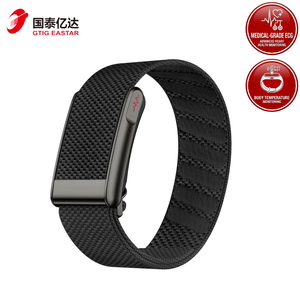
E500 ECG Screenless AI Health IP68 Smart Bracelet Heart Rate Blood Pressure Sleep Multisport Monitor MF90 MF91 ETQ13 2026
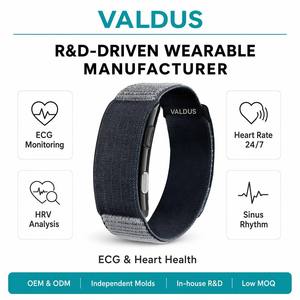
VALDUS VITRO ODM/OEM Manufacturer Screenless 2026 ECG Health Designed for Every Activity Smart Fitness Tracker Band Bracelet
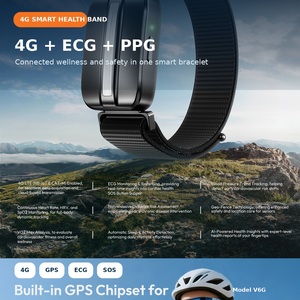
V6G 4G Smart Health Bracelet with ECG PPG GPS SOS Heart Rate SpO2 Sleep Monitoring for Seniors OEM ODM

Fashion Hot Selling Minimalist Trendy Steel Color Electrocardiogram Magnetic Couple Bracelets Gift Set Wholesale
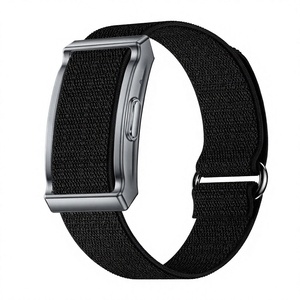
Screenless Smart Bracelet G70 ECG Heart Rate Blood Oxygen Body Temperature Sleep Monitoring Sports Fitness Band
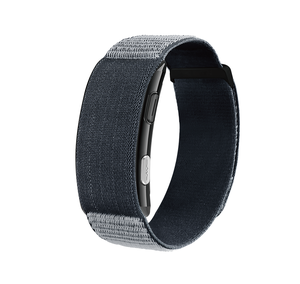
VITRO Smart Android IOS 1ATM Waterproof Fitness Bracelet with Heart Rate Sleep Tracker Remote Control ECG BT Call & Alarm Clock
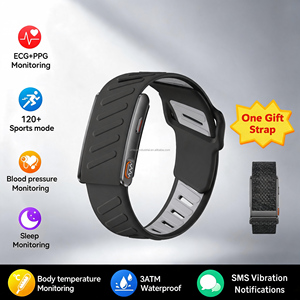
ECG No Screen Smart Bracelet 180mAh 15 Days Battery 3ATM Waterproof Heart Rate SpO2 Pedometer Sleep Monitor Fitness Android
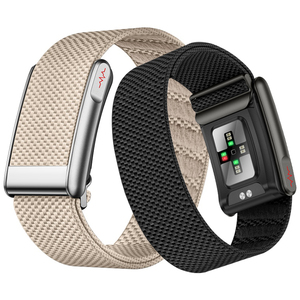
2026 New E500 Screenless Smart Bracelets with NFC ECG Blood Pressure Body Temperature Health Fitness Tracker Band Without Screen
The Paradigm Shift in Decentralized Oncology Trials (DCTs) across Greece
An executive guide for Principal Investigators, Clinical Research Organizations (CROs), and Pharmaceutical Procurement Directors operating within the Hellenic healthcare infrastructure.
Modern clinical oncology is undergoing an unprecedented transition from conventional episodic clinical evaluations to continuous, sensor-driven digital biomarker monitoring. In Greece, where decentralized clinical trial (DCT) models are rapidly expanding across both urban tertiary oncology centers and remote island populations, the requirement for medical-grade continuous physiological monitoring has become paramount. Cancer treatments—including immune checkpoint inhibitors, targeted small-molecule tyrosine kinase inhibitors (TKIs), and intensive chemotherapeutic regimens—frequently induce systemic toxicities, cardiotoxicity, metabolic volatility, and acute clinical deterioration between scheduled hospital visits.
Traditional clinical trial designs rely heavily on patient self-reporting through paper diaries or periodic hospital visits occurring weeks apart. This creates dangerous diagnostic blind spots. Symptoms such as drug-induced QTc interval prolongation, subclinical febrile neutropenia, cytokine release syndrome (CRS), and progressive cancer-related fatigue often develop insidiously between nursing rounds or ambulatory consultations. By deploying specialized oncology clinical trial wearable sensors manufactured by ISO 13485 certified suppliers serving Greece, clinical trial sponsors can establish an uninterrupted safety telemetry mesh around every trial subject.
Key Information Gain Insight: Screenless medical wearables minimize protocol deviation in oncology trials by eliminating user interface distraction, preventing accidental settings modification, extending operational battery autonomy up to 15 days, and guaranteeing continuous multi-parameter telemetry collection directly into EDC (Electronic Data Capture) systems via RESTful APIs.
Localized Application Scenarios Across Hellenic Oncology Networks
Greece presents a unique geographical and operational landscape for clinical research organization. With a population distributed across dense metropolitan centers such as Athens and Thessaloniki, alongside hundreds of inhabited islands in the Aegean and Ionian seas, decentralized clinical telemetry directly addresses the historical barriers to trial participation and patient retention.
1. Cardiotoxicity Telemetry in Athens Tertiary Cancer Hospitals
At leading oncology hubs such as Saint Savvas Oncology Hospital, HYGEIA Hospital, and Attikon University Hospital in Athens, early-phase oncology protocols involving HER2-targeted agents and anthracyclines require hyper-rigorous cardiac monitoring. Wearable multi-sensor bracelets providing high-resolution single-lead ECG rhythm strips and optical Photoplethysmography (PPG) track continuous Heart Rate Variability (HRV) and ectopic beat frequency, allowing trial cardiologists to detect early drug-induced left ventricular dysfunction prior to clinical heart failure onset.
2. Early Detection of Febrile Neutropenia in Thessaloniki Research Centers
Cytotoxic oncology trials conducted at AHEPA University Hospital and Papageorgiou Hospital in Thessaloniki leverage continuous wrist-skin temperature sensors coupled with Galvanic Skin Response (GSR) monitoring. Sub-degree body temperature spikes—indicative of incipient sepsis or febrile neutropenia in immunocompromised trial subjects—trigger automated, real-time alerts to central nursing dashboards hours before patients experience overt rigors or systemic septic shock.
3. Aegean Island Patient Inclusion via University Hospital of Heraklion (PAGNI)
Oncology patients residing on Crete, Rhodes, or the Cyclades islands often face taxing maritime travel to attend hospital check-ups in Heraklion or Piraeus. By deploying 4G IoT gateway-linked screenless smart bracelets (such as the V6G and E500 series), clinical trials managed out of PAGNI Heraklion achieve full Remote Patient Monitoring (RPM). Patient physiological telemetry streams seamlessly across cell networks without requiring complex smartphone setup by elderly island patients.
4. Digital Biomarkers for Cancer-Related Fatigue & Performance Staging
Continuous tri-axial accelerometry paired with medical sleep-staging analytics evaluates Eastern Cooperative Oncology Group (ECOG) performance status objectively. Rather than relying on subjective physician assessment during monthly clinic visits, digital biomarkers monitor circadian rhythm disruption, nocturnal restlessness, and daily active physical expenditure continuously throughout trial cycles.
Regulatory Compliance & Market Trends in the Hellenic Republic (2025–2028)
Supplying medical wearable hardware for clinical trials serving Greece demands strict compliance with European Union regulations and Hellenic Republic national directives. Sponsors and CROs operating within Greece must ensure that wearable sensors fulfill specific statutory requirements:
- EU Medical Device Regulation (EU MDR 2017/745): Non-invasive vital signs monitors deployed in clinical trials must hold valid CE-MDR certification issued by accredited EU Notified Bodies (such as Kiwa or TÜV). Deployed hardware must adhere to ISO 13485 Quality Management Systems across design, manufacturing, and post-market clinical follow-up.
- National Organization for Medicines (EOF) Oversight: The Hellenic National Organization for Medicines (EOF) governs clinical trial protocol authorization in Greece. Wearable devices collecting protocol-specified primary or secondary endpoints must possess documented analytical and clinical validation data to satisfy EOF protocol reviewers.
- Hellenic Data Protection Authority (HDPA) & GDPR Integrity: Patient telemetry gathered across Greece must strictly respect European General Data Protection Regulation (GDPR) mandates. Medical wearable platforms must utilize end-to-end AES-256 encryption during transmission and storage, pseudonymizing patient identifiers prior to cloud ingestion.
- Interoperability with Greek EMR Infrastructure (HDICA S.A. / IDIKA): Greece is aggressively modernizing its national electronic health record ecosystem through HDICA S.A. (e-Government Center for Social Security). Leading oncology wearable suppliers provide standardized REST APIs, HL7 FHIR data feeds, and SDK integration options, enabling smooth data export into local enterprise medical record systems.
Hardware Sensor Architecture & Technical Specifications
As a specialized original equipment manufacturer (OEM) and custom developer (ODM) serving pharmaceutical trials across Europe, our product lineup integrates proprietary sensor arrays engineered specifically to satisfy clinical protocol requirements:
Multi-Wavelength Optical PPG
Utilizes multi-channel Green, Red, and Infrared LEDs paired with high-sensitivity photodetectors to derive continuous heart rate, beat-to-beat intervals, respiratory rate, and SpO2 oxygen saturation even during low peripheral perfusion states common in chemotherapy patients.
Single-Lead ECG Electrodes
Integrated medical-grade dry stainless steel or titanium electrodes capture high-fidelity single-lead Electrocardiogram (ECG) rhythm strips up to 128 Hz sampling frequency, supporting QT interval analysis, arrhythmia detection, and atrial fibrillation screening.
Thermistors & GSR Sensors
Medical NTC thermistor micro-arrays measure skin surface temperature with 0.1°C precision, complemented by Galvanic Skin Response (GSR) sensing to track autonomic stress responses, night sweats, and thermal dysregulation.
Frequently Asked Questions by Greek Buyers & CROs
Direct technical and commercial answers for pharmaceutical trial sponsors, clinical operations leads, and medical procurement teams in Greece.
1 How do your wearable sensors ensure patient compliance among elderly oncology subjects in island regions of Greece?
2 What regulatory certifications accompany your manufacturing shipments to clinical sites in Athens and Thessaloniki?
3 Can academic and pharma research teams access uncompressed, raw PPG and ECG waveform data?
4 What OEM/ODM customization options are available for pharmaceutical trial sponsors serving Southern Europe?
5 How does the hardware tolerate hot Mediterranean climates and coastal ambient conditions in Greece?
6 What is the typical shipping, customs, and logistics workflow for delivery into Greek clinical sites?
Why Global Pharma & Hellenic CROs Partner With Our Manufacturing Facilities
Building clinical evidence requires medical hardware engineered to uncompromising standards. With over 10,000 certified medical wearables manufactured, partnerships with leading global pharmaceutical corporations (including Medtronic, Roche Diagnostics, Philips, and Janssen), and active deployment across 200+ clinical trials worldwide, our technology platform bridges the gap between hardware engineering and clinical validation.
Whether you are designing a Phase I dose-escalation oncology study in Athens, a multi-center decentralized Phase III trial across the Greek islands, or a real-world evidence (RWE) post-market safety study, our end-to-end OEM/ODM engineering capabilities provide the exact hardware, firmware, and cloud pipelines your protocol demands.
- ISO 13485 Cleanroom Manufacturing: Modern automated production lines dedicated exclusively to regulated medical device fabrication.
- Proven Multi-Parameter Accuracy: Clinically benchmarked against gold-standard hospital patient monitors for ECG rhythm analysis, pulse oximetry, and temperature tracking.
- End-to-End Security Architecture: Built from the ground up to satisfy GDPR, HIPAA, and ISO 27001 data protection standards.
- Dedicated Clinical Trial Support: Customized pilot hardware packages, rapid prototype iterations, and white-glove engineering assistance throughout trial execution.