
Medical-Grade Smartwatch & Screenless Bracelet Series
Customizable OEM/ODM wearable solutions equipped with ECG, PPG, SpO2, continuous body temperature, and LTE/4G SOS connectivity engineered for clinical wards, eldercare, and remote patient monitoring (RPM) across South Korea.
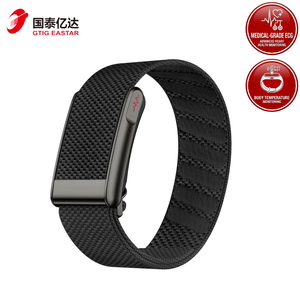
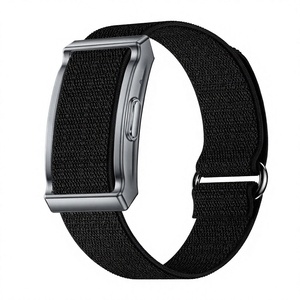
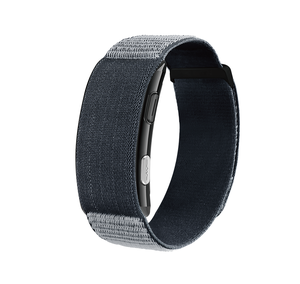
- Screenless Tamper-Proof Design
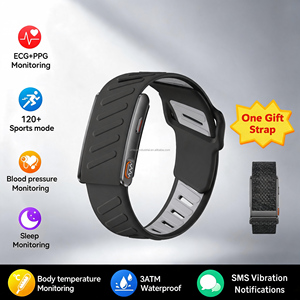
- Medical ECG + Bio-PPG Sensing
- IP68 Clinical Waterproof Rating
- AI-Driven Early Warning Analysis
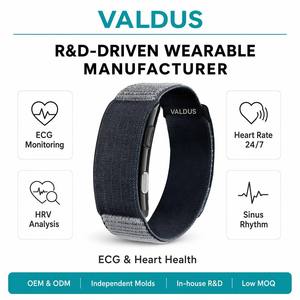
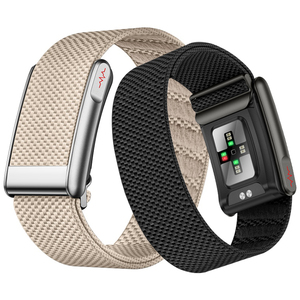
- Ergonomic Continuous Wear Band
- Single-Lead Micro-ECG Array
- 14+ Days High-Capacity Battery
- Raw PPG Waveform Data Export
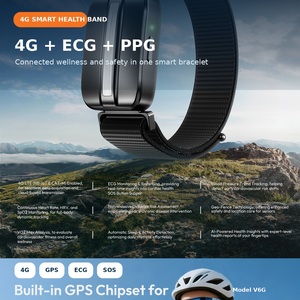
- Standalone 4G LTE-M / NB-IoT
- One-Touch Emergency SOS Button
- Real-time GPS Fall Detection
- Dedicated Senior Care Telemetry
- Medical Grade 316L Steel Case
- Magnetic Quick-Charge Dock
- Subtle Aesthetics for Continuous Wear
- Customizable OEM Branding
- High-Precision Temp Sensor (±0.1°C)
- Continuous Blood Oxygen (SpO2)
- Lightweight 22g Ward Bracelet
- SDK/API Integration Ready
- Dual Bluetooth 5.2 Low Energy
- Real-time Acoustic/Vibrational Alerts
- Cross-Platform iOS/Android SDK
- 1ATM Water Resistance Standard
- Ultra-Low Power Microcontroller
- 3ATM Deep Waterproof Rating
- Multi-wavelength Optical PPG
- Long-Term Post-Op Monitoring
- Integrated Hospital Access NFC Tag
- Cuffless Blood Pressure Estimation
- Multi-day Raw Sensor Logging
- Customized Casing & Firmware
1. The South Korean Medical Wearable Landscape: Industrial Context & Intent
South Korea stands at the forefront of digital health innovation in East Asia. Driven by the national transition toward a Super-Aged Society by 2025—where over 20% of the population will be aged 65 or older—the Ministry of Health and Welfare (MOHW) and the Ministry of Food and Drug Safety (MFDS) have accelerated policies surrounding smart hospital beds, hospital-at-home models, and AI-assisted clinical diagnosis.
Medical-grade smartwatches and continuous physiological monitoring bracelets have transitioned from novelty gadgets to essential clinical components. Hospitals in major centers such as Seoul, Incheon, and Busan—including tertiary giants like Seoul National University Hospital (SNUH), Asan Medical Center, and Yonsei Severance—are actively deploying continuous monitoring wearables across general wards to close the observation gap between nursing rounds.
Strategic OEM/ODM Sourcing Imperative: Korean healthcare institutions and system integrators require OEM/ODM manufacturing partners capable of providing ISO 13485 compliant wearable hardware, open BLE/REST API architectures, high-resolution raw PPG/ECG signal access, and compliance with South Korean PIPA (Personal Information Protection Act) regulations.
As an established medical wearable manufacturer serving B2B clients in Korea, our factory operations deliver custom biosensor wearables designed to satisfy rigorous MFDS regulatory reviews while providing cost-effective scalability for domestic medical device distributors, digital therapeutics (DTx) developers, and eldercare enterprise networks.
2. Localized Application Scenarios for Medical Smartwatches in Korea
To successfully deploy wearable monitoring solutions in the South Korean health sector, hardware design must reflect localized care workflows and technological infrastructure. Below are four dominant application environments operating across the Korean market:
Smart General Wards (스마트 일반병동)
In Korean tertiary hospitals, traditional spot-checking of vital signs occurs every 4 to 8 hours. Screenless medical smart bracelets (such as the E500 and G70 series) provide continuous monitoring of Heart Rate, SpO2, Respiration Rate, and Skin Temperature without patient distraction, streaming real-time telemetry directly into hospital EMR system dashboards via local BLE gateways.
Senior RPM & Eldercare (노인 원격모니터링)
Spanning municipal senior care facilities in Gyeonggi-do and provincial care networks, cellular 4G LTE-M medical bracelets (V6G Series) offer autonomous GPS location tracking, automatic fall detection algorithms, and single-touch SOS emergency signaling that connects directly to local municipal emergency call centers and family care applications.
Continuous Cardiac Telemetry (심장 질환 케어)
Outpatient atrial fibrillation (AFib) monitoring and post-percutaneous coronary intervention (PCI) rehabilitation utilize single-lead ECG medical smartwatches. High-frequency 128 Hz sampling rates allow algorithm developers to capture P-waves, QRS complexes, and T-waves with clinical clarity equivalent to stationary ECG equipment.
Digital Therapeutics - DTx (디지털 치료제 연동)
South Korea's pioneering DTx sector relies on objective biomarker collection to prove clinical efficacy for cognitive behavioral therapy, insomnia, and metabolic syndrome solutions. Our OEM hardware feeds uninterrupted raw PPG, GSR (Galvanic Skin Response), and sleep staging data directly to propriety DTx mobile apps.
3. South Korean Market Trends & OEM Manufacturing Requirements
Entering or expanding within the Korean medical device sector requires a precise understanding of technical specifications, localized wireless protocols, and regulatory expectations enforced by domestic authorities.
A. MFDS Medical Device Approval Readiness
In Korea, wearables intended for diagnostic or therapeutic monitoring are categorized as Medical Devices (의료기기) under Class II or Class III oversight by the MFDS. Manufacturing partners must supply full technical construction files (TCF), ISO 13485 certification, biocompatibility test reports (ISO 10993 for skin contact materials like medical-grade silicone and 316L stainless steel), and electrical safety/EMC test records (IEC 60601-1 / IEC 60601-1-2).
B. KC Certification & Domestic Carrier Band Alignment
Electronic products distributed in Korea must obtain KC (Korea Certification) marking for EMC and RF safety. For connected medical wearables utilizing cellular modules (such as our 4G V6G Senior Bracelet), hardware must support localized LTE frequency bands used by South Korea’s major telecommunications providers—SK Telecom, KT, and LG U+—specifically LTE Band 3 (1800 MHz), Band 5 (850 MHz), and Band 7 (2600 MHz), alongside Cat-M1 and NB-IoT protocols.
C. Interoperability with Korean EHR/HIS Platforms
Korean smart hospitals rely heavily on standardized Order Communication Systems (OCS) and Electronic Health Records (EHR). OEMs serving this market must provide comprehensive Android/iOS SDKs, native Bluetooth Low Energy (BLE 5.0+) GATT profiles, and RESTful APIs supporting HL7 FHIR (Fast Healthcare Interoperability Resources) data structures to allow seamless data ingestion into local hospital databases without secondary middleware conversion.
D. Tamper-Proof & Screenless Hardware Preferences
For inpatient wards and psychiatric settings across South Korea, hospital procurement teams increasingly request screenless smart bands. Removing touchscreens reduces power consumption (extending battery operation up to 15 days), prevents patient tampering or accidental alarm silencing, and ensures that data monitoring remains completely controlled by nursing staff via central station dashboards.
4. Our Manufacturing Capabilities & OEM/ODM Competitive Advantages
As a specialized factory and solution provider catering to international medical brand owners and Korean healthcare integrators, our enterprise infrastructure guarantees precision, quality control, and algorithm accessibility:
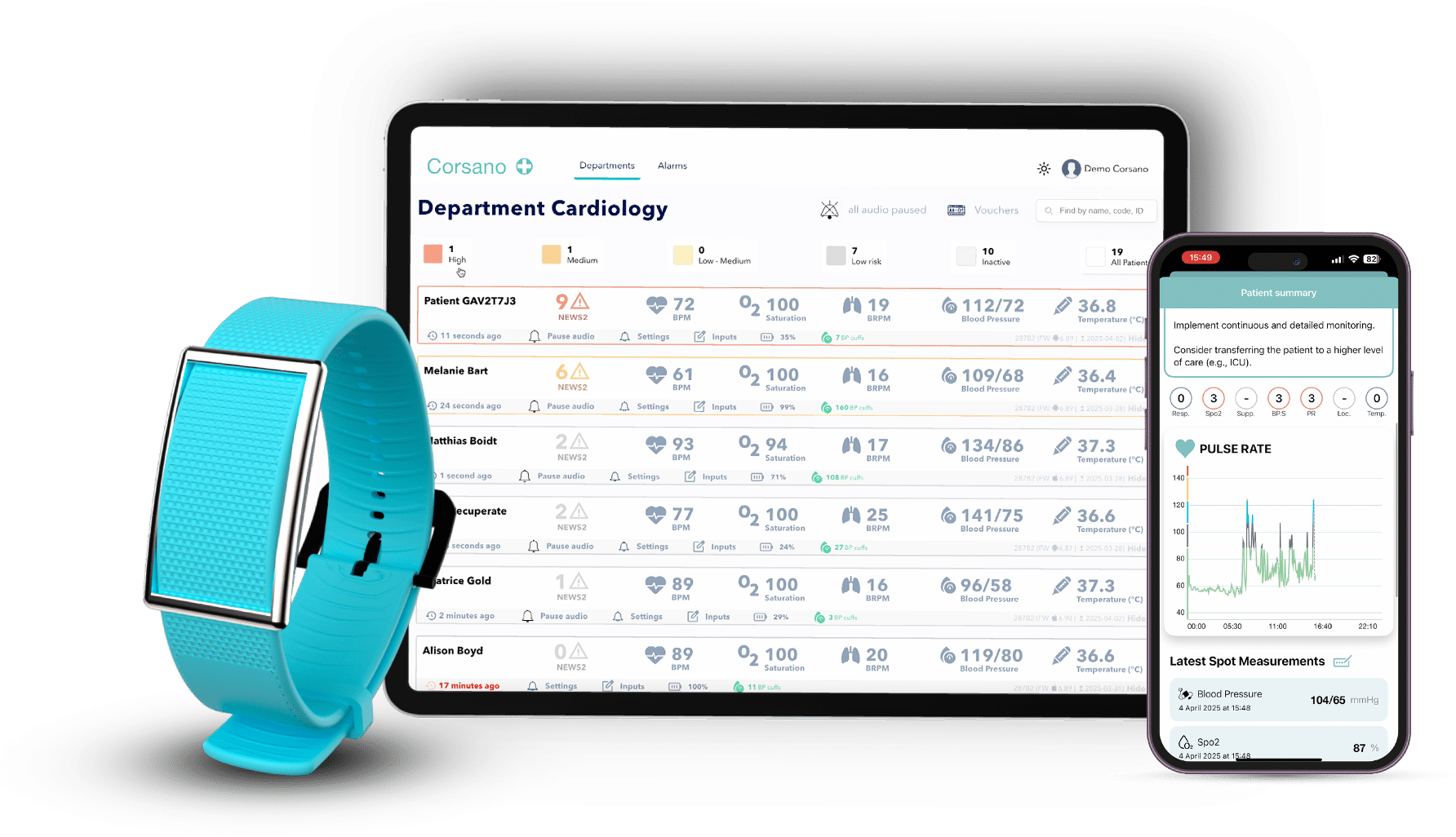
Figure 1: End-to-end medical wearable ecosystem featuring multi-sensor band hardware, gateway synchronization, and cloud telemetry analytics.
ISO 13485 Certified Production Lines
Our manufacturing plant operates under certified ISO 13485 quality management systems, utilizing class 100,000 cleanroom assembly lines, automated optical inspection (AOI), and 100% water-tight pressure testing for IP68/3ATM ratings.
Unrestricted Raw Signal Access (128Hz)
Unlike consumer smartwatch brands that hide raw sensor data behind encrypted proprietary cloud silos, our OEM platform provides uncompressed raw PPG, ECG, accelerometer, and GSR data streams at up to 128 Hz sampling frequency for AI research and custom algorithm deployment.
Full-Stack Hardware & Firmware Customization
From initial ID design, PCB micro-layout, and sensor optical array optimization to customized BLE firmware stacks, localized voice prompts (Korean language support), and private cloud server deployment, our engineering teams provide complete turnkey ODM support.
Technical Sensor Array Specifications
Our medical smartwatches integrate top-tier physiological sensors to ensure clinical reliability across all monitoring metrics:
- ECG Sensing: Texas Instruments / Analog Devices front-end chips paired with medical 316L stainless steel or titanium dry-electrode arrays for single-lead electrocardiogram acquisition.
- Optical PPG Array: Multi-wavelength green, red, and infrared LED light paths paired with high-sensitivity photodetectors to measure continuous SpO2, arterial pulse wave velocity, and pulse rate variability (HRV).
- Continuous Skin Temperature: NTC micro-thermistor sensors contacting the inner wrist with continuous sampling precision of ±0.1°C for early fever and sepsis identification.
- 3-Axis / 6-Axis Motion Tracking: High-precision MEMS accelerometers configured for sedentary detection, step counting, posture classification, and clinical fall detection.
5. Frequently Asked Questions (FAQ) for Korean Procurement & OEM Partners
Below are common technical, commercial, and regulatory queries raised by healthcare buyers, medical device importers, and system integrators in South Korea when sourcing from our manufacturing facility:
6. Quality Management & International Regulatory Pedigree
When selecting an overseas manufacturing plant to serve the South Korean healthcare industry, verified quality assurance standards are non-negotiable. Our factory infrastructure holds international certifications that validate the safety, accuracy, and manufacturing consistency of every wearable unit leaving our assembly lines.
- • ISO 13485:2016 Certified: Comprehensive Quality Management System specifically for the design and manufacture of medical devices.
- • CE-MDR Compliance: Aligned with European Union Medical Device Regulations for clinical safety and bio-sensing accuracy.
- • FDA 510(k) Cleared Baseline Options: Pre-validated sensor architectures reducing regulatory friction for international market expansion.
- • ISO 10993 Biocompatibility: All skin-contact materials undergo rigorous testing for cytotoxicity, sensitization, and intracutaneous reactivity.
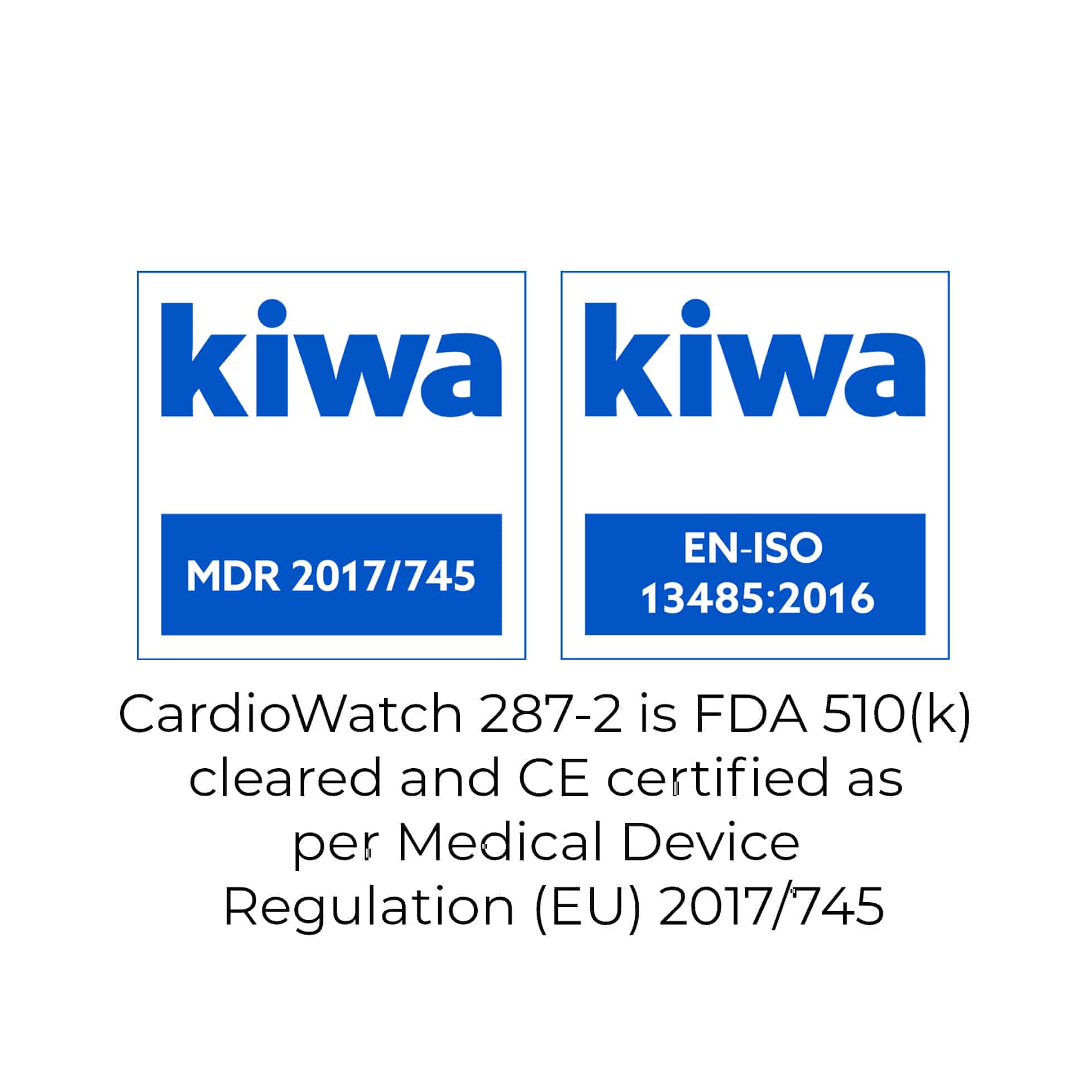
Audited Medical Quality Management System
Partner with a Trusted Medical Smartwatch OEM Factory Serving Korea
Whether you are launching a clinical trial, expanding a smart hospital solution, or seeking an OEM manufacturing partner for MFDS registration in South Korea, our engineering team is ready to assist.
Inquire Now