
High-Precision Multi-Parameter Wearable Sensing for U.S. Hospitals, RPM Networks, and Clinical Trials
The modern healthcare ecosystem across the United States is undergoing a fundamental structural transition. Moving away from reactive, episodic vital sign spot-checks, health systems, clinical research organizations (CROs), and remote patient monitoring (RPM) providers are adopting continuous multi-sensor physiological surveillance. At the technical core of this shift is the multi-spectral Photoplethysmography (PPG) and Electrocardiography (ECG) architecture—a sensor fusion paradigm capable of capturing cardiac electrophysiology, microvascular peripheral hemodynamics, respiratory dynamics, continuous core-body thermometry, and autonomic galvanic response in a non-invasive, lightweight wearable footprint.
As a premier OEM/ODM manufacturer and international exporter of medical-grade continuous monitoring solutions, our enterprise platform fills a critical technical gap in the United States healthcare market. While consumer-grade wearables lack medical validation and lock high-resolution wave data behind proprietary walls, our ISO 13485-certified sensor ecosystem offers complete, uncompressed raw signal access (up to 128 Hz) paired with clinically validated algorithm pipelines. Designed for seamless integration into HL7, FHIR, and EMR frameworks, our devices empower American health networks to mitigate nursing workload, drive early deterioration warnings (EWS/NEWS2), optimize CPT code reimbursement, and accelerate decentralized digital biomarker development.
"Continuous monitoring transforms invisible physiological decay between nursing rounds into actionable, predictive clinical data streams—closing the vital gap in ward care and home telehealth."
Featured Medical PPG & ECG Sensor Wearables
Explore our portfolio of FDA 510(k)-cleared and CE-MDR candidate multi-sensor health bands engineered for enterprise procurement, hospital wards, and continuous remote monitoring.
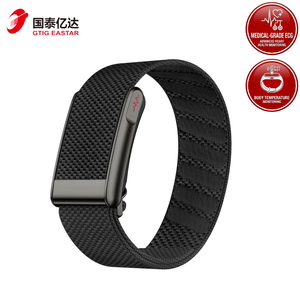
E500 ECG Screenless AI Health IP68 Smart Bracelet
Screenless clinical-grade monitoring band featuring continuous PPG/ECG telemetry, blood pressure estimation, sleep architecture analysis, and IP68 water resistance for long-term patient compliance.
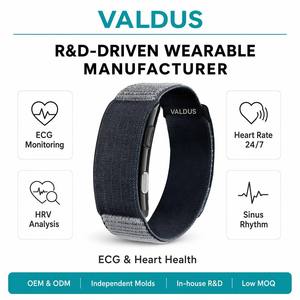
VALDUS VITRO Screenless 2026 Medical ECG Fitness Band
Designed for continuous active monitoring, featuring high-frequency PPG optical array, single-lead ECG rhythm acquisition, raw data streaming, and ultra-light ergonomic housing for 24/7 hospital wear.
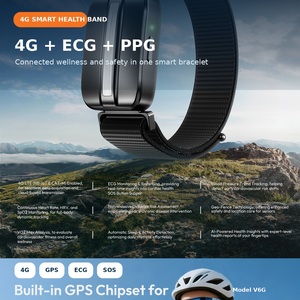
V6G 4G Cellular Medical Telemetry Smart Bracelet
Integrated 4G LTE-M mobile connectivity with standalone GPS positioning, ECG/PPG sensors, automated SpO2 tracking, and automated emergency SOS alerts tailored for senior post-discharge care.
Minimalist Precision Steel ECG Monitoring Bracelet
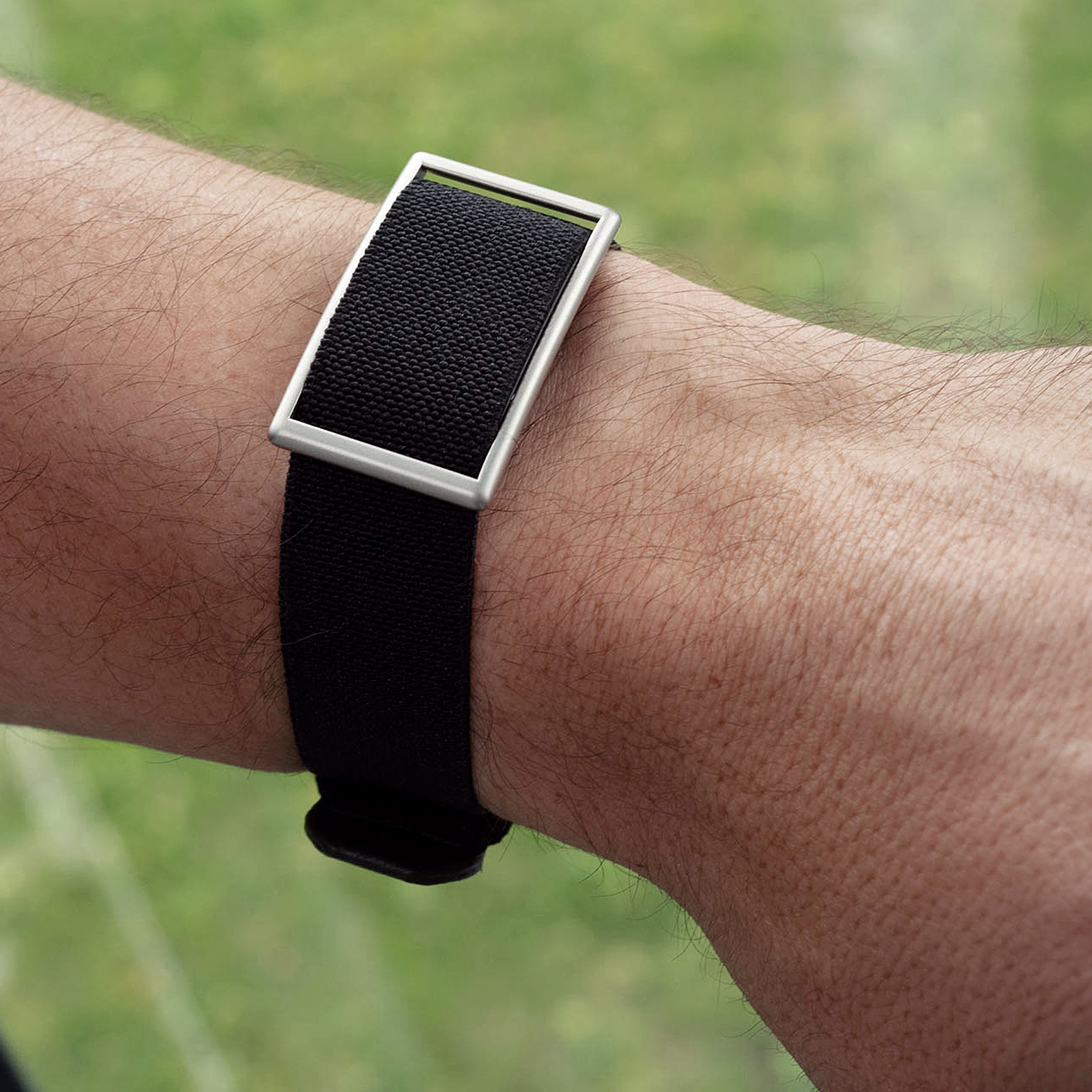
Subtle metallic form factor engineered for specialized outpatient clinical trials, featuring embedded dry-electrode ECG contacts and dual-LED optical photoplethysmography sensors.
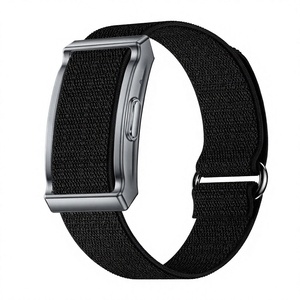
G70 Screenless Multi-Sensor ECG & Temperature Band
Compact multi-sensor array combining high-density ECG tracing, PPG pulse wave analysis, skin temperature sensor, skin conductance (GSR), and multi-day battery endurance for hospital wards.
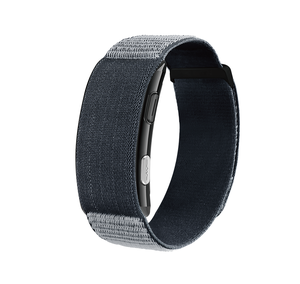
VITRO Waterproof Multi-Parameter Clinical Bracelet
1ATM waterproof design featuring advanced cardiac rhythm monitoring, remote Bluetooth gateway synchronization, sleep staging analysis, and automated nocturnal apnea detection.
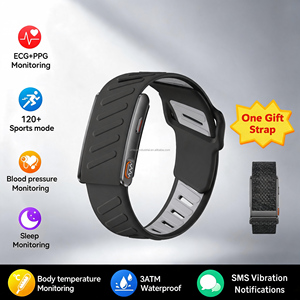
Extended Battery (15-Day) Screenless ECG Health Monitor
Long-duration monitoring module with 180mAh optimized power management, 3ATM water protection, single-lead ECG wave capture, and automated background SpO2/HR trend analysis.
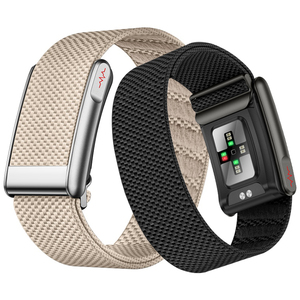
2026 E500 Screenless NFC Medical Telemetry Bracelet
Advanced non-display wearable equipped with NFC clinical patient tap-in, continuous PPG core temp tracking, single-lead ECG recording, and enterprise REST API integration endpoints.
The Engineering Science: Photoplethysmography (PPG) & Electrocardiography (ECG) Integration
A deep technical analysis into why dual-modality sensing outperforms traditional single-parameter devices in clinical sensitivity and diagnostic precision.
Multi-Spectral Optical PPG Sensing
Utilizing high-frequency optical arrays with Green (525 nm), Red (660 nm), and Infrared (940 nm) LEDs, our sensors measure volumetric changes in microvascular arterial beds. Red and IR differential absorption allows high-precision continuous pulse oximetry (SpO2), while green wavelength arrays capture heart rate variability (HRV) metrics under motion artifacts.
Single-Lead Electrocardiography (ECG)
Integrated titanium/stainless-steel dry electrodes complete a vector circuit across the wrist, acquiring medical single-lead ECG waveforms sampled at up to 128 Hz. This enables automatic extraction of P-wave duration, QRS complex morphology, and PR/QT intervals—essential for detecting Atrial Fibrillation (AFib), premature ventricular contractions (PVCs), and cardiac arrhythmia.
Continuous Core-Body Temperature & GSR
Featuring embedded skin thermistors and Galvanic Skin Response (GSR) sensors, the hardware tracks baseline thermal fluctuations to flag early systemic inflammatory responses (sepsis onboarding) and sympathetic nervous system activation under physical strain or clinical distress.

Unrestricted 128Hz Raw Waveform Streaming for AI Models
Unlike commercial consumer fitness trackers that restrict access to raw physiological data or apply proprietary smoothing filters, our multi-sensor platform provides unfiltered, raw signal outputs for research and clinical development.
- Raw PPG Traces: Unprocessed Green, Red, and Infrared photoplethysmography waveform channels.
- Raw Single-Lead ECG: Millivolt-level electrophysiological cardiac telemetry without vendor lock-in.
- 3-Axis Tri-Axial Accelerometer: High-precision motion vectors to filter out motion artifacts during digital signal processing (DSP).
- Open API & Mobile SDKs: Seamless real-time Bluetooth Low Energy (BLE) stream ingestion directly into Python, R, MATLAB, or custom clinical dashboards.
Enterprise Hardware Specifications Matrix
Detailed component-level parameters engineered to meet international clinical device benchmarks and US health system procurement requirements.
| Parameter / Feature | Specification & Sensor Architecture | Clinical & Research Utility |
|---|---|---|
| Optical Sensors (PPG) | Multi-wavelength Green (525nm), Red (660nm), Infrared (940nm) arrays | Continuous SpO2 tracking, Microvascular pulse wave velocity, HRV analysis |
| Cardiac Electrophysiology (ECG) | Single-Lead dry-contact electrodes; 128 Hz sampling frequency | Arrhythmia detection, AFib identification, QRS complex morphology capture |
| Motion & Posture Tracking | 3-Axis MEMS Accelerometer (±2g/±4g/±8g range) | Motion artifact noise cancellation, Fall detection, Patient posture & bed mobility |
| Thermal & Conductance Sensors | High-precision skin temperature sensor (±0.1°C accuracy) + GSR module | Early infection / Sepsis warning, Autonomic stress monitoring |
| Wireless Connectivity | Bluetooth Low Energy (BLE 5.2), 4G LTE-M / NB-IoT cellular options | Continuous ward telemetry, Standalone outpatient remote telemetry without smart gateways |
| Battery Endurance | Rechargeable Lithium-Polymer (180mAh - 280mAh), 7 to 15 days active wear | Uninterrupted multi-day hospital ward monitoring without mid-care charging downtime |
| Ingress Protection | IP68 & 3ATM Medical-grade enclosure rating | Disinfection protocol resistance (bleach/isopropyl alcohol wipe down), continuous shower wear |
| Regulatory Compliance | ISO 13485 Quality System, FDA 510(k) pathway aligned, CE-MDR candidate | Suitable for U.S. institutional review boards (IRB), hospital wards, and RPM billing |
Localized Application Scenarios Across U.S. Healthcare
Tailored workflows addressing structural pain points in North American health systems, post-acute networks, and clinical research infrastructure.
Mitigating Bedside Nursing Shortages & Preventing Deterioration
Registered Nurse (RN) shortages across hospital systems in the United States have heightened the risk of unobserved patient deterioration between standard 4-to-6-hour manual vital sign checks. When subtle respiratory or cardiac abnormalities occur outside monitoring windows, clinical escalation can be delayed, increasing ICU transfer rates and length of stay (LOS).
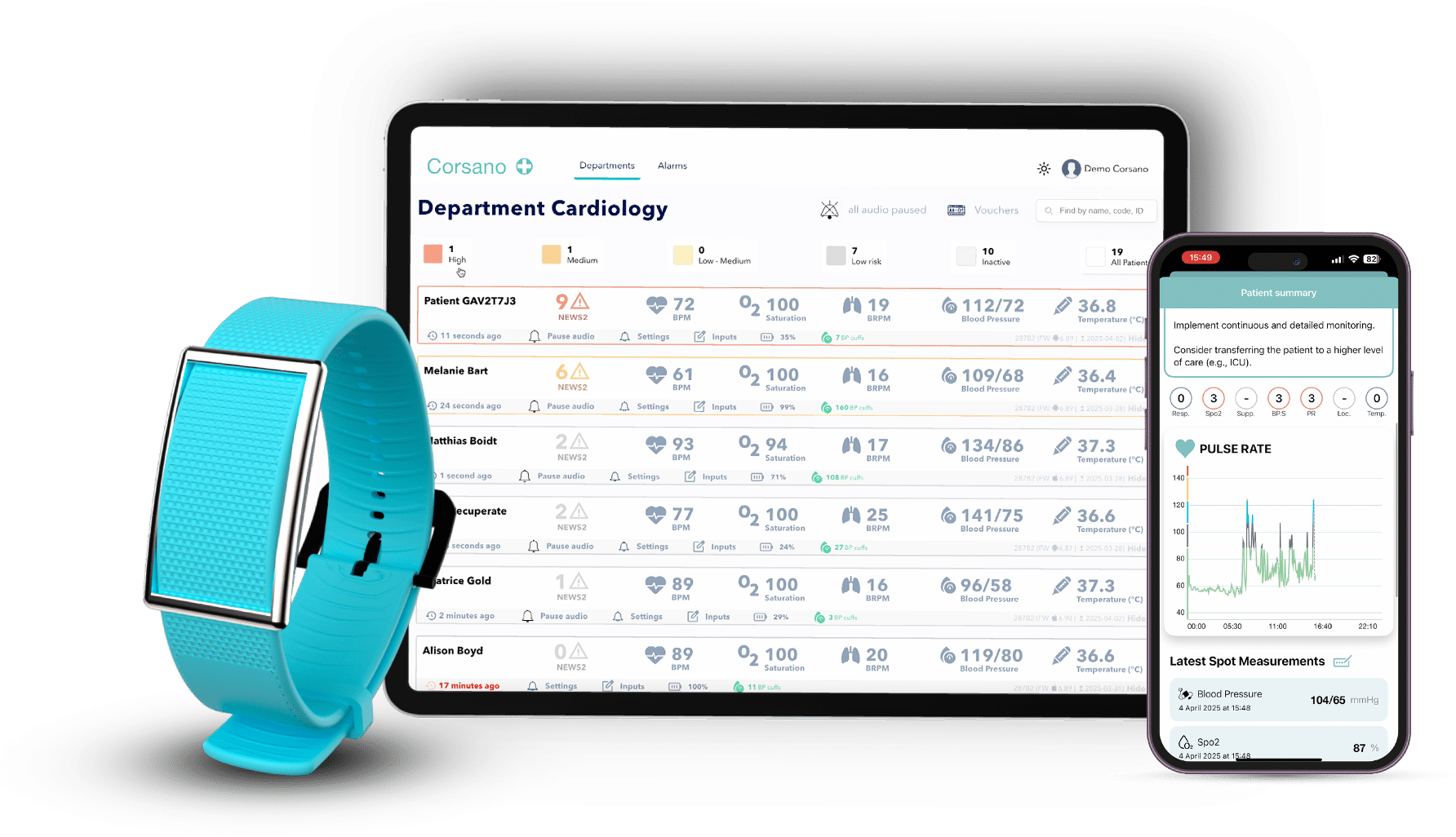
Deploying our wrist-worn PPG/ECG wearables across medical-surgical general wards introduces continuous automated monitoring. Vital data flows automatically into EHR systems, calculating automated Early Warning Scores (EWS/NEWS2). When a trend shifts toward instability, nursing staff receive immediate notification at central monitoring stations, transforming reactive crisis response into proactive clinical care.
Maximizing Reimbursement via Medicare CPT Codes 99453 & 99454
The Centers for Medicare & Medicaid Services (CMS) has established robust reimbursement pathways for Remote Patient Monitoring (RPM). However, U.S. healthcare providers often struggle with low patient compliance due to cumbersome, multi-device spot-check kits (cuffs, finger clips, scales).
Our single, non-obtrusive multi-sensor bracelet captures 16+ days of continuous data per calendar month, satisfying CMS requirements for CPT 99454 reimbursement without burdening the patient. Integrated cellular gateways transmit measurements directly to clinical care teams, boosting patient compliance to over 90% while ensuring complete audit-ready telemetry logs for CPT 99453, 99457, and 99458 billing.
Accelerating Decentralized Clinical Trials (DCTs) & Life Sciences
Pharmaceutical sponsors and U.S.-based CROs are increasingly shifting toward Decentralized Clinical Trials (DCTs) to increase participant diversity and retain study subjects. Collecting reliable safety and efficacy endpoints outside trial sites requires medical-grade wearable devices capable of providing validated digital biomarkers.
By delivering raw PPG and single-lead ECG wave data alongside participant-reported outcome tools (eCOA), our platform allows life sciences teams to build custom algorithms for cardiovascular safety, oncology-related fatigue, neurological stress, and post-operative recovery—all managed via a secure cloud portal.

Key Trends Shaping the U.S. Medical Wearable Market
Strategic insights for U.S. healthcare executives, medical device distributors, and procurement directors navigating digital health evolution.
Shift from Acute Care to Hospital-at-Home
U.S. health systems are expanding "Hospital-at-Home" programs to reduce overhead and improve patient outcomes. Continuous multi-sensor wearables serve as the core patient monitoring layer, ensuring early warning capabilities for early-discharge patients in their home environment.
Strict Zero-Trust HIPAA & NIST Cybersecurity
Cybersecurity is a primary concern for U.S. hospital CIOs. Modern medical wearables must feature hardware-level encryption (AES-256), secure boot protocols, end-to-end data encryption in transit and at rest, and full compliance with HIPAA and SOC 2 Type II audit standards.
AI/ML Predictive Biomarker Acceleration
FDA guidance around Software as a Medical Device (SaMD) is creating pathways for machine-learning risk models. Access to uncompressed, high-resolution PPG/ECG data stream inputs is vital for training novel predictive algorithms for condition onset, such as sepsis or heart failure exacerbation.
Why Top U.S. Medical Brands & Health Systems Partner With Us
As a global OEM/ODM manufacturer specializing in medical PPG/ECG sensors, we deliver end-to-end solutions tailored to U.S. B2B importers, medical device brands, and enterprise health networks.
- ISO 13485 Certified Manufacturing: State-of-the-art cleanroom manufacturing and strict quality management systems (QMS) ensuring batch-to-batch consistency and low failure rates.
- Full OEM/ODM Customization: Tailored firmware parameters, custom optical sensor configurations, bespoke casing branding, and specialized packaging for clinical trials or commercial distribution.
- Turnkey API/SDK Integration: Native iOS and Android mobile SDKs plus cloud REST APIs enable direct data routing into Epic, Cerner, AthenaHealth, or proprietary telehealth software platforms.
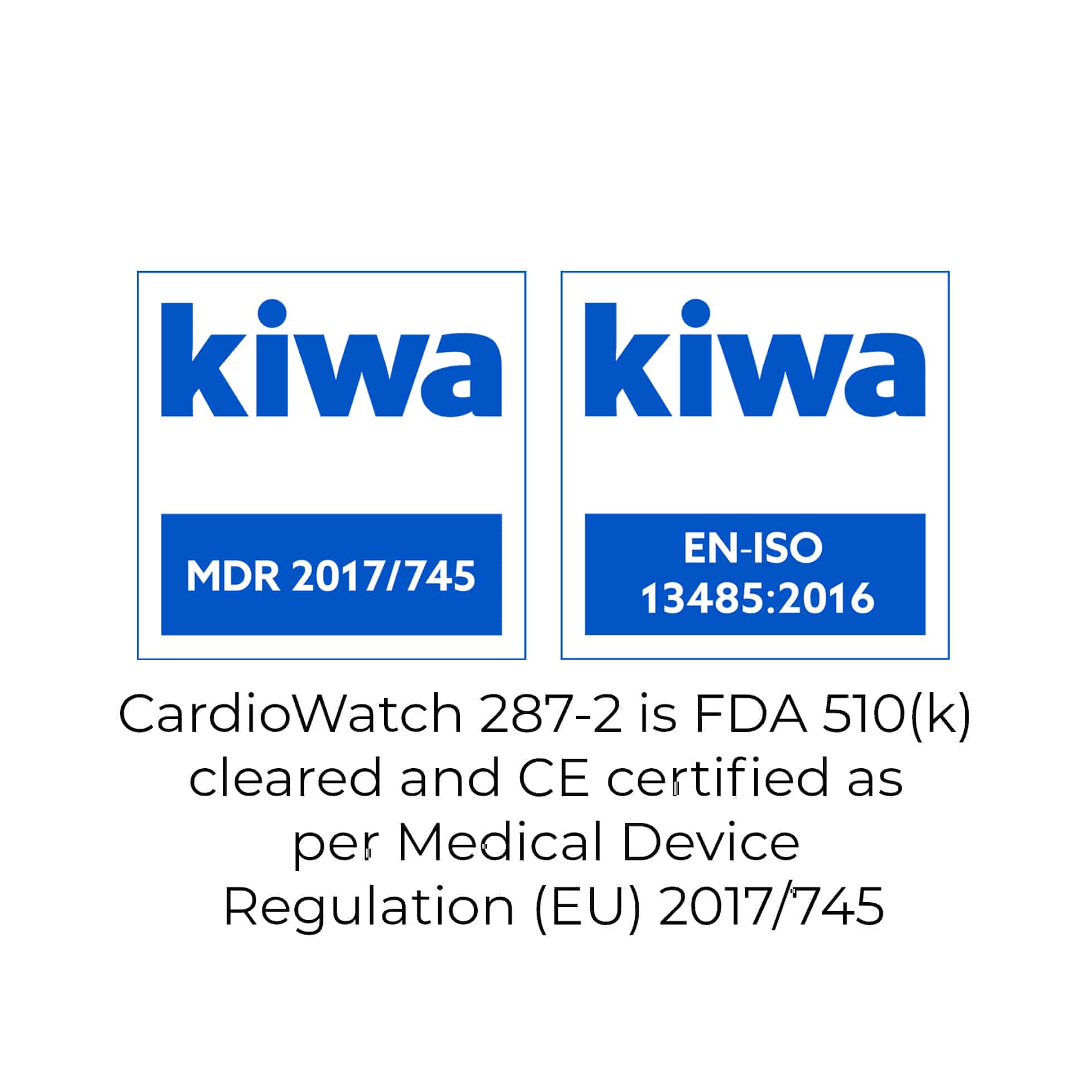
- US Regulatory Support: Full documentation packages (510(k) predicate comparison data, bio-compatibility testing ISO 10993, electrical safety IEC 60601-1) to streamline your regulatory clearance.
Frequently Asked Questions (US Buyer Procurement FAQ)
Direct, authoritative answers addressing technical specifications, regulatory pathways, integration timelines, and purchasing logistics for U.S. buyers.
Q: What is the FDA clearance status of your PPG ECG multi-sensor devices for U.S. deployment?
Our manufacturing facilities operate under strict ISO 13485 quality standards, and our core sensor platforms are engineered to align with established FDA 510(k) predicate devices (and hold CE-MDR certification in Europe). For U.S. enterprise buyers, distributors, and OEM partners, we provide comprehensive technical documentation packages—including IEC 60601-1 electrical safety, IEC 60601-1-2 EMC, ISO 10993 biocompatibility, and clinical bench-test validation—to support rapid 510(k) submission or integration under institutional research protocols.
Q: How do your PPG and ECG wearables integrate with existing hospital EHR systems like Epic or Cerner?
Data integration occurs via secure Bluetooth Low Energy (BLE) transmission to a bedside mobile gateway or hospital wall receiver, which forwards structured sensor payloads to our secure cloud API platform. From there, data is mapped to standard HL7 and FHIR (Fast Healthcare Interoperability Resources) data structures. This enables seamless flow of patient vital signs and automated Early Warning Scores (EWS) directly into EHR electronic flowsheets without requiring manual nursing entry.
Q: Can our research institution or pharma team export raw signal data for proprietary algorithm development?
Yes. Unlike consumer smartwatch brands that restrict data access to derived summary metrics (e.g., average HR per minute), our open-data architecture provides complete, IP-free export of raw optical PPG signals (Green, Red, IR channels at 128Hz), single-lead ECG wave traces in millivolts, 3-axis accelerometer motion vectors, and skin temperature data. Export formats include CSV, JSON, and binary streams accessible via developer SDKs.
Q: Are your multi-sensor devices compliant with Remote Patient Monitoring (RPM) Medicare reimbursement (CPT codes)?
Yes. Our wearable health bands are specifically designed to optimize compliance for CMS RPM billing. Under CPT 99454 (requiring 16 or more days of recorded readings per 30-day period), the comfortable, multi-day battery life ensures high patient adherence compared to episodic spot-check devices. The continuous data stream meets all CMS requirements for objective automated physiological data collection.
Q: What is the battery life during continuous, 24/7 PPG and ECG streaming?
Depending on the specific model and firmware configuration (e.g., continuous background PPG oximetry paired with periodic high-frequency ECG samples versus full continuous raw streaming), battery life ranges from 7 days up to 15 days on a single charge. This extended autonomy eliminates the operational headache of daily recharging during multi-week hospital stays or home monitoring programs.
Q: How do your devices handle patient privacy and HIPAA compliance for U.S. deployments?
Our end-to-end telemetry pipeline is engineered with zero-trust security architecture. On-device data is encrypted at rest using AES-256. Wireless communication over Bluetooth uses AES-128 security connections, and cloud ingestion endpoints utilize TLS 1.3 encryption. We execute Business Associate Agreements (BAAs) with U.S. healthcare clients, and our cloud infrastructure is fully compliant with HIPAA, GDPR, and SOC 2 Type II controls.
Q: What are the Minimum Order Quantities (MOQ) for OEM/ODM customization and US importing?
For standard wholesale orders of our standard catalog items, low MOQs are available to support initial clinical pilots or institutional trials (starting at 50–100 units). For full OEM/ODM custom projects—including custom casing colorways, private label branding, customized firmware routines, or custom packaging—MOQs typically range from 1,000 to 5,000 units depending on the engineering scope.