
Featured Smart Health Bracelets & Telemetry Hardware
Engineered for clinical remote patient monitoring, industrial safety compliance, and white-label IoT integration.
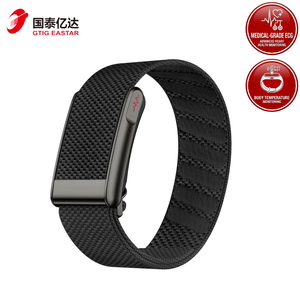
E500 ECG Screenless AI Health IP68 Smart Bracelet
- Dual-Lead ECG & AI Rhythm Analysis
- Continuous Blood Pressure & SpO2
- IP68 Submersible Enclosure
- Multi-Day Telemetry Battery
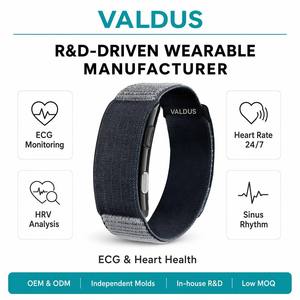
VALDUS VITRO Screenless ECG Tracker Band
- Ergonomic Distraction-Free Wear
- High-Frequency PPG & HRV Metrics
- Customizable SDK & API Gateway
- Hypoallergenic Silicone Band
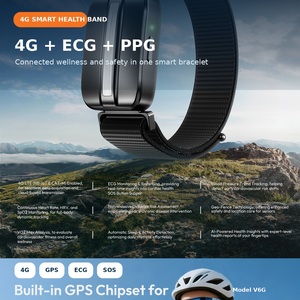
V6G 4G Smart Health Bracelet with GPS & SOS
- Direct 4G Cellular (eSIM/Nano)
- Real-time GPS Fall Detection
- Single-Touch SOS Emergency Alert
- Remote Vital Signs Transmission
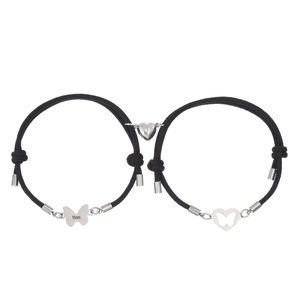
Minimalist Steel Electrocardiogram Band
- 316L Medical Grade Stainless Steel
- Integrated Magnetic Therapy Nodes
- Corrosion-Resistant PVD Coating
- Custom Logo Laser Engraving
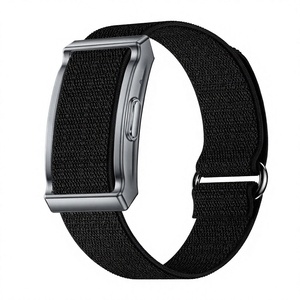
G70 Screenless ECG Temp & SpO2 Monitor
- Continuous Skin & Core Temp Sensing
- Multi-Wavelength Optical PPG Array
- Automated Sleep Staging Analysis
- Ultra-Low Power Bluetooth 5.2
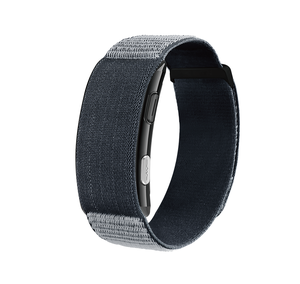
VITRO 1ATM Waterproof Smart Fitness Band
- 1ATM Water Resistance (10m)
- Bluetooth Calling & Alarm Relay
- Cross-Platform iOS & Android SDK
- High-Density Polymer Housing
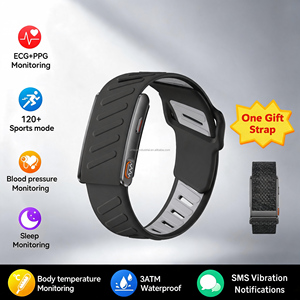
ECG No-Screen 15-Day Battery Bracelet
- 180mAh Lithium-Polymer Cell
- Up to 15 Days Active Telemetry
- 3ATM Submersible Rating
- Raw Motion & PPG Log Export
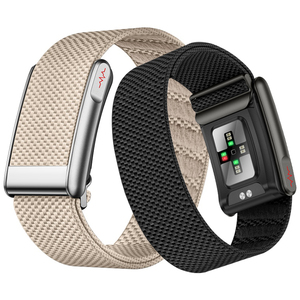
E500 Screenless NFC ECG Health Band
- High-Frequency NFC Access Control
- ECG + PPG Dual Fusion Engine
- Non-Invasive Blood Pressure Trend
- Encrypted On-Device Data Flash
Technical Whitepaper: Sourcing Medical-Grade & Industrial IoT Wearables for Greater Houston
As the primary economic engine of Texas and a international gateway for health science and heavy industrial logistics, Greater Houston presents a distinct procurement landscape for wearable technology. B2B procurement leaders, digital health systems engineering teams at the Texas Medical Center (TMC), and health, safety, and environmental (HSE) directors across the Houston Ship Channel energy corridor demand OEM/ODM factory partners who understand both hardware resilience and rigorous regulatory frameworks.
This technical guide evaluates the sensor architecture, firmware customizability, and export supply chain logistics involved in selecting overseas manufacturing partners capable of delivering continuous, multi-parameter wearable platforms into the North American market.
Information Gain Insight: Unlike consumer fitness trackers that rely on estimated motion heuristics, enterprise-grade wearables manufactured under ISO 13485 quality standards deliver raw Photoplethysmography (PPG), single-lead Electrocardiogram (ECG), and Galvanic Skin Response (GSR) signals up to 128 Hz directly to enterprise cloud infrastructure through open REST APIs and mobile SDKs.
Multi-Sensor Hardware Architecture & Bio-Signal Precision
Modern continuous monitoring wristbands rely on integrated multi-wavelength optical arrays combined with dry-electrode biopotential sensors. To ensure robust physiological capture across diverse clinical and workplace demographics in Harris County, factory manufacturing standards must ensure tight tolerances in sensor positioning, signal-to-noise ratios (SNR), and optical emitter calibration.
| Bio-Parameter | Sensor Sensing Mechanism | Sampling Frequency | Target Clinical / Industrial Application |
|---|---|---|---|
| Single-Lead ECG | Dry Titanium/Stainless Steel Electrodes | 128 Hz - 512 Hz | Arrhythmia detection, AFib screening, HRV stress indexing |
| Multi-Wavelength PPG | Green (525nm), Red (660nm), Infrared (940nm) | 64 Hz - 128 Hz | Continuous SpO2 tracking, arterial pulse wave velocity, heart rate |
| Core Temperature | Calibrated Heat-Flux Sensor Array | Continuous (1 Hz) | Early infection detection, industrial worker heat-stroke prevention |
| Galvanic Skin Response | Skin Conductance Electrodes (GSR) | 32 Hz | Autonomic nervous system arousal, stress & fatigue tracking |
| Motion & Posture | 3-Axis Micro-Electro-Mechanical Accelerometer | 50 Hz | Fall detection, tremor analysis, active posture classification |
Ecosystem Interoperability: EMR & Cloud Telemetry
A primary bottleneck for Houston hospital networks and clinical research organizations is data isolation. Factory-direct wearable solutions must bridge physical sensors to Electronic Medical Record (EMR) software such as Epic, Cerner, and Athenahealth.
By leveraging Bluetooth Low Energy (BLE 5.2/5.3) gateways or direct 4G LTE-M/NB-IoT cellular connectivity, raw biometrical data streams bypass consumer smartphones entirely. Encrypted payload formats (AES-128/256) ensure full compliance with HIPAA data security rules and GDPR governance.
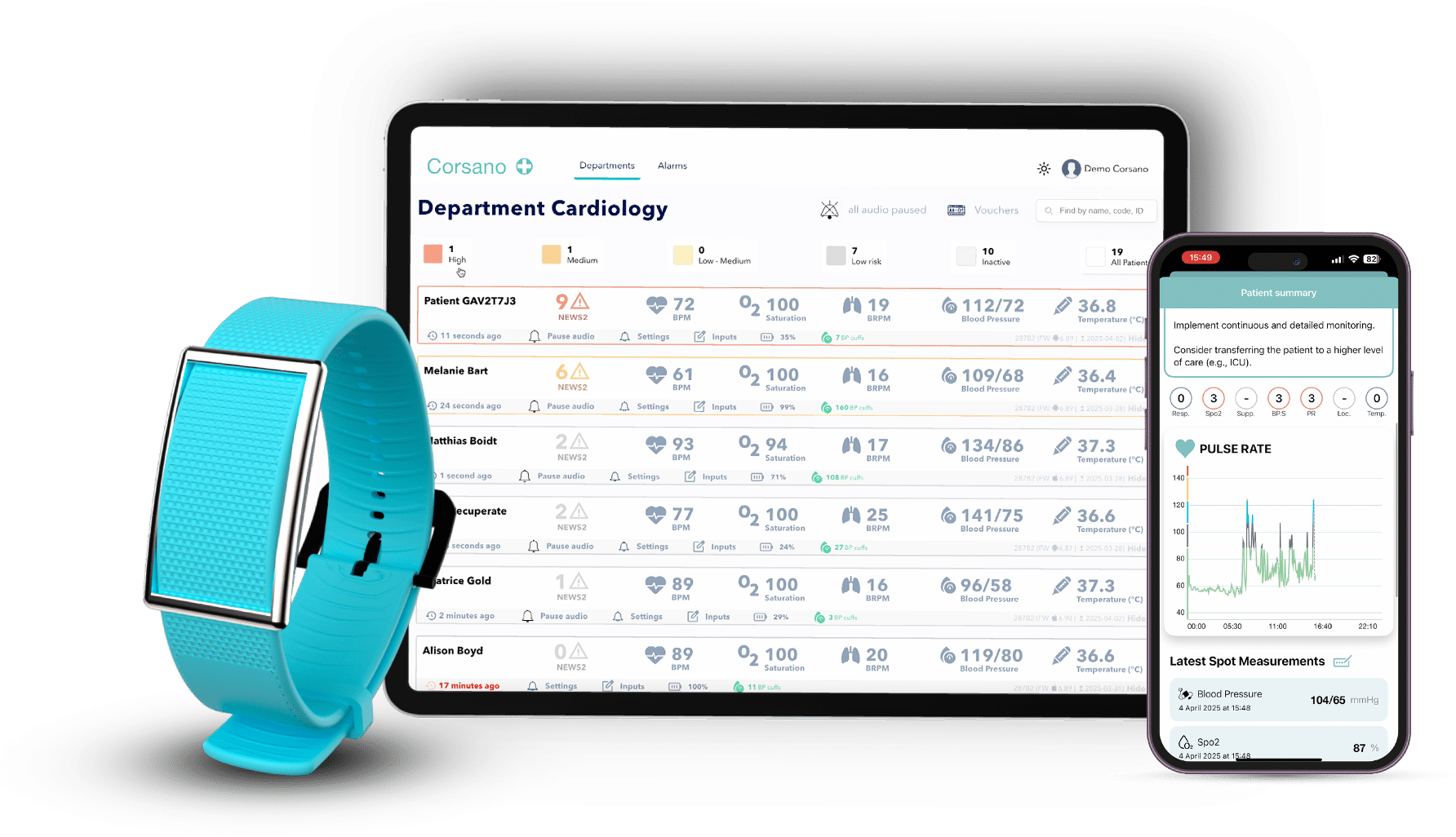
Localized Application Scenarios in Greater Houston & Texas Regional Corridors
Deploying IoT wearable technologies across Houston requires adapting to extreme climate conditions, specific healthcare infrastructure requirements, and unique regional industrial workloads.
Texas Medical Center (TMC) Post-Discharge & Remote Patient Monitoring
With TMC hosting institutions like MD Anderson, Houston Methodist, and St. Luke's Health, continuous monitoring bracelets enable hospital-at-home pathways. Patients discharged following cardiac procedures wear IP68 screenless ECG bands that feed automated Early Warning Scores (EWS) to centralized nursing stations, dramatically lowering 30-day readmission penalties.
Houston Ship Channel & Refinery Worker Industrial Heat Safety
Subtropical heat and high humidity along the Gulf Coast present severe thermal risk to outdoor refinery and petrochemical crews. Screenless bands featuring continuous skin temperature sensing, heart rate telemetry, and heat-flux algorithms alert safety managers via cellular mesh when a technician exhibits signs of thermal strain or dehydration.
Aerospace Human Performance Research (NASA/JSC Ecosystem)
Surrounding NASA’s Johnson Space Center, aerospace defense contractors and life science consortia utilize high-frequency raw PPG and accelerometer data export (up to 128 Hz) to model human fatigue, circadian disruption, and stress markers during simulated spaceflight and high-altitude testing.
Texas IoT Trends: Regulatory Approvals & Edge Intelligence
The North American IoT market is rapidly evolving beyond standard activity logging. Key trends driving B2B procurement in Texas include:
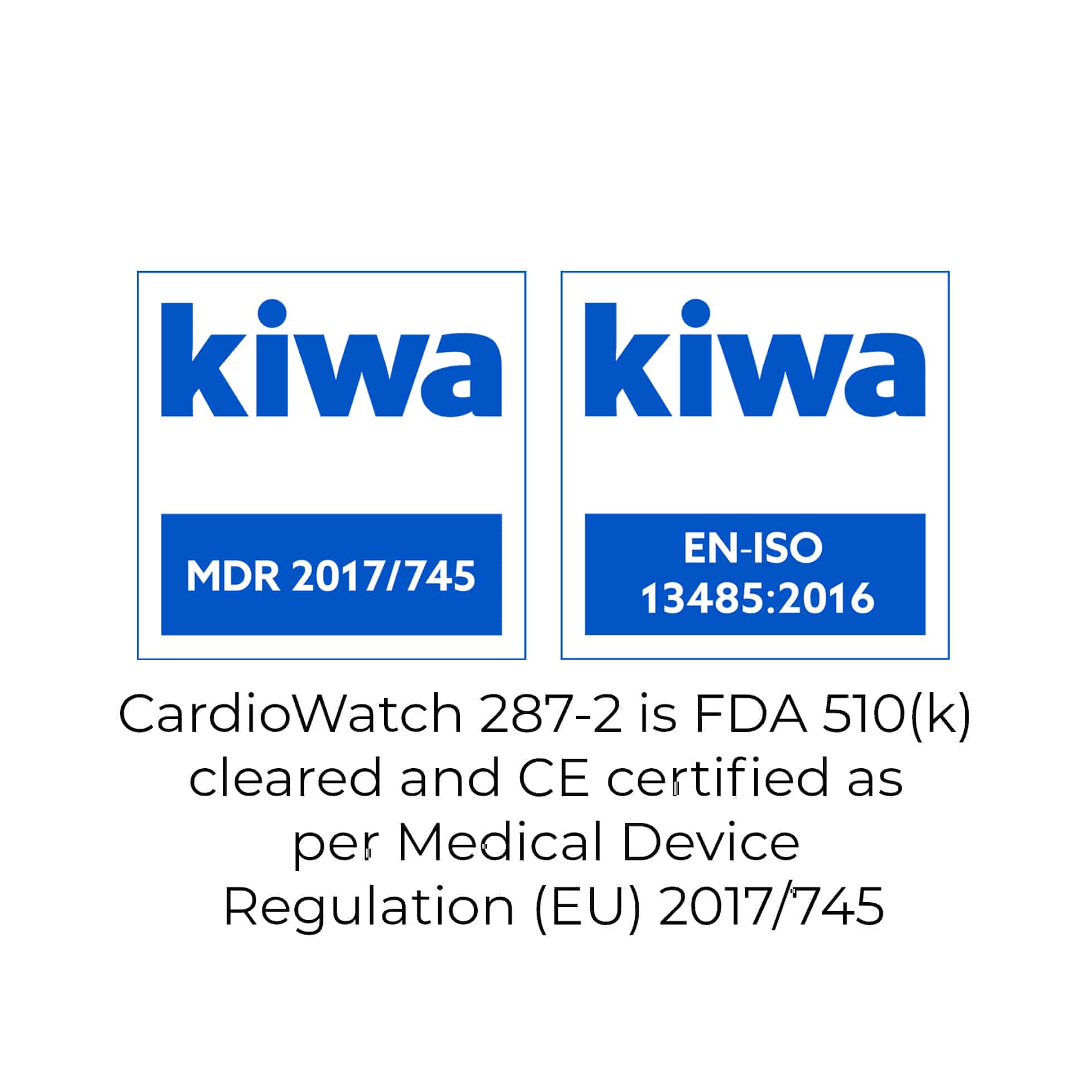
- FDA 510(k) Clearance & CE-MDR Audit Alignment: Enterprise importers require overseas factories to operate under stringent ISO 13485 Quality Management Systems to ensure components pass FDA baseline medical device registration and EMC safety testing.
- Screenless Form Factor Dominance: Omitting the display screen increases battery longevity from 24 hours to over 15 days, minimizes patient distraction, and prevents tampering in institutional settings.
- Edge-Based Arrhythmia Detection: On-device microcontrollers execute lightweight neural network algorithms to detect atrial fibrillation or sleep apnea anomalies in real time, triggering alerts only when clinically significant events occur.
Direct Exporter Factory Capabilities & Customization
Sourcing directly from an established exporter guarantees supply chain stability, custom enclosure tooling, tailored firmware compilation, and wholesale pricing structures.
Whether you require custom BLE service UUIDs, branded packaging for North American distribution, or custom biometric algorithms for a clinical trial, our OEM/ODM facilities offer turnkey manufacturing services from PCB layout design to final air cargo dispatch to George Bush Intercontinental Airport (IAH) or sea freight through the Port of Houston.
Frequently Asked Questions for Houston Importers
Key considerations regarding regulatory compliance, bulk logistics, and custom firmware engineering.
What regulatory certifications do your wearable devices hold for US import?
Our manufacturing facilities operate under strict ISO 13485 quality management systems. Selected wearable product lines feature CE-MDR certification and FDA 510(k) clearance pathways, ensuring compliance with FCC wireless emissions rules and US medical hardware regulations for deployment across Texas healthcare networks.
Can our engineering team access raw PPG and ECG waveform data?
Yes. We specialize in open-architecture wearables. Unlike commercial fitness bands, our platforms grant IP-free access to raw 3-axis accelerometer, optical PPG (green, red, infrared wavelengths), skin temperature, and single-lead ECG signals sampled at up to 128 Hz via our mobile SDKs and REST APIs.
How long does cargo shipping take to reach Houston, Texas?
Express air freight dispatch directly to George Bush Intercontinental Airport (IAH) typically takes 3 to 5 business days from factory clearance. Consolidated containerized shipments entering through the Port of Houston generally take 22 to 28 days, including customs processing at the Texas port of entry.
What customization options are available for OEM/ODM orders?
We provide full white-label customization including laser-engraved enclosure branding, custom silicone or fabric strap colors, custom BLE advertising payloads, bespoke firmware logic (such as targeted fall detection or custom EWS scoring), and custom app gateway integration.
Are these bracelets compatible with HIPAA-compliant cloud storage?
Yes. The wearable hardware communicates via encrypted Bluetooth Low Energy (AES-128 bit) to iOS/Android bridge applications. The bridge forwards data payloads directly to your HIPAA-compliant AWS/Azure endpoint using TLS 1.3 encryption, ensuring no Protected Health Information (PHI) is stored insecurely on the device.
What is the Minimum Order Quantity (MOQ) for custom factory orders?
Standard off-the-shelf evaluation units have no minimum quantity requirement for verified clinical or industrial trial buyers. Custom OEM/ODM runs with dedicated branding and custom firmware configurations typically start at 500 to 1,000 units depending on enclosure specifications.