Medical-Grade Vital Monitoring Lineup for Riyadh Hospitals
Explore our spectrum of screenless telemetry bands, multi-sensor continuous monitors, and remote health wearables custom-engineered for acute wards, post-discharge tracking, and institutional care.

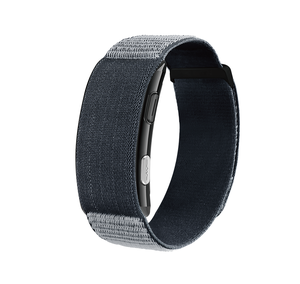
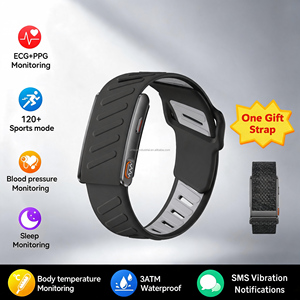
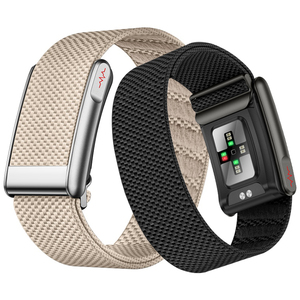
Transforming Clinical Monitoring in the Kingdom of Saudi Arabia: Riyadh’s Digital Health Evolution
Under the ambitious umbrella of Saudi Vision 2030 and the Health Sector Transformation Program (HSTP), the healthcare delivery model across Riyadh and the broader Kingdom of Saudi Arabia (KSA) is undergoing a paradigm shift. Traditional hospital care frameworks rely heavily on periodic manual spot-checks for vital signs—a methodology that creates substantial blind spots in patient oversight. In a standard general ward setting, nursing rounds occur every 4 to 6 hours. During these observational gaps, subtle physiological deterioration, such as early-stage sepsis, respiratory failure, or silent cardiac events, can escalate undetected.
As an international leader in medical-grade continuous physiological telemetry, our manufacturing operations supply state-of-the-art patient monitoring systems engineered specifically to solve the clinical, regulatory, and infrastructural requirements of Riyadh's healthcare providers. From Ministry of Health (MoH) medical cities to premier private healthcare groups across the Central Province, our multi-parameter wearable solutions bridge the gap between ward beds, telemetry centers, and outpatient home settings.
Information Gain Insight: Clinical trials in tertiary hospitals demonstrate that continuous multi-parameter telemetry catches signs of patient deterioration up to 6 hours earlier than intermittent spot-checks, reducing emergency ICU readmissions by 38% and lowering overall length of stay (LOS) in acute wards.
Localized Application Scenarios in the Riyadh Healthcare Ecosystem
1. General Ward Deterioration Prevention & EWS Automation
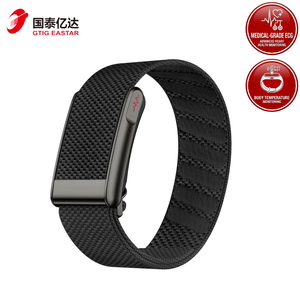
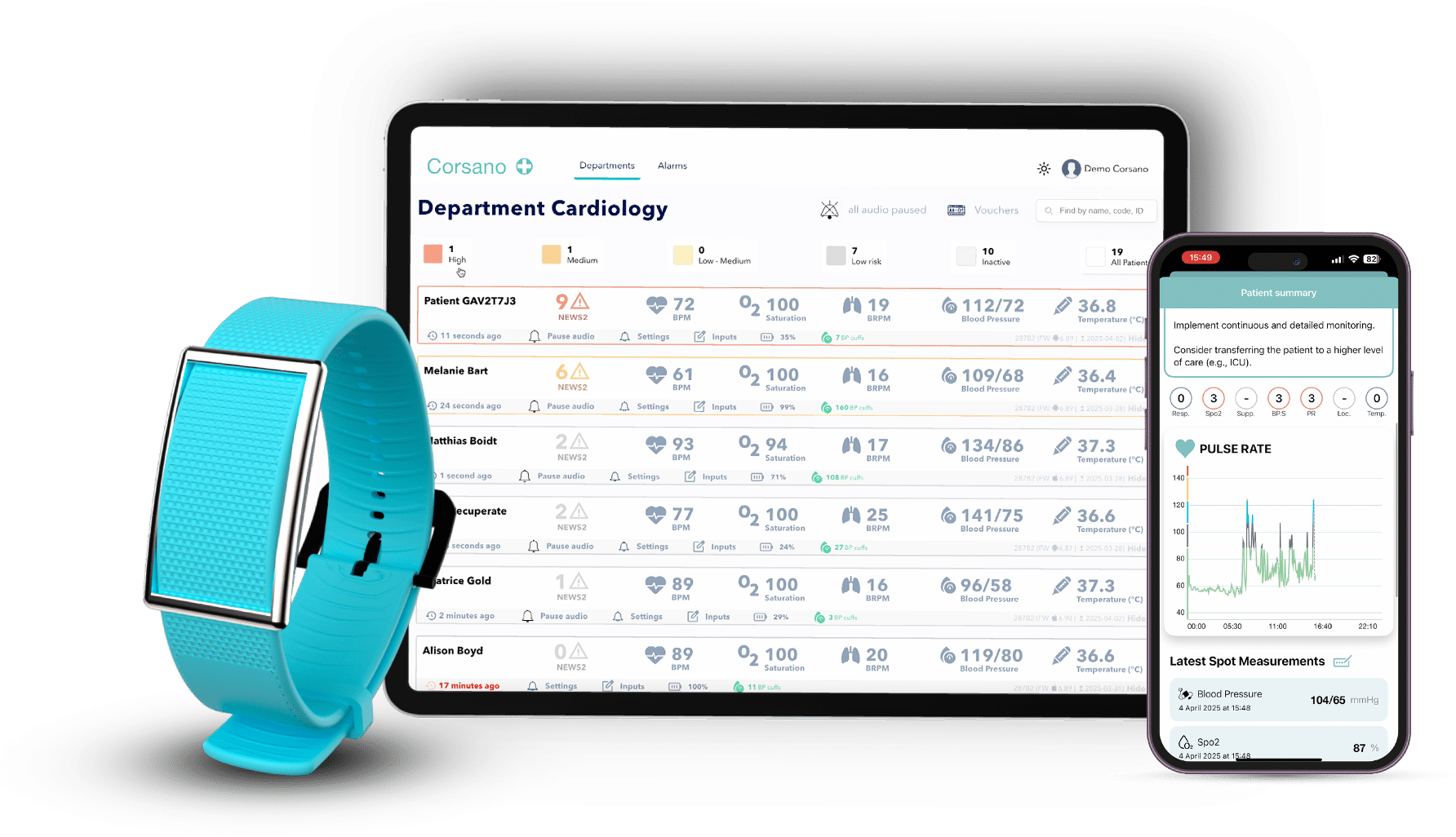
In high-capacity facilities like King Fahad Medical City or King Faisal Specialist Hospital, general wards often face high bed turnover and heavy nursing workloads. By deploying screenless medical bracelets, every ward bed is upgraded to a continuous telemetry station. Continuous PPG, single-lead ECG, skin temperature, and respiration algorithms continuously calculate localized National Early Warning Scores (NEWS2), transmitting real-time alerts to central nursing dashboards before critical events occur.
2. Post-Discharge & Hospital-at-Home (RPM) Programs
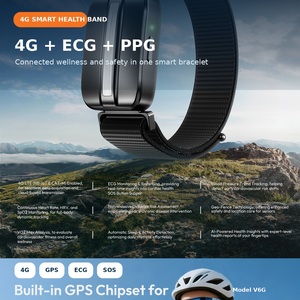
To reduce bed occupancy pressure across Riyadh’s medical hubs, hospital networks are expanding Remote Patient Monitoring (RPM) and "Hospital-at-Home" initiatives. Patients recovering from coronary interventions, heart failure, or major surgeries wear lightweight, water-resistant bracelets home. Data syncs seamlessly via cellular gateways or 4G-enabled bracelets to hospital telemetry teams, protecting high-risk patients during the vulnerable 30-day post-discharge window.
Tele-ICU & Step-Down Units
Enabling intermediate care beds with high-frequency continuous vital parameter collection without tethering patients to heavy, intrusive bedside monitors. Promotes early patient mobility.
Cardiology & Arrhythmia Screening
Continuous single-lead ECG rhythm strips combined with 128 Hz raw PPG waveform analysis enable precise detection of transient Atrial Fibrillation (AFib), premature ventricular contractions, and silent ischemia.
Geriatric & Diabetic Care
Riyadh faces significant metabolic disease burdens. Non-invasive monitoring of skin temperature, physical activity, sleep staging, and autonomic stress biomarkers allows comprehensive outpatient chronic disease management.
Global Clinical Validation & Operational Scale
Enterprise Advantages: Why Leading Riyadh Healthcare Systems Choose Our Telemetry Platform
Unlike consumer smartwatches or uncalibrated commercial bands, our continuous medical bracelets are manufactured under strict ISO 13485 quality management systems and hold rigorous regulatory certifications including CE-MDR and FDA 510(k) clearance.
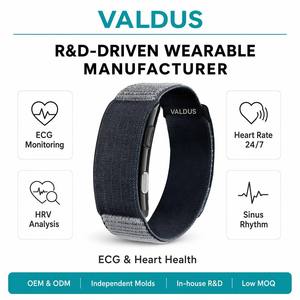
- Medical-Grade Multi-Sensor Architecture: Integrates 3-axis accelerometers, PPG (Green, Red, Infrared wavelengths), single-lead ECG sensors, skin temperature sensors, and Galvanic Skin Response (GSR) modules into an ultra-lightweight ergonomic chassis.
- Unrestricted Raw Data Access (Up to 128 Hz): We grant institutional research centers and pharmaceutical sponsors raw signal access for proprietary digital biomarker discovery and custom AI model validation—eliminating vendor lock-in.
- NPHIES & EMR Integration via Open APIs/SDKs: Designed for effortless interoperability with hospital information systems (HIS), Epic, Cerner, and Saudi Arabia's National Platform for Health Information Exchange (NPHIES) using RESTful APIs and native mobile SDKs.
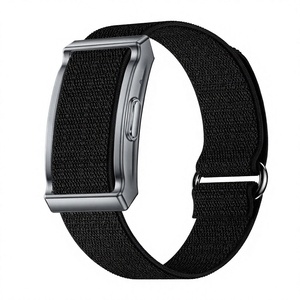
- Screenless Engineering for High Patient Compliance: Eliminates screen distractions, accidental patient inputs, and excessive power draw, achieving up to 15 days of continuous battery runtime per charge cycle.
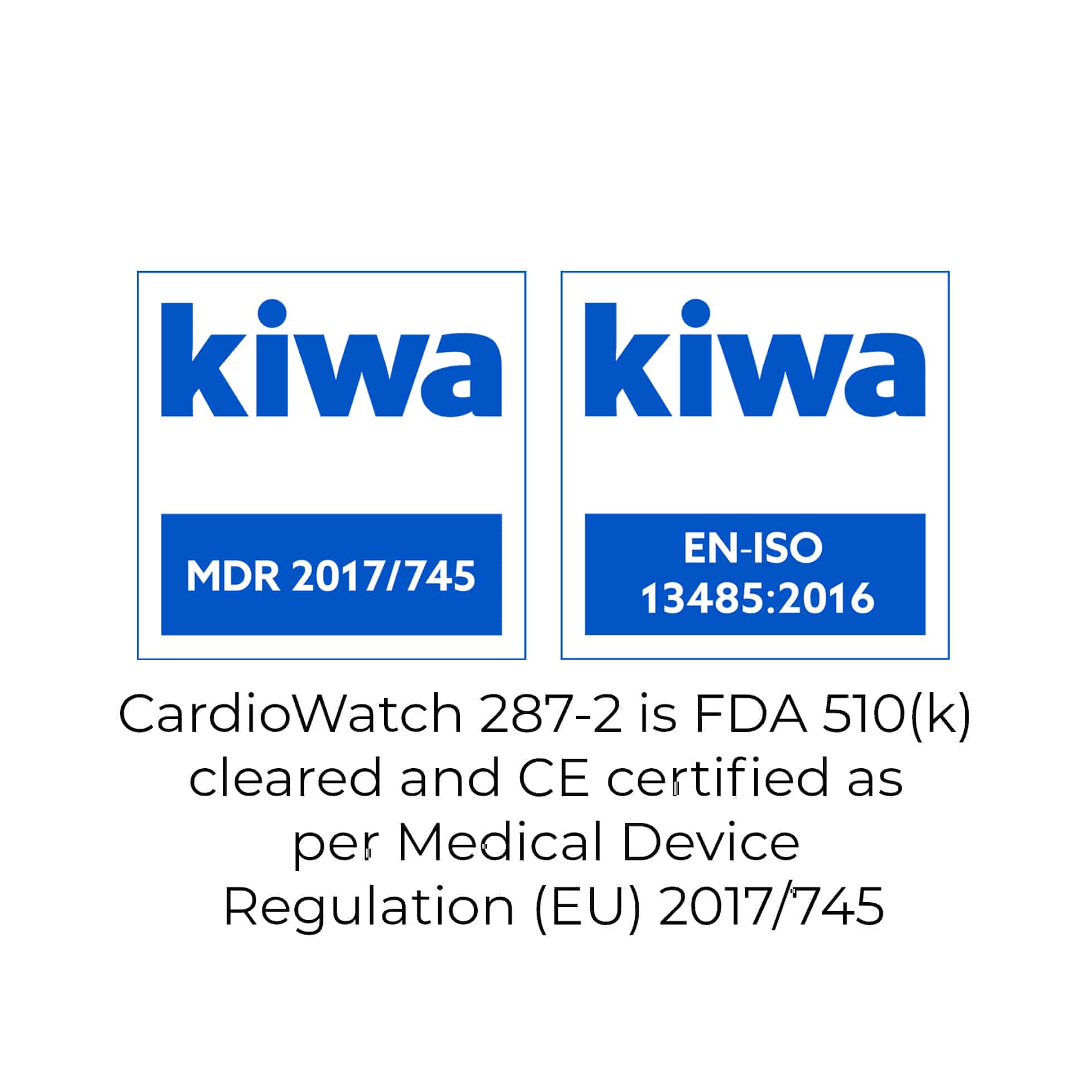
Audited Quality Assurance under Medical Device Regulation (CE-MDR) & ISO 13485 Standard
Participating in International Healthcare Consortia & Research Programs