

Executive Overview: The Evolution of Intensive Care Infrastructure in Hanoi
As Northern Vietnam accelerates its healthcare modernization mandates under the national health digital transformation framework, hospital administrators and biomedical procurement teams across Hanoi are prioritizing high-acuity multi-parameter ICU monitors and continuous wireless telemetry systems. Top tier clinical centers—such as Bạch Mai Hospital, Việt Đức University Hospital, Central Military Hospital 108, and Vinmec International Hospital—are transitioning from traditional standalone bedside spot-check monitors to centralized, interoperable monitoring ecosystems.
Leading OEM/ODM manufacturers in China have emerged as key strategic suppliers for the Hanoi healthcare sector. By bridging advanced bio-sensor engineering with cost-efficient ISO 13485 manufacturing facilities, Chinese medical equipment factories provide Vietnamese healthcare providers with hospital-grade ICU telemetry platforms that comply strictly with European CE-MDR and US FDA 510(k) specifications. This technical whitepaper outlines the structural parameters, localized application paradigms, regulatory pathways, and OEM capabilities required to successfully tender and deploy ICU monitors in Hanoi’s fast-evolving clinical landscape.
Localized Application Scenarios in Hanoi’s Healthcare System
Understanding the specific clinical workflows in Vietnamese hospitals is critical for procuring the correct ICU monitor configurations. The combination of high patient turnover, tropical disease outbreaks (e.g., Dengue fever, viral pneumonia), and post-operative monitoring demands versatile continuous tracking solutions.
High-Acuity ICU Wards & Septic Shock Monitoring
In tertiary ICUs across Hanoi, continuous tracking of Central Venous Pressure (CVP), Invasive Blood Pressure (IBP), multi-lead ECG rhythm strips, continuous SpO2, and respiratory dynamics is vital. Chinese manufacturing partners supply modular ICU monitors equipped with multi-channel raw PPG and ECG data acquisition up to 128 Hz, aiding clinicians in early detection of septic shock and hemodynamic instability.
Post-Operative Step-Down Wards & Telemetry
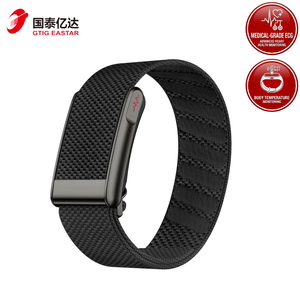
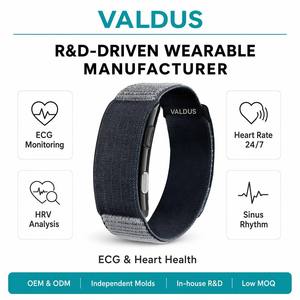
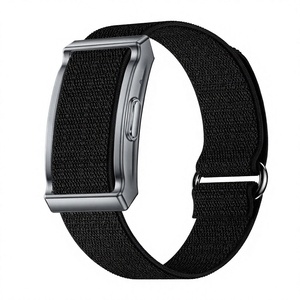
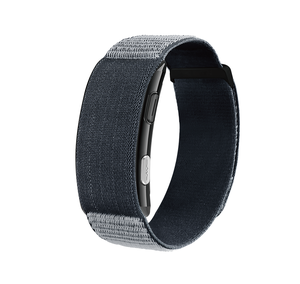
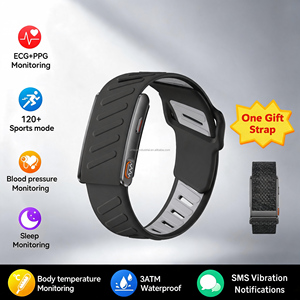
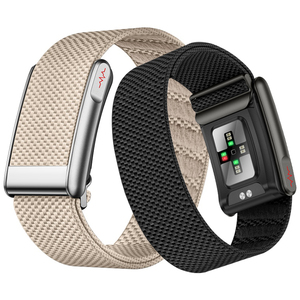
Overcrowding in general wards requires step-down units to utilize light, screenless wireless telemetry bands (such as the E500 and G70 series). Patients recovering from complex surgical procedures at centers like Việt Đức Hospital wear IP68 waterproof telemetry bands that transmit continuous pulse rate, arrhythmia alerts, and skin temperature to central nursing stations without restricting patient mobility.
Infectious Disease Isolation & Remote Patient Surveillance
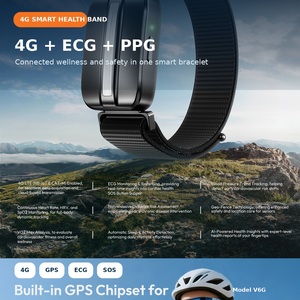
Hanoi’s public healthcare infrastructure relies heavily on automated warning triggers for isolation wards handling viral transmission. Utilizing cellular 4G medical bracelets (V6G platform), doctors can continuously capture oxygen saturation (SpO2), single-lead ECG waveforms, and early fever spikes remotely, minimizing direct nurse exposure while maintaining continuous medical chart updates via REST APIs.
Hanoi Medical Market Trends & Procurement Drivers (2026–2030)
Procurement of ICU medical technology in Vietnam has undergone major regulatory and operational shifts. Key trends shaping tender requirements in Hanoi include:
1. EMR Interoperability & Digital Biomarkers
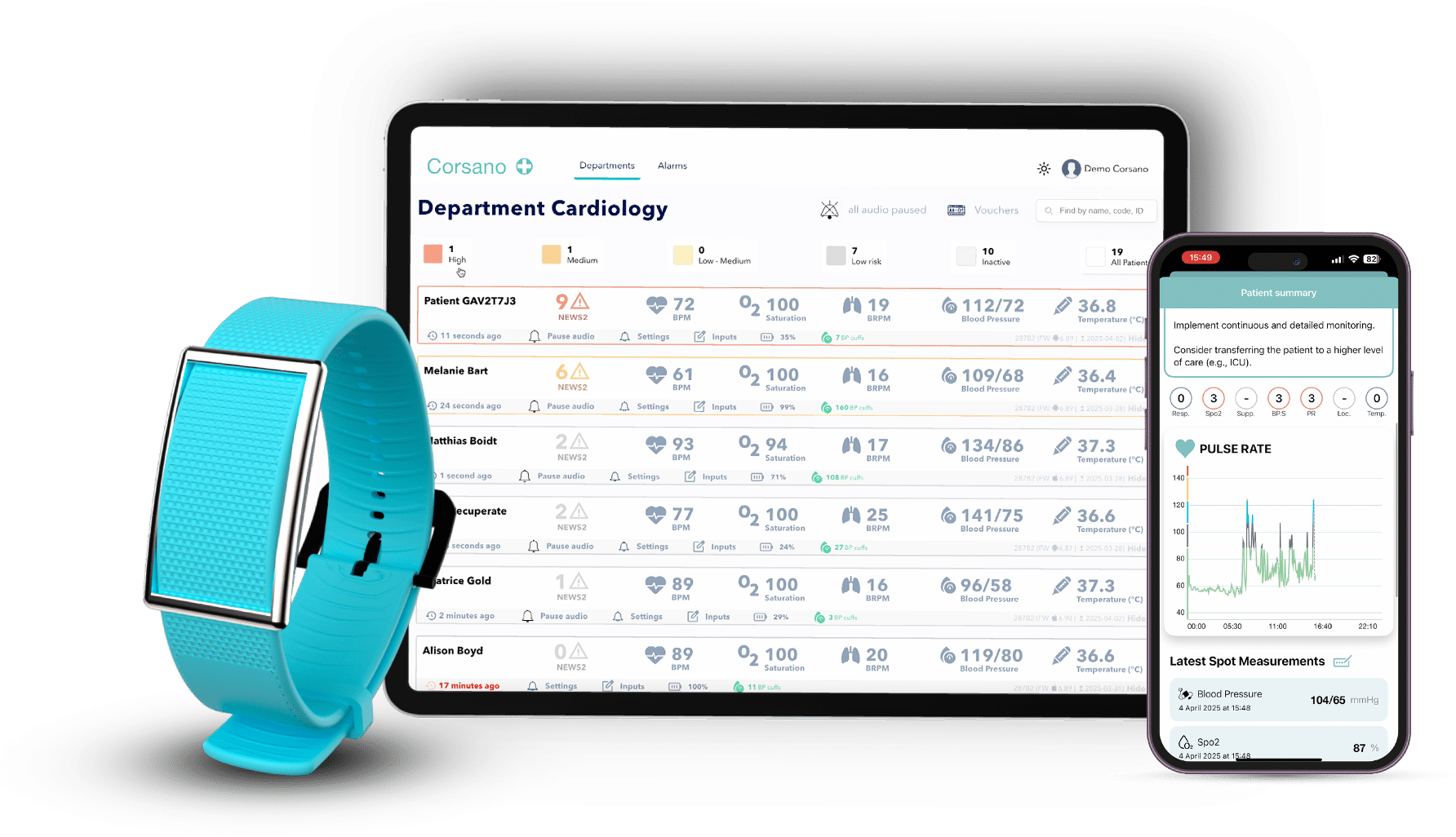
The Ministry of Health (MoH) Vietnam requires hospital information systems (HIS) to integrate electronic medical records (EMR). Modern ICU monitors must offer open API architectures, supporting HL7/FHIR protocols and providing raw PPG/ECG signal access to interface with centralized nurse dashboards.
2. Public-Private Partnership (PPP) Tenders
Hanoi public hospital expansion projects are actively requesting flexible OEM/ODM financial models. OEM manufacturing capabilities—such as custom software localization in Vietnamese, private labeling, and tailored sensor arrays—allow local distributors to win public medical tenders efficiently.
3. Early Warning Scoring (EWS) Integration
Continuous patient deterioration tracking using automated Early Warning Scores (EWS) reduces cardiac arrest occurrences in general wards by up to 40%. Monitors integrating AI algorithms to calculate trends in real time are now benchmarked as high-priority equipment in tender evaluation matrices.
Technical Comparison: Chinese OEM Manufacturing vs. Legacy Western Monitors
For biomedical engineers and hospital purchasing boards evaluating supplier selection in Hanoi, comparing technical specifications, data transparency, and total cost of ownership (TCO) is essential.
| Technical Parameter | China Top OEM ICU Manufacturers | Traditional Western Brands | Clinical Advantage in Hanoi Market |
|---|---|---|---|
| Data Accessibility | Raw PPG / ECG signals up to 128 Hz; Open REST APIs & SDKs | Proprietary closed systems; locked raw data export | Allows Hanoi research hospitals to build custom AI diagnostic algorithms. |
| Regulatory Compliance | CE-MDR certified, FDA 510(k) cleared, ISO 13485 quality audit | CE, FDA cleared | Fully approved for Vietnam MoH medical equipment import licenses. |
| Deployment Architecture | Bedside fixed monitors + continuous wireless wearable telemetry | Heavy bedside monitors; costly add-on telemetry modules | Solves ward overcrowding; provides seamless patient monitoring from ICU to home. |
| Battery & Ingress Protection | Up to 15-day continuous battery; IP68 / 3ATM waterproof ratings | 24–48 hour battery life; basic splash resistance | Ensures uninterrupted monitoring during intra-hospital patient transport. |
| Total Cost of Ownership (TCO) | High cost-efficiency; accessible spare parts & direct factory ODM support | High initial investment; expensive proprietary consumables | Maximizes hospital return on investment for high-density public tenders. |
Factory Excellence & International Certification Standard
Our state-of-the-art manufacturing facility operates under strict ISO 13485 Quality Management Systems. Producing over 10,000 medical-grade monitoring devices per month, our dedicated research and engineering labs specialize in optical photoplethysmography (PPG), single and multi-lead electrocardiography (ECG), kinetic sensor processing, and medical cloud algorithm validation.
We provide full OEM and ODM services tailored for medical equipment distributors, system integrators, and healthcare groups in Vietnam. From PCB layout customization and housing engineering to localized Vietnamese software interfaces and EMR middleware integration, our factory delivers reliable, audit-ready solutions.
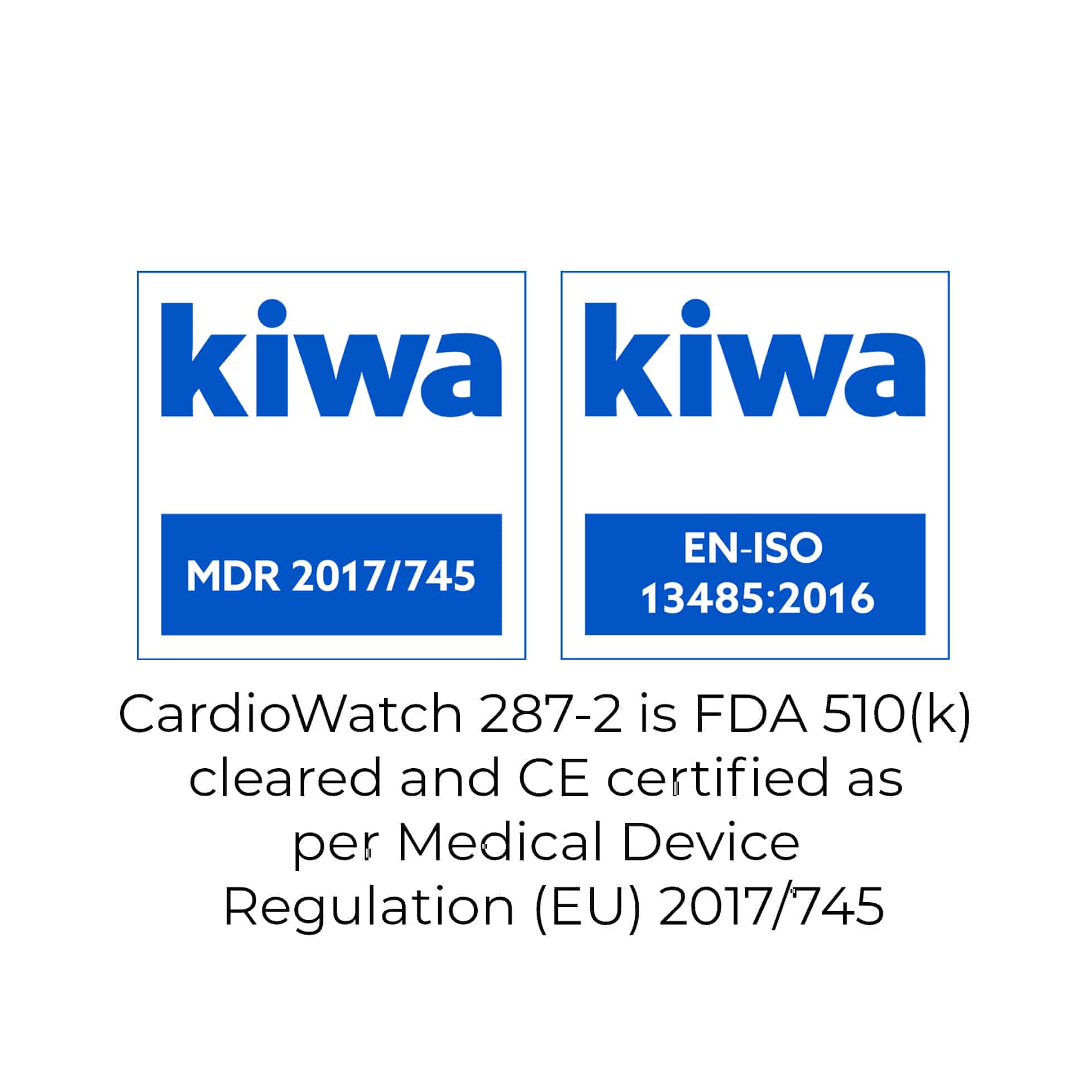
- CE-MDR (EU 2017/745) certified through recognized Notified Body Kiwa.
- FDA 510(k) Cleared for continuous vital signs parameters.
- Raw Data Export up to 128Hz for clinical research and validation studies.
- Seamless EMR Integration via documented SDKs, REST APIs, and gateway modules.
Rigorous Quality Assurance & Notified Body Audits
Unlike consumer-grade wearables, our continuous ICU vital signs monitors are audited as true regulated medical devices. Medical device certification issued by Kiwa confirms that every sensor algorithm—from Heart Rate Variability (HRV) and Respiration Rate to continuous SpO2 and Arrhythmia detection—has undergone rigorous clinical trial benchmarking against reference hospital monitors.
This verified medical compliance provides Vietnamese hospital boards, tender committees, and biomedical engineers with absolute confidence when submitting bids for national medical hardware procurements in Hanoi.
Hanoi Buyer Procurement FAQ: ICU Monitors & Factory Sourcing
Key questions answered for biomedical engineers, hospital procurement officers, and medical device importers in Vietnam.