
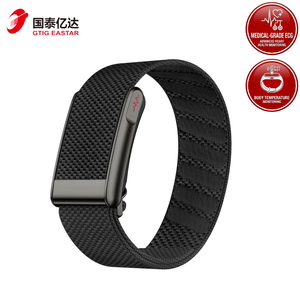
E500 ECG Screenless AI Health IP68 Smart Bracelet Heart Rate Blood Pressure Sleep Multisport Monitor MF90 MF91 ETQ13
- Single-Lead ECG Electrodes
- AI Arrhythmia Screenings
- Screenless Form Factor
High-precision ECG, PPG, and multi-parameter continuous cardiac monitors manufactured under ISO 13485 standards for Indonesian hospital groups, distributors, and remote healthcare initiatives.
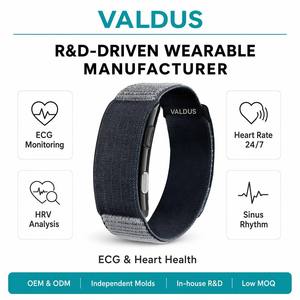
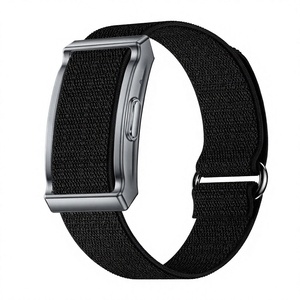
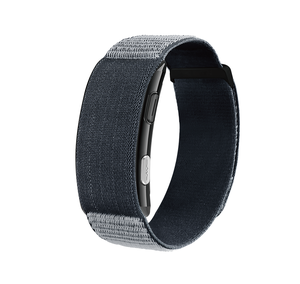
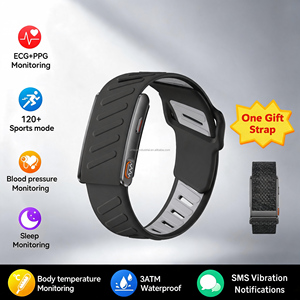
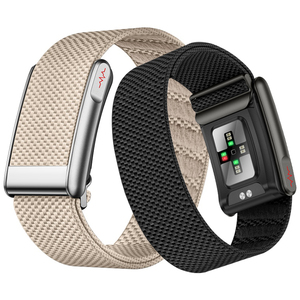
As Southeast Asia's largest economy with a population exceeding 278 million spread across 17,000 islands, Indonesia presents a unique healthcare delivery environment. Cardiovascular disease (CVD)—specifically ischemic heart disease, heart failure, and stroke—remains the leading cause of mortality in Indonesia, accounting for over 35% of all national deaths annually. To address this crisis, the Indonesian Ministry of Health (Kementerian Kesehatan - Kemenkes RI) has embarked on a aggressive healthcare digitalization blueprint under the SATUSEHAT national platform, prioritizing continuous patient monitoring, remote telemetry, and early deterioration detection in both urban tertiary hospitals and rural primary care centers (Puskesmas).
China's top medical device manufacturers have emerged as strategic technology partners for Indonesian medical equipment importers, private hospital conglomerates (such as Siloam Hospitals, Mayapada Healthcare, and Mitra Keluarga), and public Class A/B regional hospitals (RSUP). By leveraging advanced micro-electro-mechanical systems (MEMS), multi-wavelength Photoplethysmography (PPG) sensors, and single-lead Electrocardiography (ECG) microchips, leading Chinese OEM/ODM hubs deliver high-reliability cardiac monitors that comply with international ISO 13485 standards and European CE-MDR directives at cost structures optimized for BPJS reimbursement tariffs.
Deploying wearable telemetry across diverse geographic and institutional environments in Java, Sumatra, Bali, Sulawesi, and remote island archipelagos.
In high-volume public and private hospitals across Greater Jakarta (Jabodetabek), Surabaya, and Bandung, nursing shortages present operational challenges. Replacing traditional bedside wired monitors with lightweight screenless ECG smart bracelets (such as the E500 and G70 models) allows continuous ward-wide telemetry. Vital parameters—including resting heart rate, pulse rate variability, skin temperature, and arterial oxygen saturation—are wirelessly routed to central telemetry dashboards, automating Early Warning Scores (EWS) to trigger clinical interventions prior to cardiac arrest.
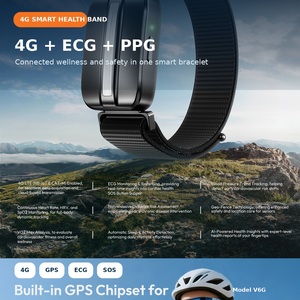
Overcoming geographical barriers in East Nusa Tenggara (NTT), Maluku, and Papua requires autonomous connection hardware. The V6G 4G Smart Health Bracelet features embedded cellular connectivity and integrated GPS/SOS functionality. Remote health workers at rural Puskesmas facilities can issue these bands to high-risk cardiovascular patients living miles away. Arrhythmia alerts, drop-detection events, and single-lead ECG strips transmit directly via cellular networks to regional cardiology centers without requiring localized Wi-Fi access or complex smartphone pairings.
Reducing 30-day hospital readmission rates for post-percutaneous coronary intervention (PCI) or post-coronary artery bypass graft (CABG) patients is a key metric for BPJS cost containment. Utilizing long-battery screenless devices (such as the 15-day battery 3ATM ECG bracelet), cardiologists monitor post-discharge recovery continuously. Patients wear discrete waterproof bands during daily activities, bathing, and sleep in hot, humid climates without thermal degradation or sensor corrosion.
Indonesia's massive coal mining operations in Kalimantan, nickel processing in Sulawesi, and offshore oil platforms require rigorous workforce health monitoring. High temperatures and intense physical labor increase sudden cardiac death risk. Wearable heat-stress and cardiac monitors track continuous core-body temperature trends, hydration metrics, PPG pulse wave variations, and acute ECG changes, alerting site safety supervisors to impending heat stroke or cardiac stress.
B2B medical equipment buyers, hospital procurement officers, and medical device distributors in Indonesia must align their supply chains with key macroeconomic and regulatory shifts transforming the archipelago:
Kemenkes RI requires electronic medical record (EMR) interoperability via HL7 FHIR protocols. Modern cardiac monitors must supply open APIs and SDKs to stream standardized heart rate, blood oxygen, and ECG metrics directly into hospital information management systems (SIMRS) and government central health repositories.
Hospitals are transitioning away from bulky, screen-based consumer smartwatches toward specialized screenless medical bands. Screenless devices reduce patient distraction, prevent screen breakage in clinical wards, minimize power consumption, and extend continuous battery longevity up to 15 days on a single charge.
Importing cardiac monitors into Indonesia requires an official AKL (Alat Kesehatan Luar) marketing authorization from the Ministry of Health. Tier-1 Chinese suppliers support Indonesian distributors by providing complete ISO 13485 quality audit dossiers, CE-MDR/FDA 510(k) equivalence documentation, and clinical validation test reports.
Key answers regarding customs clearance, licensing, software integration, and OEM/ODM manufacturing partnerships.
Our manufacturing facilities supply comprehensive technical registration dossiers required by Kemenkes RI, including ISO 13485:2016 Medical Device Quality Management System certificates, CE-MDR Declaration of Conformity, FDA 510(k) clearance documentation, IEC 60601-1 electrical safety test reports, biocompatibility test results (ISO 10993), and clinically validated algorithm accuracy papers for PPG and ECG sensors. This streamlined documentation package accelerates the AKL licensing process handled by your local Indonesian PBF (Pedagang Besar Farmasi) or medical device distributor.
Yes. We provide complete, IP-free REST APIs, Mobile Bluetooth Low Energy (BLE) SDKs (Android and iOS), and gateway protocol documentation. Data pipelines export raw sensor data (PPG up to 128 Hz, single-lead ECG rhythm strips) as well as pre-processed vital parameters (HR, HRV, SpO2, Respiration Rate, Temperature) into HL7 FHIR format, enabling direct sync with local SIMRS architectures and Indonesia’s national SATUSEHAT health cloud platform.
Our wearable cardiac monitors feature IP68 and 3ATM ingress protection ratings. Enclosures are hermetically sealed using ultrasonic welding and medical-grade hypoallergenic TPU or silicone materials, completely protecting sensitive microprocessors, PPG optical arrays, and ECG stainless-steel/titanium electrodes against tropical sweat, extreme humidity, and immersion during daily patient bathing.
For standard white-label orders with customized branding and packaging, the typical MOQ is 500 units. Custom firmware adjustments, specialized algorithm integrations, or custom hardware casing projects start at 1,000 to 3,000 units. Production lead times range between 2 to 4 weeks upon sample approval. Air freight shipments to Soekarno-Hatta Airport (CGK) take 3–5 days, while ocean shipping to Tanjung Priok (Jakarta) or Tanjung Perak (Surabaya) ports takes approximately 10–14 days, accompanied by Form E Certificate of Origin under ACFTA for preferential import tariffs.
Absolutely. Unlike commercial consumer bands that restrict access to proprietary derived scores, our hardware platform allows unrestricted access to raw multi-wavelength photoplethysmography (green, red, infrared), 3-axis accelerometer data, galvanic skin response (GSR), and single-lead ECG signal streams sampled at frequencies up to 128 Hz. Indonesian clinical trial teams and medical AI startups can build and validate custom digital biomarkers natively on top of our sensor architecture.
Building medical-grade wearable devices demands precision engineering, rigorous quality assurance, and continuous scientific validation. Operating out of state-of-the-art ISO 13485 certified production facilities in China, our engineering teams bridge hardware excellence with cloud-based artificial intelligence analytics.
Every wristband undergoes 100% automated optical and electrical calibration testing before leaving the factory line. Incorporating high-resolution analog front ends (AFE) and medical-grade bio-impedance sensors, our platforms continuously measure up to 19 physiological parameters without signal degradation caused by motion artifacts.
With over 400 billion continuous physiological data points collected across 35+ partner hospitals and 200+ clinical trials worldwide, our telemetry platform is field-proven. From acute ward monitoring to post-discharge cardiac rehabilitation, our wearable architecture offers uninterrupted clinical oversight throughout the complete continuum of patient care.
"Continuous wearable monitoring bridges the dangerous operational gap between manual nursing rounds, enabling early detection of patient deterioration before adverse clinical events occur."
Request complete OEM/ODM product catalogs, technical API documentation, wholesale B2B pricing tiers, and Kemenkes AKL registration support packages today.