
Export Portfolio: Continuous Ward Monitoring Wearables
Regulatory-Ready, High-Precision Smart Bracelets for Inpatient Deterioration Detection
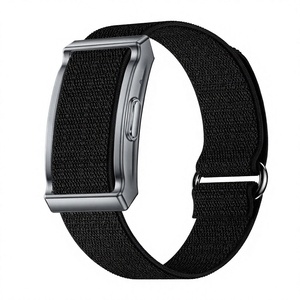
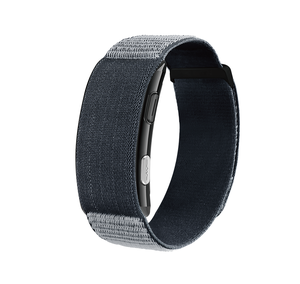
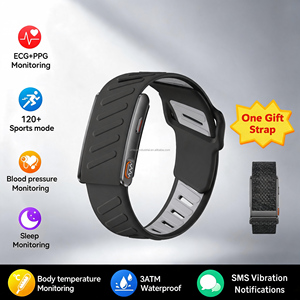
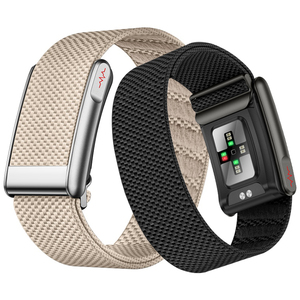
Transforming General Ward Safety Across the United Arab Emirates
In modern acute care environments across the Middle East, particularly within the rapidly expanding private and public healthcare infrastructures of Dubai (DHA), Abu Dhabi (Department of Health - DoH), and the Northern Emirates under MOHAP (Ministry of Health and Prevention), unmonitored clinical deterioration in general hospital wards remains a critical risk factor. While Intensive Care Units (ICUs) feature high-density bedside monitors, patients step down into medical-surgical general wards where vital sign monitoring transitions to periodic, manual spot-checks occurring every 4 to 8 hours.
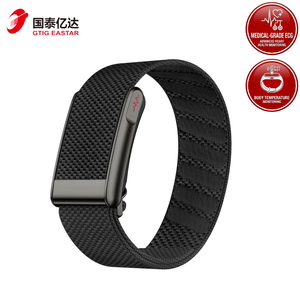
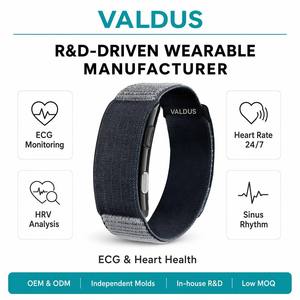
This 6-hour observational gap represents a significant diagnostic blind spot. Physiological decline—such as emerging sepsis, respiratory distress, cardiac arrhythmias, or silent internal hemorrhage—typically begins hours before acute clinical collapse. As premier Chinese medical wearable original equipment manufacturers (OEM) and exporters, our advanced continuous patient deterioration monitoring systems bridge this gap by delivering lab-grade, multi-parameter biometric telemetry in lightweight, screenless wrist-worn form factors engineered specifically for seamless hospital deployment.
Advanced Technical Architecture: Beyond Consumer Fitness Trackers
A persistent challenge in hospital procurement is differentiating consumer-grade wearables from true medical-grade deterioration monitoring infrastructure. Our export solutions—manufactured under strict ISO 13485 quality management systems—are specifically designed for high-acuity data integrity, zero-patient tampering, and continuous clinical compliance.
Multi-Spectral Optical Sensing (PPG)
Utilizing high-density triple-wavelength LED channels (Green, Red, and Infrared) operating up to 128 Hz sampling rates. The system continuously extracts arterial oxygen saturation (SpO2), heart rate variability (HRV), continuous pulse rate, and micro-vascular perfusion index even during low-perfusion states.
Single-Lead ECG & Arrhythmia Strips
Integrated dry-contact titanium-coated stainless steel electrodes capture high-fidelity single-lead Electrocardiogram (ECG) rhythm strips. Embedded AI algorithms screen in real-time for Atrial Fibrillation (AFib), premature ventricular contractions (PVCs), and sinus tachycardia.
Continuous Respiration Rate (RR)
Respiration rate is widely recognized as the most sensitive early indicator of clinical deterioration and impending cardiac arrest. Derived via Transthoracic Impedance and PPG-based Respiratory Rate Extraction (RRE) algorithms, the system flags respiratory depression hours before patient collapse.
System Specification Matrix: OEM Manufacturing Capabilities
Our manufacturing facilities in China provide customized hardware and software stack configurations suited to hospital procurement specifications across the GCC region:
| Biometric Metric | Measurement Methodology | Clinical Accuracy / Target Standard | Sampling Protocol |
|---|---|---|---|
| Heart Rate (HR) & HRV | Multi-channel Green Optical PPG + ECG | ± 1 bpm or 1% vs continuous ECG bedside monitor | Continuous real-time (1 Hz update) |
| Blood Oxygen (SpO2) | Red & Infrared Reflectance Photoplethysmography | ± 2% within 70%–100% SpO2 range (ISO 80601-2-61) | Continuous or spot periodic (Interval adjustable) |
| Continuous Respiration | ECG Derived Respiration (EDR) + PPG Peak Amplitude Modulation | ± 1 breath per minute (8 to 40 bpm range) | Continuous trend computation |
| Skin Body Temperature | Medical-grade NTC Thermistor Array | ± 0.1°C precision skin surface sensing | Continuous background monitoring |
| Posture & Patient Activity | 3-Axis High-Precision MEMS Accelerometer | Fall detection, patient tilt, physical rest vs agitation | 50 Hz real-time motion vector analysis |
| Data Telemetry Gateway | BLE 5.2 / 4G Cellular / NB-IoT / Wi-Fi mesh options | AES-128 / AES-256 encrypted payload telemetry | Sub-second cloud transmission latency |
Localized Healthcare Application Scenarios Across the United Arab Emirates
The UAE healthcare landscape is experiencing unprecedented modernization, driven by the UAE Centennial 2071 and We the UAE 2031 strategic visions. Our continuous general ward deterioration monitoring platforms are specifically tailored to fit the localized operational workflows of UAE healthcare providers.
1. High-Volume Post-Surgical Wards in Dubai & Abu Dhabi
In premier private medical complexes (such as those in Dubai Healthcare City or major hospital groups in Abu Dhabi), post-operative general ward patients step down from recovery units requiring vigilant monitoring for internal bleeding, respiratory depression from anesthesia, and sudden hemodynamical collapse. Screenless smart bracelets provide 24/7 continuous oversight without tethering patients to cumbersome bedside monitors.
2. Unified National Health Record Integration (NABIDH & Malaffi)
Data interoperability is mandatory in the UAE. The Department of Health Abu Dhabi relies on Malaffi, while the Dubai Health Authority mandates NABIDH. Our telemetry solution features documented RESTful APIs, Python/Mobile SDKs, and HL7 FHIR protocols. Continuous vital sign parameters integrate seamlessly into hospital Electronic Medical Record (EMR) systems (Epic, Cerner, TrakCare), syncing automated Early Warning Scores straight into unified health record exchanges.
3. Hospital-at-Home (HaH) & Remote Patient Monitoring (RPM)
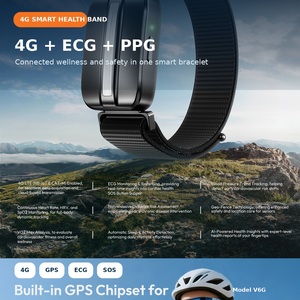
Leading UAE healthcare operators are aggressively expanding post-discharge "Hospital-at-Home" initiatives to reduce bed occupancy rates and readmission penalties. Our 4G cellular-enabled bracelets (such as the V6G model) transmit patient vital signs directly to central hospital monitoring command centers from patients' residences across Sharjah, Ajman, or Ras Al Khaimah without requiring complex home Wi-Fi setup.
4. Elderly Care & Chronic Disease Management in the Northern Emirates
Assisted living and chronic disease management programs under the Ministry of Health and Prevention (MOHAP) benefit from minimalist, screenless wearables. Elderly patients with cognitive impairment or dexterity issues cannot accidentally alter device settings or turn off alerts, ensuring uninterrupted monitoring for cardiac arrhythmias, fever spikes, and accidental falls.
Key Trends Reshaping Patient Safety in Gulf Cooperation Council (GCC) Hospitals
Procurement directors and clinical specialists in the Middle East are shifting away from traditional episodic monitoring models. Four key technological trends drive the adoption of Chinese-manufactured continuous deterioration systems in the UAE:
Automated NEWS2 / EWS Scoring
Manual calculation of National Early Warning Scores (NEWS2) is error-prone and time-consuming for nursing staff. Integrated cloud platforms automatically calculate risk scores from continuous wearable data, instantly triggering audible and visual notifications on centralized nursing station dashboards when scores breach safety thresholds.
Elimination of Telemetry Cable Hazards
Traditional bedside multi-parameter monitors utilize bulky cables that impede patient mobility, increase fall risks, and create skin tears. Lightweight, IP68 waterproof medical bracelets allow patients to bathe, walk, and rest comfortably, significantly accelerating post-operative rehabilitation.
Raw PPG/ECG Data Access for AI Research
Academic medical centers and pharma sponsors in the UAE increasingly demand unencrypted raw data access. Unlike consumer brands that lock users into proprietary closed algorithms, our export devices offer open 128 Hz raw signal access, enabling research institutions to develop custom digital biomarkers for sepsis, hypertension, and stress.
Why UAE Importers and Hospitals Partner with Our Factory
As a leading China-based designer and manufacturer of medical wearables, our facility combines technological innovation with rigorous quality management, serving international export markets under compliance-first frameworks:
ISO 13485 Certified Manufacturing
Every device is manufactured in cleanroom environments operating under certified ISO 13485 quality management systems for medical devices, guaranteeing batch-to-batch consistency and traceably calibrated sensor accuracy.
Regulatory Readiness & CE-MDR / FDA Benchmarking
Our algorithms and physical hardware are built to meet CE-MDR and FDA 510(k) medical device clearance benchmarks, facilitating smooth local registration with MOHAP and UAE health authorities.
Turnkey OEM / ODM Customization
We provide comprehensive white-label service packages for UAE medical distributors. From custom enclosure branding and specialized hospital packaging to customized firmware algorithm thresholds and localized mobile application interfaces (Arabic & English support).
Frequently Asked Questions: Procurement & Implementation in the UAE
Addresses common regulatory, operational, and technical inquiries from hospital administrators, healthcare procurement executives, and medical equipment exporters serving the United Arab Emirates market.
Upgrade Your Ward Monitoring Infrastructure Today
Partner with China's leading medical wearable exporter to bring continuous patient deterioration monitoring, automated early warning scores, and raw physiological signal analytics to your hospital network or medical distribution portfolio in the UAE.
Get a Quote