Strategic Sourcing Analysis
Global Procurement Trends in eCOA Technology
Procurement directors and clinical operations executives at Tier-1 pharmaceutical companies are rapidly shifting their vendor selection criteria. Discover the key trends defining modern eCOA sourcing strategies.
1. Convergence of Continuous Physiological Telemetry and ePRO
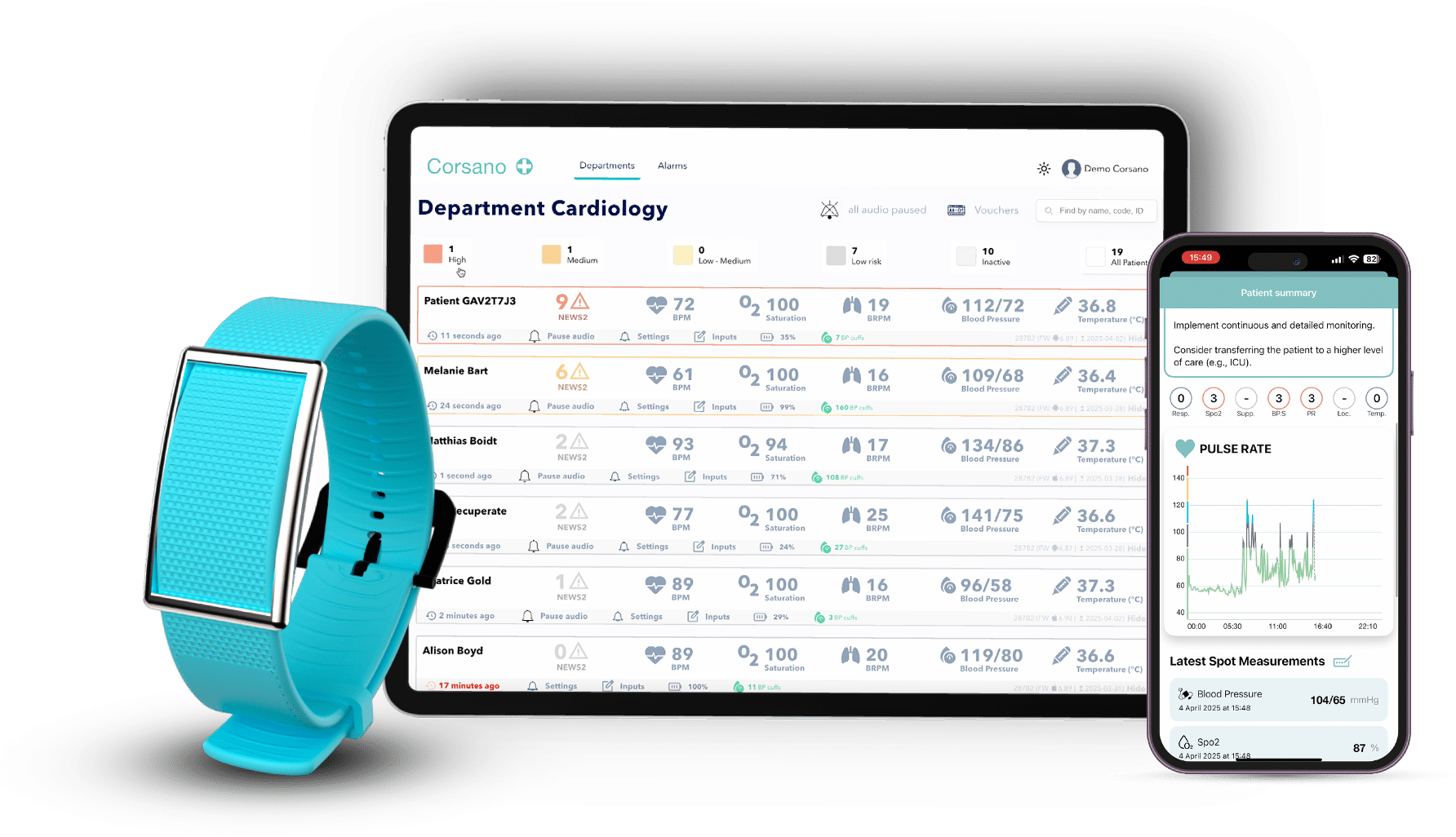
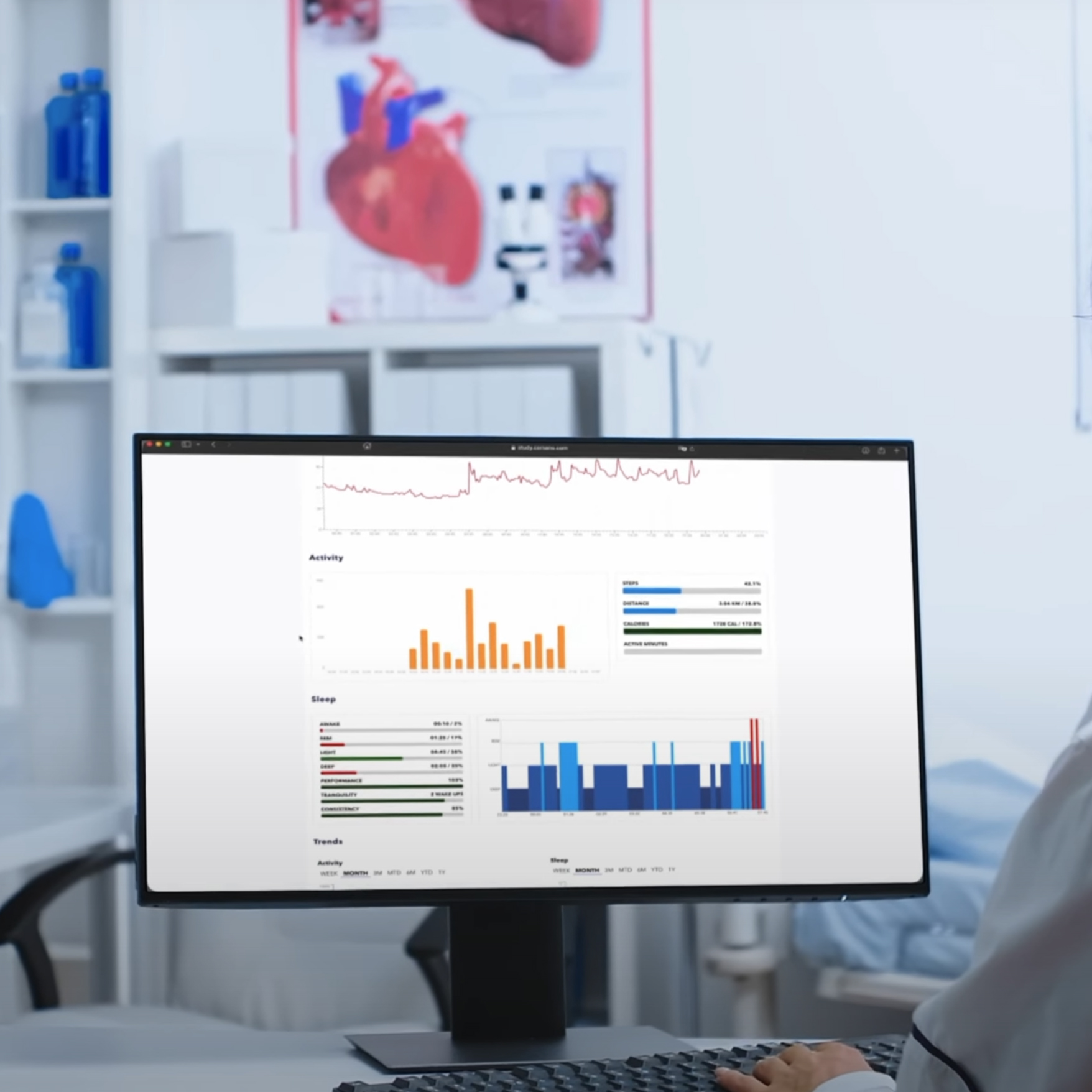
Legacy eCOA systems relied on standalone smartphone apps or dedicated handheld tablets that collected survey data once or twice daily. Sourcing teams now demand multi-modal platforms where wearable sensors continuously record baseline biomarkers (Heart Rate Variability, SpO2, Respiratory Rate, Skin Temperature) alongside survey responses. This dual-layer approach eliminates missing data points and provides objective validation for drug efficacy endpoints.
2. Mandatory Access to Unrestricted Raw Sensor Waveforms (IP-Free Data)
Historically, medical wearable vendors locked raw data behind proprietary, black-box algorithms, supplying sponsors only with processed minute-by-minute averages. Modern procurement specifications explicitly mandate raw PPG, ECG, and accelerometer signal access sampled at 64 Hz to 128 Hz. Unrestricted raw waveform access allows pharmaceutical data science teams to train proprietary machine learning models and establish novel digital biomarkers without vendor lock-in.
3. Stringent Regulatory Harmonization (CE-MDR, FDA 510(k), and 21 CFR Part 11)
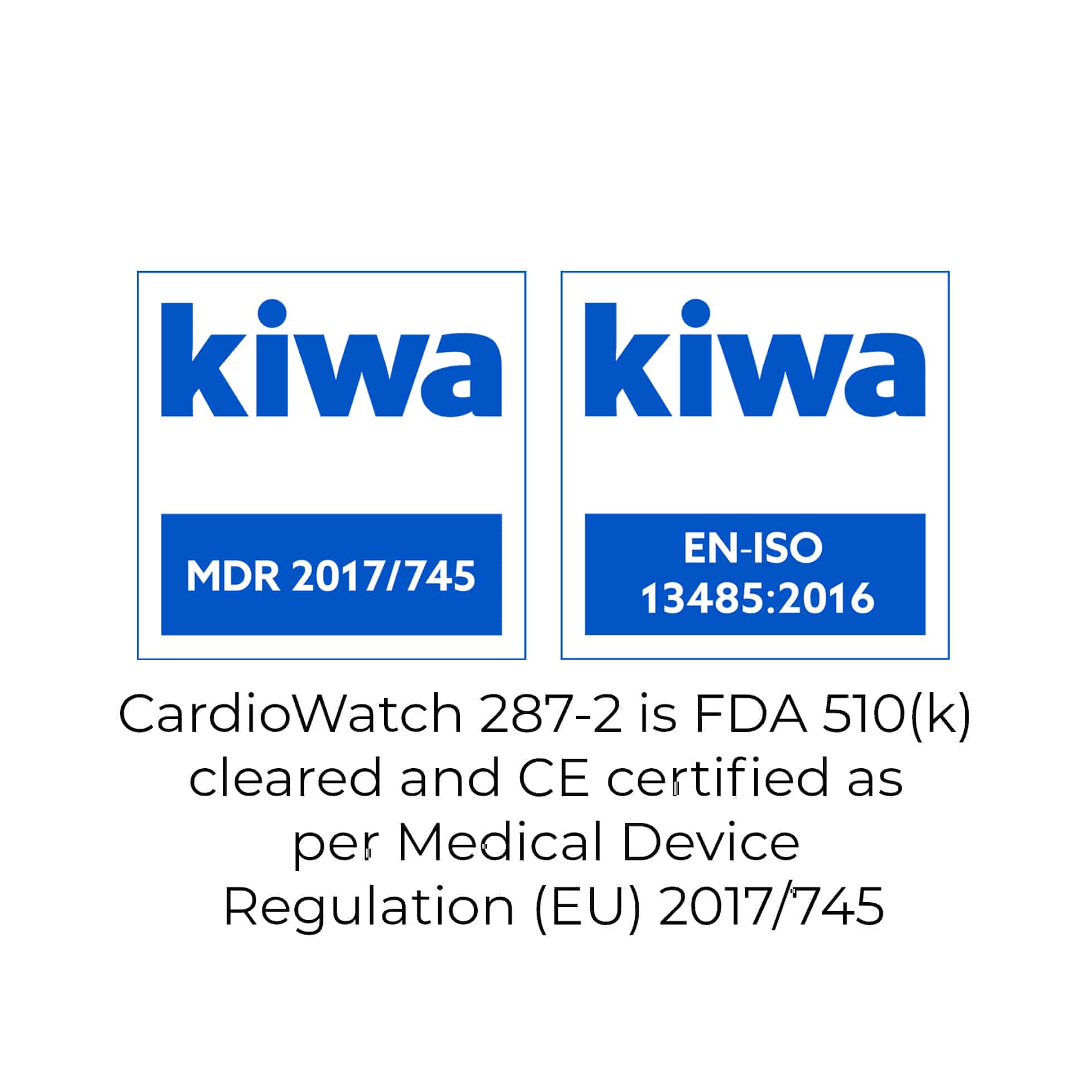
Procuring non-certified consumer devices for clinical trials introduces tremendous regulatory risk. Global trial sponsors require medical devices manufactured under ISO 13485 quality management systems with explicit CE-MDR certification in Europe and FDA 510(k) clearance in the United States. Furthermore, cloud databases must guarantee audit trails, cryptographic data security, and compliance with 21 CFR Part 11, Annex 11, HIPAA, and GDPR.
4. Device Reuse & Sustainability in Decentralised Clinical Trials (DCTs)
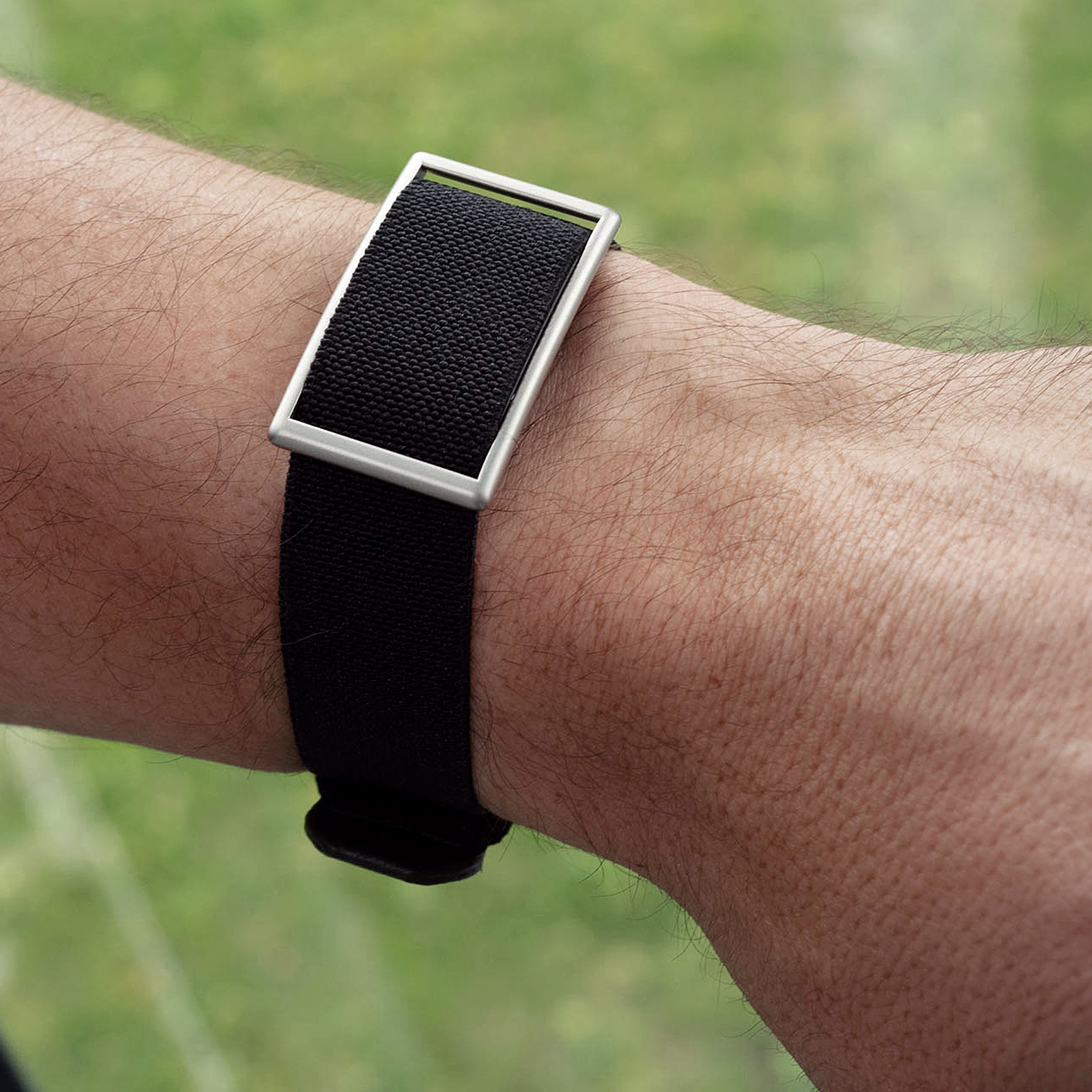
Single-use monitoring patches create substantial electronic waste and recurring procurement expenses across Phase II and Phase III trials. Procurement officers are actively transitioning toward durable, medical-grade smart bracelets like the CardioWatch 287-2B. Designed for easy sanitization, rapid provisioning, and high patient comfort, these multi-use wearables dramatically reduce cost-per-patient while meeting organizational ESG (Environmental, Social, and Governance) mandates.
Procurement Comparison Matrix: Legacy eCOA vs. Corsano Sensor-Augmented eCOA System
| Evaluation Parameter |
Legacy Standalone eCOA Systems |
Corsano Next-Gen eCOA System |
| Data Modality |
Episodic survey responses (ePRO/ClinRO only) |
Hybrid continuous biotelemetry + ePRO / ClinRO / PerfO |
| Biomarker Validation |
Subjective, subject to recall bias and gaming |
Objective verification via raw PPG, ECG, SpO2, and temp telemetry |
| Raw Signal Export |
None (Aggregated output or proprietary black box) |
Full raw waveform export (up to 128 Hz raw PPG/ECG/ACC/GSR) |
| Regulatory Status |
Software-only or non-medical consumer wearables |
Medical Device Certified (CE-MDR, FDA 510(k), ISO 13485) |
| Participant Burden |
High manual survey frequency to catch symptom shifts |
Low (Passive continuous monitoring with event-driven prompts) |
| EDC Integration |
Manual CSV export or custom middleware connectors |
Native RESTful APIs, Mobile SDKs, and direct EMR/EDC pipelines |
Equip Your Clinical Trial with Corsano's Certified eCOA Architecture
Request our comprehensive technical specification package, white papers, and global procurement catalog.
Get Catalog