
Flagship Continuous Pulse Oximeters & Smart Monitors
Engineered for high-precision SpO2 tracking, ECG monitoring, ambulatory general ward surveillance, and decentralized clinical trials.
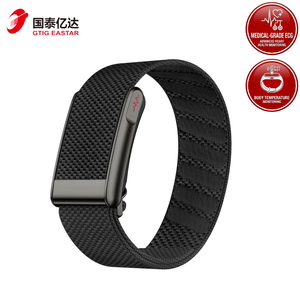
E500 ECG Screenless AI Health IP68 Smart Bracelet
Screenless multi-parameter architecture designed for zero patient distraction. Integrates continuous red/infrared SpO2 optical sensor, single-lead ECG, blood pressure trend analysis, and sleep monitoring.
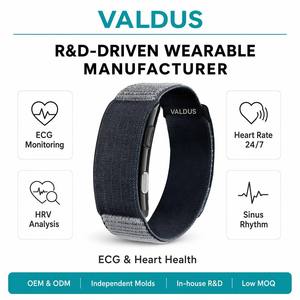
VALDUS VITRO ODM/OEM Screenless ECG Fitness Tracker
Engineered for active telemetry and clinical trial data acquisition. Offers continuous heart rate variability (HRV), skin temperature sensing, high-precision SpO2, and raw signal Bluetooth streaming.
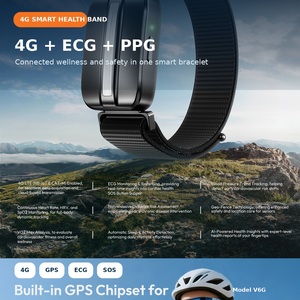
V6G 4G Cellular Smart Health Bracelet with ECG & SpO2
Direct-to-cloud telemetry designed for remote patient monitoring (RPM) and senior care. Features integrated 4G connectivity, standalone GPS tracking, panic SOS button, and automated fall detection.

Minimalist Steel Electrocardiogram Magnetic Tracker Set
A fusion of sleek executive aesthetics and medical-grade optical pulse wave analysis. Custom metallic alloy enclosure housing micro-PPG sensors for blood oxygen spot-checking and arrhythmia detection.
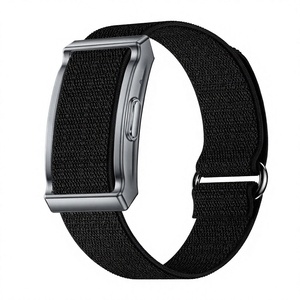
G70 ECG Screenless Health & Temperature Monitor Band
Ultra-lightweight multi-sensor wristband featuring continuous body temperature tracking, high-frequency reflective SpO2 sampling, single-lead ECG rhythm strips, and advanced sleep architecture evaluation.
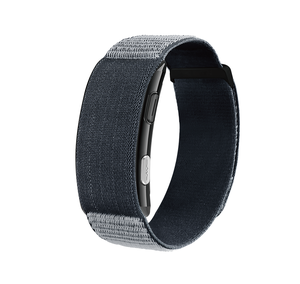
VITRO Smart 1ATM Waterproof Heart Rate & ECG Tracker
Versatile Android/iOS mobile application ecosystem paired with robust hardware. Supports real-time Bluetooth telemetry, remote nursing dashboard alarms, automated ECG classification, and multi-sport analytics.
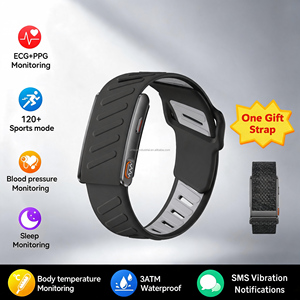
ECG Screenless 15-Day Long-Battery 3ATM Smart Monitor
Optimized for long-term clinical trials and hospital discharge monitoring. Equipped with a 180mAh high-density Li-Po cell delivering up to 15 days of continuous power, 3ATM water immersion protection, and micro-PPG optical array.
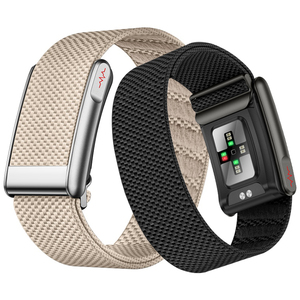
2026 E500 Screenless NFC ECG & Blood Pressure Tracker
Next-generation medical wearable featuring integrated NFC access verification, precise continuous SpO2 optical sensor, non-invasive arterial pulse wave velocity (PWV) monitoring, and medical-grade bio-compatible casing.
The Technological Trajectory of Wearable Optical Pulse Oximetry
The global healthcare sector is witnessing a paradigm shift from episodic, manual spot-checking of oxygen saturation to continuous, non-invasive physiological monitoring. Traditional fingertip transmissive pulse oximeters, while accurate for spot measurements, fail to capture transient nocturnal desaturation events, micro-arrhythmias, and rapid deteriorating trends between standard nursing rounds in general hospital wards. As an established OEM/ODM pulse oximeter factory and exporter, our engineering focus rests on advancing optical photoplethysmography (PPG) to deliver clinical-grade measurement integrity at the wrist.
Information Gain Benchmark: Wrist-based reflective PPG overcomes low perfusion and motion artifacts through multi-wavelength (Red 660nm, Infrared 940nm, Green 525nm) optical emitter arrays, achieving a mean absolute error (MAE) below 2% within the 70%–100% SpO2 arterial saturation band.
Modern continuous pulse oximetry relies on differential photon absorption rates across oxygenated hemoglobin (HbO2) and deoxygenated hemoglobin (Hb). By deploying multi-spectral emitter LED configurations paired with ultra-sensitive silicon photodiodes, our hardware captures pulsatile blood volume fluctuations across varying micro-vascular depths. Coupled with high-frequency 128 Hz raw data sampling and adaptive signal-processing algorithms, the hardware effectively filters out motion noise generated during daily activity or tremor-affected sleep.
Traditional Spot-Check Oximetry
- Episodic data (4-6 readings per day)
- High risk of missed clinical deterioration
- Restricts patient mobility via cables
- Higher long-term nursing labor burden
Continuous Reflective Wrist Telemetry
- 24/7 uninterrupted baseline streaming
- Automated Early Warning Score (EWS) triggers
- Ergonomic, screenless long-battery design
- Open API / SDK export for EMR integration
Furthermore, integrating Single-Lead Electrocardiogram (ECG) telemetry alongside reflective PPG facilitates Pulse Wave Transit Time (PWTT) computation. This bi-modal sensor synergy enables non-invasive continuous arterial elasticity estimation and cardiac arrhythmia detection (such as Atrial Fibrillation), empowering medical teams with multi-dimensional digital biomarkers from a single wrist-worn form factor.
Enterprise System Architecture: Sensors, Mobile Gateways & Cloud Dashboards
Our export-grade medical ecosystem operates as a unified telemetry pipeline. The wrist-worn CardioWatch hardware captures ambient-corrected multi-spectral PPG, skin temperature, Galvanic Skin Response (GSR), and tri-axial acceleration. Data is synced in real-time via encrypted Bluetooth LE to mobile gateways or direct 4G/NB-IoT cellular modules, delivering continuous physiological insights directly into centralized clinical monitoring dashboards and hospital EMRs.
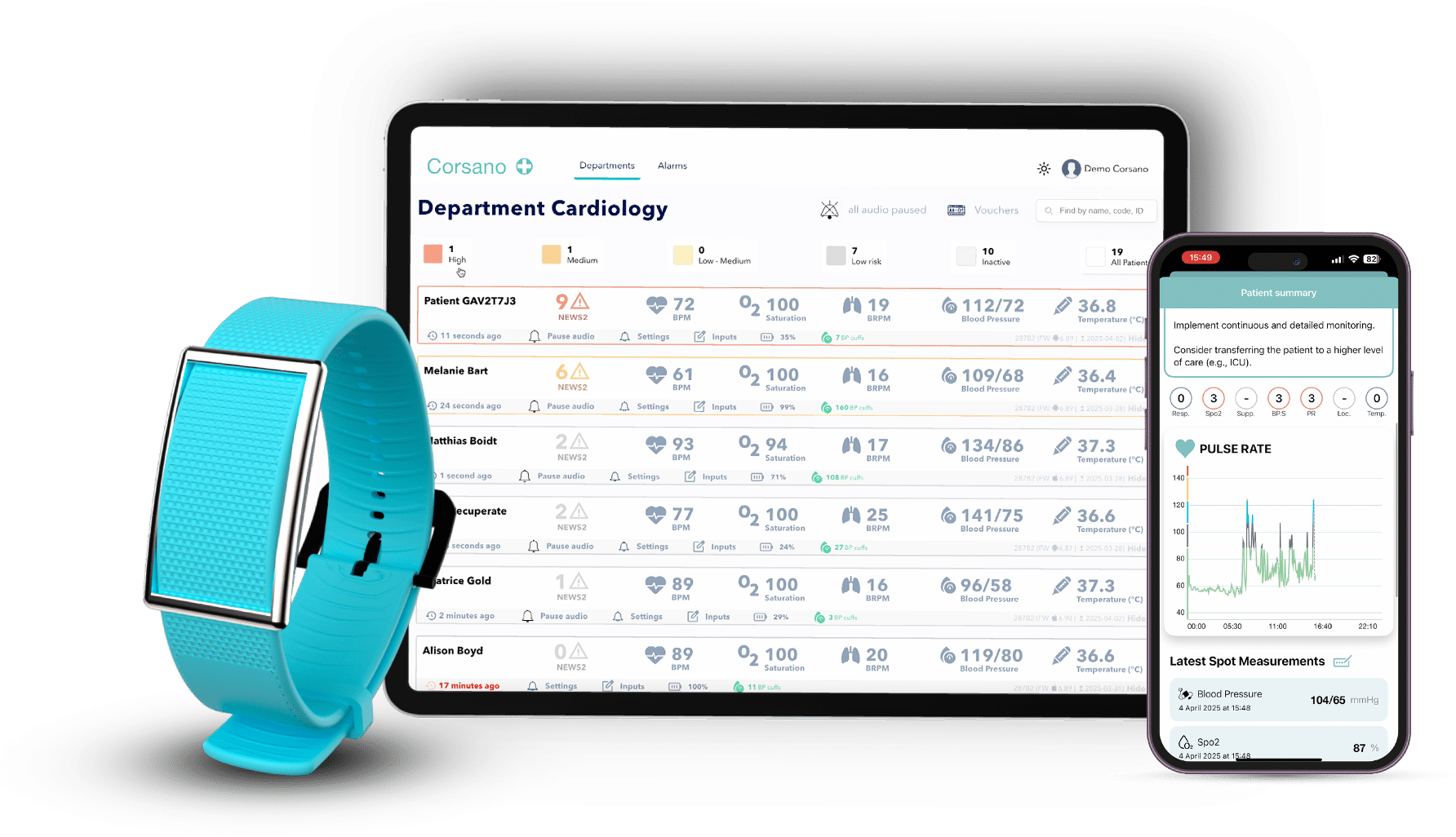 Figure 1: Complete continuous monitoring chain from wrist-worn sensor array to clinician web portal.
Key Global Procurement Trends in Wearable Vital Signs Telemetry
Hospital procurement directors, pharmaceutical CROs, and regional medical device distributors must navigate evolving regulatory demands and technological shifts. When sourcing pulse oximeters and vital sign wearables from certified manufacturing partners, four strategic trends define contract negotiations and platform selection:
1. EMR Interoperability & Open APIs
Procurement is rapidly shifting away from proprietary closed ecosystems. Healthcare systems demand open REST APIs and mobile SDKs compatible with HL7 and FHIR protocols to feed vital signs directly into Epic, Cerner, or custom hospital databases.
2. IP-Free Raw Data Access
Pharmaceutical sponsors in decentralised clinical trials require uncompressed raw optical signals (up to 128 Hz) rather than pre-processed averages. Access to raw PPG/ECG waveforms allows CROs to validate proprietary AI algorithms and digital biomarkers.
3. Shift to Screenless Form Factors
For general ward environments and elderly care, screenless bracelets eliminate patient anxiety caused by flashing alerts, significantly extend battery life to 15+ days, and minimize physical damage risks.
4. Strict CE-MDR & FDA Compliance
Following tightened EU Medical Device Regulation (MDR) rules, commercial buyers prioritize factory partners holding verifiable ISO 13485 QMS certification, Kiwa notified body approvals, and cleared FDA 510(k) status.
Factory Manufacturing Capabilities & Regulatory Standard Rigor
Operating from state-of-the-art ISO 13485 certified production facilities, our manufacturing infrastructure is built specifically for high-precision medical micro-electronics. Every pulse oximeter and wearable bracelet undergoes rigorous multi-stage testing, including automated optical sensor calibration across controlled blood-gas simulation chambers, environmental thermal shock testing, and 3ATM/IP68 ingress protection verification.
- ✓ ISO 13485 Quality Management System Audited
- ✓ CE-MDR Certification via Notified Body Kiwa
- ✓ FDA 510(k) Cleared Regulatory Pathways
- ✓ GDPR & HIPAA Aligned Cloud Telemetry Security
- ✓ Full OEM/ODM Custom Shell & Firmware Branding
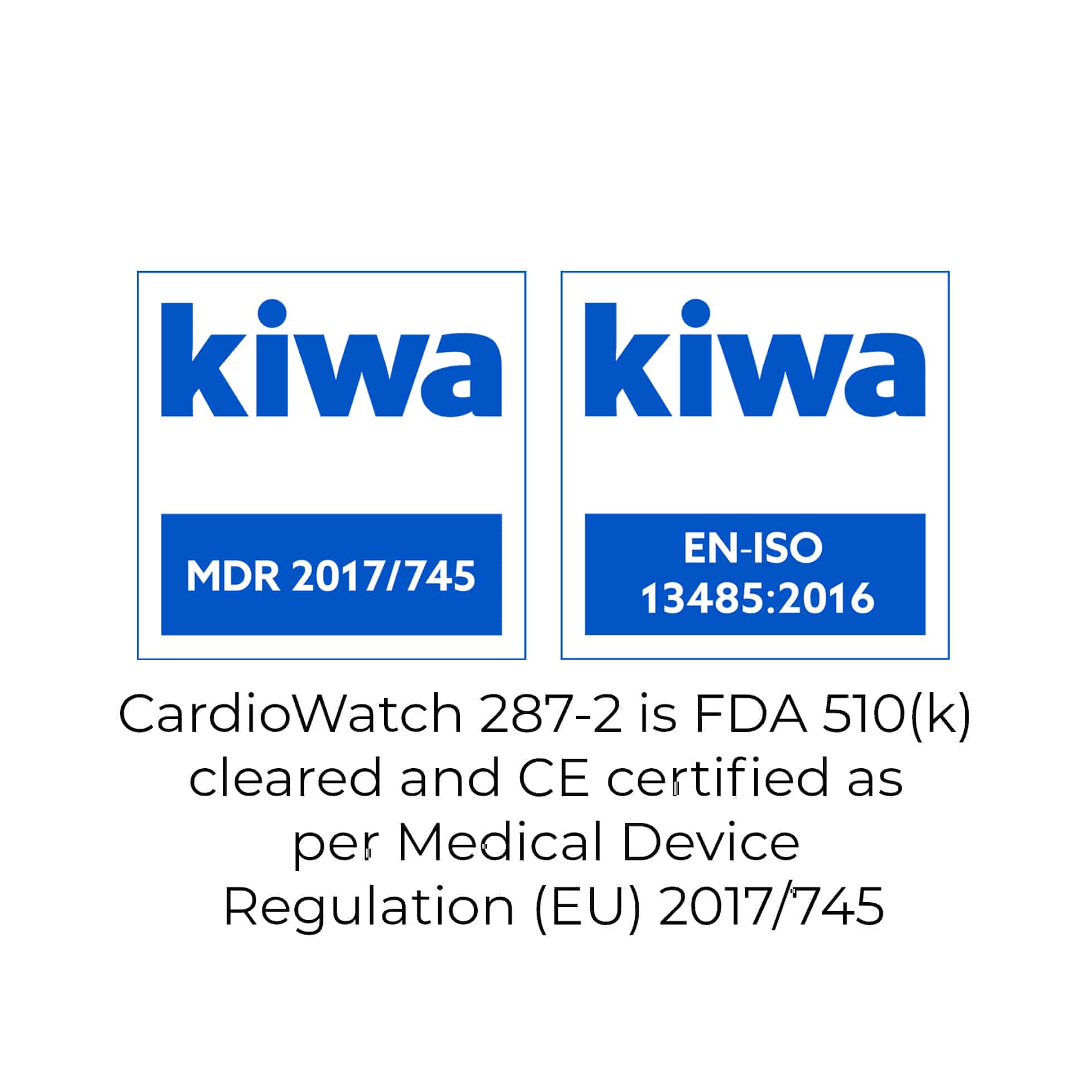 Verifiable Notified Body Medical Certification
Our global distribution footprint reaches clinical institutions, government health authorities, and multinational healthcare brands across Europe, North America, and Asia-Pacific. Key industrial partners and research collaborators rely on our hardware reliability:





B2B Procurement & Engineering FAQ
Direct answers for medical device buyers, institutional procurement officers, and clinical trial sponsors.
Partner with a World-Class Pulse Oximeter Manufacturer
Request technical specifications, clinical validation whitepapers, or sample units for evaluation. Our engineering and regulatory experts are ready to assist your procurement needs.