
Featured Medical-Grade Heart & Vital Sign Monitors
High-precision continuous monitoring solutions, screenless bracelets, 4G senior safety bands, and multi-sensor OEM/ODM hardware platforms engineered for clinical wards, remote patient monitoring (RPM), and decentralized clinical research.
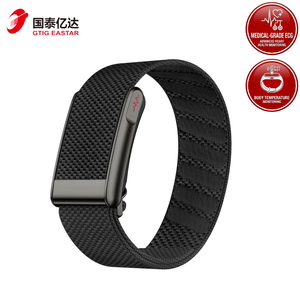
E500 ECG Screenless AI Health IP68 Smart Bracelet Heart Rate Blood Pressure Sleep Multisport Monitor MF90 MF91 ETQ13 2026
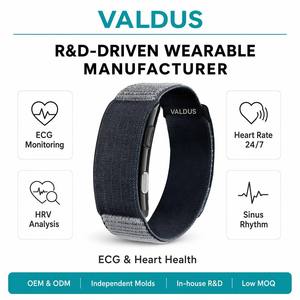
VALDUS VITRO ODM/OEM Manufacturer Screenless 2026 ECG Health Designed for Every Activity Smart Fitness Tracker Band Bracelet
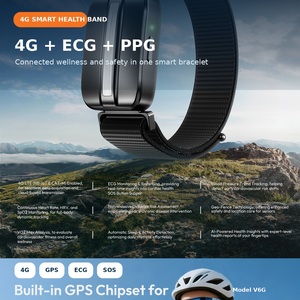
V6G 4G Smart Health Bracelet with ECG PPG GPS SOS Heart Rate SpO2 Sleep Monitoring for Seniors OEM ODM

Fashion Hot Selling Minimalist Trendy Steel Color Electrocardiogram Magnetic Couple Bracelets Gift Set Wholesale
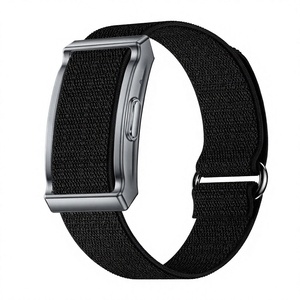
Screenless Smart Bracelet G70 ECG Heart Rate Blood Oxygen Body Temperature Sleep Monitoring Sports Fitness Band
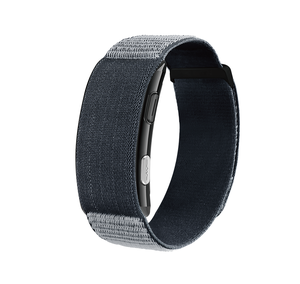
VITRO Smart Android IOS 1ATM Waterproof Fitness Bracelet with Heart Rate Sleep Tracker Remote Control ECG BT Call & Alarm Clock
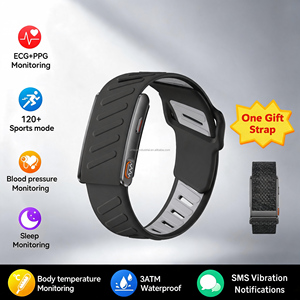
ECG No Screen Smart Bracelet 180mAh 15 Days Battery 3ATM Waterproof Heart Rate SpO2 Pedometer Sleep Monitor Fitness Android
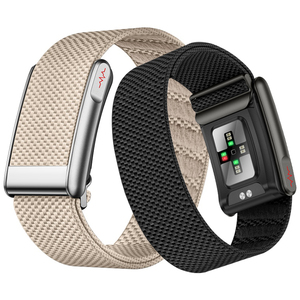
2026 New E500 Screenless Smart Bracelets with NFC ECG Blood Pressure Body Temperature Health Fitness Tracker Band Without Screen
Enterprise Advantage & Strategic Manufacturing Capabilities
As a premier globally recognized medical wearable manufacturer and direct supplier, our platform bridges the gap between consumer ergonomic compliance and strict clinical-grade diagnostics. Operating under certified ISO 13485 Quality Management Systems, we design, engineer, and manufacture continuous cardiac monitoring devices cleared for CE-MDR (EU Medical Device Regulation 2017/745) and FDA 510(k) regulatory frameworks.
Unlike consumer-grade fitness bands that rely on speculative estimation algorithms, our proprietary biosensors capture raw Photoplethysmography (PPG) across multi-wavelength spectrums (Green, Red, Near-Infrared) and single-lead Electrocardiography (ECG) sampled at frequencies up to 128 Hz. This granular raw signal access provides CROs, pharmaceutical research teams, and cardiology specialists with unrestricted telemetry required for digital biomarker discovery and AI-driven diagnostic modelling.
Medical-Grade Hardware & System Integration Stack
Procuring cardiac and continuous vital sign hardware requires rigid architectural validation. Our OEM/ODM manufacturing pipeline integrates end-to-end hardware engineering, firmware security, and cloud interoperability.
Single-Lead ECG & Arrhythmia Detection
Captures clinical-grade waveform vectors for detecting Atrial Fibrillation (AFib), Bradycardia, Tachycardia, and premature ventricular contractions (PVCs) with automated QRS complex analysis.
Multi-Wavelength Optical PPG Array
Integrates Red (660nm) and Infrared (940nm) LEDs alongside Green channels to continuously derive arterial oxygen saturation (SpO2), pulse rate variability (HRV), and vascular tone.
Unified Environmental & Bio-Sensing
Combines skin surface temperature sensors, Galvanic Skin Response (GSR) for stress/sympathetic nervous activity, and 3-axis precision accelerometers for continuous posture and gait tracking.
Open API & HL7/FHIR EMR Interoperability
Direct integration with hospital Electronic Medical Records (Epic, Cerner) and central nursing dashboards using RESTful APIs, Mobile SDKs, and standardized FHIR telemetry pipelines.
Regulatory & Data Security Architecture
End-to-end data encryption in transit (TLS 1.3) and at rest (AES-256). Fully compliant with HIPAA, EU GDPR, ISO 27001, and medical cybersecurity standards.
Ultra-Low Power Screenless Efficiency
Purpose-built screenless designs maximize battery endurance up to 15 days on a single charge, eliminating patient distraction, display friction, and operational re-charging strain.
Future Procurement Trends in Heart Monitors & Wearable Diagnostic Systems (2026–2030)
Global healthcare systems and institutional buyers are undergoing a paradigm shift in medical device procurement. Strategic purchasing decisions are moving away from legacy, tethered bedside monitors toward lightweight, continuous wireless wearables that span the entire patient care continuum—from emergency admission to general ward stay and post-discharge home recovery.
1. Transition from Intermittent Spot-Checking to Continuous Ward-Wide Telemetry
Historically, general ward patients have been monitored via manual, intermittent vital sign measurements taken every few hours. Procurement data demonstrates a massive migration toward continuous monitoring. Healthcare providers recognize that sudden patient deterioration—such as sepsis onset, acute respiratory distress, or malignant cardiac arrhythmias—frequently develops in the interval between routine nursing rounds. B2B procurement strategies now prioritize multi-parameter wrist-worn devices that automate Early Warning Scores (EWS/NEWS2) and automatically trigger escalation alerts to central nursing stations.
2. Rapid Adoption in Decentralized Clinical Trials (DCTs) & Pharma Research
Pharmaceutical trial sponsors and Contract Research Organizations (CROs) are increasingly specifying wearable ECG and PPG devices that provide IP-free, raw signal export. Consumer-grade wearables lock biometric data behind proprietary, pre-processed algorithms that change without notice during firmware updates. Modern clinical procurement requires uncompressed, raw sensor outputs sampled at high frequencies (up to 128 Hz), enabling research teams to build customized digital biomarkers and validate targeted endpoints in oncology, cardiology, neurology, and metabolic disease trials.
3. The Strategic Superiority of "Screenless" Wearable Form Factors
While consumer smartwatches feature bright touchscreen displays, commercial hospital buyers and elder-care facilities prefer screenless form factors (such as the E500, G70, and CardioWatch series). Screenless monitors offer distinct operational and diagnostic advantages:
- Extended Operating Autonomy: Eliminating power-hungry OLED/LCD displays extends continuous battery life from 24 hours to over 15 days, dramatically reducing maintenance burdens for ward staff.
- Patient Compliance & Anonymity: Screenless bands prevent patient anxiety caused by fluctuating real-time biometric readings, while eliminating unauthorized user tampering or device setting misconfiguration.
- Sanitation & Durability: Smooth, seamless IP68 and 3ATM waterproof enclosures allow rigorous chemical disinfection without degrading glass-to-bezel structural seals.
4. Total Cost of Ownership (TCO) & Value-Based Healthcare Metrics
Procurement officers are increasingly evaluating wearable cardiac monitors through Total Cost of Ownership (TCO) frameworks. By replacing expensive, heavy bedside monitors with cost-effective continuous wrist wearables, hospital networks achieve substantial capital expenditure reductions. Furthermore, continuous monitoring directly decreases 30-day post-discharge hospital readmission rates, reduces Intensive Care Unit (ICU) transfer rates, and optimizes nursing labor allocation—delivering measurable return on investment (ROI) within value-based care reimbursement models.
Technological Development Trends in Wearable Cardiac Diagnostics
The technological landscape of wearable cardiac sensors is evolving at an exponential pace. Supply chain leaders and product development teams must align with key innovation vectors shaping the next generation of cardiac diagnostics.
Artificial Intelligence at the Edge (Edge-AI) & Automated Early Warning
Next-generation heart monitors embed lightweight neural networks directly into the microprocessor silicon. Edge-AI processes real-time single-lead ECG wave features, instantly filtering baseline wander, muscle artifacts, and motion noise without transmitting heavy raw files to cloud servers. Microcontrollers dynamically detect complex rhythm abnormalities—such as paroxysmal atrial fibrillation, sinus pauses, and ventricular ectopic beats—in real time, conserving wireless bandwidth while ensuring immediate local alarm triggering.
Multi-Sensor Fusion: The Biometric Quartet
Isolated heart rate tracking is no longer sufficient for comprehensive clinical monitoring. Modern diagnostic architectures deploy sensor fusion, correlating four primary bio-signals simultaneously:
1. Single-Lead ECG: Electrical heart activity waveform analysis.
2. Multi-Wavelength PPG: Hemodynamic pulse wave, arterial compliance, and SpO2.
3. Skin Temperature Sensors: Continuous peripheral body temperature tracking for sepsis and fever detection.
4. Galvanic Skin Response (GSR) / Accelerometry: Sympathetic nervous arousal, sleep staging, and motion-compensated artifact reduction.
Energy Harvesting & Continuous 4G/NB-IoT Telemetry
Connectivity protocols have evolved beyond local smartphone Bluetooth pairing. Advanced senior safety bracelets and remote patient monitors incorporate direct-to-cloud Narrowband IoT (NB-IoT), LTE-M, and 4G connectivity paired with onboard GPS and SOS triggers (as seen in the V6G series). Concurrently, research initiatives are harvesting energy from ambient light and thermoelectric body heat, paving the way for indefinitely powered zero-maintenance clinical wearables.
Frequently Asked Questions (FAQ) for B2B Buyers & Health Systems
Comprehensive technical, regulatory, and commercial guidance for medical equipment distributors, hospital procurement directors, and clinical research organizations.
Our primary medical-grade manufacturing pipelines are operated under audited ISO 13485 Quality Management Systems. Select wearable platforms hold CE-MDR certification (EU Regulation 2017/745) and FDA 510(k) clearance for continuous vital sign tracking in general wards and remote patient monitoring. Consumer health models comply with international CE, FCC, RoHS, and REACH safety standards. Specific regulatory certificates can be supplied upon submitting a formal quotation request.
We offer full, IP-free raw data export options for research consortia and enterprise developers. Raw PPG (green, red, infrared optical signals), single-lead ECG waveforms, 3-axis accelerometer values, skin temperature, and GSR data can be extracted via RESTful APIs, mobile Software Development Kits (SDKs for iOS and Android), or direct CSV/JSON telemetry dumps sampled at up to 128 Hz.
We provide end-to-end OEM and ODM services. Customization capabilities include physical industrial design, custom enclosure colors, laser-engraved branding, medical-grade silicone or fabric strap materials, custom PCB sensor layout, dedicated firmware algorithm integration, companion mobile application white-labeling, and custom retail or clinical bulk packaging.
Our cloud gateway and middleware support standardized HL7 and FHIR (Fast Healthcare Interoperability Resources) protocols. Derived parameters (heart rate, respiration rate, SpO2, skin temperature, EWS score) and alert events are pushed seamlessly into hospital EMR software (such as Epic, Cerner, or custom hospital dashboards), eliminating manual data entry and reducing documentation errors.
Standard off-the-shelf inventory is available with flexible MOQs (starting at 50–100 units for evaluation pilots). Full OEM custom branding orders typically carry an MOQ of 1,000 units. Production lead times range from 2 to 3 weeks for standard models and 4 to 6 weeks for customized OEM manufacturing runs following sample sign-off.
Data architecture follows Privacy-by-Design principles. All telemetry streams are encrypted at rest using AES-256 and in transit using TLS 1.3 encryption. Cloud environments are engineered to maintain full compliance with HIPAA regulations in the United States and GDPR regulations in the European Union, utilizing role-based access controls (RBAC) and audited data center infrastructure.
Accelerate Your Cardiac Monitoring Capabilities Today
Whether you are procuring medical-grade wearables for hospital ward deployment, sourcing OEM/ODM hardware for your healthcare brand, or establishing a clinical trial infrastructure—our engineering team is ready to assist.