
Navigating Medical Wearable Manufacturing in China: 2026 Procurement Whitepaper
The global healthcare ecosystem is undergoing a dramatic paradigm shift from intermittent clinical evaluations to continuous medical-grade monitoring. Driven by advancing sensor miniaturization, artificial intelligence (AI) diagnostic algorithms, and robust Remote Patient Monitoring (RPM) frameworks, hospital networks and MedTech pioneers are increasingly sourcing specialized hardware from elite global hubs. China's medical electronics manufacturing sector has transitioned from mass consumer fitness wearables to high-precision, regulated medical instrumentation. Sourcing from top-tier China medical wearable factories now yields access to ISO 13485-certified facilities, CE-MDR compliant production lines, and raw signal access (PPG/ECG) suitable for clinical trial endpoints and Early Warning System (EWS) integrations.
Featured Medical Wearables & OEM Solutions
Explore certified wrist-worn biosensors, screenless AI bracelets, and continuous physiological monitors manufactured for hospital wards, research consortia, and institutional RPM projects.
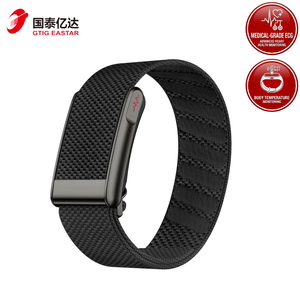
E500 ECG Screenless AI Health IP68 Smart Bracelet
Engineered for 24/7 continuous monitoring featuring single-lead ECG rhythm analysis, AI health diagnostics, IP68 water resistance, and multi-sport tracking capabilities.
Send an Inquiry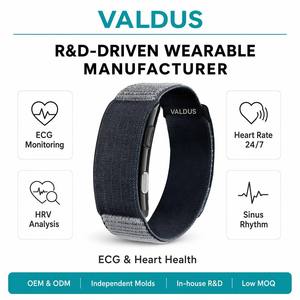
VALDUS VITRO Screenless Medical ECG Fitness Tracker
Distraction-free, long-battery screenless design custom-built for OEM/ODM clients. Delivers high-frequency ECG waveform collection and robust activity tracking.
Send an Inquiry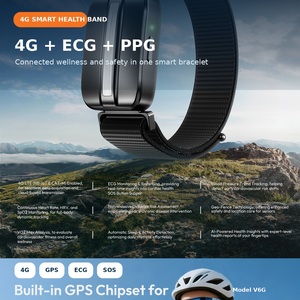
V6G 4G Senior Health Bracelet with ECG, PPG & GPS SOS
Direct-to-cloud cellular 4G connectivity equipped with real-time GPS positioning, automated SOS alerts, continuous SpO2, and cardiac rhythm monitoring tailored for senior care.
Send an Inquiry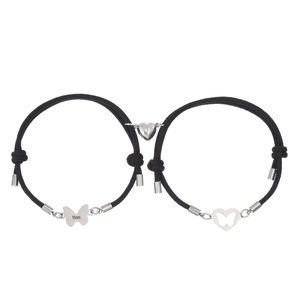
Minimalist Steel Electrocardiogram Health Bracelet Set
Combines aesthetic metallic craftsmanship with integrated bio-magnetic and pulse rate tracking nodes, suited for retail lines and boutique preventative health programs.
Send an Inquiry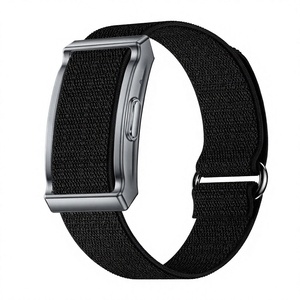
G70 Screenless ECG & Body Temperature Health Band
Ultra-lightweight biosensor band capturing continuous skin temperature, single-lead ECG strips, blood oxygen saturation, and sleep architecture without screen glare.
Send an Inquiry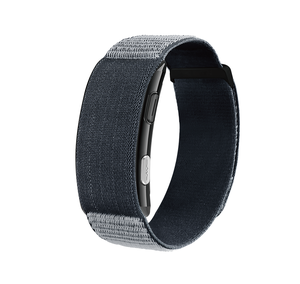
VITRO Multi-Sensor 1ATM Waterproof Health Bracelet
Cross-platform (Android/iOS) medical-grade wrist tracker supporting Bluetooth calling, automated cardiac telemetry, emergency alarms, and remote camera control.
Send an Inquiry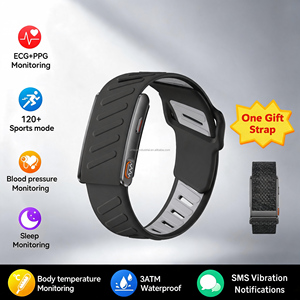
Long-Battery 3ATM Waterproof Screenless ECG Monitor
Built with a 180mAh high-density battery offering up to 15 days of continuous operation. 3ATM waterproof architecture ideal for uninterrupted post-discharge telemetry.
Send an Inquiry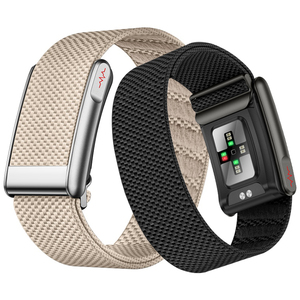
2026 E500 NFC Screenless Medical ECG Health Band
Next-generation biosensor featuring integrated NFC access control, real-time blood pressure trends, continuous thermometry, and medical-grade ECG raw data export.
Send an InquiryProven Track Record in Clinical & B2B Manufacturing
Quantifiable reliability backed by international regulatory standard compliance.
Enterprise Strengths: Why Sourcing from Certified Factories Matters
Bridging the gap between raw hardware manufacturing and certified clinical workflow integration.
ISO 13485 & Cleanroom SMT
Top China medical factories operate audited Cleanroom Surface-Mount Technology (SMT) lines certified under ISO 13485 quality management systems, eliminating cross-contamination and guaranteeing sensor calibration uniformity across tens of thousands of units.
Multi-Sensor PPG & Single-Lead ECG
Equipped with green, red, and infrared optical photoplethysmography (PPG) paired with stainless steel or titanium dry-electrode ECG arrays. Captures high-fidelity waveforms allowing automated detection of arrhythmias, atrial fibrillation (AFib), and pulse arrival time (PAT).
CE-MDR & FDA 510(k) Ready
Leading factories collaborate with notified bodies (such as Kiwa, TÜV, and BSI) to deliver pre-validated technical files, clinical evaluation reports (CER), and biological safety documentation, expediting local clearance for OEM buyers worldwide.
Open API & SDK Architecture
Unrestricted access to raw signal sampling at up to 128 Hz (accelerometer, PPG, ECG, galvanic skin response, thermometry). Documented REST APIs and mobile SDKs allow direct integration into hospital EMR systems, mobile apps, and clinical cloud dashboards.
Extended Continuous Autonomy
Screenless hardware architecture reduces displays' power drain, allowing continuous, high-frequency vital sampling for 7 to 15 days on a single charge. Reduces nursing maintenance overhead in general wards and lowers patient burden in post-discharge programs.
Full OEM/ODM Co-Development
From custom industrial design (ID) and tooling molds to firmware modification and private-label packaging, China OEM factories provide end-to-end engineering support for institutional clients, pharmaceutical sponsors, and healthtech scale-ups.
Comparative Sourcing Matrix
Evaluating OEM/ODM Manufacturing Partners vs. Legacy Medical Wearable Vendors.
| Evaluation Metric | Top China OEM/ODM Factories | Legacy Western Medical Brands |
|---|---|---|
| Raw Signal Access (PPG/ECG) | Full unencrypted 128Hz raw signal access via API/SDK | Often locked inside proprietary clouds; paid access |
| Hardware Unit Procurement Cost | Highly cost-effective (Direct factory B2B pricing) | High markup (Substantial brand premium) |
| Regulatory Technical Files | ISO 13485, CE-MDR, FDA 510(k) supporting files available | Pre-cleared under proprietary brand labels |
| Customization & Tooling | Full custom ID, firmware, algorithms, and enclosure colors | Fixed off-the-shelf configurations only |
| Battery Life (Continuous Wear) | 7 – 15 days (Screenless bio-tracker architecture) | 24 – 48 hours (High-drain screen displays) |
| EMR & Cloud Integration | Open integration (HL7, FHIR, REST APIs, Bluetooth SDK) | Subscription-locked proprietary dashboards |
Future Procurement & Technological Trends in Medical Wearables
Key structural shifts driving the next decade of institutional sourcing and digital health deployment.
1. Shift from Spot-Checks to Continuous Micro-Trend Analysis
Conventional hospital general ward procedures rely on manual vitals rounds conducted every 4 to 6 hours. However, patient deterioration (e.g., incipient sepsis, cardiac events, respiratory decline) often initiates silently between rounds. Modern procurement strategies prioritize wrist-worn wearables that continuously measure up to 19 vital parameters—including baseline continuous heart rate, heart rate variability (HRV), continuous blood oxygen saturation (SpO2), skin temperature, and respiration rate—enabling Early Warning Score (EWS/NEWS2) calculation in real time.
2. Rise of Screenless "Patient-Compliant" Biosensor Architecture
While consumer smartwatches emphasize bright displays and app notifications, clinical environments favor distraction-free, screenless form factors (such as the E500 and G70 series). Screenless medical wearables eliminate patient anxiety caused by real-time bio-data fluctuations, minimize power consumption, reduce device footprint, and substantially increase patient compliance in multi-week decentralize clinical trials and post-discharge Remote Patient Monitoring (RPM).
3. Embedded Edge AI & Arrhythmia Pattern Recognition
Next-generation China medical wearable factories are integrating embedded microcontrollers capable of running lightweight neural networks at the edge. By analyzing PPG and single-lead ECG signals directly on the wrist chip, these devices can trigger instant alerts upon detecting Atrial Fibrillation (AFib), Premature Ventricular Contractions (PVCs), or nocturnal apnea events before transmitting raw data strips to the cloud, significantly optimizing cellular/Bluetooth bandwidth.
4. Direct-to-Cloud Cellular Connectivity (4G / NB-IoT)
Dependence on smartphone pairing remains a primary point of failure in remote senior care and post-discharge monitoring due to Bluetooth disconnects and app confusion. Sourcing trends highlight an surging demand for integrated 4G LTE-M / NB-IoT smart bracelets (e.g., V6G series). These standalone devices relay physiological data, GPS location metrics, and automated fall detection emergency signals directly to institutional monitoring centers without smartphone intervention.
Comprehensive Vital Parameter Coverage
Multi-sensor integration capable of capturing 19 continuous physiological endpoints from a single wrist device.
Frequently Asked Sourcing & Technical Questions (FAQ)
Addressing critical compliance, engineering, and logistics inquiries for hospital buyers, B2B importers, and system integrators.
Leading China medical wearable manufacturers operate under audited ISO 13485 Quality Management Systems tailored for medical devices. For overseas distribution, premier factories supply products holding CE-MDR (EU 2017/745) certificates issued by European Notified Bodies (e.g., Kiwa, TÜV) and FDA 510(k) clearances in the United States. Additionally, compliance documentation includes RoHS, REACH, FCC, UN38.3 (battery transportation safety), and biocompatibility testing (ISO 10993) for skin-contact materials.
Yes. Unlike consumer wearable manufacturers that restrict users to proprietary app interfaces, specialized OEM/ODM medical factories provide IP-free access to raw signal data streams (PPG green/red/IR channels, single-lead ECG, 3-axis accelerometer values, skin temperature, and GSR) at sampling rates up to 128 Hz. Complete Mobile SDKs (iOS/Android) and REST APIs allow direct pipeline integration into your custom telehealth portals, academic research databases, or EMR platforms.
Screenless smart bracelets (such as the E500 and G70 models) eliminate the primary pain points of clinical monitoring: high battery consumption and patient anxiety. Without a power-hungry color display, the internal battery lasts up to 15 continuous days on a single charge, dramatically minimizing nursing intervention or patient re-charging errors. Furthermore, patients are prevented from over-analyzing real-time biometrics, leading to better compliance in long-term observational studies and post-discharge telemetry.
Standard white-label logo printing and custom box packaging typically start at an MOQ of 500 to 1,000 units. Deep OEM customization—including custom color injection molding, bespoke strap materials, firmware modifications, API gateway setup, or specialized sensor pairings—generally requires an MOQ of 2,000 to 5,000 units depending on technical complexity.
Medical-grade wearable factories engineer data transport mechanisms strictly prioritizing privacy-by-design. Data transmitted via Bluetooth Low Energy (BLE 5.0+) or 4G cellular gateways is protected using AES-128 or AES-256 encryption protocols. The devices themselves store anonymized payload IDs without personal identifiable information (PII). Cloud gateways and REST APIs are designed for seamless integration into HIPAA-compliant and GDPR-aligned server architectures.
Quality assurance includes 100% automated optical inspection (AOI) of SMT circuit boards, multi-point optical sensor calibration against reference medical devices (Fluke simulators), high-pressure water ingress testing (IP68/3ATM qualification), battery cycle stability testing, and drop/vibration stress testing. Each unit undergoes a mandatory burn-in run prior to final packaging.
Initiate Your OEM/ODM Wearable Sourcing Project Today
Connect directly with our engineering and B2B procurement team to request sample evaluation kits, detailed technical files (ISO 13485 / CE-MDR), SDK documentation, and bulk factory volume quotes.