
Medical & Smart Biosensor Patch Solutions
Explore high-precision ECG, PPG, SpO2, and multi-parameter vital sign monitoring devices available for OEM/ODM integration.
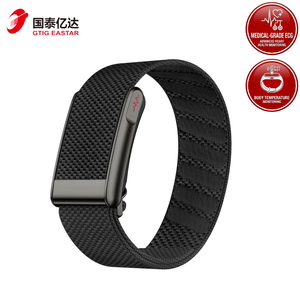
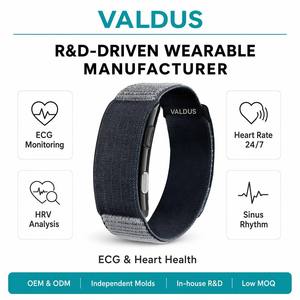
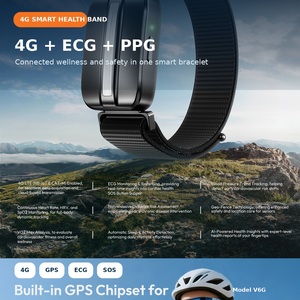
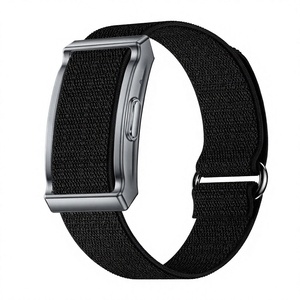
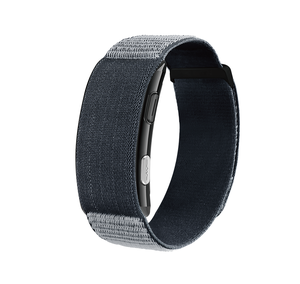
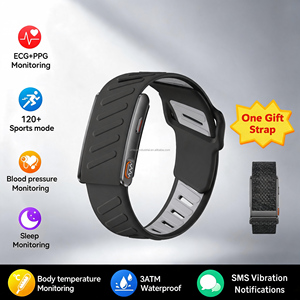
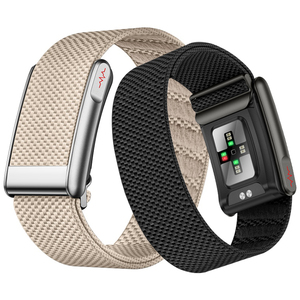
Executive Summary: The Evolution of China's Biosensor Patch Ecosystem
The global continuous health monitoring market is undergoing a structural paradigm shift. Driven by aging demographics, chronic disease burdens, and the decentralization of clinical trials, demand for non-invasive, medical-grade biosensor patches and screenless smart bands has surged exponentially. China has solidified its position as the premier manufacturing hub for these advanced medical devices, transitioning from low-cost OEM electronic manufacturing to high-value CDMO (Contract Development and Manufacturing Organization) medical-grade engineering.
Modern biosensor patch manufacturing in China combines state-of-the-art microfluidics, flexible printed circuit (FPC) assembly, bio-compatible adhesive formulation, and high-density System-on-Chip (SoC) integration. Top-tier suppliers in the region now provide end-to-end capabilities spanning hardware prototyping, algorithm co-development, regulatory clearance assistance (including CE-MDR under EU standards and FDA 510(k) in the United States), and full-scale ISO 13485 compliant manufacturing.
Core Technological Capabilities & Engineering Advantages
When selecting a primary supplier or OEM manufacturer in China for biosensor patches and continuous monitoring wearables, global buyers must evaluate the underlying hardware architecture and multi-sensor processing capabilities. Leading manufacturers distinguish themselves through several critical core technologies:
Multi-Sensor Data Fusion
Integrated 3-axis/6-axis accelerometers, multi-wavelength PPG (Green, Red, Infrared), single-lead ECG, skin temperature sensors, and Galvanic Skin Response (GSR) in unified form factors.
Raw Signal Access (IP-Free)
Unrestricted access to high-frequency raw optical waveforms, bio-impedance signals, and raw acceleration metrics at up to 128 Hz for independent algorithm development and digital biomarker research.
Medical Security & Interoperability
Full support for REST APIs, BLE/4G SDKs, GDPR, and HIPAA compliance, enabling automated push of Early Warning Scores (EWS) directly into Hospital Information Systems (HIS) and Electronic Medical Records (EMR).
Technical Specification Matrix: Medical-Grade vs. Consumer Wearables
Understanding the distinction between consumer-grade fitness bands and genuine medical-grade biosensor platforms is crucial for procurement officers and healthcare system integrators. Below is a detailed technical comparative framework:
| Parameter / Feature | Consumer Fitness Trackers | Medical Biosensor Patches & Smart Bands |
|---|---|---|
| Primary Intended Use | General wellness, activity tracking, lifestyle | General ward monitoring, Remote Patient Monitoring (RPM), Clinical Trials |
| Signal Sampling Frequency | Episodic / 1 Hz - 25 Hz intermittent | Continuous / Up to 128 Hz full raw data streaming |
| Regulatory Certification | None (FCC / CE EMC only) | CE-MDR (Class IIa/IIb), FDA 510(k), ISO 13485 |
| Biocompatibility Standard | Standard silicone / plastics | ISO 10993 cytotoxicity, sensitization, and skin irritation compliance |
| Data Export & API | Proprietary closed cloud, aggregated data | Open REST APIs, Mobile SDKs, raw EDF/CSV export, EMR integration |
| Invasive / Substrate Type | Rigid wrist housing | Ultra-flexible FPC, medical hydrogel, skin-friendly PSA adhesives |
Future Procurement Trends in China's Biosensor Manufacturing (2026–2030)
As the digital health landscape matures, B2B sourcing strategies are evolving beyond simple unit-cost negotiations. Buyers are increasingly prioritizing technical versatility, operational longevity, and robust risk management. Key procurement trends shaping China’s biosensor sector over the next decade include:
1. Transition Toward Screenless, High-Compliance Wearable Form Factors
Screenless devices (such as the E500, G70, and VITRO screenless series highlighted above) are rapidly gaining market share in professional healthcare settings. Eliminating the display drastically improves battery performance (yielding 15 to 30 days of continuous operation on a single charge), lowers physical weight, prevents patient tampering or distraction, and reduces per-unit manufacturing cost. This screenless architecture allows patients, elderly cohorts, and clinical trial participants to wear the patch or band continuously without daily recharging disruptions.
2. Multi-Wavelength Optical and Electrochemical Fusion
Next-generation biosensor patches produced in top Chinese facilities are integrating optical photoplethysmography (using combined green, red, and infrared LEDs) alongside electrochemical sensors and continuous skin impedance monitoring. This multi-modal approach facilitates non-invasive estimation of arterial stiffness, heart rate variability (HRV) metrics, skin hydration, and dynamic blood oxygen saturation (SpO2) under motion artifact conditions.
3. Direct 4G/NB-IoT and Decentralized Cloud Connectivity
While traditional wearables rely exclusively on Bluetooth pairing with a patient’s mobile phone, modern clinical sourcing calls for autonomous communication modules. Integrated 4G LTE-M / NB-IoT connectivity embedded directly into senior and post-discharge health bands ensures real-time transmission of vitals and automated SOS emergency triggers without requiring smartphone setup or local Wi-Fi bridges.
4. Flexible Electronics and Sustainable Medical Adhesives
Environmentally conscious procurement policies are driving innovation in recyclable substrates and biodegradable pressure-sensitive adhesives (PSAs). Manufacturers are deploying roll-to-roll printed electronics that maintain electrical conductivity under dynamic skin strain while reducing bio-hazardous waste following 7-day or 14-day continuous clinical deployments.
Quality Control, Cleanroom Standards & IP Protection Frameworks
Partnering with a OEM/ODM manufacturer in China requires rigorous evaluation of quality assurance protocols and intellectual property safeguards. Industry-leading Chinese enterprises adhere to strict international manufacturing standards:
- Cleanroom Production Environment: Automated assembly of sensor modules within Class 100,000 (ISO Class 8) or Class 10,000 (ISO Class 7) cleanrooms to eliminate particulate contamination during optical sensor bonding and bio-adhesive laminating.
- Traceability & Batch Testing: Every individual PCBA and sensor module is assigned a unique device identifier (UDI) linked to batch-level component sourcing, automated optical inspection (AOI) records, and functional test data stored for up to 10 years.
- IP Protection Protocols: Leading suppliers offer clean-break software integration options, allowing OEM clients to flash proprietary algorithms directly onto the device firmware at final production stages, ensuring that client algorithms remain protected and isolated.
Frequently Asked Questions (FAQ) for B2B Sourcing
Key answers for healthcare executives, sourcing managers, and digital health technology buyers.
Start Your Strategic Biosensor Sourcing Partnership
Consult with our OEM/ODM technical team to review sensor specifications, request engineering evaluation samples, or discuss custom product development for your health network or research study.
Send an Inquiry