
Featured OEM/ODM Wearable Sensor Hardware
Explore certified screenless smart bands, multi-parameter health monitoring bracelets, continuous ECG/PPG sensors, and 4G senior safety wearables manufactured for enterprise scaling.
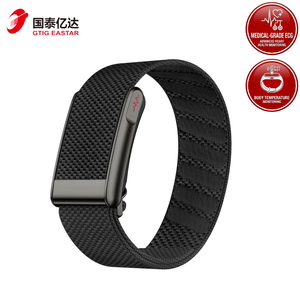
E500 ECG Screenless AI Health IP68 Smart Bracelet Heart Rate Blood Pressure Sleep Multisport Monitor MF90 MF91 ETQ13 2026
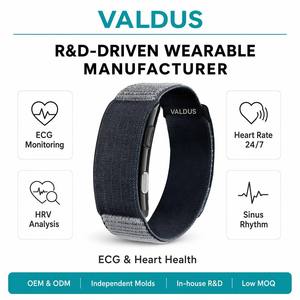
VALDUS VITRO ODM/OEM Manufacturer Screenless 2026 ECG Health Designed for Every Activity Smart Fitness Tracker Band Bracelet
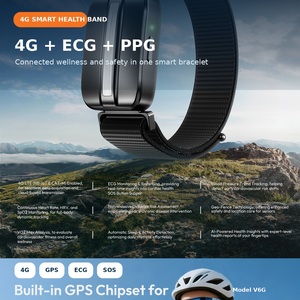
V6G 4G Smart Health Bracelet with ECG PPG GPS SOS Heart Rate SpO2 Sleep Monitoring for Seniors OEM ODM
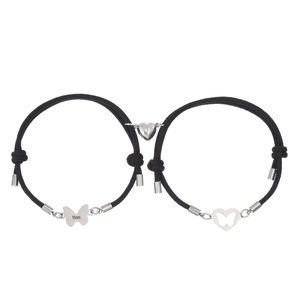
Fashion Hot Selling Minimalist Trendy Steel Color Electrocardiogram Magnetic Couple Bracelets Gift Set Wholesale
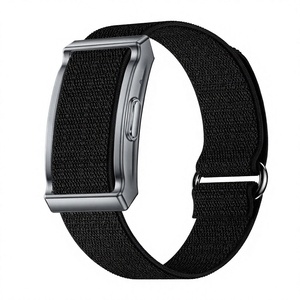
Screenless Smart Bracelet G70 ECG Heart Rate Blood Oxygen Body Temperature Sleep Monitoring Sports Fitness Band
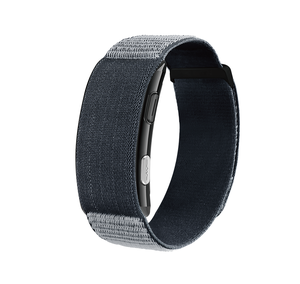
VITRO Smart Android IOS 1ATM Waterproof Fitness Bracelet with Heart Rate Sleep Tracker Remote Control ECG BT Call & Alarm Clock
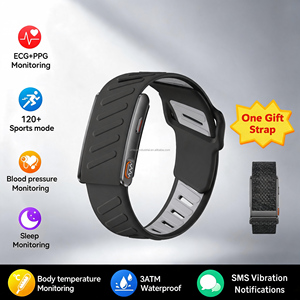
ECG No Screen Smart Bracelet 180mAh 15 Days Battery 3ATM Waterproof Heart Rate SpO2 Pedometer Sleep Monitor Fitness Android
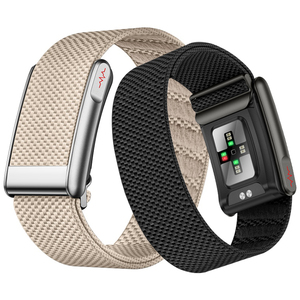
2026 New E500 Screenless Smart Bracelets with NFC ECG Blood Pressure Body Temperature Health Fitness Tracker Band Without Screen
1. Executive Summary & The Global Wearable Sensor Manufacturing Ecosystem
The global wearable sensor market has undergone a fundamental architectural shift. Transitioning from consumer-grade step counters to clinical-grade, continuous vital sign monitoring devices, OEM/ODM exporters are now required to bridge hardware engineering with rigorous medical regulatory compliance. Enterprise buyers—including pharmaceutical CROs, hospital networks, healthcare system integrators, and digital health software platforms—require sensor hardware that delivers high-fidelity biometrics, long battery life, raw signal access, and certified data privacy compliance.
Evaluating the top wearable sensor factories requires looking beyond basic assembly capability. Tier-1 manufacturers set themselves apart through continuous multi-sensor integration, ISO 13485 cleanroom manufacturing, automated calibration setups, and flexible firmware integration via open REST APIs and Mobile SDKs.
Global Regulatory Readiness
Pre-tested hardware architectures compliant with EU CE-MDR, US FDA 510(k), and regional wireless certifications (FCC/CE/TELECB).
Raw Signal & Biomarker Access
Unfiltered PPG (RGB/IR), single-lead ECG, Galvanic Skin Response (GSR), and accelerometer raw exports for proprietary AI/ML algorithm development.
Medical Grade Security
End-to-end AES-256 data encryption, HIPAA and GDPR compliant firmware pipelines, protecting patient privacy across cloud gateways.
2. Key Procurement Trends in Wearable Sensors (2026–2030)
Sourcing strategies for wearable physiological sensors are pivoting toward continuous, low-friction, multi-parameter tracking units. Below are the key engineering and market shifts shaping future B2B tenders:
A. Shift to Screenless Form Factors for High Compliance
Screenless smart bands (such as the E500 and G70 series) represent a fast-growing category in clinical research, general hospital ward monitoring, and remote patient monitoring (RPM). Removing interactive displays drastically reduces power consumption (enabling 10–15 days of continuous operation), minimizes patient distraction, lowers unit manufacturing costs, and prevents accidental user tampering during long-term trials.
B. Multi-Sensor Fusion: PPG, ECG, SpO2 & Skin Temperature
Single-metric trackers are being phased out in favor of multi-sensor fusion modules. Advanced factories integrate optical Photoplethysmography (PPG) with single-lead Electrocardiogram (ECG) electrodes, core temperature thermistors, and Galvanic Skin Response (GSR) sensors into a single wrist-worn device. This allows continuous calculation of up to 19 vital parameters, including automated Early Warning Scores (EWS/NEWS2), Heart Rate Variability (HRV), continuous blood oxygen saturation (SpO2), and arrhythmia screening.
C. Cellular (4G/NB-IoT) Direct-to-Cloud Connection for Senior Care
For elderly safety and post-discharge home care, relying on smartphone Bluetooth pairing creates compliance friction. Modern exporters are integrating 4G LTE-M / Narrowband-IoT (NB-IoT) modules directly into wristbands (e.g., V6G series), providing standalone GPS tracking, fall detection, and one-touch SOS alerts straight to clinical dashboards without requiring a smartphone.
3. Enterprise Manufacturing Competencies & Solution Architecture
Referencing top-tier manufacturing architectures (such as Corsano Health ecosystem standards), leading wearable exporters deliver end-to-end hardware-to-cloud infrastructure designed for immediate deployment.
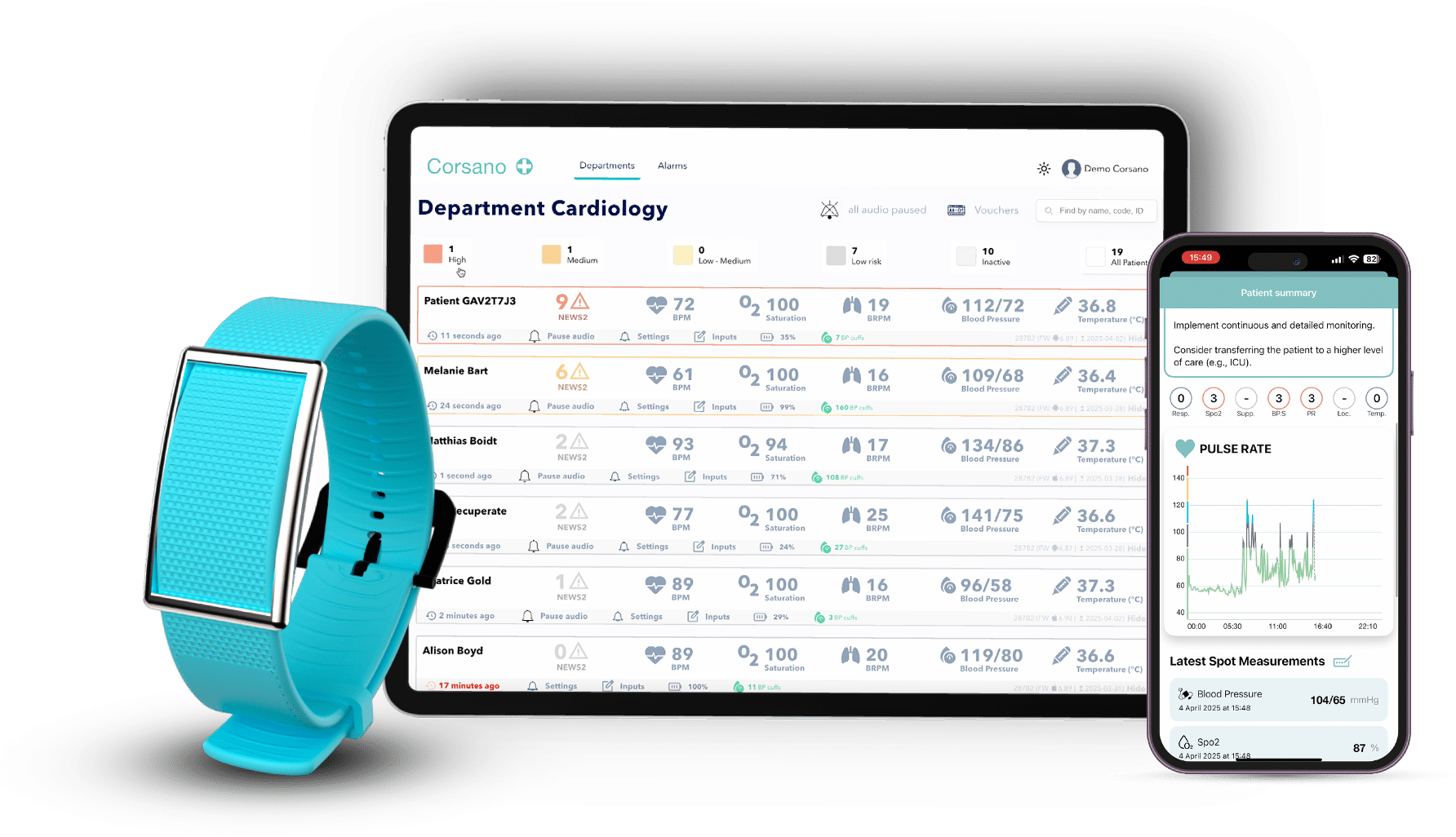
End-to-End Enterprise System Integration
Our hardware products are engineered to work natively with secure gateway apps and centralized clinical dashboards, allowing seamless data flow from patient wrists to hospital Electronic Medical Records (EMR).
- ✓ Hardware Designed for 24/7 Wear: Compact, lightweight, water-resistant (IP68 / 3ATM) housings built for long patient compliance.
- ✓ Clinically Benchmarked Algorithms: Vital sign calculation models validated against clinical reference monitors.
- ✓ Open Data Architecture: Documented REST APIs and mobile SDKs enabling direct pairing with third-party software.
- ✓ Scalable Supply Chain: ISO 13485 certified production lines supporting custom ODM branding, customized enclosure colors, and custom packaging.
4. Global B2B Procurement FAQ (Frequently Asked Questions)
Key technical and logistical answers for wholesale buyers, medical device distributors, and digital health developers:
5. OEM Supplier Evaluation Criteria for B2B Importers
When selecting a reliable wearable sensor manufacturer and exporter, procurement leaders should evaluate factory performance using the following standardized audit matrix:
- 1 Optical Sensor Calibration Accuracy: Verify optical darkrooms and multi-wavelength PPG calibration fixtures used during assembly to guarantee signal repeatability.
- 2 Firmware Security & OTA Updates: Confirm support for encrypted Over-The-Air (OTA) firmware updates to patch security vulnerabilities and update algorithms post-deployment.
- 3 Battery Lifecycle Validation: Inspect high-temperature lithium battery cycle aging test reports to ensure long-term stability under continuous 24/7 monitoring workloads.
- 4 Supply Chain Transparency: Demand component traceability for key ICs (Nordic, Texas Instruments, Analog Devices, Maxim Integrated) to avoid gray-market chip substitutions.
Partner with a Leading Wearable Sensor Manufacturer
Consult with our engineering and B2B export specialists to discuss custom OEM/ODM production, sample evaluation orders, API documentation, or bulk pricing.
Send an Inquiry