
Featured Oxygen & ECG Monitoring Solutions
Direct factory OEM/ODM products engineered for continuous vital sign acquisition, high optical SpO2 accuracy, and enterprise scalability.
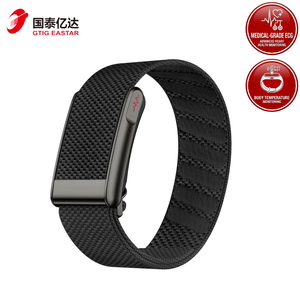
E500 ECG Screenless AI Health IP68 Smart Bracelet
Screenless low-power wearable featuring dual-wavelength pulse oximetry, continuous blood oxygen tracking, AI rhythm analysis, and IP68 waterproof housing.
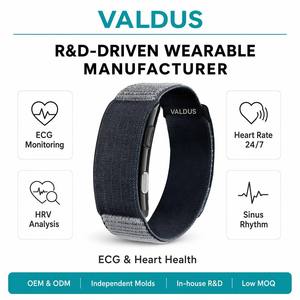
VALDUS VITRO ODM/OEM Screenless ECG Fitness Tracker
Designed for active monitoring and remote research. Optimized photoplethysmography (PPG) sensor array with medical-grade skin temperature and cardiac analysis.
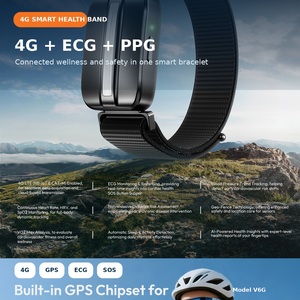
V6G 4G Smart Health Bracelet with ECG, PPG & SOS
Cellular 4G connectivity tailored for senior care. Features continuous SpO2 monitoring, GPS geolocation, SOS emergency trigger, and cloud API integration.

Minimalist Steel Electrocardiogram Health Bracelet
Sleek metallic form-factor combining aesthetic appeal with integrated bio-impedance and baseline cardiac rhythm evaluation for lifestyle wellness brands.
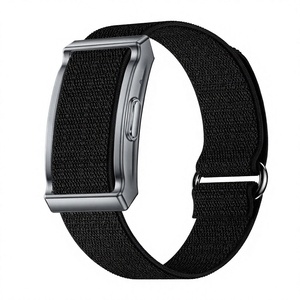
Screenless Smart Bracelet G70 ECG & Temp Monitor
High-density multi-sensor module outputting real-time arterial oxygen saturation estimates, skin temp, HRV, and sleep architecture indicators.
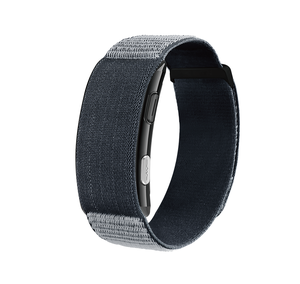
VITRO Smart 1ATM Waterproof Fitness Band with ECG
Cross-platform (Android/iOS) Bluetooth BLE 5.2 monitoring band built for 24/7 continuous wear, remote camera shutter control, and cardiac event flagging.
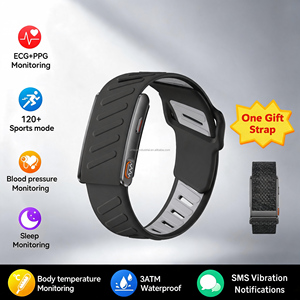
ECG No Screen Smart Band 15-Day Ultra Long Battery
3ATM water-resistant enclosure housing a 180mAh optimized lithium battery, engineered for multi-week clinical trials without frequent charging interruptions.
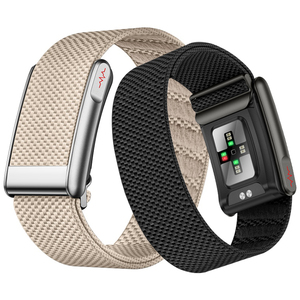
2026 E500 Screenless NFC Smart Health Bracelet
Next-generation hardware equipped with contactless NFC data transit, continuous PPG oxygenation telemetry, single-lead ECG, and non-invasive health profiling.
Enterprise Infrastructure & Medical Quality Standards
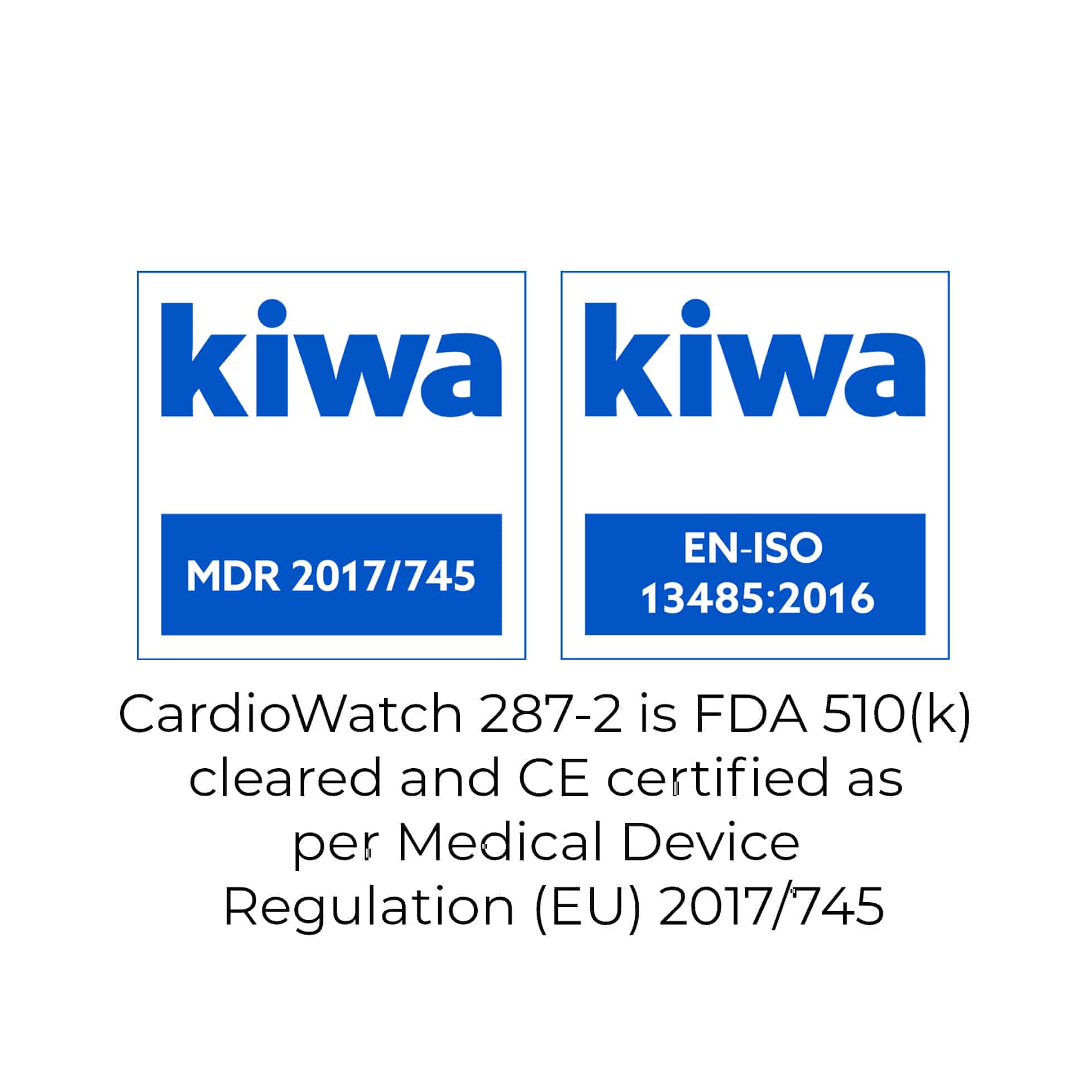
Combining certified European medical engineering with high-volume ISO 13485 contract manufacturing capabilities.
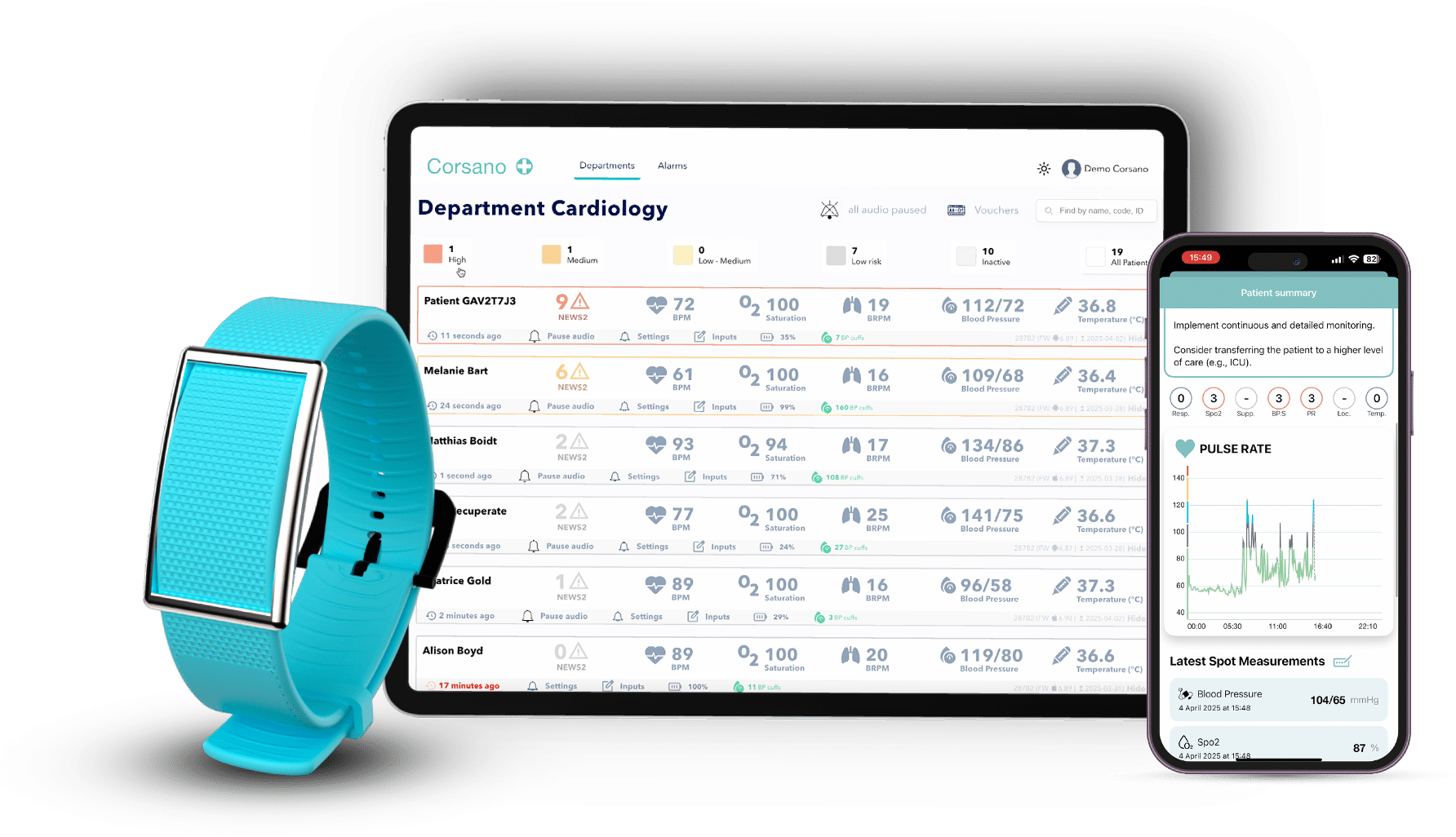
End-to-End Certified Medical Hardware & Cloud Pipeline
Our manufacturing platforms bridge the gap between consumer wearable comfort and medical-grade data integrity. Built under strict compliance frameworks, our facility delivers high-performance optical sensors capable of continuous photoplethysmography (PPG) sampling up to 128 Hz.
Unlike consumer fitness bands that rely on estimated heuristics, our suppliers implement factory-calibrated R-curves validated against invasive arterial blood gas measurements to ensure sub-2% SpO2 RMS error across diverse perfusion indexes.
Global B2B Sourcing Guide: Oxygen Monitor Factories & OEM Innovations
Pulse oximetry and continuous SpO2 monitoring technology have undergone a seismic shift. Driven by post-pandemic remote patient monitoring (RPM) initiatives, decentralised clinical trials (DCTs), and aging global demographics, institutional buyers are moving away from legacy spot-check finger-clip pulse oximeters toward continuous wrist-worn and screenless multi-sensor platforms. When selecting top-tier oxygen monitor factories and suppliers, healthcare procurement managers, MedTech distributors, and pharmaceutical trial sponsors must evaluate key technical variables including sensor signal-to-noise ratio (SNR), optical wavelength selection, motion artifact rejection algorithms, and regulatory accreditation status.
1. The Evolution of Wearable Photoplethysmography (PPG) Sensors
Traditional bedside pulse oximeters rely on transillumination, where red (approximately 660 nm) and infrared (approximately 940 nm) light passes through a thin tissue site—such as a fingertip or earlobe—to a photodetector on the opposing side. However, continuous wrist-worn oxygenation monitors must operate using reflectance photoplethysmography, where light is backscattered from subcutaneous capillaries back to an adjacent photodiode array.
Leading oxygen monitor factories have addressed the lower optical yield of reflectance sensing by deploying multi-wavelength LED matrices. By integrating green (525 nm) light for robust heart rate and microvascular pulse wave tracking, alongside dual red/infrared emitters for differential oxyhemoglobin (HbO2) and deoxyhemoglobin (Hb) absorption measurement, advanced wearable bands achieve high precision even during low peripheral perfusion conditions (Perfusion Index < 0.3%).
Multi-Spectral Optics
Integration of Red (660nm), Infrared (940nm), and Green (525nm) LEDs to maintain sub-2% RMS accuracy across variable skin tones and ambient lighting conditions.
Motion Artifact Cancellation
Embedded 3-axis accelerometer noise cancellation algorithms filter out kinetic movement, preventing false hypoxemia alarms during daily physical activity.
Raw PPG Data Export
Full access to raw optical waveforms (up to 128Hz) allowing research teams to build custom machine learning models and proprietary digital biomarkers.
2. Future Procurement Trends in Health & Oxygen Monitoring
As the healthcare market transitions from reactive acute care to proactive continuous monitoring, procurement departments are updating their evaluation frameworks. Over the 2026–2030 horizon, four dominant trends are defining successful contract manufacturing and factory selection:
Trend A: The Shift to Screenless Form Factors for Compliance
Screenless smart bracelets (such as the E500 and G70 series) have emerged as the preferred form factor for clinical trials and hospital-at-home monitoring. Eliminating the visual display serves three strategic procurement objectives: it drastically reduces power consumption (extending battery life from 2 days up to 15–30 days), prevents patient anxiety caused by real-time biofeedback fluctuations, and eliminates user tampering or unintentional setting modifications.
Trend B: Multi-Parameter Biosensor Integration
Standalone oxygenation monitors are rapidly being replaced by multi-sensor platforms. Modern OEM contracts require the integration of single-lead ECG rhythm strip capture, continuous galvanic skin response (GSR/EDA) for stress sensing, precision thermistors for core body temperature trends, and automated Early Warning Scores (EWS) to flag clinical deterioration before overt respiratory arrest occurs.
Trend C: Open API Architecture & EMR Interoperability
Enterprise buyers no longer accept walled-garden companion applications. Factory customization now centers around Bluetooth Low Energy (BLE 5.2/5.3) SDK integration, allowing direct telemetry relay through hospital gateway appliances or patient smartphone apps directly into HL7 FHIR-compliant cloud servers.
Trend D: Stringent ISO 80601-2-61 Clinical Validation
Regulatory authorities including the US FDA and European Medicines Agency (EMA) are tightening oversight on wellness-grade wearables marketed for health applications. Sourcing directors must verify that prospective factories possess ISO 80601-2-61 compliance certifications—the specific international standard governing the basic safety and essential performance of pulse oximeter equipment.
3. Technical Evaluation Matrix for Oxygen Monitor Suppliers
To assist procurement officers in vendor matrix scoring, the following comparative framework outlines the technical benchmarks differentiating tier-1 medical contract manufacturers from low-cost consumer electronic suppliers:
| Evaluation Parameter | Tier-1 Medical OEM / Supplier | Standard Consumer Electronics Factory |
|---|---|---|
| SpO2 Accuracy Range (70% - 100%) | Arms ≤ 2.0% (Validated via Hypoxia Testing) | Unvalidated or Arms > 4.0% (Estimated) |
| Quality Management System | ISO 13485 Certified Facility & Audit Trail | ISO 9001 Only (General Electronics) |
| Optical Waveform Access | Raw PPG & Accelerometer (64Hz - 128Hz) | Filtered / Derived Metrics Only (No Raw Data) |
| Firmware Customization | Full BLE SDK, Custom Encryption Keys, OTA API | Fixed Factory Firmware, Closed App Ecosystem |
| Battery Life (Continuous Wear) | 7 to 15+ Days (Optimized Power MCU) | 24 to 48 Hours (High Screen Power Draw) |
| Regulatory Approval Portfolio | CE-MDR Class IIa/IIb, FDA 510(k) Cleared | FCC, CE-EMC, RoHS Only (Consumer Use) |
4. Enterprise Manufacturing & Quality Assurance Procedures
Quality control within oxygen monitor manufacturing centers on optical sensor alignment and dark-current calibration. During the surface-mount technology (SMT) process, precise positioning of the photodiode relative to the light-emitting diodes is critical to prevent optical crosstalk—a condition where LED light reflects directly off the device cover glass without penetrating microvascular tissue.
Optical Assembly & Cleanroom Calibration
Leading factories utilize automated optical inspection (AOI) alongside specialized artificial phantom arms that simulate human blood absorption spectrums across varying arterial pulse frequencies. Each produced unit undergoes a multi-point calibration run inside an isolated darkroom station to program factory-specific coefficients into the sensor’s micro-controller unit (MCU).
Furthermore, structural encapsulation requires strict IP67 or IP68 ingress protection testing. Ultrasonic welding or specialized liquid silicone rubber (LSR) injection molding ensures that sweat, washing water, and medical-grade disinfectants cannot compromise internal optics or lithium-polymer battery chemistry.
Frequently Asked Buyer Questions (FAQ)
Essential technical and procurement insights for medical equipment sourcing specialists, CROs, and brand owners.
Q: What is the standard accuracy tolerance (Arms) for factory-supplied oxygen monitors?
Medical-grade continuous oxygenation suppliers calibrate sensors to achieve a Root Mean Square Error (Arms) of ≤ 2.0% across the 70% to 100% SpO2 arterial saturation range. Testing is conducted in controlled hypoxia lab studies in compliance with ISO 80601-2-61 standards, contrasting monitor readings against CO-oximeter blood sample baselines.
Q: Can your OEM factories provide screenless smart bracelets for custom health platforms?
Yes. Screenless smart bracelets (such as the E500, G70, and VITRO models) are engineered specifically for enterprise OEM/ODM partners. By removing the display, these devices extend operating battery life, reduce patient interaction friction, and allow full white-label integration into custom iOS/Android companion applications via SDK.
Q: How do continuous oxygen monitors overcome motion artifacts during physical activity?
Advanced factories embed 3-axis or 6-axis accelerometers directly alongside the optical sensor array. Adaptive noise-cancellation firmware algorithms (such as Kalman filtering or adaptive FIR filters) analyze movement vectors simultaneously with raw photoplethysmography (PPG) signals, isolating true arterial pulsation from motion-induced optical interference.
Q: Are raw PPG and ECG data streams accessible for clinical research applications?
Yes. Unlike consumer wearables that only output processed numerical averages, our partner suppliers provide unrestricted access to raw photoplethysmography (green, red, IR channels) and single-lead ECG data at sampling frequencies up to 128 Hz via open API documentation and software development kits.
Q: What customization options are available for bulk OEM/ODM procurement orders?
Factory customization services cover physical enclosure branding, custom strap materials (medical-grade TPU, silicone, or stainless steel), custom PCB antenna tuning, dedicated firmware development, custom BLE UUID broadcasting, customized packaging designs, and cloud API webhooks tailored to your server architecture.
Q: How do suppliers handle data security and regulatory compliance (GDPR/HIPAA)?
Data privacy is embedded into the firmware layer. Payload transmissions over Bluetooth Low Energy utilize AES-128 or AES-256 encryption. Cloud gateways implement zero-trust authentication, ensuring that patient identifiable information (PII) remains segregated from raw physiological telemetry to comply fully with HIPAA and European GDPR standards.
Request Factory Specifications & Bulk Procurement Quotations
Speak directly with our clinical sensor engineers and OEM project managers to review hardware documentation, request evaluation samples, or schedule an ISO 13485 facility audit.
Contact Us