
Executive Sourcing Brief: The Evolution of Bluetooth Low Energy (BLE) Biosensors
The global market for wireless health monitoring devices and industrial telemetry sensors has undergone a profound structural shift. Driven by advanced Bluetooth Low Energy (BLE 5.3 & 5.4 protocols), bio-compatible wearable electronics, and edge AI miniaturization, procurement directors and MedTech innovators are demanding more than simple step-counting peripherals. Modern B2B sourcing strategies prioritize medical-grade regulatory clearances (CE-MDR Class IIa and FDA 510(k)), ultra-low noise Photoplethysmography (PPG) arrays, single-lead Electrocardiogram (ECG) telemetry, and unrestricted raw data stream access (up to 128 Hz sampling rates).
This benchmark publication examines the top manufacturing architectures, technical evaluation criteria, supplier ecosystems, and procurement trends driving the next generation of continuous patient monitoring, remote patient monitoring (RPM), and industrial IoT sensing platforms.
Featured OEM/ODM Bluetooth Biosensor Modules & Smart Bands
Engineered under strict ISO 13485 quality standards for hospital general wards, post-discharge remote monitoring, and clinical research consortia.
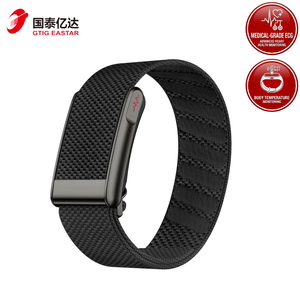
E500 ECG Screenless AI Health IP68 Smart Bracelet
Next-generation screenless vital signs tracker engineered for zero-distraction continuous patient monitoring. Integrates high-precision ECG, SpO2, and automated heart rate variability analysis.
- Sensor: ECG + PPG Dual Engine
- Ingress: IP68 Waterproof
- Protocol: BLE 5.2 / Cloud API
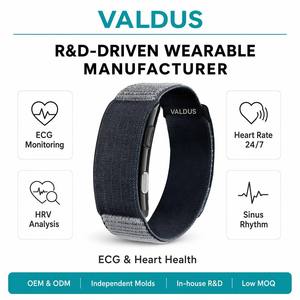
VALDUS VITRO Screenless ECG Health Fitness Tracker Band
Designed for active clinical trials and non-invasive daily health tracking. Features zero-screen power optimization for ultra-extended battery longevity up to 21 days on a single charge.
- Architecture: Screenless OEM/ODM
- Metrics: ECG Rhythm, HRV, Sleep
- SDK: Mobile iOS/Android Gateway
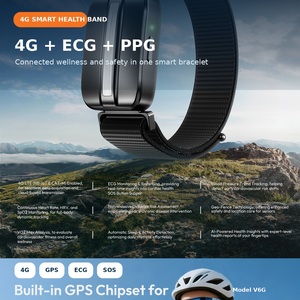
V6G 4G Standalone Smart Health Bracelet with GPS & SOS
Integrated hybrid telemetry band featuring cellular 4G connectivity alongside Bluetooth short-range sensing. Built specifically for senior emergency monitoring, GPS tracking, and SOS alerts.
- Connectivity: 4G LTE + BLE 5.0 + GPS
- Safety: One-Touch SOS Emergency
- Application: Senior Care & RPM
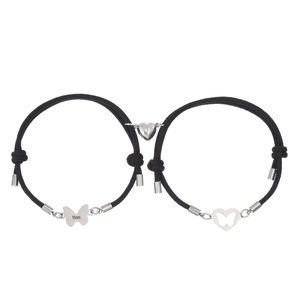
Minimalist Electrocardiogram Magnetic Steel Sensor Bracelet
Combines medical-inspired stainless steel craftsmanship with bio-magnetic sensor nodes. Suitable for consumer wellness brands looking for premium aesthetic healthcare peripherals.
- Material: 316L Surgical Steel
- Target: Consumer Wellness OEM
- Enclosure: Magnetic Clasp Assembly
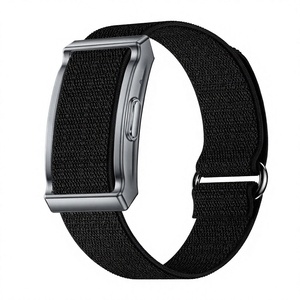
G70 Screenless Multi-Sensor ECG & Body Temperature Band
Compact multi-sensor array combining high-frequency PPG, contact skin temperature sensors, and single-lead ECG. Optimized for early detection of clinical deterioration and infection signals.
- Parameters: ECG, SpO2, Temp, Sleep
- Battery: 180mAh Ultra-Low Power
- Calibration: Medical Reference Standard
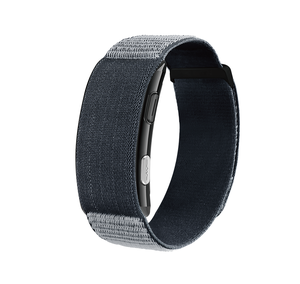
VITRO Smart Android/iOS 1ATM ECG & Bluetooth Call Bracelet
A multi-functional hybrid wearable featuring Bluetooth audio calling alongside clinical-grade physiological tracking. Supports automatic background sleep staging and arrhythmia screening.
- Rating: 1ATM Water Resistant
- Audio: Dual BT Voice Telemetry
- OS Support: iOS & Android Apps
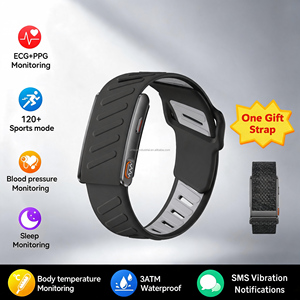
ECG No-Screen 3ATM Smart Biosensor Band (15-Day Runtime)
Rugged 3ATM waterproof biosensing bracelet with a continuous 15-day battery life. Purpose-built for decentralized clinical trials where uninterrupted wear compliance is critical.
- Ingress: 3ATM (30 Meter Depth)
- Battery: 180mAh Li-Polymer / 15 Days
- Raw Signal: Green/Red/iR PPG
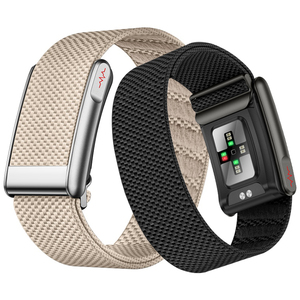
2026 Edition E500 Screenless NFC & Multi-Parameter Biosensor
The latest iteration of the E500 series featuring embedded NFC for patient identification and hospital bedside pairing. Collects blood pressure trends, skin temperature, and 24/7 ECG data.
- Feature: Embedded NFC Access Control
- Biomarkers: Continuous BP & Temp
- Compliance: CE / ISO 13485 Pipeline
Technical Benchmarks: Evaluating Top Bluetooth Sensor Manufacturers
Selecting an OEM or ODM manufacturing partner for Bluetooth biosensors requires an end-to-end evaluation of regulatory readiness, signal-to-noise ratio (SNR), micro-controller power draw, and API/SDK flexibility. Unlike consumer wearables, enterprise medical-grade sensors must deliver verifiable telemetry that interfaces directly into hospital Electronic Medical Records (EMR) or secure CRO clinical data management systems (CDMS).
| Supplier Tier | Target Application | Regulatory Status | Raw Data Access | BLE Architecture |
|---|---|---|---|---|
| Medical Grade (e.g., Corsano Health) | General Wards, RPM, Clinical Trials | CE-MDR Class IIa, FDA 510(k) Cleared | IP-Free Raw Signals (Up to 128Hz PPG/ECG) | BLE 5.3 / Encrypted AES-128 Mesh |
| Industrial Telemetry Tier | Asset Tracking, Environmental Sensing | ISO 9001, CE, FCC, RoHS | Filtered Payload Packet Stream | BLE 5.4 Long Range (Coded PHY) |
| Consumer Health OEM Tier | Fitness Tracking, Lifestyle Wearables | CE, FCC, standard ROHS | Processed / Algorithmic Aggregates Only | BLE 5.0 Standard Peripheral Mode |
Future Procurement Trends in Bluetooth Sensor Hardware
Key technological and commercial developments reshaping procurement specifications over the next decade.
Screenless Continuous Biosensing
Procurement teams are rapidly shifting away from touchscreen consumer bands toward single-purpose, screenless form factors. Eliminating display screens increases battery operational life by 300–400%, improves water ingress protection (3ATM/5ATM), prevents user distraction or parameter tampering, and significantly lowers unit manufacturing costs for hospital ward-wide deployments.
Unrestricted Raw Signal Telemetry
Black-box consumer wearable algorithms are no longer acceptable for pharmaceutical sponsors or hospital research consortia. Future RFQ specifications mandate access to raw multi-channel PPG (Green, Red, Near-Infrared), single-lead ECG wave strips, 3-axis accelerometer vectors, skin temperature, and Galvanic Skin Response (GSR) at raw sampling rates up to 128 Hz.
BLE 5.4 Mesh & Cellular Gateway Convergence
High-density clinical environments demand seamless continuous telemetry as patients move between wards, operating rooms, and home recovery. Modern procurement requires dual-telemetry modes: ultra-low-power BLE 5.4 Mesh networking for ward-wide gateway coverage, paired with embedded NB-IoT or 4G LTE cellular failover inside portable receiver hubs.
Architectural Breakthroughs: Product Development Trends
The sensor engineering landscape is advancing across three primary dimensions: signal acquisition fidelity, micro-power management, and automated early warning scoring (EWS).
1. Multi-Modal Sensor Fusion Engine
Modern Bluetooth biosensors combine optical PPG, electrical ECG, thermal thermistors, and capacitive skin contact sensors onto a single flexible PCB substrate. By leveraging edge AI motion-artifact filtering, raw optical signals are cleaned in real-time before transmission over Bluetooth Low Energy links, reducing packet loss and preserving battery energy.
2. Automated Early Warning Score (EWS) Integration
Rather than relying solely on episodic nursing spot-checks, modern sensor firmware derives up to 19 vital parameters continuously—including heart rate, heart rate variability (HRV), continuous respiration rate, SpO2 trends, skin temperature, posture, and sleep architecture—feeding directly into automated National Early Warning Score (NEWS2) escalation protocols.
Corsano Health: Certified Medical Wearable Pioneer
Corsano Health B.V. stands at the forefront of continuous patient monitoring and OEM biosensing technologies. Developed under strict ISO 13485 quality management systems, the CardioWatch platform is fully CE-MDR certified and FDA 510(k) cleared—setting the global standard for high-fidelity physiological monitoring.
- Over 10,000+ Medically Certified Devices Manufactured across European and Global markets.
- 400 Billion+ Continuous Physiological Data Points captured across 35+ clinical hospitals.
- Unrestricted Raw Data SDKs: Providing pharmaceutical researchers access to 128 Hz raw PPG, ECG, and accelerometer signals.
- Seamless EMR Integration: Documented REST APIs and mobile gateway SDKs connecting directly to Epic, Cerner, and HL7/FHIR hospital networks.
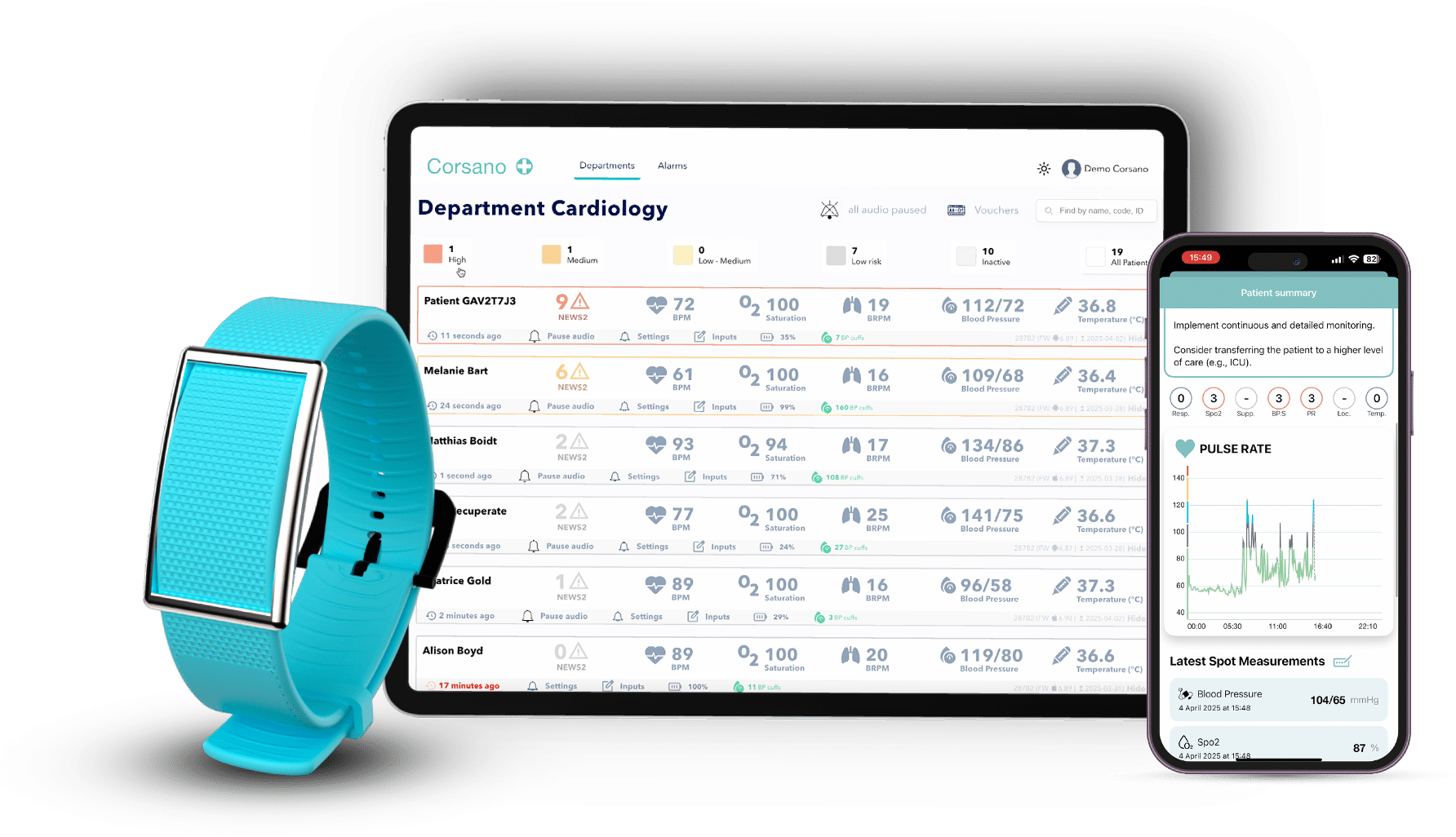
Corsano CardioWatch 287 Ecosystem: Wearable Sensor, Gateway App, and Web Dashboard
Quality Management & Regulatory Certificates
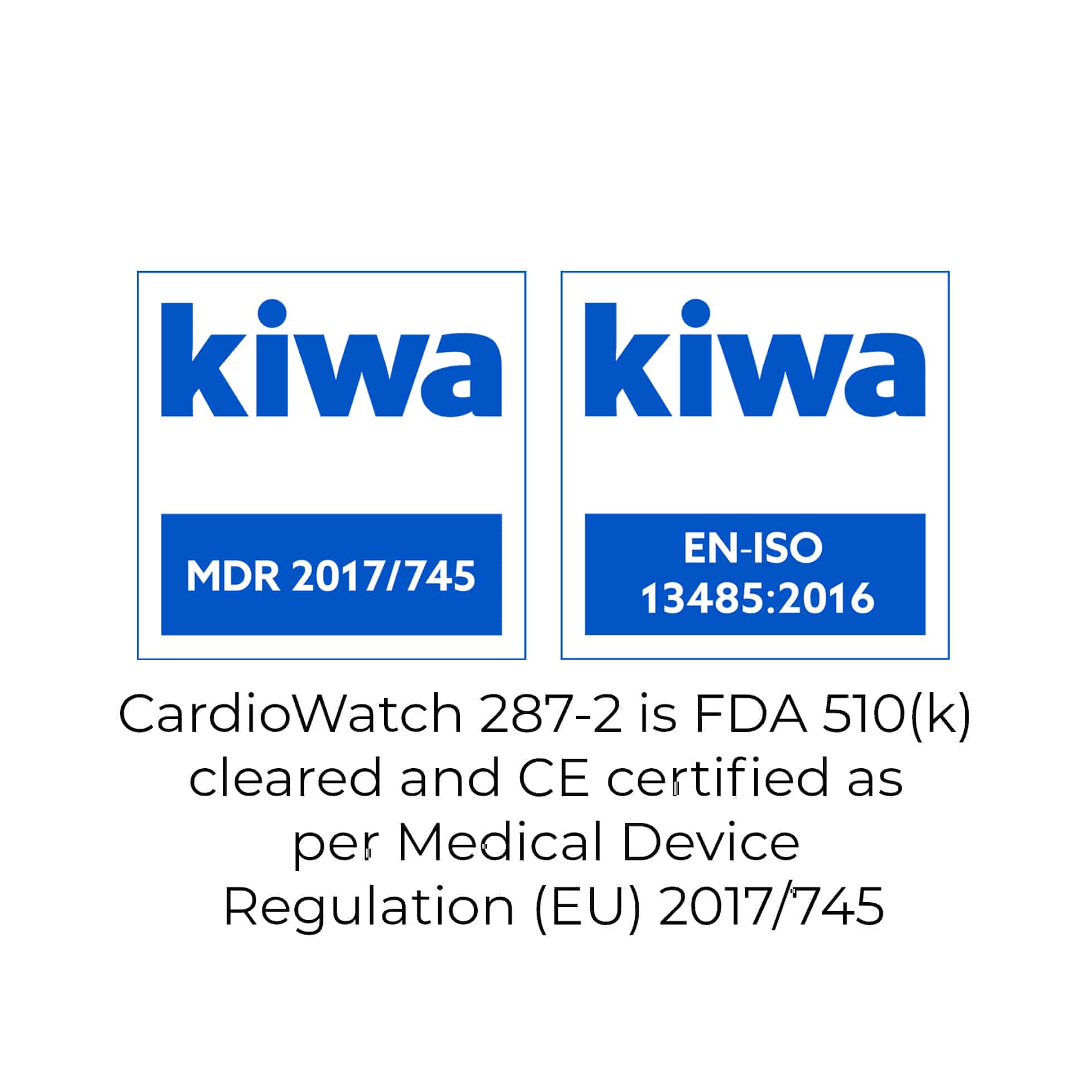
Every device produced under our OEM/ODM ecosystem complies with global medical device frameworks. Certified by notified body Kiwa, our manufacturing facility adheres to strict post-market surveillance, biocompatibility (ISO 10993), and electrical safety (IEC 60601-1) protocols.
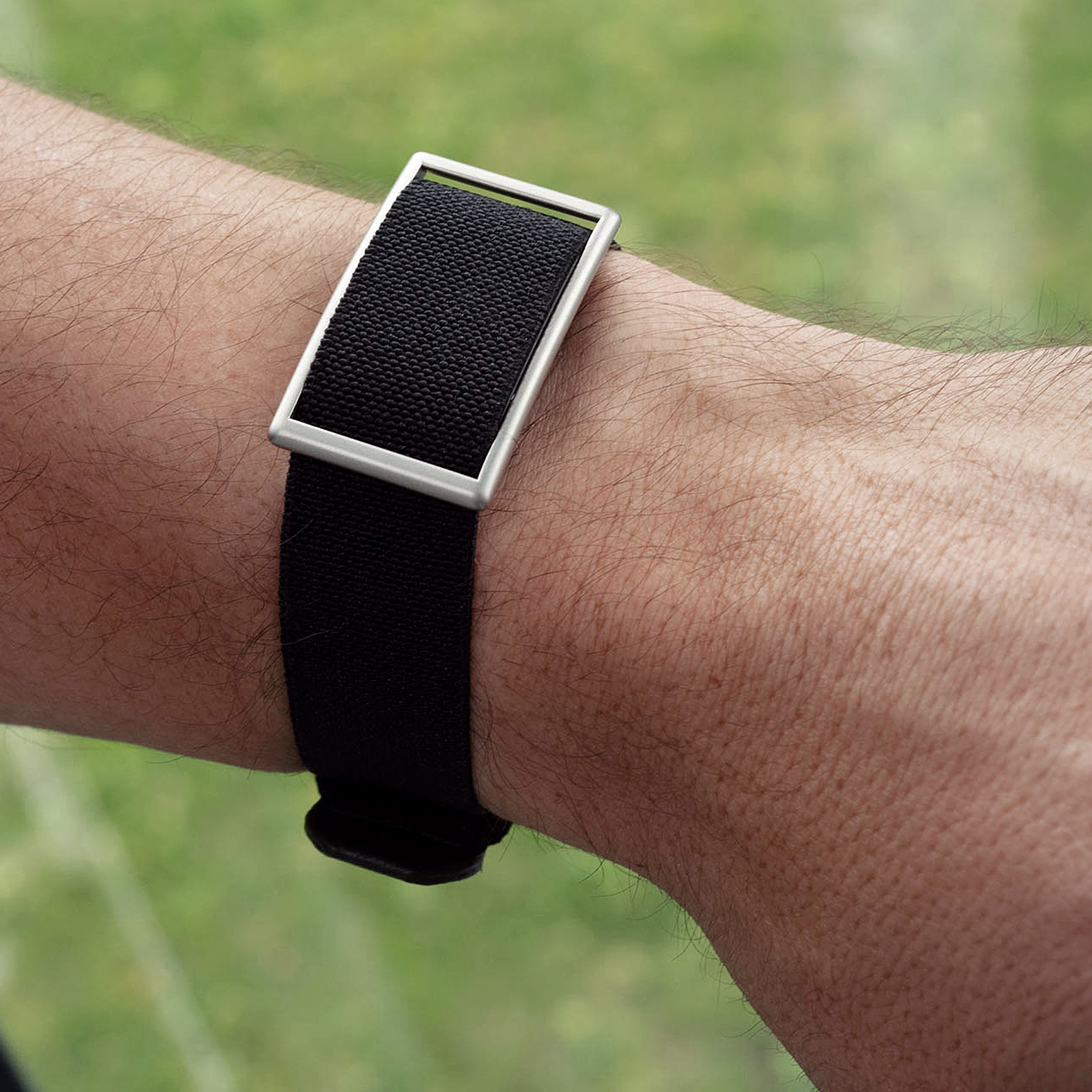
CardioWatch 287 Multi-Sensor Architecture
Engineered as the smallest and lightest medical-grade wrist sensor in its class. Houses a 3-axis accelerometer, multi-wavelength PPG array (Green/Red/Infrared), single-lead ECG electrodes, dermal temperature thermistors, and GSR sensors.
Frequently Asked Questions (FAQ)
Technical, regulatory, and logistics answers for hospital buyers, research institutions, and OEM procurement teams.
What makes medical-grade Bluetooth sensors different from commercial fitness trackers?
Medical-grade sensors are manufactured under ISO 13485 quality systems, audited by notified bodies (such as Kiwa or TÜV), and cleared under medical device regulations (CE-MDR, FDA 510(k)). Unlike commercial fitness wearables that utilize unvalidated heuristic estimates, certified medical biosensors deliver clinically validated vital parameters that are legally compliant for hospital documentation, EWS escalation, and formal clinical trial endpoints.
Can research teams access raw PPG and ECG data streams?
Yes. Our platform provides IP-free access to raw uncompressed signals—including 3-axis acceleration, multi-wavelength PPG (green, red, near-infrared), single-lead ECG wave strips, skin temperature, and GSR data sampled up to 128 Hz. Pharmaceutical researchers and AI teams can export raw datasets via REST APIs or SDKs to build proprietary digital biomarkers without vendor lock-in.
How does the Bluetooth sensor data integrate into existing hospital EMR systems?
Data integration is facilitated through documented REST APIs, mobile SDKs (iOS/Android), and HL7/FHIR converters. Vital parameter trends and automated early warning scores sync directly into central nursing station dashboards, Epic, Cerner, or third-party remote patient monitoring (RPM) software platforms.
What are the typical Minimum Order Quantities (MOQ) for OEM/ODM customization?
Standard off-the-shelf evaluation kits are available in batches starting at 10 to 50 units for clinical feasibility studies. Custom OEM branding (enclosure colors, logo printing, custom packaging) typically requires an MOQ of 1,000 units, while deep ODM projects (custom PCB layouts, specialized sensor front-ends) start at 5,000 units.
How is patient privacy and cybersecurity managed under GDPR and HIPAA regulations?
All Bluetooth telemetry transmissions utilize AES-128 payload encryption at the link layer. Cloud databases implement end-to-end data encryption in transit (TLS 1.3) and at rest (AES-256). The platform enforces role-based access control (RBAC) and pseudonymized patient indexing to guarantee total compliance with HIPAA and EU GDPR mandates.
Initiate Your OEM/ODM Bluetooth Sensor Project
Contact our medical engineering and technical sales director to request hardware evaluation samples, API software documentation, or volume procurement pricing.