
Flagship OEM/ODM Oximeter & ECG Bracelets
Explore our turnkey, medical-grade smart bands optimized for enterprise buyers, clinical trials, and remote patient monitoring (RPM) platforms.
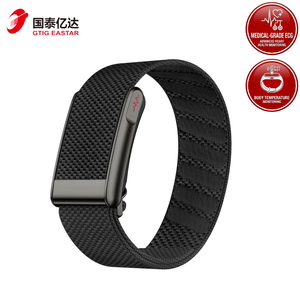
E500 ECG Screenless AI Health Smart Bracelet
Ultra-low power multi-sensor band delivering continuous SpO2, heart rate, and IP68 waterproof rating for 24/7 care monitoring.
- Real-time Continuous Pulse Oximetry
- AI ECG Diagnostic Analysis
- IP68 Enterprise Waterproof Rating
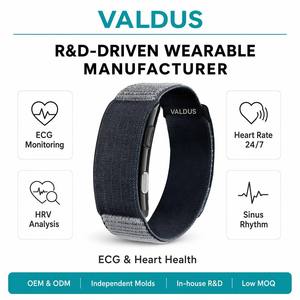
VALDUS VITRO ODM Screenless ECG Oximeter Band
Engineered for active telemetry and eldercare monitoring, featuring low-power optical SpO2 and high-frequency ECG sensors.
- High-Density PPG Optical Module
- Ergonomic Minimalist Housing
- Custom SDK & API Data Export
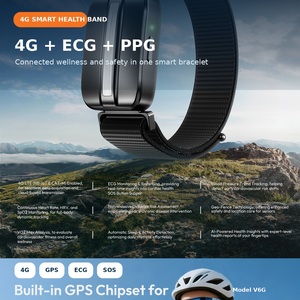
V6G 4G Standalone Health Bracelet with SOS & SpO2
Direct-to-cloud continuous vital signs monitor equipped with 4G cellular transmission, GPS tracking, and single-lead ECG rhythm strips.
- Direct 4G LTE-M / NB-IoT Cellular Sync
- Emergency SOS Key & GPS Location
- Continuous Blood Oxygen Alerting
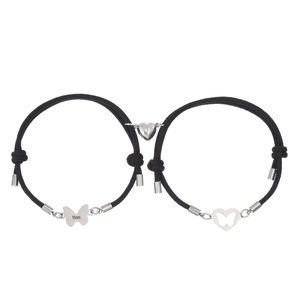
Minimalist Steel ECG & Oximetry Health Bracelet
Combines surgical-grade stainless steel aesthetics with clinical sensor precision for premium health brand licensing and OEM distribution.
- Premium Metallic Casing Options
- Magnetic Precision Fastening
- Discrete Micro-PPG Sensor Array
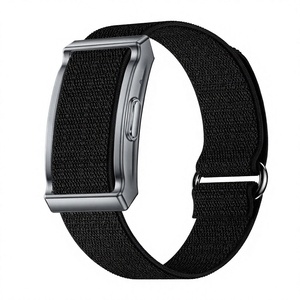
G70 Screenless ECG Temp & SpO2 Smart Bracelet
Integrated skin temperature, sleep-stage tracking, and pulse oximetry monitoring designed for continuous 14-day wear without recharging.
- Skin Temperature Monitoring
- 14-Day Continuous Operational Battery
- Multi-wavelength SpO2 Photodiode
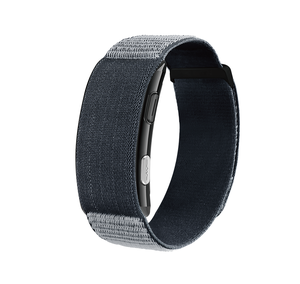
VITRO Smart 1ATM Waterproof Oximeter Bracelet
Robust, lightweight monitoring device supporting dual Android/iOS Bluetooth synchronization, heart rate variability, and SpO2 tracking.
- 1ATM Submersible Waterproofing
- Bluetooth Low Energy (BLE 5.2) Sync
- Automated Nighttime Hypoxia Alerts
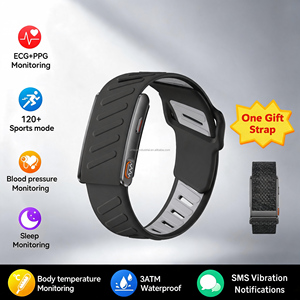
15-Day Ultra-Long Battery Screenless ECG/SpO2 Band
High-capacity 180mAh Li-po cell combined with dynamic energy-harvesting management for uncompromised clinical trial telemetry.
- 180mAh High-Density Battery Cell
- 3ATM Submersible Enclosure
- Motion Artifact Cancellation Algorithm
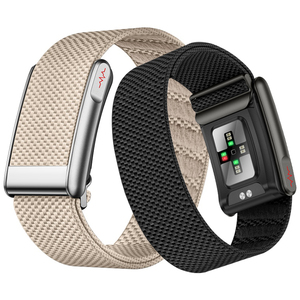
E500 NFC-Enabled Screenless ECG & Oximeter Band
Built-in NFC authentication module for seamless patient bed-side pairing, hospital EMR check-in, and multi-parameter vital signs logging.
- Encrypted Medical NFC Chipset
- Continuous Blood Oxygen & Temp
- Full Raw Signal Export Support
Why Partner with Us: Certified OEM/ODM Manufacturing Excellence
Bridging the gap between consumer wearables and regulated medical-grade equipment. Certified under ISO 13485 QMS with verifiable global regulatory compliance.
Unified Wearable Ecosystem: One Sensor, Endless API Customizations
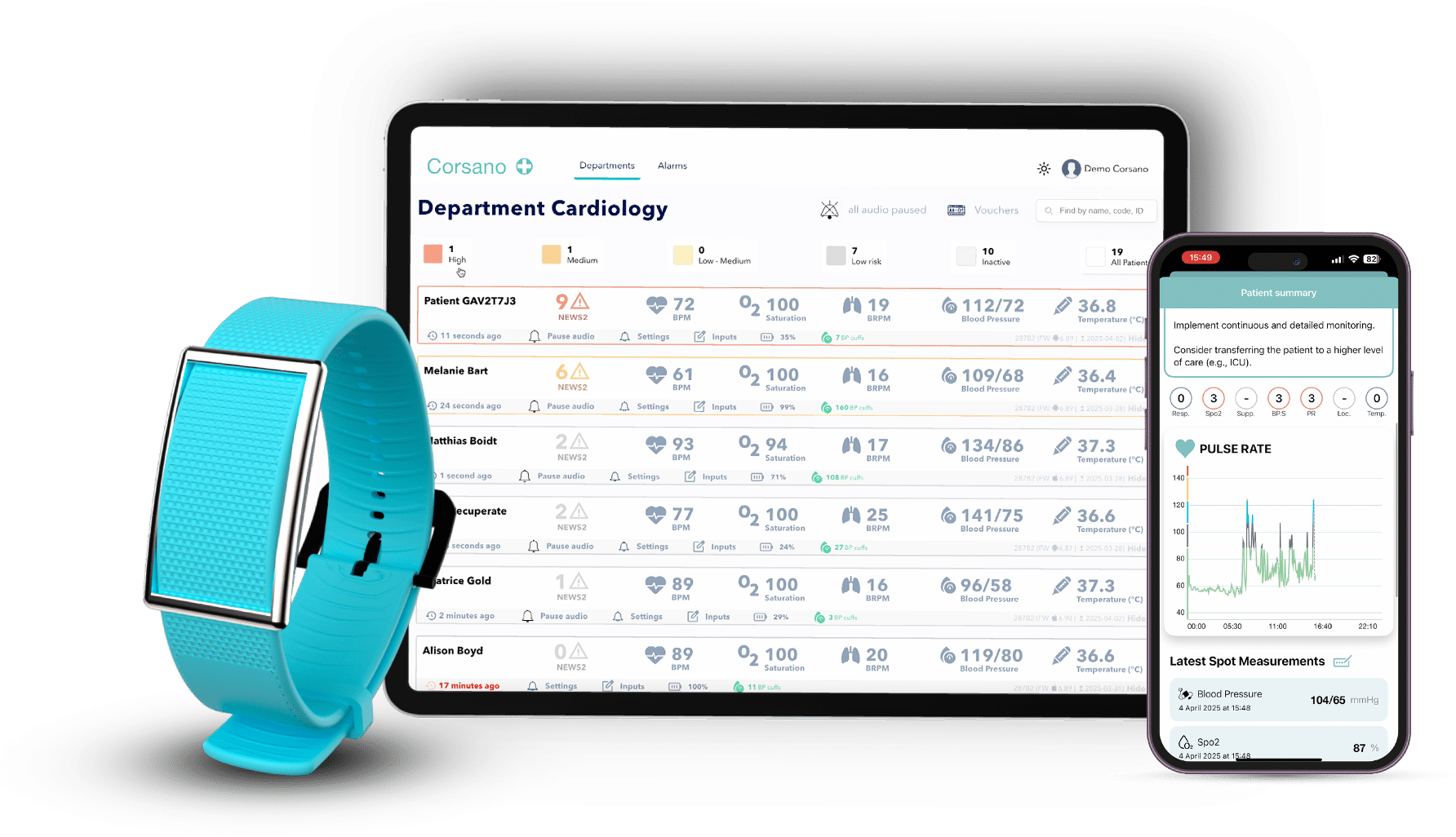
Unlike standard consumer fitness trackers that lock physiological metrics behind proprietary cloud silos, our OEM/ODM oximeter bracelets provide open data pipelines. We empower medical software developers, pharmaceutical CROs, and telehealth providers with documented REST APIs and mobile SDKs (iOS/Android) for direct Bluetooth integration into existing Electronic Medical Records (EMR).
"By removing algorithm lock-in, our B2B partners retain complete ownership over their proprietary digital biomarkers, enabling early warning score (EWS) modeling and custom AI diagnostic development."
Regulated Quality Standard
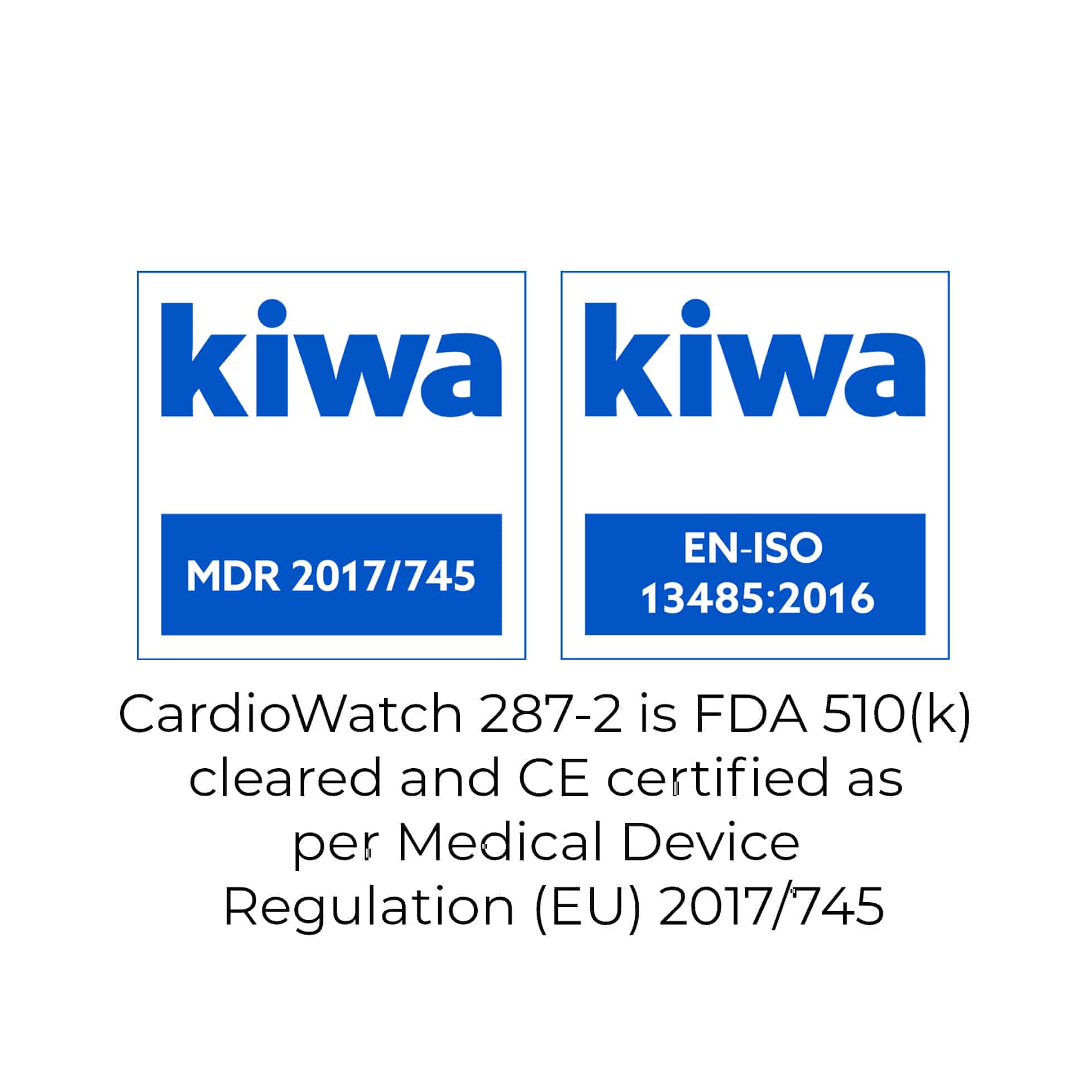
Manufactured under ISO 13485 QMS with audited compliance supporting EU CE-MDR Class IIa/IIb and US FDA 510(k) clearances. Designed for institutional trust.
Multi-Wavelength PPG
Employs Triple-Wavelength Photoplethysmography (530nm Green, 660nm Red, 940nm Infrared) to guarantee precise SpO2 calibration across all skin tones and microvascular conditions.
GDPR & HIPAA Compliance
End-to-end encrypted AES-256 data transport protocols safeguard patient telemetry during transfer from BLE gateway devices to enterprise cloud environments.
Collaborating with Global Healthcare Leaders & Clinical Consortia





Industry Development Trends in Pulse Oximetry Wearables
A Technical Whitepaper Report on the Convergence of Continuous SpO2 Sensing, AI Diagnostics, and Telehealth Hardware Architecture.
1. The Paradigm Shift: From Spot-Checking to Continuous Peripheral Saturation Telemetry
Historically, standard pulse oximetry relied on spot-check finger-clip transmissive photoplethysmography. While effective for immediate clinical triage, episodic spot-checks leave critical monitoring gaps between nursing rounds, frequently failing to detect nocturnal desaturation events, silent hypoxia, or gradual deterioration in patients with respiratory illness (such as COPD, pneumonia, or post-operative recovery).
The medical weartech industry is rapidly transitioning toward reflective wrist-worn pulse oximetry. Modern reflective PPG arrays measure light backscattered from cutaneous and subcutaneous vascular beds. When paired with high-efficiency photodiodes and adaptive LED current management, wrist-worn oximeter bracelets achieve continuous SpO2 measurement at sampling rates up to 128 Hz, establishing a real-time baseline of respiratory health without interrupting patient rest or daily mobility.
2. Multi-Wavelength Optical Sensing & Motion Artifact Cancellation (MAR)
The primary technical hurdle in wrist-based reflective pulse oximetry is motion-induced artifact distortion. Voluntary and involuntary arm movement shifts optical coupling between the photodiode and the epidermis, introducing substantial noise into the absorption signal ratio ($\mathrm{R} = \frac{\text{AC}_{660}/\text{DC}_{660}}{\text{AC}_{940}/\text{DC}_{940}}$).
Advanced Signal Cleaning Framework:
- 3-Axis Accelerometer Integration: Co-locating raw kinetic acceleration vectors to dynamically filter non-pulsatile physical movement.
- Multi-LED Emitter Arrays: Combining 530nm Green (for shallow microvascular pulse profiling) with dual Red (660nm) and Infrared (940nm) emitters for deeper arterial saturation extraction.
- Kalman Filtering & AI Algorithms: Edge-computed neural networks filter false alarms while preserving true pathophysiological desaturation warnings.
3. Screenless Ergonomic Form Factors vs. Smartwatch Paradigms
In institutional hospital wards, eldercare facilities, and clinical trial cohorts, traditional full-color smartwatch displays present clear operational liabilities: excessive power consumption requiring daily charging, patient distraction, accidental setting tampering, and fragile display glass prone to impact damage.
The market is decisively shifting toward Screenless Medical Smart Bracelets (such as our E500, G70, and VITRO ODM series). By eliminating touchscreen displays, screenless devices achieve three key manufacturing advantages:
- Extended Operational Endurance: Up to 14–15 days of uncompromised multi-sensor logging on a single 180mAh charge.
- Unmatched Durability & Water Ingress Protection: Fully sealed enclosures achieving seamless IP68 and 3ATM waterproof standards, withstanding hospital-grade chemical disinfections.
- Passive Compliance & Zero Friction: Patients simply wear the band; data syncs autonomously via BLE 5.2 or 4G LTE gateways without requiring active user intervention.
Future Procurement Trends in Wearable Health Technology
Strategic Sourcing Insights for B2B Importers, Hospital Procurement Officers, and Telehealth Platform Developers.
Trend 1: Demand for Integrated Multi-Biomarker Sensor Hubs
Procurement departments are moving away from single-function devices (e.g., standalone pulse oximeters or basic pedometers). Modern contract specifications mandate multi-sensor integration within a unified wrist-worn chassis. Importers prioritize OEM suppliers capable of bundling single-lead ECG, SpO2, continuous body surface temperature, PPG heart rate variability (HRV), and Galvanic Skin Response (GSR) into a single low-power MCU architecture.
Trend 2: Direct-to-Cloud (4G/5G Cellular) Independence
While Bluetooth-to-Smartphone connectivity remains widespread, senior care monitoring and decentralised clinical trials (DCTs) suffer from smartphone onboarding compliance failures. Future procurement contracts increasingly mandate integrated 4G LTE-M / NB-IoT cellular modules (like the V6G model), enabling real-time vital sign telemetry directly from the bracelet to cloud servers without requiring patient smartphone pairing.
Trend 3: Strict Regulatory Traceability & MDR 2017/745 Audits
Global customs authorities and health regulators are enforcing rigorous non-tariff quality barriers. In Europe, the transition from MDD to CE-MDR (Regulation EU 2017/745) requires comprehensive clinical evaluation reports (CER) and audited ISO 13485 supply chains. Global distributors are consolidating orders exclusively with certified OEM/ODM manufacturers capable of supplying complete technical files and notified-body audit proof.
Trend 4: SDK/API Licensing & White-Label App Customization
Enterprise buyers no longer seek standard consumer applications. OEM contracts now mandate native mobile SDKs (Swift / Java / Flutter) and open API hooks. Sourcing directors favor ODM partners capable of delivering customized firmware modifications, custom Bluetooth UUID configurations, white-label mobile app wrappers, and direct HL7/FHIR integration into hospital EMR systems.
Frequently Asked Questions (Procurement FAQ)
Essential guidance for B2B sourcing, contract manufacturing specifications, and regulatory compliance.
Accelerate Your Medical Wearable Development Today
Partner with an industry-leading OEM/ODM manufacturer. Request engineering specifications, evaluation kits, SDK documentation, and custom volume pricing.