
Featured OEM/ODM Medical Smart Wearables & Health Patches
Explore our white-label and customizable continuous monitoring hardware portfolio. Designed for hospital general wards, decentralized clinical trials, and remote patient monitoring (RPM).
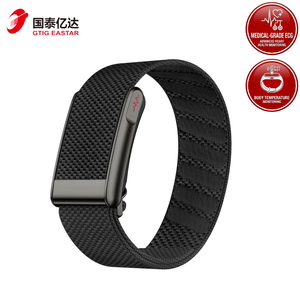
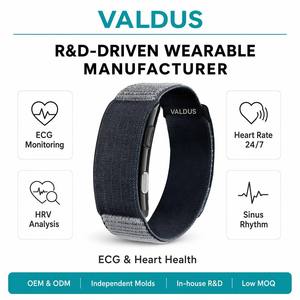
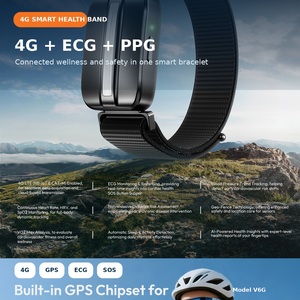
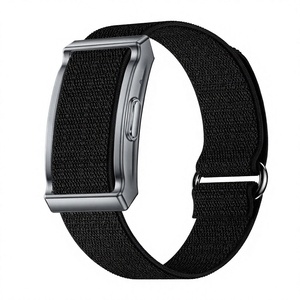
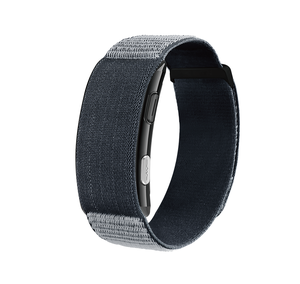
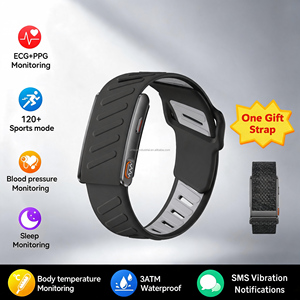
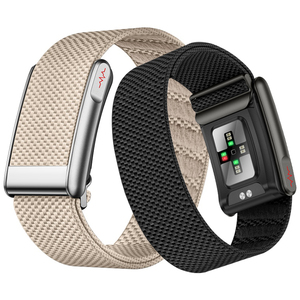
Medical-Grade OEM/ODM Engineering Infrastructure
Bridging the gap between consumer wearables and clinical diagnostic tools. Certified manufacturing built under ISO 13485 quality systems.
Certified Regulatory Compliance
Manufactured under stringent ISO 13485 standards. Our wearable reference designs are engineered to fulfill CE-MDR (Class IIa/IIb) requirements and FDA 510(k) cleared pathways, ensuring rapid market clearance for private labels.
IP-Free Raw Signal Pipeline
Unlike consumer smartwatches that lock biometric data behind proprietary algorithms, our OEM hardware delivers IP-free access to raw 128Hz PPG (Green, Red, Infrared), single-lead ECG, galvanic skin response (GSR), and accelerometry.
Seamless EMR & Cloud Integration
Includes documented RESTful APIs and native iOS/Android SDKs. Easily transmit automated Early Warning Scores (EWS) and real-time physiological metrics directly into Epic, Cerner, or proprietary remote monitoring platforms.
Need Custom Hardware Engineering or Contract Manufacturing?
From flexible printed circuit board (FPCB) layouts and medical-grade silicone encapsulation to customized firmware algorithms, our engineering team handles full-lifecycle ODM development within 12 to 16 weeks.
Request Technical Whitepaper & OEM Spec SheetStrategic Procurement Trends in Medical Health Patches & Wearables (2026–2030)
The global healthcare monitoring landscape is undergoing a paradigm shift. Traditional episodic spot-check monitoring—where nursing staff manually record vital signs once every 4 to 6 hours—is rapidly giving way to continuous, non-invasive continuous patient monitoring (CPM). As hospital networks face systemic nursing shortages and rising post-acute readmission penalties, the demand for medical OEM/ODM health patches and screenless smart bracelets has reached an unprecedented peak.
1. The Transition to Screenless, Single-Purpose Form Factors
Historically, commercial smartwatches dominated wearable pilot studies. However, procurement officers in clinical environments have identified critical flaws in screen-equipped consumer units: high battery consumption requiring daily charging, patient distraction, accidental setting adjustments, and privacy compliance risks. Next-generation ODM health patches eliminate interactive screens entirely. By prioritizing low-power microcontrollers and optimized firmware, screenless health bands extend continuous operating battery life from 24 hours up to 15+ days. This ensures uninterrupted data telemetry during multi-week general ward stays and post-discharge recovery programs.
2. Multi-Sensor Integration Beyond Basic Heart Rate
Modern clinical decision support systems demand comprehensive multi-parameter biosensing. Sourcing managers are moving away from single-metric optical sensors toward integrated multi-sensor modules. Modern medical-grade health patches now standardly incorporate:
- Multi-Wavelength Photoplethysmography (PPG): Utilizing triple-wavelength LEDs (525nm Green for superficial microvascular pulse rate, 660nm Red and 940nm Infrared for continuous SpO2 oxygen saturation).
- Single-Lead Electrocardiography (ECG): Capturing high-resolution cardiac depolarization waveforms to enable continuous detection of Atrial Fibrillation (AFib), premature ventricular contractions (PVCs), and ST-segment elevations.
- Continuous Skin Temperature Sensing: High-accuracy thermistors providing continuous core body temperature estimation for early sepsis and inflammation alerting.
- Galvanic Skin Response (GSR) & 3-Axis Accelerometry: Tracking autonomic nervous system stress, posture orientation, tremor frequency, and fall detection.
| Evaluation Parameter | Consumer Smartwatches | Medical-Grade OEM/ODM Health Patch |
|---|---|---|
| Primary Design Focus | Consumer notifications & fitness tracking | Continuous clinical vital sign monitoring & EWS |
| Regulatory Approval Status | General wellness / Class I baseline | CE-MDR Class IIa/IIb & FDA 510(k) Cleared Pathways |
| Raw Signal Access | Proprietary closed-loop estimates only | Unfiltered 128Hz Raw PPG, ECG, Accelerometer data export |
| Battery Longevity | 18 hours to 2 days (Requires frequent charging) | 7 to 15+ Days Continuous Uninterrupted Telemetry |
| System Integration | Walled garden (Apple Health / Google Fit) | Open RESTful APIs, Mobile SDKs, HL7/FHIR EMR compatibility |
3. Decentralized Clinical Trials (DCT) and Digital Biomarkers
Pharmaceutical sponsors and Contract Research Organizations (CROs) are increasingly incorporating wearable health patches into Phase II–IV clinical trials. To replace costly site visits with decentralized data collection, clinical trial teams require raw data streams. Proprietary metrics derived from black-box consumer algorithms cannot be validated for regulatory submissions to agencies such as the FDA or EMA. Providing raw, unmanipulated physiological wave data enables biostatisticians to construct customized, study-specific digital biomarkers for oncology, cardiovascular safety, and neurological disorder monitoring.
Biomedical Engineering & Manufacturing Development Trends
Designing a wearable health patch capable of reliable clinical performance requires overcoming severe real-world engineering constraints: motion artifact interference, skin impedance variability, hydrogel degradation, and battery energy density balance.
Motion Artifact Cancellation via Edge AI Computing
The primary barrier to optical PPG accuracy in ambulatory patients is physical movement. Advanced OEM health patches now deploy micro-edge artificial intelligence (TinyML) built directly into the MCU architecture. By pairing 3-axis accelerometer vector data with optical absorption signals, real-time adaptive filtering algorithms dynamically subtract motion noise from the PPG spectrum. This ensures clinical-grade heart rate and respiration rate tracking even during active patient rehabilitation and exercise therapy.
Bio-Compatible Adhesives and Ergonomic Packaging
Patient compliance is directly linked to wearability. Extended continuous wear requires biocompatible, breathable substrates certified under ISO 10993 standards for skin irritation, cytotoxicity, and sensitization. Leading ODM contract manufacturers utilize medical-grade liquid silicone rubber (LSR), thermoplastic polyurethane (TPU), and hypoallergenic acrylic adhesives that maintain strong skin adhesion during hydrotherapy or sweating while preventing epidermal tearing during patch removal.
The OEM/ODM Contract Manufacturing Process
Spec Definition & DFM
Analyzing target medical parameter requirements, battery life parameters, enclosure IP ratings, and PCB layout constraints.
Prototype & Tooling
Rapid 3D SLA prototyping, custom optical mold development, flexible circuit SMT assembly, and initial biosensor tuning.
Verification & Testing
Biocompatibility (ISO 10993), IEC 60601-1 electrical safety testing, dynamic motion simulator validation, and IPX7/IPX8 waterproofing.
Mass Production
ISO 13485 cleanroom automated SMT production, automated optical inspection (AOI), firmware burning, and clinical package assembly.
Frequently Asked Questions (FAQ) for OEM/ODM Buyers
Essential answers for medical device brand managers, clinical procurement directors, and hardware sourcing leads.
What vital signs can your OEM health patches and smart bracelets measure continuously?
Our OEM/ODM continuous monitoring platform derives up to 19 physiological parameters. Key continuous metrics include heart rate (HR), heart rate variability (HRV), continuous respiration rate (RR), pulse oximetry (SpO2), continuous skin temperature, single-lead ECG waveforms, activity intensity, body posture orientation, sleep architecture staging, and automated Early Warning Scores (EWS).
Are your manufacturing facilities and hardware certified for clinical use?
Yes. Our manufacturing infrastructure is fully certified under ISO 13485 medical device quality management systems. Our reference hardware architectures are built to comply with CE-MDR (EU Medical Device Regulation) and FDA 510(k) cleared pathways. We assist OEM clients with complete technical documentation, risk management files (ISO 14971), and clinical evaluation reports (CER) required for rapid regional registration.
Can research partners and software developers access raw, unfiltered sensor data?
Absolutely. We provide IP-free access to raw sensor signals, including 128Hz multi-wavelength PPG (Green, Red, IR), raw ECG voltage data, 3-axis accelerometer values, and skin conductance (GSR). Researchers, pharma sponsors, and AI startup teams can utilize our mobile SDKs and APIs to train proprietary algorithms without vendor lock-in.
What are the Minimum Order Quantities (MOQ) and lead times for OEM/ODM projects?
For standard white-label product customization (custom logo branding, customized firmware defaults, packaged SDK deployment), MOQ starts at 500 units with delivery within 2 to 4 weeks. For complete ODM custom hardware engineering (custom mold tooling, unique PCB form factor, specialized sensor selection), typical development cycles range from 12 to 16 weeks, with production MOQs starting at 3,000 units.
How does the platform ensure data privacy, GDPR, and HIPAA compliance?
Security is designed directly into our hardware-to-cloud telemetry stack. Data transmited over Bluetooth Low Energy (BLE 5.2) or 4G Cellular is encrypted using AES-128/256 standards. Our cloud microservices are hosted on HIPAA-compliant infrastructure featuring end-to-end encryption, role-based access controls (RBAC), and strict GDPR-compliant data processing protocols.
Partner with a Trusted Medical Wearable Manufacturer
Speak directly with our senior hardware engineers and regulatory specialists to evaluate sample kits, review API documentation, or discuss custom contract manufacturing solutions.