
Featured Medical-Grade OEM/ODM Cardiac Monitors
Turnkey hardware and white-label biosensing solutions tailored for clinical trials, remote patient monitoring (RPM), and institutional ward monitoring.
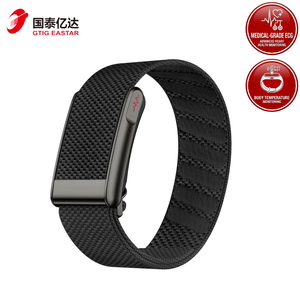
E500 ECG Screenless AI Health IP68 Smart Monitor
- Single-Lead Continuous ECG Strip
- IP68 Clinical Waterproof Enclosure
- Multi-wavelength PPG & SpO2 Sensor
- Integrated Blood Pressure Algorithm
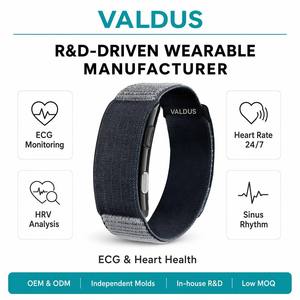
VALDUS VITRO Screenless ECG Health Bracelet
- Ergonomic 24/7 Wear Form Factor
- Raw PPG Waveform Acquisition
- Arrhythmia & Afib Screening
- Ultra-Low Power Microcontroller
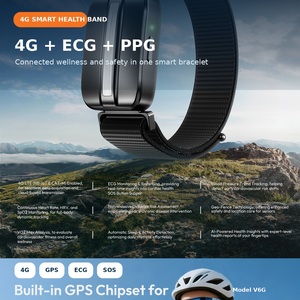
V6G 4G Cellular Health Bracelet with ECG & SOS
- Standalone 4G LTE-M / NB-IoT Gateway
- Real-Time GPS & Fall Detection
- Continuous PPG/ECG Monitoring
- Direct Cloud API Transmission
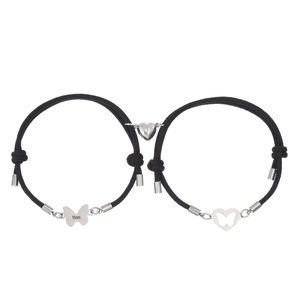
Minimalist Steel ECG Magnetic Bio-Wearable Set
- Surgical Grade Steel Casing
- Discreet ECG Contact Electrodes
- Long Battery Standby Efficiency
- Customizable OEM Exterior Packaging
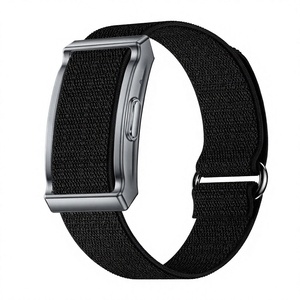
G70 Multi-Parameter Screenless ECG & Temp Band
- Continuous Skin Temperature Sensor
- Single-Lead Electrocardiogram
- Sleep Staging & HRV Analytics
- Lightweight Clinical Silicone Strap
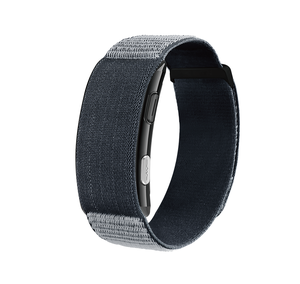
VITRO 1ATM Waterproof ECG & Vital Sign Tracker
- High-Resolution Display Interface
- Bluetooth Low Energy (BLE 5.2)
- Resting & Dynamic Heart Rate
- Custom App SDK Integration

ECG Screenless 15-Day Long-Life Clinical Bracelet
- 180mAh High-Density Li-Po Cell
- 3ATM Submersible Waterproofing
- 128Hz Raw Data Sampling Capability
- Automatic Cloud Synchronization
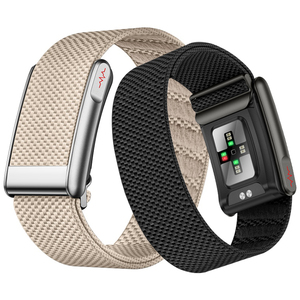
2026 E500 Screenless ECG & NFC Vital Sign Band
- Embedded NFC Patient ID Access
- Multi-wavelength PPG Green/Red/IR
- Continuous Respiration Rate Derivation
- Full White-Label Firmware Available
Medical-Grade OEM/ODM Contract Manufacturing Excellence
As a specialized OEM/ODM cardiac patch factory and continuous monitoring wearable supplier, our engineering infrastructure is founded upon rigorous regulatory compliance, precision bio-signal acquisition, and scalable white-label manufacturing. Unlike commercial fitness band manufacturers who attempt to retroactively retrofit consumer gadgets for clinical settings, our devices—including the CardioWatch 287 series and screenless continuous vital sign monitors—are architected under strict ISO 13485 Quality Management System standards from inception.
Our facility operates Class 100,000 cleanrooms dedicated to micro-electronic surface-mount technology (SMT), automated optical inspection (AOI), and multi-spectral optical sensor calibration. By integrating single-lead electrocardiogram (ECG) channels with multi-wavelength Photoplethysmography (PPG) arrays—combining green, red, and infrared light emitters—our bio-wearables capture crisp physiological waveforms capable of deriving up to 19 distinct vital parameters continuously.
ISO 13485 & CE-MDR Compliance
Audited manufacturing systems compliant with European Medical Device Regulation (EU 2017/745) Class IIa/IIb requirements and Kiwa notified body oversight.
FDA 510(k) Cleared Reference Platforms
Pre-validated predicate designs that drastically reduce regulatory submission time and cost for pharma sponsors and medical device brand owners.
Unrestricted Raw Data Access (128 Hz)
IP-free access to raw 3-axis accelerometer, PPG waveforms, single-lead ECG rhythm strips, skin temperature, and Galvanic Skin Response (GSR).
Clinical Efficacy Insight: Continuous physiological trend collection eliminates the dangerous blind spots inherent in traditional 4-to-6-hour nurse manual spot-checks. By monitoring patients uninterruptedly across general hospital wards and post-discharge home environments, care providers achieve early automated warning scores (EWS) to intercept clinical deterioration before acute decompensation occurs.
Global Future Procurement Trends in Cardiac Patch & Wearable Technology
The global market for cardiac patches and continuous vital sign wearables is undergoing a monumental paradigm shift. Procurement directors, pharmaceutical clinical trial managers, and hospital system buyers are transitioning away from heavy, expensive, bedside telemetry units toward ultra-lightweight, single-use or multi-day reusable screenless bio-patches. Based on empirical clinical trial data and hospital deployment feedback across more than 35 international healthcare systems, the following industry procurement trends define the market through 2026 and beyond:
1. Shift from Black-Box Algorithms to Raw Data Sovereignty
Historically, commercial wearable vendors locked enterprise customers into black-box derived metrics (e.g., proprietary sleep scores or estimated heart rate averages). Modern pharma CROs and academic research consortia now demand raw biosignal access at high sampling frequencies (up to 128 Hz). Access to uncompressed PPG, ECG, and accelerometry signals enables research organizations to train custom machine learning algorithms for specialized digital biomarkers—such as detecting subtle autonomic nervous system dysregulation, drug-induced QT prolongation, or early sepsis onset.
2. Hospital-at-Home (HaH) and Continuous Ward Continuity
Healthcare systems are rapidly collapsing the boundary between inpatient general ward monitoring and remote patient monitoring (RPM). Procurement specifications increasingly mandate a "single wearable pathway"—a unified cardiac patch or smart bracelet that stays on the patient's wrist from emergency admission through step-down units, continuing seamlessly during 30-day post-discharge care at home. This eliminates re-onboarding friction, minimizes patient training overhead, and provides an unbroken continuous physiological dataset.
3. Standalone Cellular (4G/NB-IoT) Integration
While Bluetooth Low Energy (BLE) pairing with smartphone gateways remains common for ambulatory patients, senior care environments and low-compliance patient cohorts require frictionless data transmission. Future-proof procurement tenders are prioritizing cardiac wearables and bands equipped with embedded 4G LTE-M / NB-IoT micro-transceivers. Standalone cellular devices stream encrypted vital signs directly to medical cloud platforms without requiring manual phone pairing or residential Wi-Fi configuration.
4. Energy Harvesting & Ultra-Low-Power Chipsets
Battery longevity directly impacts patient compliance. Emerging OEM designs—such as those validated under international consortia projects like Eurostars LifeTime—integrate micro-energy harvesting photovoltaics and ultra-low-power micro-ASICs. Continuous multi-parameter monitoring for 14 to 30 consecutive days without requiring removal for charging is quickly becoming the baseline benchmark for institutional procurement.
Industry Development Trends: Multi-Sensor Fusion & AI Biomarkers
The evolution of cardiac bio-wearables has moved far beyond simple pulse counting. Today's OEM/ODM cardiac patch designs represent sophisticated multi-sensor micro-laboratories worn directly on the skin. By combining multiple sensory modalities, advanced biomedical algorithms calculate complex surrogate markers of cardiovascular and systemic health in real time.
ECG + PPG Waveform Fusion
Simultaneous single-lead electrocardiogram and optical pulse wave logging allows continuous derivation of Pulse Transit Time (PTT), enabling non-invasive cuffless blood pressure trend tracking.
Automated Early Warning Scores (EWS)
Continuous inputs of respiration rate, heart rate variability (HRV), skin temperature, and SpO2 feed real-time National Early Warning Score (NEWS2) calculations to predict impending cardiac arrest or respiratory failure hours before onset.
Arrhythmia & Atrial Fibrillation Detection
On-device micro-AI neural networks process lead-I ECG vectors to detect silent Atrial Fibrillation (Afib), Premature Ventricular Contractions (PVCs), and irregular heart rhythms with hospital-grade sensitivity.
Clinical Validation & Consortium Breakthroughs
Our OEM technology framework has been integrated into extensive European clinical research projects, such as the DETECT Consortium (collaborating with Radboud UMC, Erasmus MC, and Amsterdam UMC). In these initiatives, continuous wearable sensing is applied to trigger emergency cardiac arrest alerting and automated resuscitation assistance. Furthermore, clinical trials published in peer-reviewed medical journals confirm that screenless, lightweight form factors dramatically increase patient compliance to over 95% compared to bulky Holter monitors.
Frequently Asked Questions (OEM/ODM Procurement Guide)
Technical, regulatory, and commercial answers for medical device brand owners, hospital procurement officers, and clinical trial sponsors.
Accelerate Your Medical Wearable Development
Partner with a certified OEM/ODM manufacturer backed by 400+ billion validated data points, ISO 13485 quality systems, and proven clinical hospital deployments worldwide.
Get a Quote