
Engineering Precision Vital Sign Monitoring Solutions
As a premier global exporter and custom Original Equipment Manufacturer (OEM), our certified factory infrastructure delivers end-to-end hardware and firmware engineering for modern healthcare systems. From non-invasive Photoplethysmography (PPG) algorithms to single-lead ECG wave telemetry and continuous Capnography (EtCO2), we supply hospital-grade pulse rate and vital sign monitors tailored for clinical wards, home healthcare, and clinical trials.
Featured B2B OEM Pulse & Vital Sign Monitors
Select from our regulatory-ready medical device baselines for custom OEM/ODM brand manufacturing.
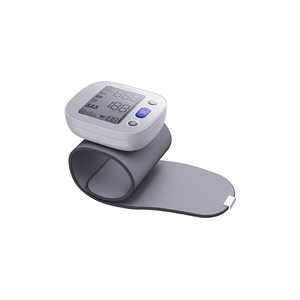
BWZ52-03 Digital Wrist Blood Pressure & Pulse Monitor with LCD Display
Contact Us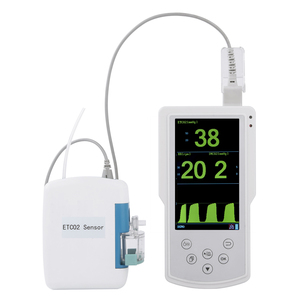
5-Inch Handheld Pulse Oximeter with EtCO2 Capnography & SpO2 Battery Sensor
Contact Us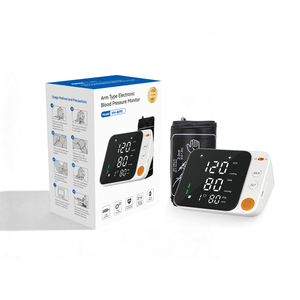
Automatic Upper Arm Cuff Pulse Rate Meter & Home BP Diagnostic Device
Contact Us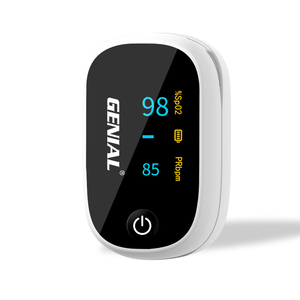
Wholesale Medical Fingertip Pulse Oximeter SpO2 Oxygen Saturation Sensor
Contact Us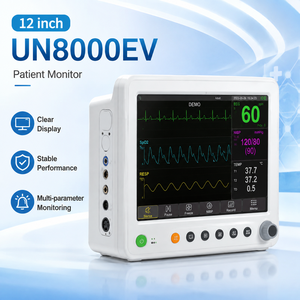
8-Inch Multi-Parameter Patient Monitor (ECG, NIBP, SpO2, RESP, TEMP)
Contact Us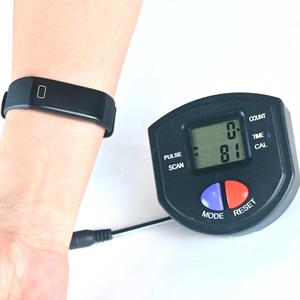
ZT Wireless Heart Rate Chest Strap Monitor with Dual BLE 5.0 & ANT+ Telemetry
Contact Us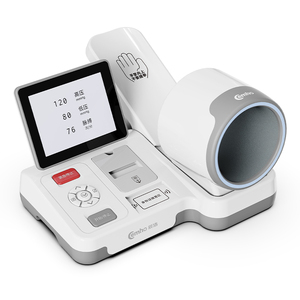
CEMHO Hospital Clinical Automatic Arm Blood Pressure & Pulse Sensor System
Contact Us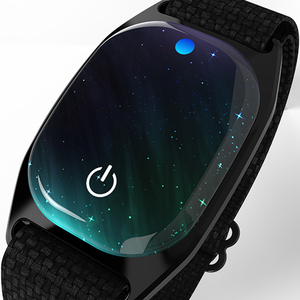
IP67 Waterproof Continuous Sports Armband Pulse & Heart Rate Monitor
Contact UsWhy Global MedTech Brands Partner with Our OEM Plant
Sourcing medical devices requires navigating rigorous global regulatory frameworks, stringent quality control protocols, and complex sensor hardware integration. As a specialized pulse monitor factory and exporter, we offer complete ODM/OEM turnkey customization—spanning industrial design, ISO 13485 cleanroom assembly, micro-circuit SMT, custom firmware development, and API integration.
Unlike standard consumer electronics suppliers, our manufacturing lines operate under audited medical quality management systems. Every pulse monitoring unit undergo strict physical, environmental, and algorithmic calibration to prevent signal degradation caused by motion artifacts or low peripheral perfusion.
Request Factory Audit Specs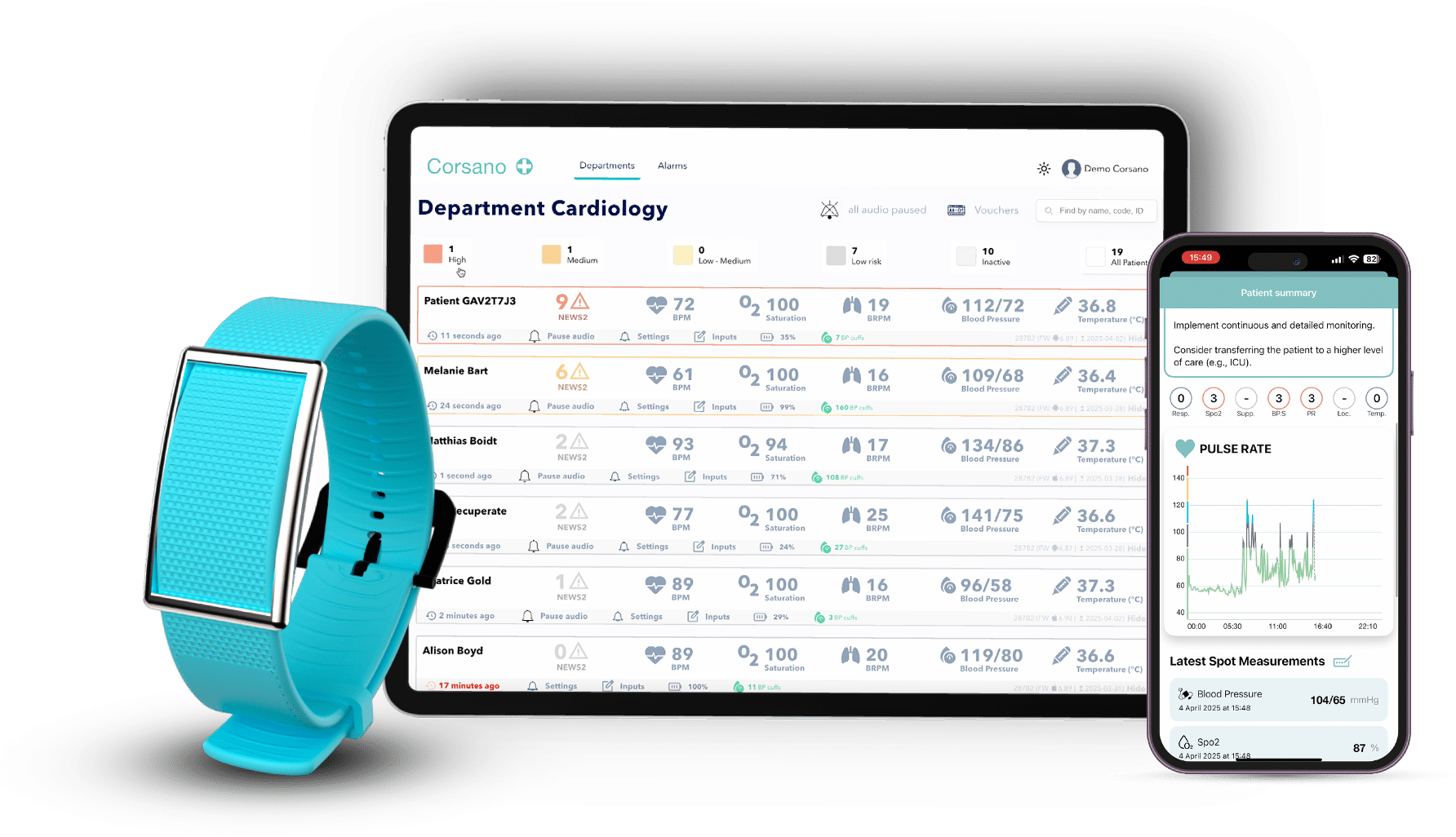
Integrated hardware-to-cloud architecture for continuous hospital ward & remote monitoring.
Regulatory Engineering
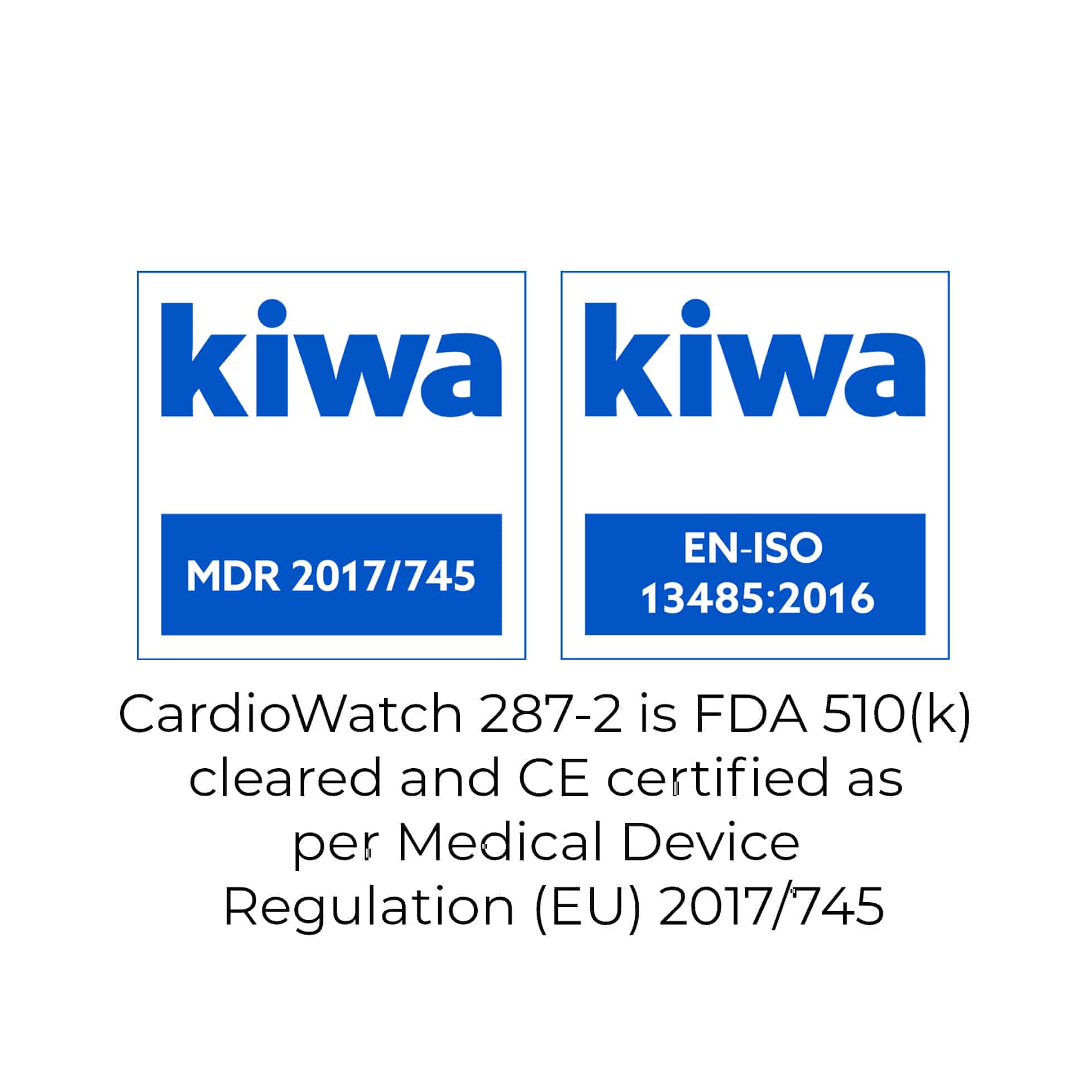
Baseline products engineered to meet EU CE-MDR (Regulation 2017/745) and US FDA 510(k) standards, supported by Kiwa notified body clinical testing and ISO 13485 certifications.
Open API & SDK Architecture
Complete firmware IP control providing direct access to raw PPG (Green, Red, IR) and single-lead ECG waveforms at up to 128 Hz for AI digital biomarker development.
Global Supply Chain Scale
Seamless export logistical pipelines spanning North America, Europe, Africa, and Asia-Pacific. Optimized volume manufacturing ensures stable lead times and competitive pricing.
CE-MDR & ISO 13485 Manufacturing Rigor
In the medical export domain, compliance is non-negotiable. Our manufacturing facility holds full ISO 13485 certified quality management systems. Our baseline medical devices have achieved strict Notified Body clearance under Kiwa (CE 1984), confirming compliance with EU Medical Device Regulation (MDR).
- ISO 10993 Biocompatibility testing for skin-contact housing material
- ISO 14971 Risk Management integrated into firmware micro-code
- IEC 60601-1-2 Electromagnetic Compatibility (EMC) testing for hospital environments
- GDPR and HIPAA compliant data transmission encryption protocols
OEM Sensor Technology Architecture Matrix
Compare our baseline ODM parameter options available for custom hardware modification and private labeling.
| Monitoring Modality | Sensor Component & Waveband | Clinical Accuracy / Sampling | Primary B2B Target Application |
|---|---|---|---|
| Optical PPG Pulse Oximetry | Triple Wavelength (Green 525nm, Red 660nm, IR 940nm) | SpO2: ±2% (70%-100%), Pulse: ±1 bpm | Hospital Wards, Wearable RPM, Fingertip Monitors |
| Single-Lead ECG Waveform | Dry Electrodes / Galvanic Skin Contact | 128 Hz Raw Waveform Export, HR & HRV | Arrhythmia Detection, Clinical Trial Biomarkers |
| Oscillometric NIBP | Piezoelectric Pressure Transducer & Cuff Motor | Systolic/Diastolic ±3 mmHg (IEC 80601-2-30) | Automatic Arm/Wrist BP Machines, Clinic Kiosks |
| Side-Stream Capnography | Infrared NDIR Gas Absorption Sensor | EtCO2: ±2 mmHg (0-40 mmHg range) | Handheld Resuscitation Monitors, Emergency Care |
| Continuous Skin Temperature | High-Precision Micro-NTC Sensor Array | ±0.1°C Accuracy (35.0°C to 42.0°C) | Infectious Disease Tracking, Early Sepsis Detection |
Pulse Monitor Procurement Trends (2025–2030)
Key technological shifts driving B2B healthcare sourcing decisions over the next decade.
1. Paradigm Shift: Spot-Checks to Continuous Telemetry
Traditional hospital wards rely on episodic, manual vital sign checks taken every 4 to 6 hours. However, patient condition deterioration frequently occurs during interval gaps. Modern procurement managers are prioritizing multi-parameter wearables and continuous pulse monitors that connect directly into Central Monitoring Systems (CMS) and Electronic Medical Records (EMR).
2. AI Edge Computing & Early Warning Scores (EWS)
Next-generation OEM pulse monitors are embedding low-power microcontrollers equipped with machine learning algorithms. By continuously synthesizing Pulse Rate, Heart Rate Variability (HRV), Respiration Rate, and SpO2, these edge devices calculate automated Early Warning Scores (such as NEWS2) to alert clinical staff before overt cardiac arrest or respiratory failure occurs.
3. Multi-Sensor Miniaturization & Ultra-Low Power
Advancements in micro-optics and ASIC design allow factories to consolidate photoplethysmography, galvanic skin response (GSR), skin temperature, and 3-axis accelerometry into sleek, lightweight wristbands and armbands. Energy harvesting technology and ultra-low-power BLE 5.4 wireless chipsets are extending battery autonomy from hours to multiple weeks.
4. Raw PPG Data Access for Pharmaceutical Trials
Contract Research Organizations (CROs) and pharmaceutical sponsors are turning away from "black-box" consumer wearables. OEM contracts now mandate uncompressed, raw physiological signal export to build custom digital biomarkers for oncology, cardiovascular, and neurological drug trials.
OEM Procurement & Customization FAQ
Answers to crucial technical, regulatory, and supply chain questions from B2B buyers.
What customization options are available under OEM/ODM contracts?
Our OEM services include industrial design modifications, custom enclosure tooling, silkscreen branding, packaging, customized firmware UI/UX, BLE UUID customization, SDK integration for iOS/Android, and tailored cloud API endpoints for your proprietary hospital portal.
What is the typical Minimum Order Quantity (MOQ) for custom pulse monitor manufacturing?
For standard private labeling on existing baseline devices (such as custom logo printing and packaging), our MOQ starts at 500 units. For comprehensive ODM projects involving custom PCB redesign, plastic injection tooling, or specialized medical sensor integration, typical MOQs range from 2,000 to 5,000 units.
How do you ensure pulse rate accuracy during patient movement?
Movement artifacts are a primary challenge in photoplethysmography. Our monitors integrate 3-axis accelerometer data with adaptive noise-canceling digital filtering algorithms (such as Kalman filtering). This cancels out motion interference from walking or arm tremors, ensuring clinical pulse rate and SpO2 accuracy.
Are raw PPG and ECG data streams accessible for clinical research?
Yes. Through our enterprise research portal and developer SDKs, research partners can stream uncompressed, raw PPG signals (Green, Red, IR) and single-lead ECG wave data sampled at up to 128 Hz. There is no vendor algorithm lock-in, enabling custom AI/ML model training.
What regulatory support do you offer for regional medical device registration?
We provide full technical documentation dossiers (CE Technical Files, 510(k) predicate comparison tables, ISO 10993 biocompatibility reports, IEC 60601 test summaries, and software validation documentation) to accelerate your local regulatory submissions with FDA, NMPA, Health Canada, or TGA.
How are patient security and data privacy maintained in wireless monitors?
All Bluetooth Low Energy (BLE) communication uses AES-128 bit payload encryption. Cloud platform APIs utilize TLS 1.3 protocol encryption. The architecture complies with GDPR and HIPAA requirements, storing no Personally Identifiable Information (PII) on the wearable device itself.
Partner with a Leading Pulse Monitor OEM Manufacturer
Whether you are expanding your medical device brand, designing a remote patient monitoring (RPM) program, or procuring continuous vital sign telemetry for hospital wards, our engineering team is ready to deliver.
Contact Us