
OEM & ODM Ambulatory ECG Solutions for Global Sourcing
Explore our certified ambulatory ECG/EKG hardware platforms available for white-label customization, private labeling, firmware integration, and international healthcare distribution.
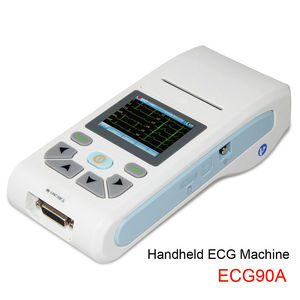
CONTEC ECG90A Handheld Portable ECG/EKG Monitor
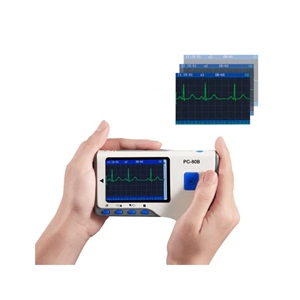
Ambulatory EKG Electrocardiograph Holter Monitor Recorder
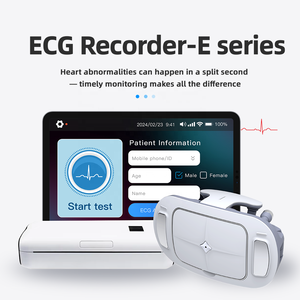
Portable 12-Lead Medical-Grade AI Smart ECG Device
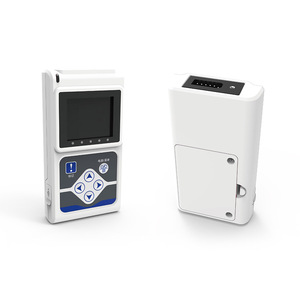
CONTEC TLC5000 Telemedicine 24-Hour Cardiac Holter System
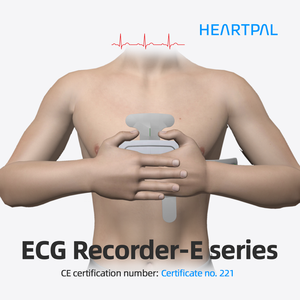
AI-Smart 12-Channel EKG System with Automatic Interpretation
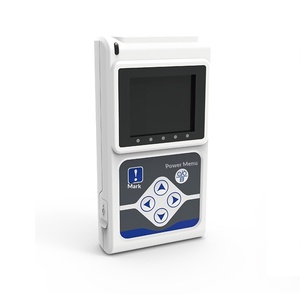
Kangtai TLC9803 Lightweight 24-Hour Ambulatory ECG Recorder
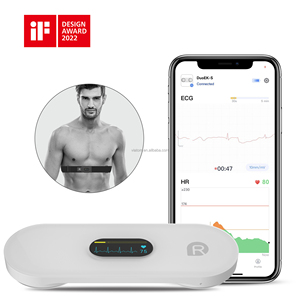
Wellue Telemedicine Real-Time Tracking ECG Diagnostic Device
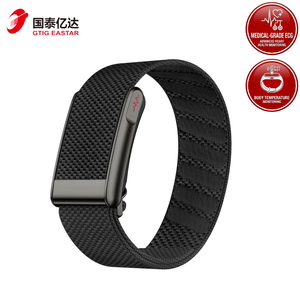
E500 IP68 Wearable Medical ECG Smart Bracelet
Proven Manufacturing Infrastructure & Clinical Track Record
Our contract manufacturing and OEM/ODM engineering teams leverage established ISO 13485 production lines, providing full-stack hardware customization, regulatory certification files, and raw physiological signal pipeline integration.
Full-Spectrum Medical Device OEM / ODM Architecture
Navigating the complex landscape of continuous cardiac monitoring requires hardware that balances patient compliance with pristine clinical accuracy. As a dedicated Custom OEM Ambulatory ECG Manufacturer, we provide medical-grade solutions ranging from single-lead continuous patch monitors to full 12-channel diagnostic Holter systems.
Whether you require custom enclosure tooling, proprietary AI algorithm embedding, or direct EMR software API integration, our OEM engineering services bridge the gap between initial prototyping and scalable commercial manufacturing.
Core OEM Engineering Capabilities:
- Biopotential Analog Front-End (AFE): High CMRR (>100 dB) circuits with active noise suppression and lead-off detection.
- Multi-Sensor Telemetry: Concurrent acquisition of single-lead/12-lead ECG, red/infrared PPG, skin temperature, and 3-axis accelerometer data.
- Embedded AI & DSP Algorithms: On-device QRS complex detection, atrial fibrillation (AFib) screening, and ectopic beat classification.
- Open Data Interoperability: IP-free raw data streaming protocols via Bluetooth 5.3 BLE, Narrowband IoT (NB-IoT), and Wi-Fi gateways.
The Future Sourcing & Strategic Procurement Trends in Ambulatory Cardiac Care
An in-depth evaluation of global regulatory evolution, decentralised clinical research demands, and hardware-software convergence shaping medical-grade ECG contract manufacturing through 2030.
1. Continuous Patch vs. Episodic Holter Paradigms
Traditional 24-hour Holter monitoring is increasingly giving way to 7-to-14 day continuous ambulatory ECG monitoring. OEM procurement strategies are prioritizing ultra-lightweight, waterproof (IP68) patch form factors that drastically improve patient compliance during daily activities.
- Shift from bulky multi-cable setups to integrated wrist/patch wearables.
- Extended battery optimization enabling up to 14 days of uncompressed data logging.
- Reduced skin irritation via medical-grade bio-compatible hydrocolloid adhesives.
2. On-Device AI & Real-Time Arrhythmia Detection
Modern hospital ward networks and home-monitoring programs demand instant risk triage. Next-generation OEM ambulatory ECG devices incorporate low-power edge computing to execute deep learning models directly on the microcontroller unit (MCU).
- Immediate tagging of ventricular tachycardia, sinus pauses, and AFib episodes.
- Substantial reduction in cloud bandwidth usage by transmitting filtered alert segments.
- Automated Early Warning Scores (EWS) integrated into bedside monitors.
3. Open API Architecture & EMR Ecosystem Native Sync
Enterprise medical buyers and healthcare systems no longer accept proprietary data silos. Global tenders now mandate open data access frameworks where raw PPG and ECG data can be streamed directly into Electronic Medical Records (EMR).
- SDK and RESTful API enablement for custom iOS/Android companion applications.
- Native compatibility with Epic, Cerner, and hospital cloud platforms via HL7 FHIR protocols.
- IP-free raw waveform exports (128 Hz sampling rates) for institutional clinical research.
Technological Innovations Redefining Custom OEM ECG Manufacturing
A granular look at the electronic, algorithmic, and material science developments driving high-fidelity ambulatory electrocardiography.
Advanced Biopotential AFE Engineering
The core of any high-performance ambulatory electrocardiograph lies in its Analog Front-End circuit. OEM buyers require precision components engineered to isolate microvolt-level cardiac signals amidst severe motion artifacts and electromagnetic interference.
Our OEM manufacturing frameworks utilize high-resolution 24-bit Analog-to-Digital Converters (ADCs), delivering exceptional Signal-to-Noise Ratios (SNR). Integrated active right-leg drive (RLD) circuitry offsets common-mode noise, ensuring clinical clarity even during vigorous patient movement in home settings.
Multi-Modal Sensor Integration (PPG + ECG)
Combining Photoplethysmography (PPG) with single-lead or multi-lead ECG in a single wearable device represents a major leap in digital biomarker acquisition. While PPG offers continuous optical heart rate and arterial pulse wave tracking, ECG provides gold-standard electrophysiological verification.
By co-locating multi-wavelength optical sensors (Green, Red, Infrared) alongside dry or hydrogel biopotential electrodes, custom OEM platforms empower clinicians to cross-validate continuous pulse transit time (PTT), non-invasive cuffless blood pressure estimates, and continuous respiratory rates.
Regulatory Compliance by Design (MDR & 510k)
The transitioning regulatory landscape—specifically the stringent EU Medical Device Regulation (CE-MDR 2017/745) and refined US FDA 510(k) cybersecurity requirements—demands robust quality management frameworks from medical contract manufacturers.
Every OEM device manufactured within our ISO 13485 certified facilities undergoes strict verification protocols: IEC 60601-1 electrical safety testing, IEC 60601-1-11 home healthcare compliance, ISO 10993 biocompatibility evaluations, and complete software life-cycle documentation (IEC 62304).
Frequently Asked Questions for OEM Ambulatory ECG Procurement
Addressing essential technical, commercial, and regulatory questions raised by medical device brands, hospital distributors, and clinical trial sponsors.
What customization options are available under your OEM / ODM manufacturing services?
Our OEM/ODM services provide complete end-to-end customization across hardware, firmware, and packaging. We offer private label enclosure design, custom colorways, bio-compatible logo silkscreening, bespoke cable assemblies, customized firmware splash screens, modified BLE/Wi-Fi advertising protocols, and customized SDK packages for seamless mobile app integration. Additionally, board-level modifications can be executed to accommodate specialized biopotential sensors or custom form factor constraints.
Are your ambulatory ECG devices fully certified under CE-MDR and FDA 510(k)?
Yes. Our core ambulatory ECG and continuous telemetry hardware platforms hold regulatory approvals including EU CE-MDR certification issued by recognized Notified Bodies (such as Kiwa) and US FDA 510(k) clearances. All manufacturing operations adhere strictly to ISO 13485 Quality Management Systems. OEM clients leveraging our turnkey hardware can utilize our regulatory technical files (STED) to streamline their localized market registrations globally.
Can research institutions and CROs access raw, uncompressed PPG and ECG waveform data?
Absolutely. Unlike commercial consumer smartwatches that output only derived metrics, our medical-grade ambulatory ECG recorders provide IP-free access to raw, uncompressed biopotential signals. Raw data can be exported at sampling rates up to 128 Hz (or higher upon specification) across single-lead/12-lead ECG, multi-channel optical PPG (green, red, infrared), 3-axis accelerometer, skin temperature, and galvanic skin response (GSR). Data can be streamed live via Bluetooth/SDK or exported in CSV/EDF formats for custom AI digital biomarker research.
How do your ECG monitors integrate with existing hospital EMR systems and remote monitoring platforms?
Integration is facilitated through our comprehensive RESTful APIs, Cloud Webhooks, and Mobile Software Development Kits (SDKs for iOS and Android). Our cloud architecture natively supports HL7 and FHIR data standards, enabling automated, secure transmission of physiological parameters, wave data, and automated Early Warning Scores (EWS) directly into EHR databases such as Epic, Cerner, and third-party Remote Patient Monitoring (RPM) dashboards.
What is the Minimum Order Quantity (MOQ) and standard lead time for OEM contract manufacturing?
Standard minimum order quantities (MOQs) for white-label logo branding start as low as 100 to 500 units depending on the model complexity. For deep ODM projects involving custom tooling molds, specialized PCB layouts, and full regulatory file submissions, MOQs are negotiated on a project basis. Lead times for standard inventory customization are typically 3 to 4 weeks, while full custom hardware manufacturing schedules range from 8 to 14 weeks depending on component sourcing schedules.
How is patient data privacy managed during continuous remote monitoring?
Data privacy and cybersecurity are embedded directly into our hardware and cloud infrastructure by design. Device-to-gateway telemetry utilizes AES-128/256 bit encryption over Bluetooth Low Energy. Our cloud server options comply fully with European Union GDPR requirements and US HIPAA regulations. Client organizations maintain full data ownership and administrative permissions over encrypted user credentials, patient identifiers, and physiological data retention schedules.
Partner with a Leading Custom OEM Ambulatory ECG Manufacturer
Accelerate your clinical product deployment with our ISO 13485 certified contract manufacturing capabilities, validated biopotential hardware platforms, and complete regulatory support.