
Clinical-Grade Wearable Telemedicine Hardware
Engineered for hospital general wards, post-discharge remote patient monitoring (RPM), clinical trial data pipelines, and decentralized healthcare networks.
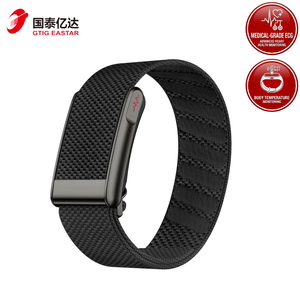
E500 ECG Screenless AI Health IP68 Smart Bracelet
- Single-lead ECG & Heart Rate
- IP68 Waterproof Construction
- Multi-sport & Sleep Tracking
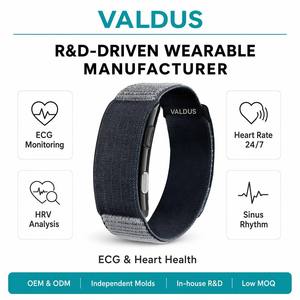
VALDUS VITRO Screenless 2026 ECG Health Tracker
- Low-power Screenless Architecture
- Continuous PPG/ECG Monitoring
- Designed for Active Compliance
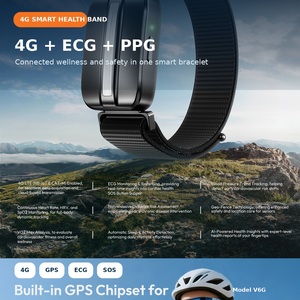
V6G 4G Smart Health Bracelet with ECG PPG GPS SOS
- Direct 4G Cellular & GPS Location
- One-Touch SOS Emergency Alert
- Senior RPM & SpO2 Tracking
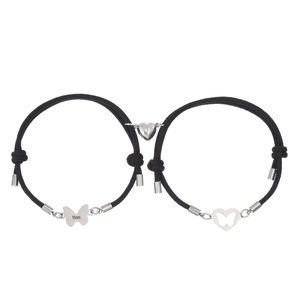
Minimalist Steel Electrocardiogram Magnetic Bracelets
- Ergonomic Metallic Casing
- Integrated ECG Contact Sensor
- Wholesale Gift Set Options
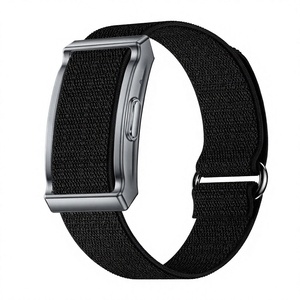
Screenless Smart Bracelet G70 ECG & Skin Temp
- Continuous Skin Temperature
- Blood Oxygen & Sleep Staging
- Extended 15-Day Battery Life
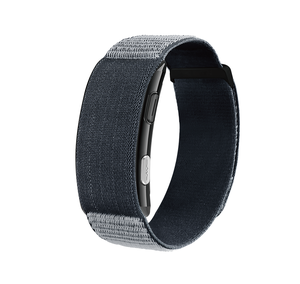
VITRO Smart 1ATM Waterproof ECG & BT Call Bracelet
- iOS & Android SDK Compatible
- 1ATM Water Resistance Standard
- Bluetooth Telemetric Voice Relay
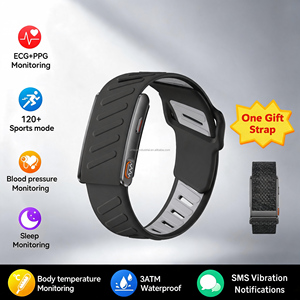
ECG No-Screen 180mAh 15-Day Long Battery Band
- 180mAh High-Density Battery
- 3ATM Submersible Rating
- Raw PPG & ECG Data Streaming
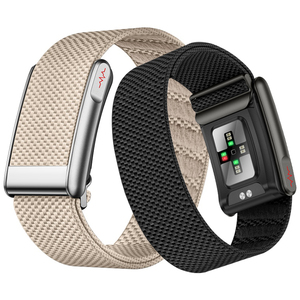
2026 E500 Screenless Smart Band with NFC & BP AI
- Medical NFC Ward ID Verification
- Blood Pressure Trend Estimation
- ISO 13485 Manufacturing Standard
Leading China Telemedicine Hardware Factory & Exporters
Bridging China's high-efficiency hardware supply chain with rigorous European and North American medical quality standards.
ISO 13485 & CE-MDR Compliance
Our state-of-the-art cleanroom SMT production facilities operate strictly under ISO 13485 Quality Management Systems. Products are engineered to align with CE-MDR Class II requirements and FDA 510(k) clearance pathways.
Unrestricted Raw Signal Access (128Hz)
Unlike consumer wearable factories that restrict data access behind walled gardens, our hardware platform exports uncompressed, raw PPG (Green/Red/Infrared), 3-axis accelerometer, and single-lead ECG waveforms via SDKs for AI digital biomarker development.
Seamless EMR & API Integration
Fully documented RESTful APIs, Android/iOS BLE SDKs, and direct cloud-to-cloud integrations allow telemetry data to flow effortlessly into hospital Electronic Medical Records (EMR), nurse dashboards, and third-party remote monitoring platforms.
Strategic Sourcing Guide: Sourcing Telemedicine Hardware from China (2026–2030 Trends)
The global remote patient monitoring (RPM) and hospital general ward telemetry markets are undergoing a fundamental transformation. Health systems, clinical research organizations (CROs), and pharmaceutical leaders are transitioning away from episodic spot-check measurements toward continuous vital sign surveillance. As premier China wholesale telemedicine hardware factory exporters, we provide clinical buyers and OEM procurement officers with deep structural insights into future procurement strategies.
1. The Rise of Screenless, High-Adherence Patient Architecture
A major cause of trial dropouts and RPM program failures in legacy telehealth projects was device friction. High-power screens require daily charging, while complex user interfaces confuse senior patients. Sourcing trends for 2026 and beyond prioritize "screenless" multi-sensor form factors—such as the E500 and G70 smart bands. By eliminating power-hungry OLED displays, these wearables extend operational battery life up to 15 days on a single charge while remaining light, water-resistant, and tamper-proof. Patients wear the device continuously from hospital admission through home recovery without needing to navigate menus or repeatedly pair bluetooth devices.
Clinical Insight: Continuous compliance rates increase by over 64% when deploying screenless wrist-worn wearables compared to standard smartwatches requiring daily recharge cycles.
2. Cellular Direct-to-Cloud vs. BLE Gateway Architecture
Procurement teams must evaluate deployment environments when selecting hardware architectures. While Bluetooth Low Energy (BLE 5.2/5.3) bands are optimal for general ward beds equipped with localized central station gateways, post-discharge senior care benefits dramatically from embedded 4G LTE-M / NB-IoT connectivity (as featured in our V6G series). Direct-to-cloud hardware eliminates the requirement for elderly patients to own a smartphone or maintain home Wi-Fi, dramatically expanding the addressable patient population and reducing technical support calls.
3. Raw PPG & ECG Data Freedom for Pharmaceutical & AI Consortia
Modern clinical research consortia require more than basic heart rate numbers; they require continuous waveform analysis to train predictive neural networks for early detection of sepsis, arrhythmia, and clinical deterioration. Sourcing certified hardware that offers raw Photoplethysmography (PPG) and Electrocardiography (ECG) data export up to 128 Hz empowers research institutions to build proprietary digital biomarkers without supplier lock-in.
Technological Advancement Trends in Medical Wearables
As a specialized OEM/ODM manufacturer, our R&D roadmap focuses on pushing the boundaries of miniaturized biomedical sensors, micro-power management, and edge-computed health intelligence.
Multi-Modal Sensor Fusion (PPG, ECG, GSR, Skin Temperature)
Single-parameter monitoring is insufficient for modern early warning scores (such as NEWS2). Next-generation hardware integrates multi-spectral PPG arrays (incorporating green, red, and infrared wavelengths) alongside optical skin temperature sensors and Galvanic Skin Response (GSR) channels. Combining skin temperature shifts with real-time heart rate variability (HRV) and continuous respiration rates derived from PPG waveforms allows automated algorithms to trigger early alerts for acute systemic inflammation or hemodynamic collapse hours before traditional vital sign spot-checks reveal deterioration.
Edge-AI Arrhythmia & Fall Detection
By shifting machine learning inference from central cloud servers directly onto low-power microcontrollers inside the wearable, devices can detect paroxysmal Atrial Fibrillation (AFib), premature ventricular contractions (PVCs), and sudden patient falls instantly. This local edge processing ensures immediate vibration alerts or SOS cellular transmissions even in low-connectivity hospital corridors.
Frequently Asked Sourcing & Technical Questions
Everything procurement officers, medical distributors, and system integrators need to know about our wholesale operations.
What continuous vital signs do your smart health bracelets monitor?
Our medical-grade hardware platforms derive up to 19 physiological parameters, including continuous heart rate, heart rate variability (HRV), single-lead ECG rhythm strips, blood oxygen saturation (SpO2), skin temperature, respiration rate, sleep staging, activity tracking, and estimated blood pressure trends.
Are your hardware products consumer wearables or certified medical devices?
We are a dedicated medical device manufacturer operating under ISO 13485 quality standards. Our product design pathways, validation studies, and cleanroom production processes are structured to support CE-MDR and FDA 510(k) regulatory submissions, serving regulated healthcare providers worldwide.
Can our engineering team access raw PPG, ECG, and accelerometer signals?
Yes. We provide comprehensive SDKs and APIs that deliver uncompressed raw PPG (green, red, infrared), single-lead ECG data, and 3-axis accelerometer signals sampled up to 128 Hz. This enables custom AI model training and proprietary algorithm deployment without supplier restriction.
What are the Minimum Order Quantities (MOQ) for wholesale and OEM/ODM projects?
We support batch orders starting from 100 units for standard wholesale inventory. For custom OEM/ODM projects—including custom logo laser-engraving, tailored firmware parameters, dedicated BLE protocols, or customized packaging—our MOQ typically begins at 1,000 units.
How do your wearables integrate into existing hospital EMR or telehealth platforms?
Data transmission occurs via RESTful APIs from our cloud back-end or through direct Android/iOS native BLE SDKs. This flexibility allows software partners to integrate live telemetry data into EPIC, Cerner, or proprietary nurse monitoring dashboards without breaking clinical workflows.
How is patient privacy and data security ensured during international exports?
Our cloud infrastructure and firmware protocols are designed with end-to-end encryption (AES-128/256) and strictly adhere to GDPR and HIPAA compliance frameworks. Patient personal identifying information (PII) is never stored directly on the wristband device.
Partner with China's Premier Telemedicine Hardware Manufacturer
Whether you are launching a hospital-wide ward monitoring initiative, expanding a regional RPM service, or seeking an experienced OEM/ODM manufacturing partner for clinical trials, our technical team is ready to support your deployment.