
Featured Medical Smart Bracelets & Multi-Sensor Monitors
Engineered for hospital wards, remote patient monitoring (RPM), and decentralised clinical trials. Operating with ISO 13485 quality standards, CE-MDR, and FDA 510(k) compliance pathways.
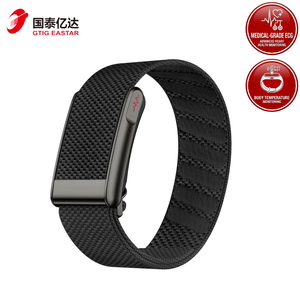
E500 ECG Screenless AI Health IP68 Smart Bracelet Heart Rate Blood Pressure Sleep Monitor
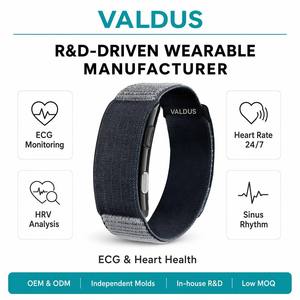
VALDUS VITRO ODM/OEM Screenless 2026 ECG Health Tracker Band Bracelet
V6G 4G Smart Health Bracelet with ECG PPG GPS SOS Monitoring for Seniors
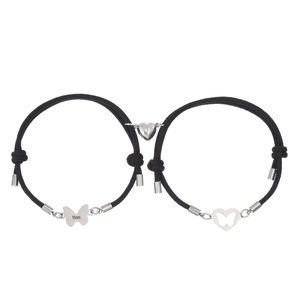
Fashion Electrocardiogram Magnetic Steel Smart Sensor Health Bracelet Set
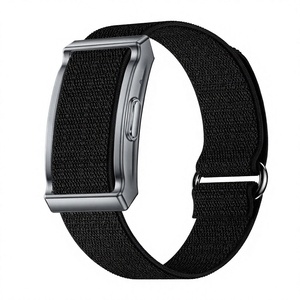
Screenless Smart Bracelet G70 ECG SpO2 Body Temperature Sleep Monitor
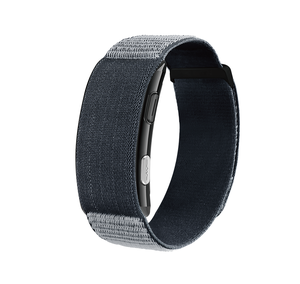
VITRO Smart Android iOS 1ATM Waterproof Fitness Bracelet with ECG & Heart Rate

ECG No Screen Smart Bracelet 180mAh 15 Days Battery 3ATM Waterproof
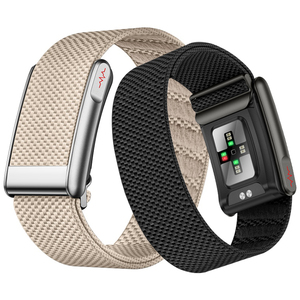
2026 New E500 Screenless Smart Bracelet with NFC ECG Blood Pressure & Temp
Industrial Excellence in Medical Wearable Technology
Bridging the critical monitoring gap between intermittent bedside nurse rounds and post-discharge outpatient care through certified high-density multi-sensor telemetry.
ISO 13485 Certified Manufacturing
Our state-of-the-art cleanroom manufacturing facilities in China adhere strictly to ISO 13485 quality management systems. Every batch undergoes automated optical inspection (AOI), multi-wavelength optical calibration, and 100% water-ingress pressure testing to meet global medical device compliance standards.
Global Regulatory Compliance
We provide comprehensive technical documentation, clinical evaluation reports (CER), and biological evaluation testing under ISO 10993. Our regulatory team actively supports B2B healthcare partners, distributors, and OEMs through CE-MDR (EU 2017/745) and FDA 510(k) market access pathways.
Open Raw Signal Access (Up to 128Hz)
Unlike commercial consumer trackers that restrict access to proprietary summary metrics, our medical monitors provide IP-free access to raw PPG (green, red, infrared), single-lead ECG, 3-axis accelerometer, skin temperature, and galvanic skin response (GSR) signals at sampling frequencies up to 128 Hz via REST APIs and Mobile SDKs.
Future Procurement Trends in Hospital Patient Monitoring (2026–2030)
Analysis of market shifts driving global B2B procurement decisions across healthcare systems, group purchasing organizations (GPOs), and clinical research organizations.
1. Transition from Bedside Cable Systems to Wearable Telemetry
Hospitals are phase-replacing stationary, cabled bedside monitors in general wards with lightweight, screenless continuous smart bracelets. This shift dramatically reduces hardware procurement costs per bed while enabling unconstrained patient mobility and continuous data flow.
2. Single-Device Ward-to-Home Continuum
Procurement teams prioritize unified hardware platforms where patients wear the identical device from ward admission, through step-down care, to post-discharge home monitoring. This eliminates re-onboarding friction and prevents data gaps in hospital-at-home programs.
3. AI-Driven Early Warning Scoring (AI-EWS) Integration
Buyers require native algorithm capability for automated Early Warning Score calculation (e.g., NEWS2, MEWS). Predictive analytics derived from multi-sensor continuous streams trigger clinical escalation hours before overt physiological collapse occurs.
4. Zero-Trust Data Security & EMR Interoperability
B2B procurement mandates strict compliance with HIPAA and GDPR standards. Hardware devices must seamlessly transmit encrypted data via HL7/FHIR interfaces directly into enterprise Electronic Medical Record (EMR) architectures such as Epic, Cerner, and Philips IntelliSpace.
Medical-Grade Wearable Sensor Architecture & Technological Breakthroughs
How optical, electrical, and thermal micro-sensor integration is redefining continuous patient vital sign accuracy.
| Technology Vector | Legacy Hospital Monitors | Next-Gen Screenless Medical Wearables | Clinical Advantage |
|---|---|---|---|
| PPG Sensor Array | Single-wavelength spot-check pulse oximeters | Multi-wavelength (Green, Red, Infrared) multi-channel optical array | High artifact resilience, accurate measurement across diverse skin tones and low-perfusion states. |
| ECG Telemetry | Bulk 3-lead or 12-lead adhesive gel cables | Integrated single-lead dry-electrode cardiac circuit | Instant electrogram acquisition for arrhythmia detection without skin irritation or adhesive degradation. |
| Core Temperature | Invasive rectal/oral or intermittent tympanic probes | Continuous skin & heat-flux ambient differential thermal sensors | Uninterrupted fever and infection detection (sepsis early warning) without patient discomfort. |
| Form Factor & Display | Heavy plastic housing with glass LCD/OLED screens | Screenless, medical-grade TPU/silicone, IP68/3ATM waterproof casing | Eliminates glass breakage hazards, lowers power consumption by 80%, prevents patient anxiety from visual alarms. |
| Battery & Power | AC wall connection or 4-8 hour internal battery | Optimized micro-controller unit with up to 15 days continuous operation | Zero interruption during inter-departmental transfer or long-term ambulatory telemetry. |
Multi-Wavelength Optical Photoplethysmography
By leveraging high-powered green (525nm), red (660nm), and infrared (940nm) LEDs in conjunction with highly sensitive photodiodes, our smart monitor architectures filter out motion artifacts using advanced adaptive noise cancellation (ANC). This enables reliable continuous arterial oxygen saturation (SpO2) and pulse rate variability (PRV) derivation during patient movement.
Single-Lead Dry Electrode Electrocardiography
Equipped with bio-compatible titanium-coated alloy electrodes, the monitor records real-time lead-I ECG traces. Automated onboard AI algorithms extract QT intervals, ST-segment deviations, and detect cardiac arrhythmias including Atrial Fibrillation (AFib), Premature Ventricular Contractions (PVCs), and Bradycardia with clinical-grade fidelity.
Narrowband IoT (NB-IoT) & Bluetooth 5.3 Dual-Mesh
For hospital ward deployments, Bluetooth Low Energy (BLE 5.3) mesh networks relay multi-patient telemetry to local ward gateways. For post-discharge remote monitoring, embedded NB-IoT / 4G cellular modules transmit encrypted physiological data directly to the hospital cloud without requiring home smartphone pairing.
Frequently Asked Questions for B2B Procurement & Importers
Addressing key technical, regulatory, and supply chain queries from medical equipment distributors, healthcare authorities, and hospital purchasing officers.
Q: What quality management and medical regulatory certifications do your manufacturing plants hold?
Our manufacturing facilities operate under strict ISO 13485 quality management systems specifically audited for medical device design and manufacturing. Our wearable monitoring platforms are built aligned with EU CE-MDR (Regulation EU 2017/745) requirements and US FDA 510(k) medical device clearance guidelines. Complete technical files, ISO 10993 biocompatibility test reports, and IEC 60601-1 / IEC 60601-1-2 electrical safety and EMC reports are available for qualified B2B buyers upon NDA.
Q: How do your screenless smart bracelets integrate with existing hospital Electronic Medical Record (EMR) systems?
We offer robust, documented RESTful APIs, Webhooks, and native Mobile SDKs (iOS/Android). Measured physiological parameters and calculated Early Warning Scores (EWS) are structured in standardized HL7 and FHIR formats, enabling direct interoperability with major hospital information systems (HIS), Electronic Health Records (EHR), nurse central monitoring stations, and third-party remote patient monitoring (RPM) software platforms.
Q: Can academic institutions and pharmaceutical CROs access raw PPG and ECG signal data?
Yes. Unlike consumer smartwatch manufacturers that restrict access to aggregated daily steps or average heart rate, our device platform permits full, IP-free export of raw multi-channel accelerometer, PPG (green, red, infrared), single-lead ECG rhythm strips, skin temperature, and GSR signals at sampling rates up to 128 Hz. This feature is widely utilized across 200+ clinical research trials for developing custom digital biomarkers and proprietary machine learning algorithms.
Q: What is the standard MOQ, lead time, and customization scope for OEM/ODM contract manufacturing?
For standard white-label products, our minimum order quantity (MOQ) starts at 100 units. For custom OEM/ODM projects (custom tooling, enclosure branding, tailored firmware algorithms, unique sensor payload configurations, or bespoke packaging), MOQ is typically 1,000 units. Production lead time ranges from 2 to 4 weeks for standard orders and 6 to 8 weeks for specialized OEM custom runs.
Q: Why are screenless monitors preferred for clinical general ward environments?
Screenless design offers four key operational benefits in medical wards: (1) Battery Efficiency: Battery life extends up to 15 days on a single charge; (2) Infection Control & Durability: Eliminates display glass breakage and facilitates seamless cleaning with hospital-grade disinfectants (IP68/3ATM rated); (3) Psychological Stress Reduction: Prevents alarm fatigue and patient anxiety caused by viewing fluctuating vital sign numbers; (4) Tamper Resistance: Prevents unauthorized setting adjustments by patients or visitors.
Q: How is patient data privacy and cybersecurity guaranteed during global cloud transmission?
Data security is built into our hardware architecture from the ground up. All data transmitted between the wearable bracelet, hospital gateway, and cloud server is encrypted using AES-256 at rest and TLS 1.3 in transit. The architecture complies with US HIPAA privacy rules and EU General Data Protection Regulation (GDPR), ensuring no personally identifiable information (PII) is stored unencrypted on the edge device.