
Precision Biometric Hardware & Sensor Modules
Explore our flagship biometric sensors, embedded modules, and standalone readers engineered for seamless cross-platform deployment, multi-modal verification, and high-throughput security protocols.

7 inch LCD Dynamic Face Recognition & Palmar Vein Reader
- Palmar Vein + Dynamic Face + RFID
- Dual-Lens Anti-Spoofing Camera
- High-Speed Attendance Engine
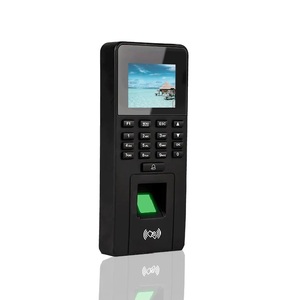
EBKN Standalone Fingerprint Access Control Terminal
- Standalone / Networked Architecture
- Free Cross-Platform SDK
- Low Latency Matching Engine
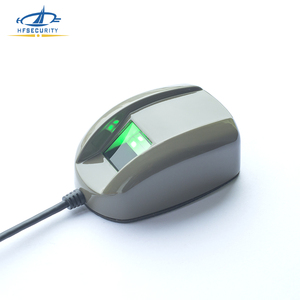
HFSecurity HF4000 FBI Certified Optical USB Scanner
- FBI PIV & Mobile ID Certified
- IP65 Waterproof Surface Rating
- Optimized for National KYC Platforms
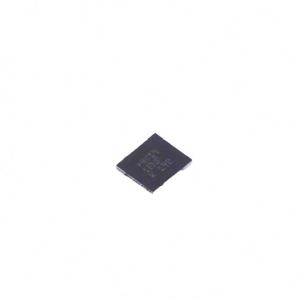
MAX86141 Optical AFE Biometric Pulse & PPG Sensor
- Ultra-Low Power WLP-20 Package
- Dual-Channel Optical AFE
- Clinical-Grade Wearable Integration
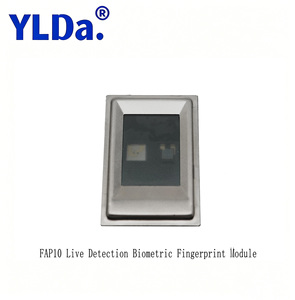
208×288 Pixel Embedded Capacitive Sensor Module
- High Pixel Density Imaging (508 DPI)
- Active Capacitive Array Technology
- Ultra-Compact OEM Footprint
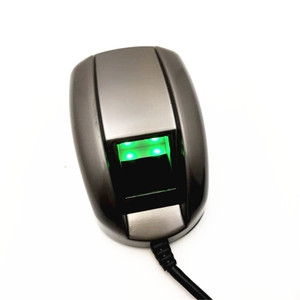
Universal Multi-OS Biometric Fingerprint Module
- Android, iOS, Win, Linux, WinCE
- Embedded Image Processing DSP
- Flexible UART / USB Interfaces
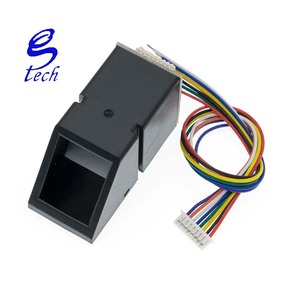
AS608 High-Precision Optical Fingerprint Module
- Integrated Flash Memory & DSP
- Low Power Consumption Logic
- Cost-Effective Smart Lock Integration
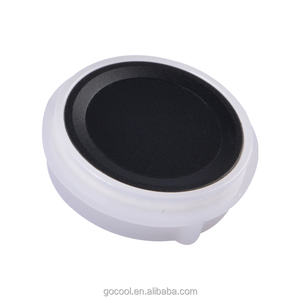
S80 Semiconductor Fingerprint Sensor with RGB LED
- Capacitive Semiconductor Array
- 360-Degree Omni-Directional Read
- Dynamic RGB Status Indicator Ring
Enterprise Engineering Capabilities & Supplier Manufacturing Authority
As China’s premier biometric sensor supplier and direct exporter, our manufacturing ecosystem sits at the convergence of advanced semiconductor packaging, precision optical physics, and embedded cryptographic firmware development. Operating under strict ISO 9001 and ISO 13485 quality management frameworks, our production facilities feature automated Class 10,000 cleanroom SMT packaging lines, high-precision optical alignment machinery, and zero-defect automated optical inspection (AOI) systems.
Unlike standard trading intermediaries, our core competitive moat is grounded in end-to-end engineering authority and direct hardware control. We provide global original equipment manufacturers (OEMs), systems integrators, and government contractors with direct access to hardware abstraction layers (HAL), IP-free algorithmic SDKs, and raw biometric signal datasets (including unprocessed PPG photoplethysmography waveforms and raw 508 DPI capacitive ridge pixel matrices).
Multi-OS Open SDK Ecosystem
Native dynamic libraries and wrapper APIs built for Android, iOS, Windows, Linux, macOS, and WinCE. Embedded algorithms support ISO/IEC 19794-2/4 and ANSI/INCITS 378 template formats for instant interoperability.
Anti-Spoofing & Liveness Detection
Hardware-level Presentation Attack Detection (PAD) compliant with ISO/IEC 30107-3 standards. Multi-spectral optical imaging differentiates fake silicone/gelatin molds from live human tissue via sub-dermal blood flow analysis.
Strict Regulatory Compliance
Factory-certified modules matching FBI PIV, FIPS 201, Aadhaar STQC, CE-MDR, FCC, and RoHS standards, giving enterprise buyers a frictionless path to international certification and market entry.
Biometric Sensor Technological Development Trends (2025–2030)
The global security, fintech, and health-telemetry landscapes are undergoing a paradigm shift from single-modal biometric verification toward dynamic, non-contact, and continuous multi-modal identity validation. Based on deep empirical analysis and industry procurement data, five pivotal technical vectors define the future of biometric sensor manufacturing:
1. Sub-Dermal Palmar & Vascular Vein Sensing
Palmar vein pattern recognition operates using near-infrared light (760–940nm) to capture internal hemoglobin absorption images. Because vascular structures reside beneath the dermis, vein biometrics are impervious to surface damage, dirt, or dry skin, delivering near-zero False Acceptance Rates (<0.00001%).
2. Edge-AI NPU Integration & TinyML
Modern biometric modules now incorporate dedicated Neural Processing Units (NPUs) directly into the sensor DSP (such as specialized ARM Cortex-M microcontrollers). On-device deep learning enables sub-50ms local template matching without relying on cloud processing or exposing sensitive biometric templates to network interception.
3. Hybrid Photoplethysmography (PPG) & ECG Sensors
Sensors like the MAX86141ENP+ illustrate the convergence of identity verification and continuous health monitoring. Dual-channel optical AFEs capture heart rate variability (HRV), continuous SpO2, and pulse wave velocity, enabling dual-factor liveness authentication via real-time cardiovascular telemetry.
4. Active Capacitive Semiconductor Silicon Arrays
Next-generation capacitive modules (e.g., S80 series) utilize active silicon sensing arrays with 508 DPI resolution. By measuring minute electrical charge variations between skin ridges and conductive sensor plates, active semiconductor sensors outperform traditional passive optical scanners in dry, humid, or outdoor conditions.
5. Zero-Trust Hardware Security Modules (HSM)
To comply with global data protection mandates (GDPR, HIPAA, CCPA), raw biometric data is encrypted at the sensor level using AES-256 / RSA-2048 crypto-processors before leaving the onboard buffer. Biometric templates are stored within secure hardware enclaves (TEE) that physically prevent memory dumping attack vectors.
6. Ultra-Low Power & Energy-Harvesting Architectures
For mobile KYC terminals, smart door locks, and wearable clinical monitors, sleep-mode power consumption has been reduced to micro-amp levels (<5µA). Fast wake-up interrupts allow immediate fingerprint acquisition upon touch without degrading system battery life over multi-year deployments.
Global Procurement Trends & B2B Sourcing Strategies
International enterprise buyers, government contractors, and hardware product managers face unprecedented supply chain dynamics. Sourcing biometric hardware from top-tier Chinese suppliers requires evaluating key procurement benchmarks beyond unit price:
1. Shifting from Off-the-Shelf Readers to OEM Module Customization: Global hardware integrators increasingly favor embedded sensor modules (such as AS608 optical or 208*288 pixel capacitive sensors) that can be seamlessly built into custom enclosures, POS terminals, medical devices, or automotive ignition systems. Direct factory customization of pinout interfaces (UART, SPI, USB, Micro-USB), FPC ribbon cable lengths, and custom cover-glass coatings (scratched-resistant sapphire, anti-bacterial) is now a primary sourcing prerequisite.
2. Compliance-First Sourcing (KYC, Financial & National Identity): Procurement directors operating in identity verification, voter registration, banking (KYC), and border security must ensure hardware compliance with international government standards. Sensor modules such as the HFSecurity HF4000 featuring FBI PIV and STQC certification streamline vendor onboarding and mitigate compliance risks in municipal and cross-border tenders.
3. Total Cost of Ownership (TCO) & Reliability Math: High-volume B2B buyers evaluate long-term Field Failure Rates (FFR) and Mean Time Between Failures (MTBF). Industrial-grade optical glass lenses with Mohs hardness ratings >7 and Electrostatic Discharge (ESD) protection reaching ±15kV (air) and ±8kV (contact) drastically lower field warranty claims and maintenance overhead in high-traffic environments.
Frequently Asked Questions (B2B Procurement & Engineering FAQ)
Technical answers to common engineering, integration, and procurement inquiries from systems integrators, enterprise architects, and sourcing managers.
What is the technical difference between Optical, Capacitive, and Palmar Vein biometric sensors?
Optical sensors (e.g., AS608, HF4000) capture fingerprint images using visual light reflections onto a CCD/CMOS sensor. They are highly durable, cost-effective, and ideal for high-traffic access control. Capacitive semiconductor sensors (e.g., S80) measure electrical pixel variance across micro-capacitor arrays, making them ultra-compact, spoof-resistant, and ideal for smart locks and mobile devices. Palmar vein sensors use near-infrared illumination to capture sub-dermal blood vessel patterns, offering contactless, highly secure, and hygienic multi-modal authentication that cannot be copied or spoofed.
How do your biometric modules ensure anti-spoofing protection against fake fingers?
Our biometric hardware utilizes multi-layered Presentation Attack Detection (PAD). Optical sensors incorporate multi-spectral light channels to detect skin reflectance and sub-dermal blood flow. Capacitive semiconductor modules measure live skin conductivity and capacitance dynamics. Advanced terminals integrate software algorithms that evaluate ridge depth, elasticity, and micro-sweat pore distribution to block fake silicone, latex, paper, or gel impressions.
Do you provide free SDKs and cross-platform software drivers for software developers?
Yes. All our standalone readers, USB scanners, and embedded biometric sensor modules come with complete, royalty-free Software Development Kits (SDKs). We support Windows (C++, C#, VB, Java), Linux, Android, iOS, macOS, and WinCE environments. The SDK includes sample source code, RESTful API documentation, driver installers, and template-matching dynamic link libraries (.dll / .so) supporting ISO 19794-2/4 and ANSI 378 standards.
What certifications do your fingerprint scanners hold for international project tenders?
Selected flagship models (such as the HFSecurity HF4000) are certified under FBI PIV (Personal Identity Verification) and Mobile ID FAP30 standards, as well as India’s Aadhaar STQC certification. Furthermore, our manufacturing facility maintains ISO 9001 and ISO 13485 (Medical Quality Management) certifications. Individual modules hold CE, FCC, RoHS, and IP65/IP67 ingress protection certificates for heavy industrial or outdoor installation.
What OEM/ODM customization options are available for enterprise orders?
We offer comprehensive original design and manufacturing services: customized FPC ribbon layout, bespoke cover glass screen printing, custom silk-screened brand logos, tailored pinouts (UART/TTL, SPI, USB, RS232, Wiegand), dynamic RGB indicator ring configuration, custom sensor firmware logic, and specialized anti-vandalism or outdoor weatherproofing enclosures.
What is the typical lead time and Minimum Order Quantity (MOQ) for global exports?
Standard catalog evaluation samples and SDK development kits ship within 24 to 72 hours. OEM customized production batches typically carry an MOQ ranging from 100 to 500 units depending on customization depth. Standard mass production lead time is 2 to 3 weeks upon drawing and firmware confirmation, supported by international express air freight or bulk sea freight options.