
Certified Clinical Wearable Sensors & Health Trackers
Continuous monitoring platforms equipped with medical PPG, single-lead ECG, SpO2, and body temperature sensors designed for hospital wards, research, and post-discharge remote monitoring.
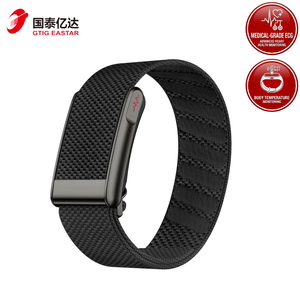
E500 ECG Screenless AI Health IP68 Smart Bracelet Heart Rate Blood Pressure Sleep Multisport Monitor MF90 MF91 ETQ13 2026
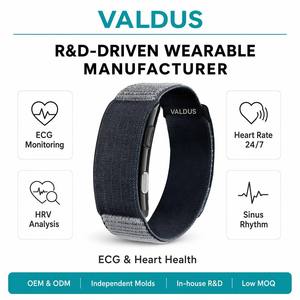
VALDUS VITRO ODM/OEM Manufacturer Screenless 2026 ECG Health Designed for Every Activity Smart Fitness Tracker Band Bracelet
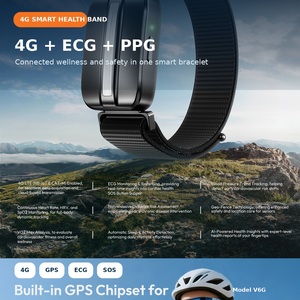
V6G 4G Smart Health Bracelet with ECG PPG GPS SOS Heart Rate SpO2 Sleep Monitoring for Seniors OEM ODM

Fashion Hot Selling Minimalist Trendy Steel Color Electrocardiogram Magnetic Couple Bracelets Gift Set Wholesale
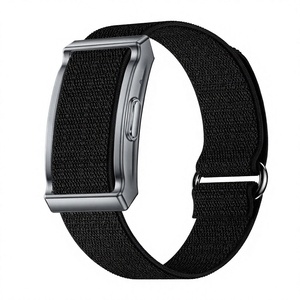
Screenless Smart Bracelet G70 ECG Heart Rate Blood Oxygen Body Temperature Sleep Monitoring Sports Fitness Band
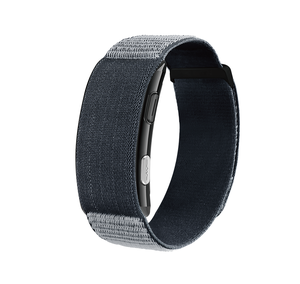
VITRO Smart Android IOS 1ATM Waterproof Fitness Bracelet with Heart Rate Sleep Tracker Remote Control ECG BT Call & Alarm Clock
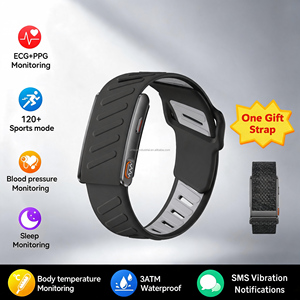
ECG No Screen Smart Bracelet 180mAh 15 Days Battery 3ATM Waterproof Heart Rate SpO2 Pedometer Sleep Monitor Fitness Android
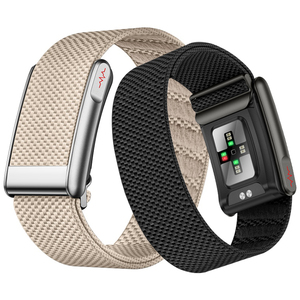
2026 New E500 Screenless Smart Bracelets with NFC ECG Blood Pressure Body Temperature Health Fitness Tracker Band Without Screen
Why Global Healthcare Organizations Choose Our Sensor Platform
Bridging consumer wearable comfort with certified clinical accuracy, rigorous regulatory compliance, and fully open data architecture.
CE-MDR & FDA Clearance
Built under ISO 13485 certified quality management systems. Fully certified under EU Medical Device Regulation (CE-MDR) and cleared by FDA 510(k) for medical-grade continuous patient monitoring.
Open Raw PPG & ECG Access
Unrestricted, IP-free access to raw multi-wavelength photoplethysmography (PPG), single-lead ECG, accelerometer, and skin temperature raw data sampled up to 128 Hz for AI/ML biomarker discovery.
EMR & Cloud Interoperability
Seamless integration with electronic medical record (EMR) systems via RESTful APIs, Android/iOS mobile SDKs, and HL7 FHIR protocols, connecting hospital wards and decentralized clinical trials effortlessly.
Transforming Continuous Vital Sign Monitoring: From Episodic Spot-Checks to Predictive Clinical Intelligence
In traditional acute care and post-discharge recovery pathways, vital signs are documented periodically during routine nursing rounds, typically every four to eight hours. This episodic measurement framework creates critical diagnostic blind spots. Pathological deterioration—such as sepsis onset, acute respiratory distress, cardiac decompensation, or fatal arrhythmias—frequently develops dynamically between observation intervals. Clinical studies demonstrate that early detection of vital sign instability can reduce intensive care unit (ICU) transfers by up to 30% and significantly lower hospital mortality rates through timely automated intervention.
Information Gain Insight: Modern clinical wearables bridge the gap between spot-check logistics and high-fidelity continuous patient monitoring. By miniaturizing multi-sensor photoplethysmography (PPG), dry-electrode electrocardiography (ECG), and skin temperature sensors into screenless, IP68 waterproof form factors, healthcare providers achieve unprecedented patient compliance exceeding 92% across multi-week clinical monitoring protocols.
1. Sensor Fusion Architecture & Signal Processing Engineering
Clinical-grade wearable sensors require sophisticated hardware architecture to mitigate motion artifacts and environmental noise while maintaining long battery performance. Our sensor platforms utilize a tri-axis accelerometer coupled with multi-wavelength optical PPG arrays (Green 525nm for superficial microvascular perfusion, Red 660nm and Infrared 940nm for continuous arterial oxygen saturation SpO2 calculation).
Key technical specifications engineered into our clinical sensor line include:
- Dry Electrocardiogram Electrodes: Proprietary biocompatible metallic coatings delivering clinical single-lead ECG rhythm strips for automated QRS complex identification, Heart Rate Variability (HRV) spectral analysis, and real-time arrhythmia detection (Atrial Fibrillation, PVCs, Bradycardia, Tachycardia).
- Continuous Skin Temperature & Heat Flux: Micro-calorimetric thermal sensors measuring localized heat flux and localized skin temperature with an accuracy of ±0.1°C, essential for early febrile reaction and sepsis tracking.
- Galvanic Skin Response (GSR) / Electrodermal Activity: High-precision bioimpedance circuitry capturing autonomic nervous system tone, acute pain response, and physiological stress indexing.
- Edge-AI Noise Cancellation: Embedded low-power digital signal processors (DSPs) running adaptive filtering algorithms (Least Mean Squares - LMS) to remove motion artifacts during physical rehabilitation and daily activities.
2. Future Procurement Trends in Medical Wearables (2026–2030)
The global procurement landscape for continuous monitoring devices is undergoing a structural paradigm shift driven by healthcare economics, regulatory tightening, and decentralization:
A. Shift Toward Screenless, Single-Purpose Form Factors: Consumer smartwatches with active touchscreen displays introduce significant compliance barriers in clinical environments. Touchscreens suffer from high power consumption (requiring daily charging), accidental user manipulation, security vulnerabilities, and elevated risk of liquid ingress during sanitation protocols. Procurement managers are increasingly prioritizing screenless medical bands featuring 10-to-15-day battery autonomy, zero patient UI interaction requirements, and sealed IP68/3ATM enclosures suitable for continuous chemical disinfection.
B. Mandatory Open Data Platforms & Unrestricted Raw Signal Access: Pharmaceutical companies conducting Decentralized Clinical Trials (DCT) and academic medical consortia are rejecting "black-box" consumer algorithms. Modern tender specifications demand direct, uncompressed export of raw PPG (green, red, infrared channels) and raw ECG waveform data at sampling rates up to 128 Hz. This allows data science teams to train custom proprietary machine learning models, validate digital biomarkers, and meet rigorous FDA/EMA clinical endpoint standards without vendor lock-in.
C. Comprehensive EMR Interoperability & Automated Early Warning Scores (EWS): Hospital procurement teams require continuous vital sign streams to integrate directly into centralized Electronic Medical Record (EMR) systems (Epic, Cerner, System C) via HL7 FHIR APIs. Advanced wearable platforms automatically calculate standardized risk scores—such as National Early Warning Score 2 (NEWS2)—and send color-coded escalation alerts to nurse mobile units when physiological parameters cross clinical thresholds.
3. Technological Development Vectors in Clinical Sensor Hardware
Looking toward future device iterations, four key technological vectors define the next generation of medical sensors:
- Continuous Non-Invasive Blood Pressure (cNIBP): Pulse Arrival Time (PAT) and Pulse Transit Time (PTT) algorithms calibrated via ECG and PPG signal synchronization are eliminating the need for periodic inflatable arm cuffs, enabling cuffless 24/7 blood pressure trend tracking.
- Energy Harvesting Micro-Circuits: Integration of ambient light photovoltaic micro-chips and thermoelectric generators (TEG) harvesting body heat to extend wearable battery life indefinitely in ambient environments.
- Direct Cellular IoT Connectivity (NB-IoT / LTE-M): Transitioning from smartphone-dependent Bluetooth gateways to direct-to-cloud cellular wristbands (such as 4G/NB-IoT senior bracelets), eliminating setup friction for elderly patients without home Wi-Fi or mobile applications.
- On-Device Federated AI Inference: Ultra-low-power microcontrollers executing neural networks directly at the wearable edge, capable of diagnosing cardiac arrest, nocturnal apnea episodes, and fall events locally within milliseconds.
Frequently Asked Questions for Clinical Buyers & OEMs
Comprehensive technical and commercial guidance for hospital procurement officers, pharmaceutical trial managers, and medical device distributors.
1. White-Label Hardware: Custom housing colors, laser-engraved branding, custom wristband materials, and bespoke packaging.
2. Firmware Customization: Custom PPG sampling intervals, tailor-made battery management profiles, and custom BLE payload structures.
3. Software SDKs: Native iOS and Android mobile SDKs allowing direct Bluetooth connection from your proprietary patient app to our wearable sensors.