
Insights & News

Corsano Health Blog & Industry Insights

Stay updated with expert articles, scientific publications, clinical study findings, and digital biomarker innovations in continuous patient monitoring.

0%

Choosing a Cardiac Arrest Early Warning Wearable requires more than comparing screens, prices, and app ratings. The real question is whether a device can identify meaningful cardiac changes quickly, communicate them clearly, and support urgent human action. Cardiac electrophysiologist Dr. Sumeet Chugh has stated, “Sudden cardiac arrest is not the same as a heart attack, although a heart attack can cause cardiac arrest.” That distinction matters when evaluating wearable claims.

A serious buying guide should examine heart-rate accuracy, rhythm analysis, oxygen monitoring, fall detection, emergency calling, battery life, cellular access, and clinical validation. It should also explain what each device cannot detect. Some products monitor pulse patterns but do not diagnose dangerous rhythms. Others can send alerts, yet they still depend on phone connections, user response, or emergency services. Small details matter. A loose wristband can weaken readings. A dead battery can erase confidence.

No wearable is perfect.

The strongest options should offer transparent evidence, understandable alerts, secure data handling, and practical support for older adults or people with cardiac risk. Expert review is essential, but lived experience matters too. A device may perform well in testing and feel frustrating during sleep, exercise, or daily work. Our comparisons may still miss personal differences, including skin contact, medication effects, and device compatibility. Readers should treat these wearables as early-warning tools, not replacements for medical evaluation, prescribed monitoring, or emergency care. This guide focuses on dependable features, realistic limitations, and the buying decisions that deserve closer attention.
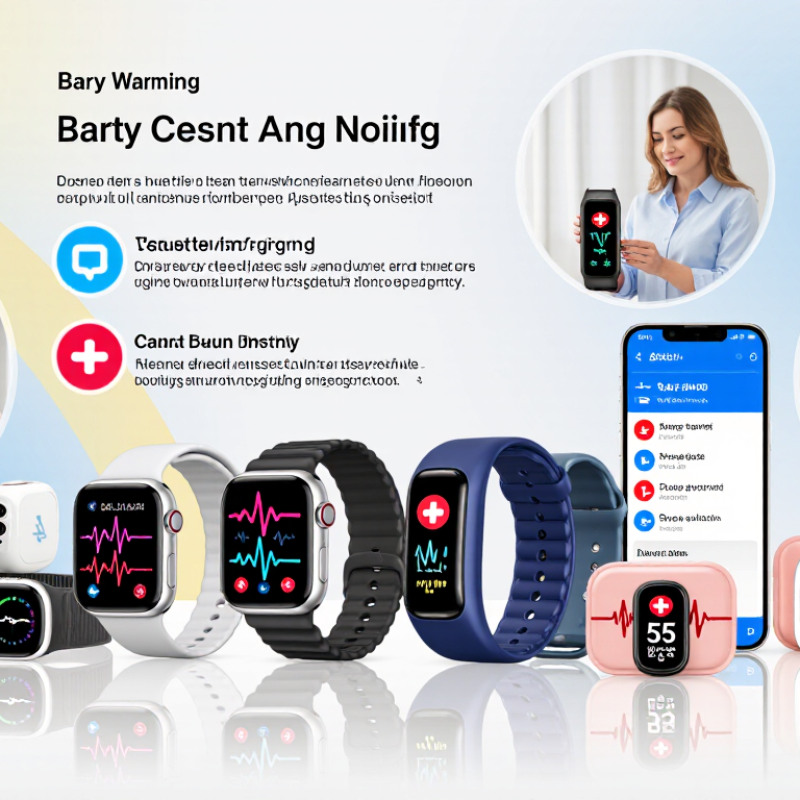
Top Cardiac Arrest Early Warning Wearables to Buy?

What Are Cardiac Arrest Early Warning Wearables?

Cardiac arrest early warning wearables are wearable devices designed to monitor signs linked with heart problems. They may use optical sensors, electrocardiogram readings, movement tracking, and heart-rate analysis. Some devices can identify unusual rhythms, very high or low pulse rates, or sudden collapse. They may then send an alert to the wearer or an emergency contact.

These devices do not reliably predict every cardiac arrest. Cardiac arrest can happen without an obvious warning. A wearable is not a replacement for emergency services, medical testing, or professional advice. In daily use, a loose strap, sweat, tattoos, poor skin contact, or intense movement can affect readings. I have also found that frequent alerts may create anxiety, especially when users interpret every irregular reading as an emergency. The technology is helpful, but its limits deserve attention.

Tips: Look for clinically reviewed features, clear alert settings, and secure data handling. Choose a device that feels comfortable during sleep and exercise. Read its accuracy limits carefully. If an alert appears with chest pain, fainting, breathing difficulty, or severe weakness, seek emergency help immediately. Discuss repeated rhythm alerts with a qualified healthcare professional, even when symptoms disappear.

Top Cardiac Arrest Early Warning Wearables to Buy? — What Are Cardiac Arrest Early Warning Wearables?

Early-warning wearables commonly track physiological signals such as heart rate, blood oxygen saturation, respiratory rate, blood pressure, and ECG patterns. The chart shows commonly cited resting reference ranges for adults; it is intended for education, not diagnosis or prediction of cardiac arrest.

Reference ranges shown: resting heart rate 60–100 bpm, oxygen saturation 95–100%, respiratory rate 12–20 breaths per minute, and systolic blood pressure 90–120 mmHg. Individual targets vary, and not every wearable measures every parameter. Persistent abnormal readings or symptoms such as chest pain, severe shortness of breath, fainting, or sudden weakness require immediate medical attention.

How Cardiac Arrest Detection Technology Works

Cardiac arrest detection wearables combine sensors, algorithms, and emergency communication. Optical sensors measure changing blood volume beneath the skin. Electrodes may record an electrical rhythm. Accelerometers check whether the wearer has collapsed or stopped moving. The software compares these signals with baseline patterns, then searches for sudden pulse loss or abnormal rhythm. It may trigger an alert after a brief confirmation period.

The American Heart Association’s 2024 Heart Disease and Stroke Statistics report estimates more than 356,000 emergency medical service-treated out-of-hospital cardiac arrests occur annually in the United States. About 90% are fatal. That gap explains the interest in early warning wearables. However, a wearable usually cannot confirm cardiac arrest independently. Loose contact, heavy exercise, cold skin, tattoos, or a dead battery can create false readings. Some systems also need a phone or cellular connection before sending an alert.

When comparing devices, examine sensor types, alert delays, fall detection, emergency-call support, and published validation data. FDA clearance may indicate a specific authorized use, but it does not guarantee perfect detection. Peer-reviewed research on photoplethysmography shows strong potential, yet performance varies across skin tones, motion levels, and health conditions. The evidence is promising, not complete. A missed alarm remains possible. So does an unnecessary one. Wearables should support, not replace, CPR training, prescribed monitoring, or rapid emergency services. A practical test is simple: wear the device during normal movement, check its fit, and confirm that alerts reach a real contact.

Key Features to Compare Before Buying

Top Cardiac Arrest Early Warning Wearables to Buy?

A wearable should support emergency awareness, not promise to predict cardiac arrest. Cardiac arrest can occur suddenly, and no consumer device detects every event. Compare clinical evidence, regulatory clearance in your country, and transparent accuracy data before comparing screen size. ECG recording can help identify irregular rhythms, while continuous heart-rate tracking may reveal unusual changes. Blood oxygen readings can add context, but motion, cold fingers, and poor contact can distort them. Treat impressive numbers carefully.

Check how quickly the device sends alerts and who receives them. A useful model should contact a selected person, provide location when appropriate, and remain connected beyond your phone’s room. Test the alarm beside a running fan or in a crowded gym. False alerts become easy to ignore. They still matter. Battery life, charging time, water resistance, comfortable fit, and readable nighttime displays affect daily use more than glossy specifications. Review data-sharing controls and whether health records can be exported for a clinician. Independent studies deserve more trust than vague laboratory claims. Some devices detect falls, but they may miss a collapse without impact. A visible warning is not emergency treatment; call local emergency services when symptoms or collapse occur.

Top Wearable Options for Cardiac Monitoring

Choosing a cardiac monitoring wearable starts with the signal it measures. Optical sensors estimate pulse through the skin, while single-lead ECG sensors record electrical activity. ECG capability may help identify irregular rhythms, but it does not confirm every heart condition. A pulse-oxygen sensor can add context, especially during sleep or exercise. It should not be treated as a diagnostic test.

Look for clinically validated features, clear alert explanations, and a history function that can be shared with a qualified clinician. A comfortable fit matters. Loose contact can create noisy readings and unnecessary alarms. Battery life, water resistance, screen readability, and phone compatibility also affect daily use. Privacy settings deserve equal attention; health data should not be shared casually.

False alerts happen. They can cause anxiety, especially after intense exercise or poor sleep. Treat repeated patterns seriously, but verify them with medical advice. A wearable cannot reliably predict cardiac arrest or replace emergency services. If someone collapses, has no normal breathing, or becomes unresponsive, contact local emergency services immediately and follow dispatcher instructions. I would also question impressive marketing claims when independent clinical evidence is missing. More sensors do not always mean better monitoring.

Safety Limits and Proper Use of Wearable Alerts

Wearable alerts can support safety, but they cannot reliably predict cardiac arrest. Most consumer devices track pulse, rhythm, or movement. They may miss an event when the sensor loses contact, the battery is low, or the wearer is alone and motionless. The FDA states that wearable ECG features are not substitutes for clinical diagnosis or emergency assessment. This distinction matters. A normal reading is not proof of safety.

The American Heart Association’s Heart Disease and Stroke Statistics—2024 Update reported about 10.5% survival to hospital discharge after out-of-hospital cardiac arrest in the United States. Bystander CPR occurred in roughly 40% of cases. These figures show why an alert must trigger human action, not passive phone checking.

Choose a device with clinically reviewed rhythm features, clear alarm settings, strong vibration, and dependable emergency communication. Check whether alerts require a connected phone or paid service. Test the alarm with a family member.

Use alerts alongside medical advice, not against it. Chest pressure, severe breathlessness, fainting, or sudden weakness require emergency help, even if the wearable shows no warning. Start CPR and use an available AED when appropriate and safe. Do not wait for a device to confirm danger.

No device is perfectly dependable. I would not treat a silent screen as reassurance. Wearable data can also create anxiety through false alarms, so repeated alerts deserve professional review rather than endless self-monitoring.

FAQS

How does cardiac arrest detection technology work?

Optical sensors estimate pulse changes beneath the skin. Electrodes may record electrical rhythm. Accelerometers detect falls or stopped movement. Software compares these signals with normal patterns. It may send an alert after brief confirmation.

Can a wearable confirm cardiac arrest by itself?

Usually not. Loose contact, cold skin, tattoos, exercise, or a dead battery can distort readings. Some devices also need a phone or cellular connection. It is not perfect.

Which sensors are useful for cardiac monitoring?

Optical sensors estimate pulse. Single-lead ECG sensors record electrical activity. Oxygen sensors add context during sleep or exercise. None should replace professional diagnosis.

Can these devices predict cardiac arrest?

No wearable can reliably predict cardiac arrest. It may notice pulse loss or unusual rhythm. A missed alarm remains possible. An unnecessary alarm can happen too.

What can cause false alerts?

Poor fit, intense exercise, movement, cold skin, tattoos, and low battery may trigger false readings. Repeated alerts deserve medical advice. False alarms can create real anxiety.

What features should buyers compare?

Check sensor types, alert delays, fall detection, emergency-call support, and published validation data. Also review battery life, water resistance, readability, and phone compatibility. More sensors may not mean better monitoring.

How can someone improve daily monitoring accuracy?

Wear the device securely during normal movement. Test whether alerts reach a real contact. Keep the battery charged. Review confusing readings with a qualified clinician. Fit matters.

What should happen when someone collapses and does not breathe normally?

Contact local emergency services immediately. Follow dispatcher instructions. Begin CPR if trained and able. A wearable should support rapid help, not replace it.

How should health data and history be handled?

Use privacy settings carefully. Do not share health data casually. A device history may help a qualified clinician understand patterns. The record can still be incomplete.

Conclusion

A Cardiac Arrest Early Warning Wearable is a personal monitoring device designed to track selected heart and body signals and provide alerts when patterns may indicate a serious cardiac event. This article explains how cardiac arrest detection technology may combine heart-rate measurements, rhythm analysis, motion sensing, blood oxygen data, and sudden changes in responsiveness. It also outlines key features to compare before buying, including sensor accuracy, continuous monitoring, alert speed, battery life, comfort, data privacy, connectivity, and ease of use.

The guide reviews different types of wearable options for cardiac monitoring without promoting any specific brand. It also emphasizes that wearable alerts have important safety limits: they can produce false alarms, miss certain events, or experience technical interruptions. Users should follow medical advice, keep emergency contacts and alert settings updated, and never rely on a wearable as a replacement for professional diagnosis or emergency services.

Ethan Carter

Ethan Carter

Ethan Carter is a professional marketing specialist dedicated to helping businesses understand complex products, emerging industry trends, and practical solutions. With a strong background in market research, content strategy, and customer communication, Ethan regularly contributes expert articles......