
Insights & News

Corsano Health Blog & Industry Insights

Stay updated with expert articles, scientific publications, clinical study findings, and digital biomarker innovations in continuous patient monitoring.

0%

China’s medical technology market now offers a wide range of wearable monitoring platforms. This article examines China’s top 10 Medical-Grade PPG ECG Multi-Sensor Device options. These systems combine optical pulse sensing with electrical heart-signal measurement. Some also track temperature, oxygen saturation, movement, or respiratory patterns.

The selection considers published specifications, clinical evidence, sensor configuration, software capability, manufacturing experience, and after-sales support. It also examines signal quality during walking, exercise, and ordinary daily use. A device may look impressive on paper but perform differently on sweaty skin or loose clothing. That detail matters. Independent validation remains essential. Product claims should be checked against certifications, intended use, and regional regulatory requirements.

Dr. Eric Topol, a cardiologist and digital medicine expert, said, “The future of medicine is the digitization of human beings.” His observation reflects the growing value of continuous, data-rich monitoring. However, more data does not automatically mean better care. Clinicians still need reliable signals, understandable reports, and patient context. This overview is informative, not a substitute for professional diagnosis. The ranking may also remain imperfect because manufacturers disclose different levels of technical information. That limitation deserves attention. Readers should compare sampling rates, electrode design, optical wavelengths, algorithm transparency, cybersecurity practices, and service records before purchasing. A dependable Medical-Grade PPG ECG Multi-Sensor Device should support careful clinical decisions, not create false confidence.
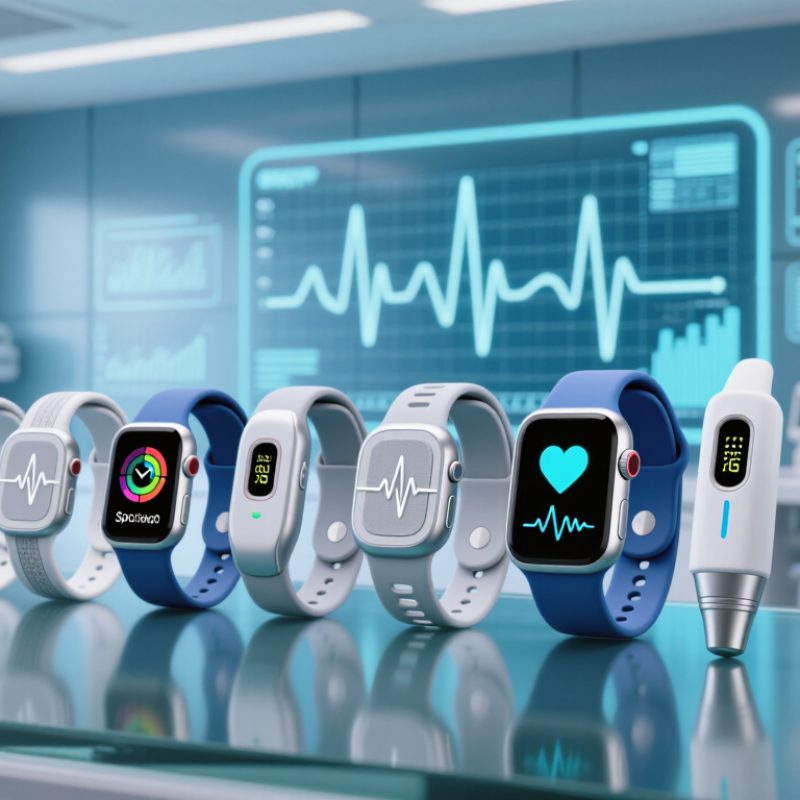
China Top 10 Medical Grade PPG ECG Multi Sensor Devices?

What Are Medical-Grade PPG ECG Multi-Sensor Devices?

Medical-grade PPG ECG multi-sensor devices combine optical and electrical measurements of the heart. PPG uses light to track blood-volume changes beneath the skin. ECG records the heart’s electrical activity through skin-contact electrodes. Together, these signals can offer a clearer view of rhythm, pulse rate, and possible irregular patterns.

The term medical-grade means more than premium materials or a professional appearance. A device should have documented testing, controlled manufacturing, and evidence supporting its intended clinical use. Regulatory clearance may also apply, depending on the device and region. In practice, clinicians examine signal quality, measurement accuracy, software performance, and data security. They may compare readings with established clinical equipment.

Small details still matter. Dry skin, loose contact, sweat, motion, and poor electrode placement can distort results. Hair or cold fingers may weaken optical signals. Synchronised sensors help, but they cannot remove every source of error.

That is easy to forget. A high-quality recording can still require professional interpretation. Home users should treat alerts as useful prompts, not final diagnoses.

Even well-designed devices have limits, and manufacturers should explain those limits clearly. A thoughtful assessment should consider validation data, intended users, maintenance needs, and how reliably the device performs outside controlled testing.

How PPG and ECG Technologies Work Together

China Top 10 Medical Grade PPG ECG Multi Sensor Devices

How PPG and ECG Technologies Work Together

PPG uses light to track blood volume changes beneath the skin. ECG records the heart’s electrical signals through skin contact. Used together, they offer a clearer view of each heartbeat. ECG can identify rhythm timing, while PPG shows when blood reaches peripheral tissue. This relationship may help estimate pulse transit trends and improve beat detection during monitoring. It is useful, but not magic.

In practical device evaluation, sensor placement matters greatly. A loose electrode can distort ECG signals. Cold fingers, dark environments, movement, or sweat can weaken PPG readings. Medical-grade systems should use validated algorithms, secure contact, quality alerts, and documented testing. Independent clinical evidence matters more than attractive specifications. Results should support professional assessment, not replace it. Some readings remain uncertain.

Tips: Check signal quality before trusting results. Keep the skin clean and still. Compare unusual readings with repeated measurements. Ask whether the device has relevant regulatory clearance and published validation data. Remember that accuracy can vary between users, especially during exercise or poor circulation. A useful device should explain its limits clearly. That detail is often overlooked.

China Top 10 Medical Grade PPG ECG Multi Sensor Devices? - How PPG and ECG Technologies Work Together

Representative device types and system configurations—not a ranked list of products. Availability and clinical indications vary. “Medical grade” is not a universal technical specification; check the regulatory clearance or approval and intended use for any specific device.

Device type or configuration Typical ECG input Typical PPG input What the signals can contribute Practical note
Wrist-worn wearable with ECG electrodes and optical sensor Usually a single-lead recording made when the wearer touches an electrode. Wrist optical measurements, commonly using green light for pulse tracking; some systems also use red or infrared light. ECG records cardiac electrical activity; PPG tracks pulse-related blood-volume changes and can support heart-rate estimates. The ECG may be available only during a user-initiated recording; wrist PPG can be affected by motion and fit.
Continuous ECG patch paired with a separate PPG wearable One or more skin electrodes record ECG continuously or for scheduled periods. A separate wrist, finger, or ear sensor measures pulse-related optical changes. Time-aligned signals may help compare electrical heartbeats with peripheral pulse timing. This is a multi-device configuration; clock synchronization and sensor placement affect comparisons.
Chest-worn ECG monitor with an integrated or paired optical sensor Chest electrodes capture ECG, often for ambulatory monitoring. An optical sensor, when present, measures PPG at a suitable skin-contact site. ECG can track electrical rhythm; PPG can provide a peripheral pulse signal for comparison. Integrated chest PPG is less common than chest ECG; optical performance depends on stable skin contact.
Bedside patient monitor with ECG and pulse-oximetry sensors Adhesive ECG electrodes connected to the monitor. A transmissive or reflective pulse-oximetry probe, often placed on a finger or another approved site. ECG displays electrical activity; PPG supports pulse-rate and, with suitable red/infrared sensing and algorithms, oxygen-saturation estimates. Pulse oximetry is not the same as ECG; readings can be affected by motion, perfusion, and other factors.
Handheld ECG recorder with a finger-contact PPG sensor Usually a short, user-initiated ECG recording through hand-contact electrodes. A finger optical sensor may capture pulse waveforms during the same measurement session. The two signal types can offer complementary electrical and pulse information. Combined handheld ECG and PPG designs are specialized; measurements are generally not continuous.
Finger-worn ring-style sensor with ECG contacts and optical PPG Contact electrodes may be used for an ECG measurement in designs that include them. Reflective optical sensing at the finger can measure pulse-related changes. PPG may support pulse tracking; ECG, where implemented, records electrical activity. Not all ring-style sensors include ECG; confirm the actual sensor set and intended use.
Ear-worn sensor with ECG electrodes and optical PPG Electrodes in contact with the ear or nearby skin can be used in specialized designs. Optical sensing at the ear measures pulse-related blood-volume changes. The combination can collect electrical and peripheral pulse signals from a compact wearable location. This form factor is specialized; fit, movement, and electrode contact influence signal quality.
Textile ECG garment used with a PPG wrist or finger sensor Conductive textile electrodes can capture ECG when positioned against the skin. A separate optical sensor measures PPG at the wrist or finger. The system can combine garment-based ECG with peripheral pulse measurements. Electrode placement, garment fit, washing, and motion can affect performance.
Clinical ECG system paired with a pulse-oximetry sensor A multi-electrode ECG system records electrical activity from several leads. A separate optical probe provides PPG and may support oxygen-saturation measurement. Provides complementary ECG and pulse-oximetry data in clinical or diagnostic workflows. The sensors are often separate components connected through a monitor or software system.
Research or specialist wearable platform with synchronized ECG and PPG One or more ECG channels, depending on the study platform. One or more optical PPG channels, with sensor location and wavelengths varying by design. Synchronized recordings enable analysis of relationships between electrical events and peripheral pulse waves. Research capability does not by itself establish clinical validation or regulatory clearance.

ECG measures the heart’s electrical activity, while PPG uses light to detect changes in blood volume in peripheral tissue. Using both can provide complementary signals, but neither signal alone—or their combination—guarantees a diagnosis. Verify a device’s validated measurements, regulatory status, and intended clinical use before relying on it for medical decisions.

Key Features of the Top 10 Devices

Key features of leading medical-grade PPG and ECG multi-sensor devices include signal quality, comfort, and dependable data capture. PPG uses light to track pulse changes, while ECG records electrical activity through skin-contact electrodes. Some devices also measure oxygen saturation, skin temperature, or movement. More sensors can add context, but they do not automatically improve accuracy.

Look for clear guidance on electrode placement, sampling frequency, battery life, and data export. A secure, comfortable fit matters: a loose wrist strap can disturb optical readings during a walk. Check whether the device has been clinically evaluated for its intended use, and review how it handles motion artifacts and missing data. “Medical grade” alone does not explain performance. Results can vary with skin contact, movement, and individual physiology. Even a well-designed device has limits; I would want to see validation details before trusting its readings for a clinical decision.

Tips: Compare ECG lead configuration and PPG signal-quality indicators, not just the sensor count. Test comfort during ordinary daily activity, and discuss concerning readings with a qualified health professional.

China Top 10 Medical-Grade PPG & ECG Multisensor Devices: Key Features

This illustrative chart shows the different signal patterns captured by PPG and ECG sensors during a representative heartbeat. It is not measured data or a ranking of ten specific devices; actual features and performance vary by device.

Device-by-Device Comparison of Accuracy and Functions

Comparing ten medical-grade PPG and ECG configurations requires looking beyond sensor count. A wristwatch with spot ECG adds rhythm snapshots to continuous PPG. A wristband with ECG electrodes offers similar checks, but fit affects signal quality. A finger-contact wearable captures brief ECG readings. A PPG ring tracks pulse trends, but needs a separate ECG sensor for electrical recordings. An adhesive ECG patch prioritizes continuous rhythm monitoring; PPG availability varies. Check the exact model.

A chest-worn ECG and PPG unit can capture movement-related signals, though comfort may limit overnight use. A fingertip clip pairs optical pulse readings with ECG contact points. A handheld multi-lead ECG with a separate PPG sensor offers more leads, but is less continuous. An upper-arm system may support longer wear, while placement can affect PPG readings. An ear-worn PPG sensor paired with a chest ECG expands coverage, but synchronization matters. These are device configurations, not a ranking or a claim of medical-grade approval.

Evidence is uneven. A 2019 NEJM smartwatch study enrolled 419,297 participants; 0.52% received an irregular-pulse notification. Among 450 notified participants who returned ECG patches, the notification’s positive predictive value was 84%. That result is study-specific, not a guarantee for every sensor or user. Look for independent validation against clinical ECG, clear reporting of false alerts, and accuracy data across skin tones and activity levels. Bench results alone are not enough.

Clinical Uses, Safety Standards, and Selection Factors

PPG and ECG sensors answer different clinical questions. PPG uses light to estimate pulse rate and related trends, while ECG records electrical activity that clinicians can assess for rhythm abnormalities. Combined devices may support wellness tracking, remote monitoring, or screening, depending on their validation and intended use. They do not replace a clinical ECG or a professional diagnosis. A neat graph can still mislead.

Safety starts with the device’s intended setting and documented testing. Relevant standards may include IEC 60601-1 for electrical safety and IEC 62304 for medical-device software; specific requirements vary by device and market. Check whether testing covers skin-contact materials, data security, and performance during movement. Standards are useful evidence, not a guarantee that every reading is accurate.

Selection should match the user and workflow. Look for clear instructions on fit, cleaning, battery life, data sharing, and what to do after an abnormal reading. A loose wrist strap, cold fingers, or motion during a walk can distort PPG signals; poor electrode contact can affect ECG traces. Ask whether results were validated against suitable clinical references and across relevant user groups. That detail is often overlooked. Even strong validation may not reflect every patient, so clinicians should review device limits before relying on its data.

FAQS

What do PPG and ECG sensors measure?

PPG uses light to estimate pulse changes. ECG records electrical activity through skin-contact electrodes. They answer different questions.

Do more sensors guarantee better accuracy?

No. Extra sensors add context, but they cannot correct poor contact or movement. More data is not always better.

What can disturb PPG readings?

A loose wrist strap, cold fingers, or walking motion can distort optical signals. Even a small fit problem matters.

What can affect ECG recordings?

Poor electrode contact may create unclear traces. Follow placement guidance carefully and keep the skin contact steady.

Can these devices replace a clinical ECG?

No. They may support wellness tracking, remote monitoring, or screening. A qualified health professional should interpret concerning results.

What should buyers check before choosing a device?

Review electrode placement, sampling frequency, battery life, data export, cleaning, and fit instructions. Check validation details, not only sensor counts.

What does “medical grade” actually prove?

The phrase alone explains little. Look for intended use, testing methods, reference comparisons, and performance during movement.

Are safety standards a guarantee of accurate readings?

No. Standards can support electrical safety and software quality. They do not guarantee every reading is correct.

How should users respond to an unusual reading?

Do not rely on one graph alone. Repeat the measurement under steady conditions and discuss concerns with a qualified health professional.

Why can validated devices still have limits?

Validation may not represent every patient or daily situation. I would still question results affected by motion, skin contact, or missing data.

Conclusion

This article introduces the Medical-Grade PPG ECG Multi-Sensor Device and explains how photoplethysmography (PPG) and electrocardiography (ECG) can work together to capture complementary information about heart activity. PPG uses changes in light absorption to track pulse patterns, while ECG records the heart’s electrical signals. Combining these measurements may provide a broader view of cardiovascular indicators than either method alone, though readings depend on device design, sensor placement, and measurement conditions.

The guide outlines key features to consider when comparing ten types of devices, including signal quality, measurement consistency, available functions, comfort, and data presentation. It also discusses potential clinical and monitoring uses, the importance of appropriate safety and quality standards, and factors for selecting a device for a particular setting. Comparisons should be based on validated performance and intended use; consumer or monitoring measurements are not a substitute for professional assessment or a medical diagnosis.

Julian Brooks

Julian Brooks

Julian Brooks is a seasoned marketing professional with a strong understanding of product strategy, customer needs, and digital communication. As a key contributor to our company, he combines market insight with practical industry knowledge to create clear, useful, and engaging content for our......