
Insights & News

Corsano Health Blog & Industry Insights

Stay updated with expert articles, scientific publications, clinical study findings, and digital biomarker innovations in continuous patient monitoring.

0%

Detecting an irregular heartbeat is no longer limited to a brief clinic visit. Today, wearable monitors, patches, smartwatches, and implantable systems can observe cardiac rhythm during daily activities. A reliable Arrhythmia Continuous Detection Device may capture changes while someone is walking, sleeping, exercising, or feeling completely well. That context matters. A short recording can miss episodes that appear only once every few days.

This guide examines ten leading continuous arrhythmia detection devices through practical and clinical considerations. We compare monitoring duration, sensor design, ECG quality, alert systems, comfort, battery life, data sharing, and professional review. Some devices record a medical-grade ECG, while others mainly track pulse patterns. They are not interchangeable. A flashing alert can feel alarming, especially at night, but it does not always confirm an arrhythmia. Conversely, no alert does not guarantee a normal rhythm.

Clinical evidence, regulatory status, independent testing, and user experience all deserve attention. Device performance may vary with skin contact, motion, tattoos, device fit, and signal noise. Personal experience also has limits. A comfortable patch may still be unsuitable for long-term use, and an advanced monitor may overwhelm users with unnecessary notifications. This overview is informative, not diagnostic. Anyone experiencing chest pain, fainting, severe breathlessness, or persistent palpitations should seek urgent medical care. Even this comparison has gaps. Technology changes quickly, and the best choice depends on symptoms, monitoring goals, medical history, and advice from a qualified clinician.
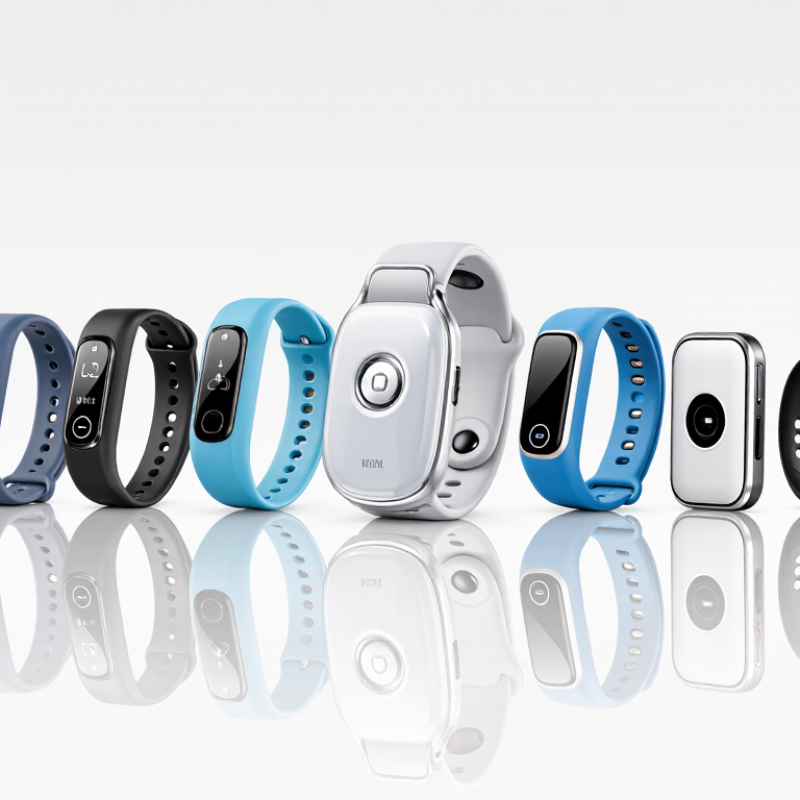
10 Best Continuous Arrhythmia Detection Devices?

What Are Continuous Arrhythmia Detection Devices?

Continuous arrhythmia detection devices monitor heart rhythm over extended periods. They can identify irregular electrical patterns that a short clinic ECG might miss. Common options include wearable ECG patches, bedside telemetry systems, smart sensors, and implantable recorders. Each device serves a different clinical purpose.

A wearable patch usually records continuously for several days. Small electrodes sit against the chest and capture electrical signals during sleep, exercise, and ordinary movement. Clinicians later review the recording for atrial fibrillation, pauses, rapid rhythms, or extra beats.

Bedside telemetry provides real-time observation in hospitals. Implantable recorders can monitor for much longer periods when symptoms are rare. The word “continuous” can mislead. Some wrist devices check rhythm only when prompted or during brief automated scans.

Device selection should match the symptom pattern and medical risk. Someone with daily palpitations may need short-term external monitoring. Infrequent fainting may require longer observation. Skin irritation, loose electrodes, motion noise, and false alerts can affect results. Not every alert matters. A qualified clinician must interpret the tracing alongside symptoms, medical history, and medication use. In practice, keeping a symptom diary can improve interpretation. Note the time, activity, sensation, and duration. These devices are helpful, but they are not a substitute for urgent care when chest pain, severe breathlessness, or fainting occurs. Their convenience is valuable, though their limits deserve equal attention.

How Continuous Arrhythmia Monitoring Technologies Work

10 Best Continuous Arrhythmia Detection Devices?

Continuous arrhythmia monitoring begins with signal capture. Electrodes record the heart’s electrical activity through repeated ECG measurements. Optical sensors estimate pulse changes by tracking blood-volume movement beneath the skin. Motion sensors then help separate walking artifacts from irregular rhythms. The device sends selected readings to an application or clinical platform. Algorithms examine rhythm intervals, pauses, and beat-to-beat variation. Some systems monitor continuously, while others record only after detecting a possible abnormality.

The American Heart Association’s 2024 Heart Disease and Stroke Statistics Update projects that 12.1 million Americans may have atrial fibrillation by 2030. That projection explains the demand for longer monitoring outside hospitals. A continuous device can capture a brief episode during sleep, exercise, or an ordinary commute. That detail matters because short clinic recordings may miss intermittent arrhythmias.

The World Health Organization reports that cardiovascular diseases caused about 17.9 million deaths globally in 2019, reinforcing the importance of earlier risk recognition.

Yet sensors are not perfect. Sweat, loose contact, dark environments, and sudden movement can create misleading alerts. The gap is real. In my view, a useful system should show the original waveform, signal quality, and alert timing, not only a risk score.

Clinical teams still need to review suspicious recordings and confirm findings with diagnostic ECG testing. Patients should also understand that an alert is a prompt for assessment, not a diagnosis. That distinction is easy to overlook. Performance claims should be checked against peer-reviewed validation studies, regulatory documentation, and transparent reporting of false-positive rates.

Which Features Define the Best Detection Devices?

The best continuous arrhythmia detection devices do more than record heart activity. They must capture reliable signals during sleep, walking, and ordinary movement. A strong device should offer continuous ECG or validated optical monitoring, with clear signal quality indicators. Poor contact can create misleading readings. That detail is easy to overlook.

Useful features include adjustable alert thresholds, rapid notifications, long battery life, and comfortable skin contact. The device should explain whether an alert suggests an irregular rhythm or simply reflects motion noise. Secure data storage matters, especially when records are shared with healthcare professionals. Clinician-friendly reports, time stamps, and easy data export can improve follow-up care. Independent clinical validation also adds credibility, but it does not guarantee perfect results.

Tips: Check how often the device records. Review its false-alert controls. Confirm that the app supports readable reports. Keep the sensor clean and fitted correctly. Never treat an alert as a diagnosis.

A practical evaluation should include accessibility, charging habits, and daily comfort. A technically advanced device may fail if users remove it frequently. I would also question products that promise certainty from limited data. Arrhythmia detection remains imperfect, and some irregular rhythms can escape detection. Human review is still important, particularly when symptoms include fainting, chest discomfort, or severe breathlessness. The best feature is not the loudest alarm. It is dependable information that supports an appropriate medical decision.

10 Best Continuous Arrhythmia Detection Devices: Which Features Define the Best Detection Devices?

The chart compares common device categories by four clinically relevant capabilities: continuous monitoring, ECG-based rhythm analysis, automatic remote alerts, and monitoring for 30 days or longer. Feature availability can vary by configuration and clinical setting. Photoplethysmography (PPG) devices can detect pulse irregularities but do not replace diagnostic ECG recording.

How to Compare Accuracy, Comfort, Connectivity, and Cost

Choosing among the 10 best continuous arrhythmia detection devices requires more than reading accuracy claims. The 2021 ESC Guidelines state that electrocardiographic confirmation remains essential for diagnosing atrial fibrillation. Photoplethysmography can screen continuously, but motion, loose contact, and darker environments may reduce signal quality. A 2023 systematic review in Journal of Medical Internet Research also found wide performance differences across wearable algorithms and study settings. Context matters.

Comfort determines whether monitoring actually continues. A lightweight patch may disappear under a shirt, while a wrist device is easier to remove and recharge. Check battery life, adhesive tolerance, water resistance, and night-time comfort. Continuous monitoring is useful only when worn consistently. Small details matter. I would not rank accuracy alone above adherence.

Connectivity affects clinical value and cost. Look for encrypted data transfer, clear alert settings, exportable recordings, and compatibility with professional review systems. The 2024 HIMSS cybersecurity research emphasizes rising healthcare data risks, so privacy controls deserve equal attention. Costs include the device, subscription, replacement sensors, cellular service, and clinician interpretation. A cheaper monitor may become expensive after recurring fees. Published study results can also overstate real-world performance because participants are often supervised. That limitation deserves attention. Ask for independent validation, not only manufacturer testing, and discuss abnormal alerts with a qualified clinician.

Which Device Types Suit Different Monitoring Needs?

Choosing among the 10 best continuous arrhythmia detection devices depends on the monitoring need, not popularity. A 24- or 48-hour Holter monitor suits frequent symptoms, especially when palpitations occur daily. It records continuously through adhesive electrodes, but wires may disturb sleep or exercise. Patch monitors are thinner and often remain in place for one to two weeks. They suit people with less predictable symptoms. However, skin irritation can reduce recording quality.

For occasional episodes, an event recorder or mobile cardiac telemetry device may be more practical. These systems can capture rhythm changes for longer periods and may transmit findings to clinical staff. A wearable ECG device helps users record a brief rhythm strip during symptoms. It is convenient, but it usually does not provide constant clinical monitoring. Smart wearables can detect pulse irregularities, yet motion, loose contact, and skin temperature may create false alerts. They are useful screening tools, not final diagnostic systems.

When fainting remains unexplained, an implantable loop recorder may monitor the heart for months or years. It requires a minor procedure and professional follow-up. Hospital telemetry is better for patients needing close observation after serious symptoms or procedures. From clinical experience, comfort often determines whether monitoring succeeds. A technically advanced device is useless if the patient removes it. No option is perfect. Discuss symptom frequency, activity, skin sensitivity, privacy, and follow-up access with a qualified clinician. Seek urgent care for chest pain, severe breathlessness, or prolonged fainting.

10 Best Continuous Arrhythmia Detection Devices? - Which Device Types Suit Different Monitoring Needs?

Device Type Typical Monitoring Period Primary Signal Best Suited For Arrhythmias Commonly Detected Main Advantages Important Limitations
24–48 Hour Holter Monitor 1–2 days Continuous multi-lead or modified-lead ECG Frequent symptoms, daily palpitations, suspected frequent premature beats, and baseline rhythm assessment Atrial fibrillation, atrial flutter, supraventricular tachycardia, premature atrial contractions, premature ventricular contractions, bradycardia, and pauses Continuous recording; clinically established; provides beat-to-beat rhythm information and symptom correlation May miss intermittent events that do not occur during the recording period; adhesive electrodes can cause skin irritation
Extended Patch ECG Monitor 7–14 days Single-lead or limited-lead ECG Intermittent palpitations, unexplained dizziness, and suspected paroxysmal atrial fibrillation Paroxysmal atrial fibrillation, atrial tachycardia, supraventricular tachycardia, ventricular ectopy, and pauses Longer observation than a standard Holter; generally discreet and suitable for everyday activity Fewer leads than a full diagnostic ECG; signal quality may decline with sweat, motion, or poor adhesion
Mobile Cardiac Outpatient Telemetry Up to 30 days Continuous or near-continuous ECG with wireless transmission Patients who need active monitoring and rapid review of clinically significant rhythm events Atrial fibrillation, sustained or nonsustained tachycardia, bradycardia, pauses, and selected ventricular arrhythmias Can transmit rhythm events for clinical review while monitoring is in progress; useful when timely notification matters Requires a service connection, charging or device maintenance, and adequate cellular coverage; may generate false alerts
Event Monitor Several weeks Patient-activated ECG, sometimes with automatic event detection Infrequent symptoms that occur less often than every few days Intermittent atrial fibrillation, supraventricular tachycardia, ectopic beats, and symptomatic bradycardia Longer monitoring window; can capture transient symptoms that a short Holter may miss Patient activation may be difficult during syncope or severe symptoms; some models do not record continuously
External Loop Recorder 2–4 weeks Continuous ECG buffer with pre-event and post-event storage Unexplained syncope, presyncope, and infrequent palpitations where the onset of an event is important Bradyarrhythmias, pauses, atrial fibrillation, supraventricular tachycardia, and selected ventricular tachycardias Retains rhythm immediately before and after activation or automatic detection; useful for brief events Requires electrode adherence and correct operation; not ideal when symptoms are extremely rare
Implantable Loop Recorder Up to approximately 3 years Subcutaneous single-lead ECG sensing Rare unexplained syncope, recurrent unexplained falls, and long-term detection of silent atrial fibrillation Intermittent atrial fibrillation, significant pauses, bradycardia, and selected tachyarrhythmias Very long monitoring duration; does not depend on external electrodes; automatic and patient-triggered recordings are possible Requires a minor implantation procedure; may have sensing artifacts and is not a substitute for a complete diagnostic ECG
Wearable ECG Chest Strap Hours to weeks Single-lead or near-single-lead ECG Exercise-related symptoms, ambulatory rhythm observation, and users who need a reusable recording device Heart-rate abnormalities, premature beats, atrial fibrillation patterns, and tachycardia episodes, depending on the system Reusable; often provides a strong signal during exercise when properly fitted; suitable for repeated recordings Performance depends on fit, skin contact, and movement; many consumer-oriented systems require clinical confirmation of an alert
Smartwatch or Wrist-Worn ECG Device On-demand checks; passive heart-rate monitoring may be continuous Optical pulse sensing and, on compatible models, single-lead ECG Spot checks, symptom documentation, and screening for possible irregular pulse patterns in ambulatory users Possible atrial fibrillation patterns, high or low heart rate, and irregular pulse episodes Highly convenient; enables user-initiated recordings and can help document symptoms outside a clinic Usually not continuous diagnostic ECG monitoring; motion and poor contact affect accuracy; alerts require medical interpretation
Bedside or Inpatient Telemetry Monitor Hours to several days Continuous multi-lead ECG with centralized monitoring Hospitalized patients at risk of acute arrhythmia, medication-related rhythm changes, or post-procedure complications Atrial fibrillation, ventricular tachycardia, bradycardia, pauses, heart block, and frequent ectopy Real-time clinical surveillance; multiple leads improve rhythm interpretation and support urgent response Designed for supervised clinical settings; movement, electrode displacement, and alarm fatigue can affect monitoring quality
Ambulatory Multi-Lead ECG Recorder 1–14 days Multiple ECG leads, commonly three or more Complex rhythm evaluation, suspected conduction disease, and cases where single-lead recordings are insufficient Atrial and ventricular arrhythmias, conduction abnormalities, pauses, heart block, and ischemia-related rhythm changes Provides more electrical-vector information than a single-lead device; supports detailed clinical analysis More wires, electrodes, and setup requirements; may be less comfortable and less discreet for extended wear
Selection note: The most appropriate device depends on symptom frequency, the need for real-time clinical review, monitoring duration, signal requirements, patient comfort, and whether the patient can activate the recorder during an event. Device alerts are not a diagnosis and should be reviewed by a qualified healthcare professional.

FAQS

What are continuous arrhythmia detection devices?

They monitor heart rhythm for extended periods. Common types include wearable ECG patches, bedside telemetry, smart sensors, and implantable recorders. Each serves a different clinical purpose.

How do these devices detect irregular heart rhythms?

ECG electrodes record electrical signals from the chest. Optical sensors track blood-volume changes beneath the skin. Motion sensors help separate walking noise from possible rhythm changes.

Can continuous monitoring find episodes that a clinic ECG misses?

Yes. A short clinic ECG may miss brief episodes. Longer monitoring can capture changes during sleep, exercise, or a daily commute.

Is every device truly continuous?

Not always. Some wrist devices check rhythm only after a prompt. Others perform brief automated scans. The label can mislead.

Which monitoring period may suit different symptoms?

Daily palpitations may suit short-term external monitoring. Rare fainting may require longer observation. A qualified clinician should match monitoring time to symptom frequency.

What can reduce monitoring accuracy?

Sweat, loose electrodes, skin irritation, sudden movement, and poor contact can create false alerts. Dark environments may affect some optical sensors. The gap matters.

How should someone respond to an abnormal alert?

Treat it as a prompt for medical assessment, not a diagnosis. Clinicians should review the waveform with symptoms, history, and medications. Record the alert time.

What details should a symptom diary include?

Note the time, activity, sensation, and duration. For example, record racing beats during stairs or dizziness beside a desk. Small details help interpretation.

What features should people compare before choosing a device?

Consider comfort, battery life, adhesive tolerance, water resistance, connectivity, privacy controls, and clinician access. Also check recurring sensor or subscription costs.

When should monitoring not replace urgent care?

Seek urgent medical care for chest pain, severe breathlessness, or fainting. Do not wait for the device to finish recording. Its limits deserve attention.

Conclusion

Continuous arrhythmia detection devices are designed to observe heart rhythm over extended periods and identify irregular patterns that may be missed during a short clinical test. An Arrhythmia Continuous Detection Device typically uses sensors to collect electrical or pulse-related signals, then applies algorithms to recognize events such as unusually fast, slow, or uneven rhythms. Some systems provide real-time alerts, while others store data for later review by healthcare professionals.

The best device depends on the user’s monitoring needs, symptoms, lifestyle, and medical guidance. Important comparison factors include detection accuracy, comfort during daily wear, battery life, data security, connectivity, ease of use, and overall cost. Wearable options may suit people needing flexible, everyday observation, while clinical or implanted systems can provide longer-term monitoring for specific medical situations. No single device is ideal for everyone, so results should be interpreted alongside professional evaluation rather than used as a substitute for medical care.

Nathaniel Hayes

Nathaniel Hayes

Nathaniel Hayes is a seasoned marketing professional dedicated to helping businesses understand complex products and make confident, informed decisions. With a strong background in market research, content strategy, customer communication, and digital marketing, he brings clarity, accuracy, and......