1. Edge Computing & Motion Artifact Mitigation
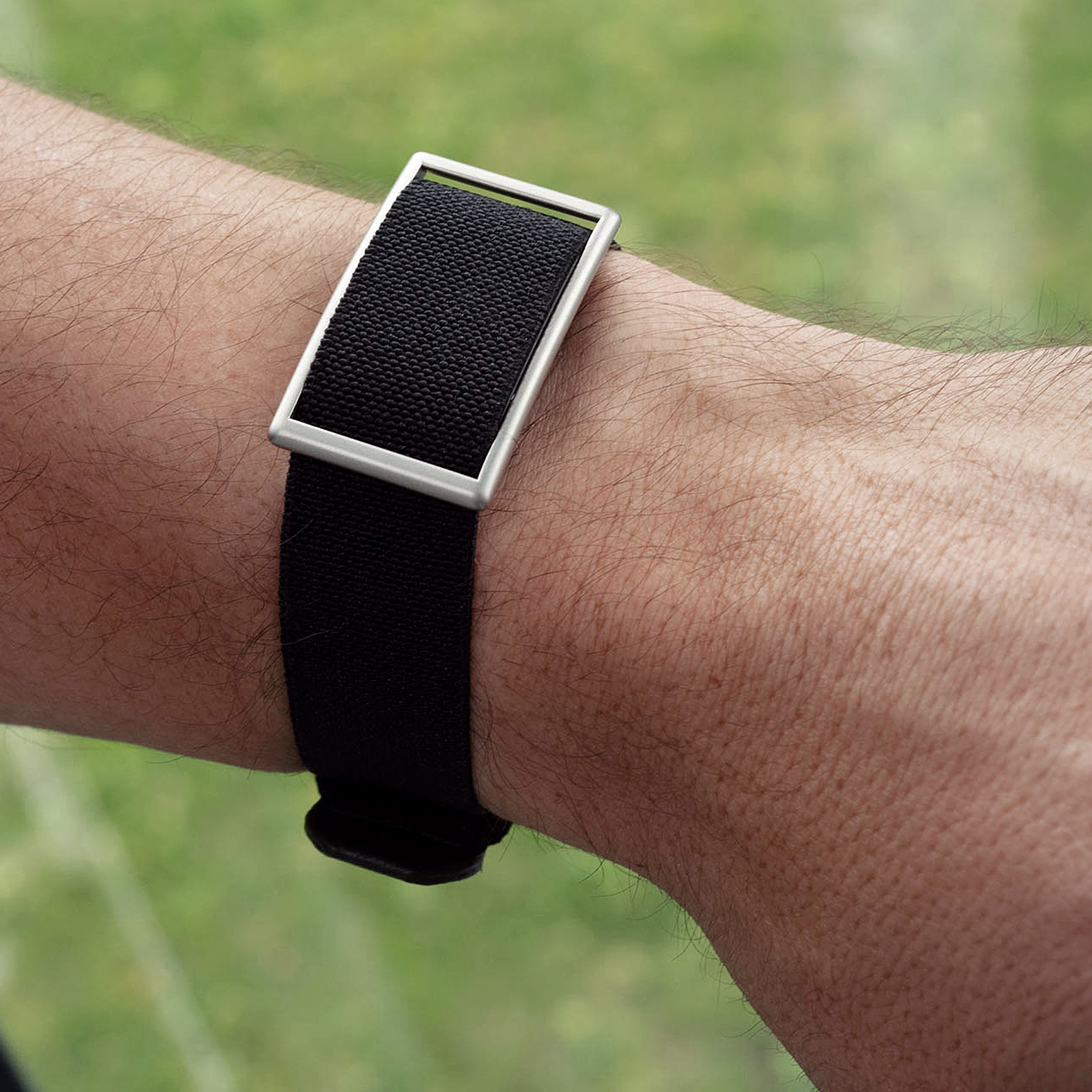
Wrist-worn continuous optical sensing historically suffered from movement artifacts caused by ambulatory patients. Contemporary medical wearables incorporate edge computing chips running real-time adaptive filtering algorithms. By cross-referencing multi-wavelength optical PPG signals with 3-axis accelerometer motion vectors right on the device micro-controller, motion noise is stripped out before vital signs and EWS calculations are finalized, virtually eliminating false alarms.
2. Automated Multi-Parameter Algorithmic NEWS2 Scoring
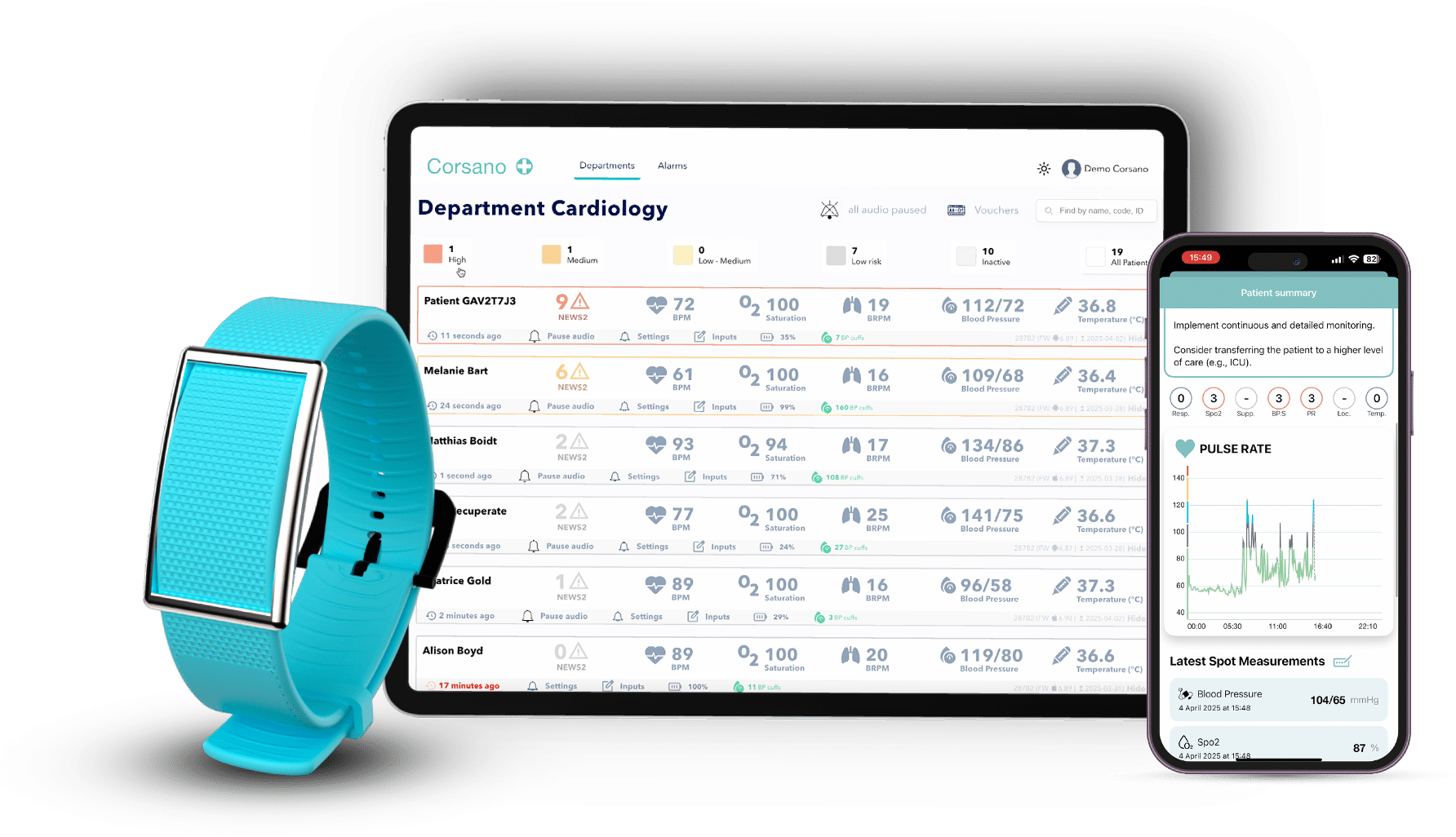
Traditional NEWS2 relies on periodic manual scoring across seven parameters: respiration rate, oxygen saturations, supplemental oxygen, systolic blood pressure, pulse rate, consciousness level, and temperature. Next-generation EWS wearables automate continuous calculation of these parameters, projecting a dynamic score trajectory onto central telemetry screens. When a patient's cumulative score crosses pre-set clinical escalation boundaries (e.g., a NEWS2 score increase of 2 points within 2 hours), emergency medical team workflows are triggered automatically.
3. Predictive AI Biomarkers & Sepsis Pre-Alert Systems
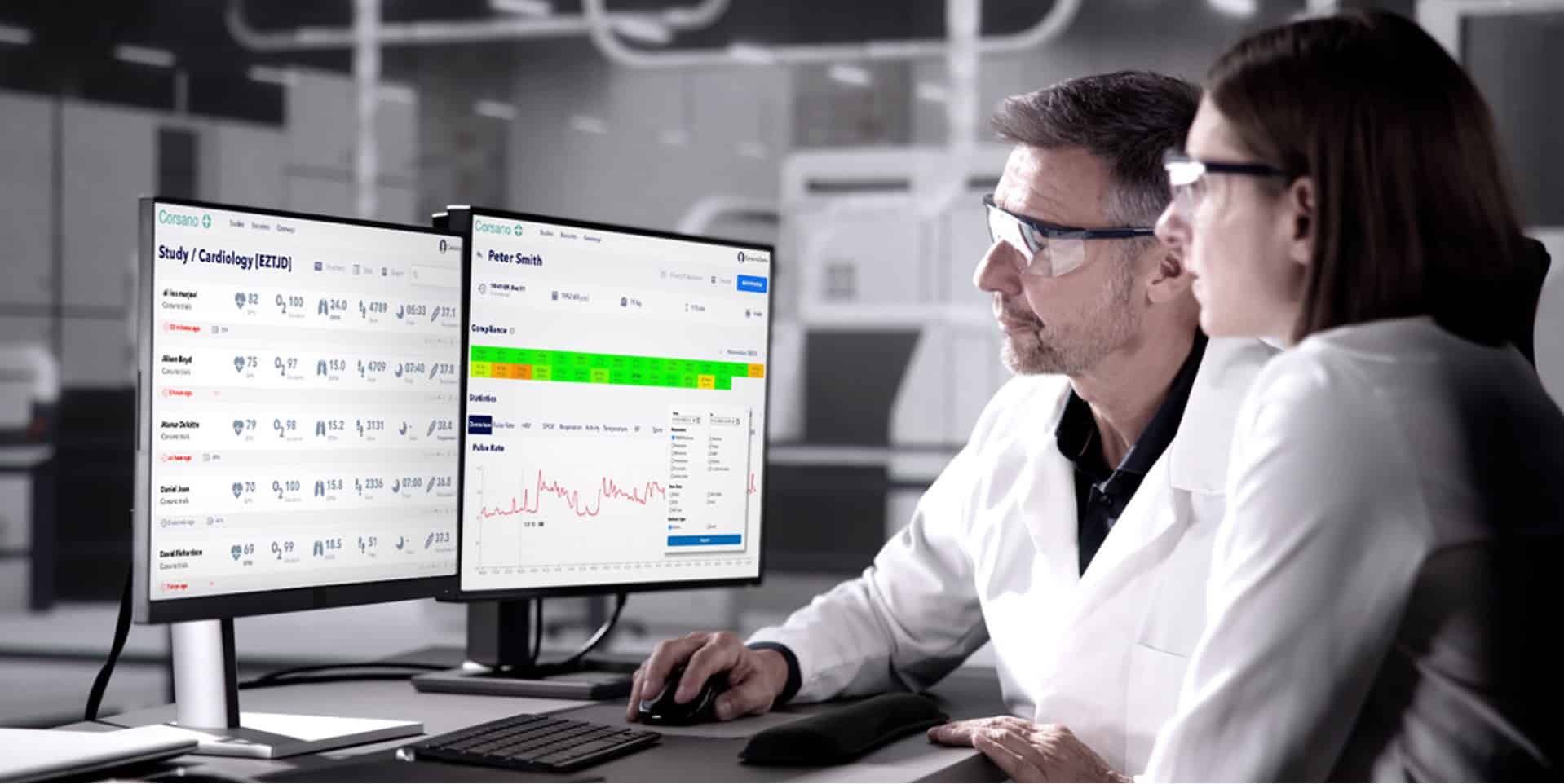
Leading-edge clinical trials co-developed by Corsano Health and academic centers leverage deep neural networks trained on continuous multi-sensor streams. By analyzing subtle autonomic micro-changes in heart rate variability (HRV), peripheral perfusion, skin temperature, and breathing patterns, predictive AI models can signal impending septic shock or cardiac arrest up to 6 to 12 hours before clinical manifestation.